Chenille upholstery fabric is known for its soft texture and cozy appearance, making it a popular choice for sofas and home furniture. But many buyers overlook one critical question:
👉 Is chenille upholstery fabric actually durable enough for everyday use?
This guide gives you a practical, honest, and buyer-focused answer, including when chenille is a great choice—and when it’s not.
What Is Chenille Upholstery Fabric?
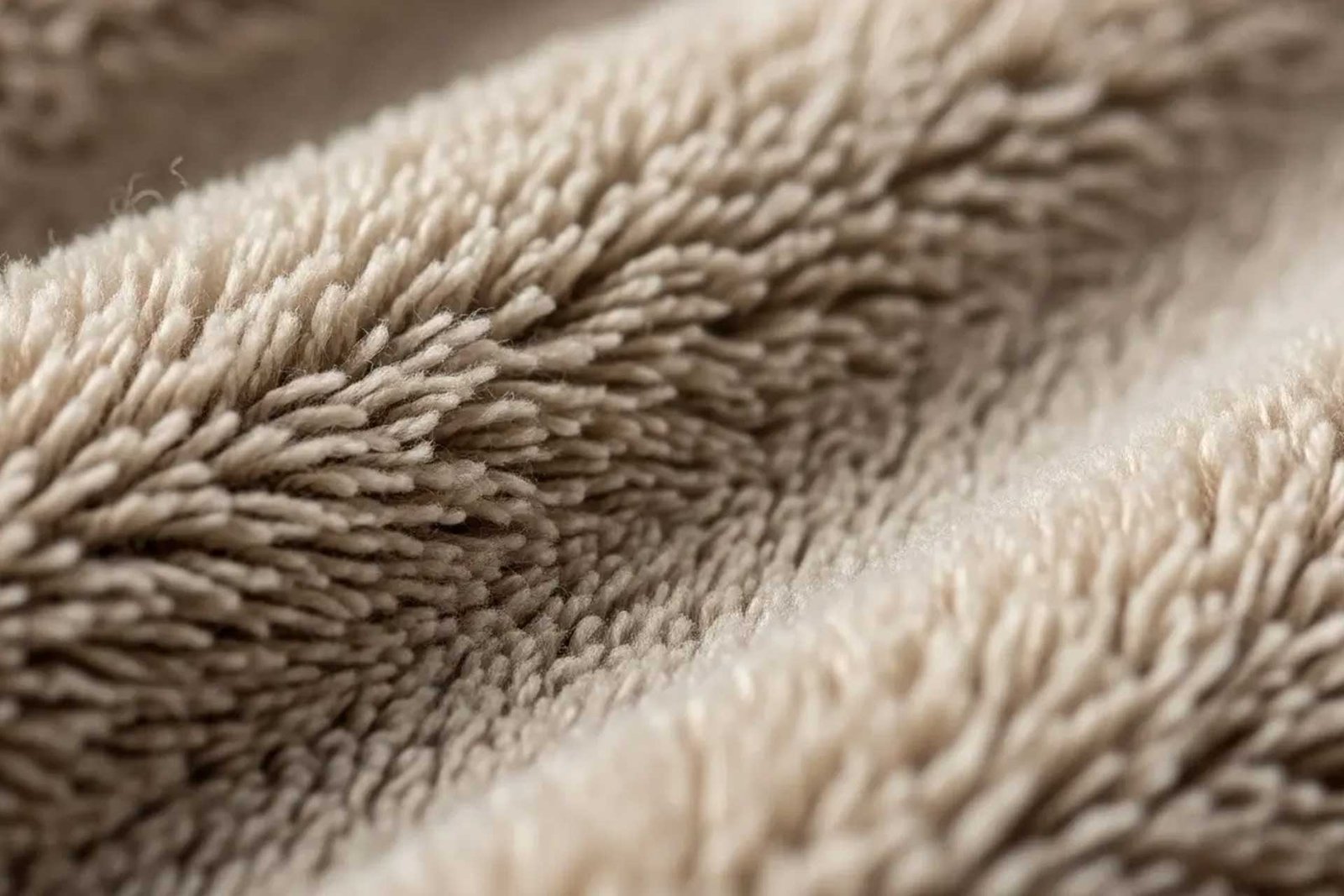
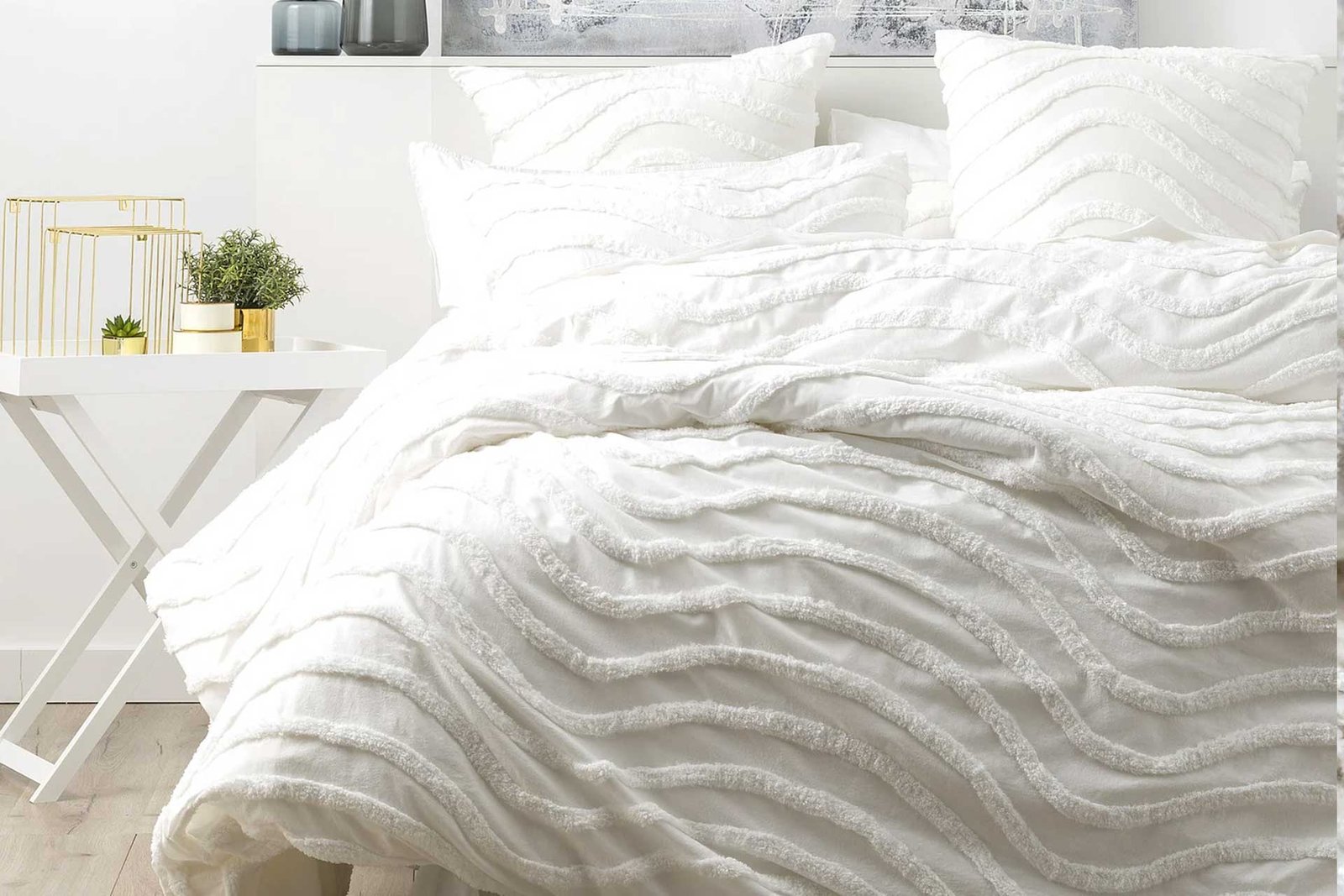
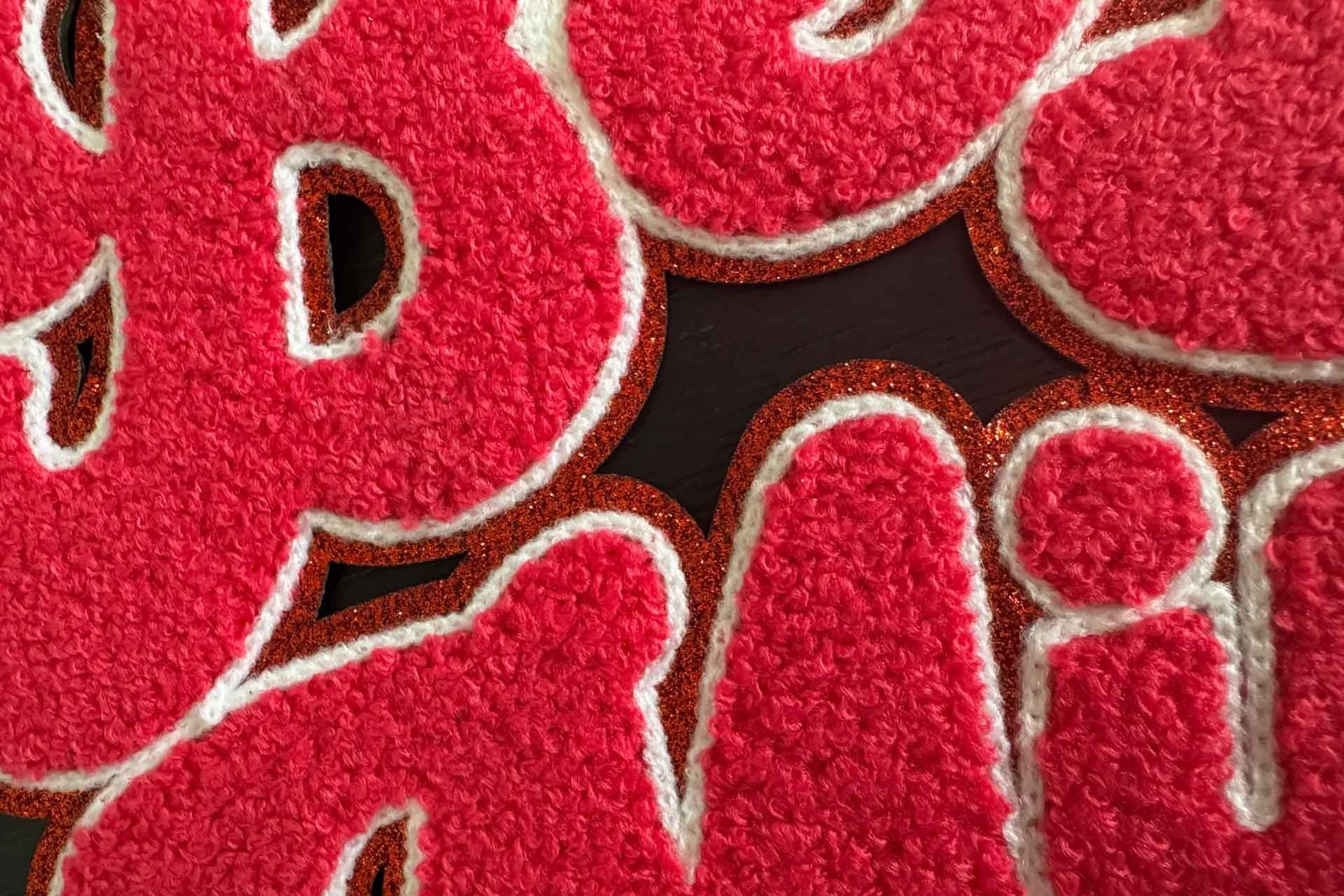
Chenille is a woven fabric made from short yarns that create a soft, fuzzy pile surface.
Key characteristics:
- Velvety, plush texture
- Subtle sheen
- Rich, dimensional look
👉 Unlike flat fabrics, chenille has a raised surface that gives it a luxurious and warm feel.

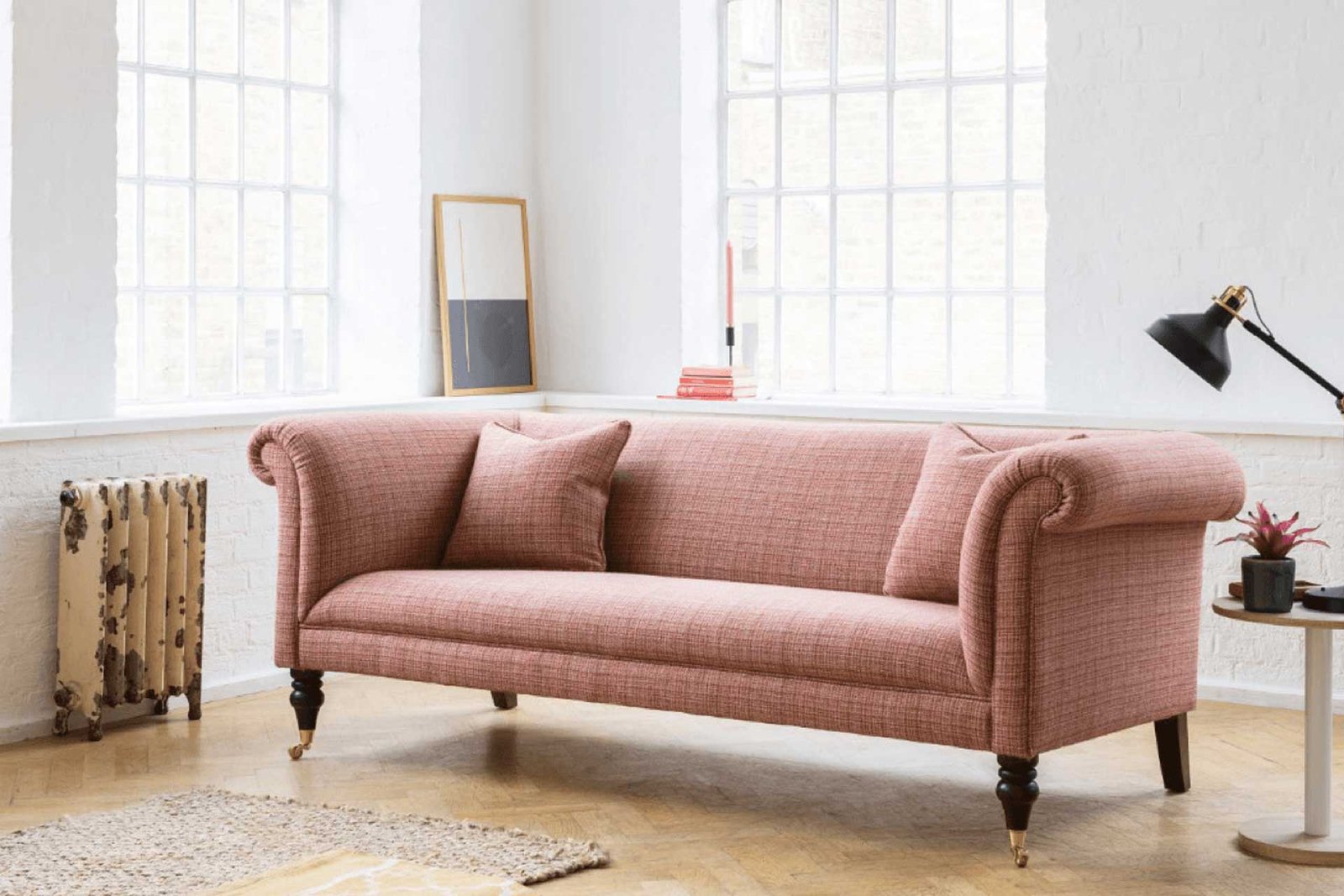
Chenille upholstery fabric
Is Chenille Upholstery Fabric Durable?
👉 Short answer: Moderately durable—but not for heavy use.
What Chenille Does Well
- Comfortable for everyday seating
- Holds shape reasonably well
- Suitable for decorative furniture
Where Chenille Falls Short
- Can wear down in high-traffic areas
- Prone to pilling over time
- Not resistant to pet scratches
👉 Practical insight:
Chenille is best for medium-use furniture, not heavy-duty applications.
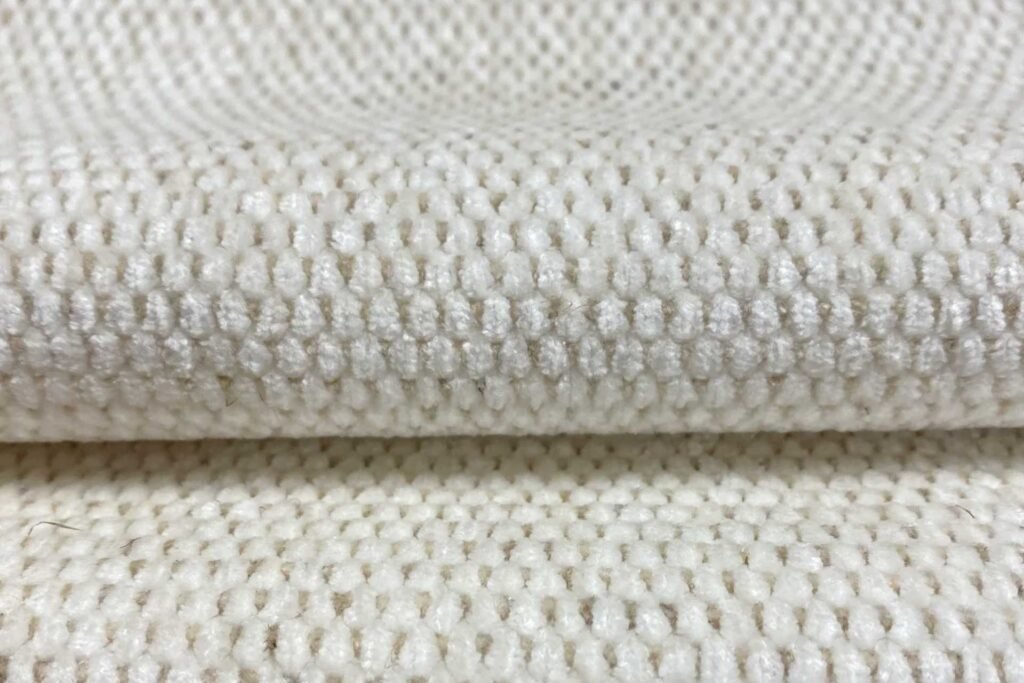
heavy duty chenille
Pros and Cons of Chenille Upholstery Fabric
✔ Pros
1. Extremely Soft and Comfortable
Ideal for sofas and lounge furniture.
2. Rich Texture and Appearance
Adds depth and warmth to interiors.
3. Good Insulation
Feels warm compared to smoother fabrics.
❌ Cons
1. Prone to Pilling
Friction can cause surface fibers to loosen.
2. Not Pet-Friendly
Claws can easily damage the pile.
3. Harder to Clean
Dust and dirt can get trapped in the texture.
4. Moderate Durability
Not ideal for high-traffic or commercial use.
Chenille vs Other Upholstery Fabrics
This is what most buyers actually need to decide.
Chenille vs Velvet
| Feature | Chenille | Velvet |
|---|---|---|
| Texture | Soft, textured | Smooth, sleek |
| Durability | Medium | Medium–High |
| Maintenance | Moderate | Easier to clean |
👉 Velvet is generally more durable and refined.
Chenille vs Linen
| Feature | Chenille | Linen |
|---|---|---|
| Feel | Soft, plush | Crisp, breathable |
| Durability | Medium | High |
| Style | Cozy | Minimalist |
👉 Linen is better for durability and hot climates.
Chenille vs Polyester Upholstery
| Feature | Chenille | Polyester |
|---|---|---|
| Comfort | High | Medium |
| Durability | Medium | High |
| Maintenance | Harder | Easier |
👉 Polyester is better for heavy-use furniture.
Best Uses for Chenille Upholstery
Chenille works best in the right environment.
✔ Ideal Applications
- Living room sofas (moderate use)
- Accent chairs
- Decorative furniture
❌ Not Recommended For
- Homes with pets
- High-traffic areas
- Commercial seating
👉 Key rule:
Use chenille where comfort matters more than durability.
How to Choose High-Quality Chenille Fabric
Not all chenille fabrics perform the same.
1. Check Fabric Density
Higher density = better durability
2. Look for Blended Fabrics
Chenille blended with polyester or other fibers can:
- Improve strength
- Reduce wear
3. Test Abrasion Resistance
Ask suppliers for durability data if available.
4. Consider Backing Material
A strong backing improves overall performance.
Common Buyer Mistakes
Mistake 1: Assuming Chenille Is Durable
👉 It is comfortable, not heavy-duty
Mistake 2: Using It in High-Traffic Areas
Leads to faster wear and pilling.
Mistake 3: Ignoring Maintenance Needs
Chenille requires more care than smooth fabrics.
When Should You Choose Chenille Upholstery?
✔ Choose Chenille If:
- You want a soft, cozy feel
- Furniture is used moderately
- Aesthetic is a priority
❌ Avoid Chenille If:
- You have pets
- Furniture is heavily used daily
- You need easy maintenance
When sourcing upholstery chenille fabric for large-scale furniture production or luxury interior projects, 'softness' is only half the story. Professional buyers and designers know that the real challenge lies in finding a balance between that signature velvet-like texture and the technical durability required for high-traffic environments.
As a specialized manufacturer, we’ve seen how choosing the wrong grade of chenille can lead to pilling, sagging, and premature wear. This guide breaks down the technical specs you must check before placing your next wholesale order.
1. The Science of the 'Caterpillar' Yarn
The word 'Chenille' is French for caterpillar, describing the fuzzy, tufted yarn that gives the fabric its unique look.
-
The Construction: Chenille is created by placing short lengths of yarn (the pile) between two 'core yarns' and then twisting them together.
-
The Insider Value: The durability of your upholstery chenille fabric depends entirely on how tightly these core yarns are twisted. If the twist is loose, the pile will 'shed' or pull out easily. Always ask your supplier for the pile-retention strength specs.
2. Durability Specs: Martindale vs. Wyzenbeek
In the B2B world, beauty is measured in 'rubs.' If you want your furniture to last in a hotel lobby or a busy family living room, you need to look at the abrasion test results:
-
General Domestic Use: 15,000 – 20,000 rubs.
-
Heavy-Duty Commercial: 30,000+ rubs. * The Pro Tip: For contract-grade projects, we recommend a polyester-based chenille. Unlike cotton or rayon blends, polyester offers superior dimensional stability, meaning the fabric won't stretch or 'pouch' on the sofa cushions over time.
3. Overcoming the 'Chenille Weaknesses'
Many designers avoid chenille because they fear it’s hard to maintain. Here is how we solve those pain points at the manufacturing level:
-
The Flattening Issue: Chenille pile can flatten if sat on in the same spot. We use a high-density backing technique to support the pile, ensuring it 'bounces back' even after heavy use.
-
Stain Resistance: We can apply Nano-tech water-repellent coatings during the finishing stage. This allows liquids to bead up on the surface rather than soaking into the fuzzy yarn.
-
FR (Flame Retardancy): For hospitality projects, ensure your chenille meets BS5852 or CAL 117 standards.
4. Style Meets Spec: Choosing the Right Texture
Not all chenille looks the same. Depending on your project, you should choose based on the 'Effect':
-
Micro-Chenille: A finer, tighter weave that looks like suede. Best for modern, minimalist furniture.
-
Chunky Chenille: Features larger tufts for a cozy, rustic, or 'Boho' aesthetic.
-
Iridescent Chenille: Uses two different tones in the yarn to create a shimmering effect under different lighting.
5. Technical FAQ for Professional Buyers
Q: Is upholstery chenille fabric pet-friendly? A: Yes and no. Its durability is high, but the looped tufts can be snagged by cat claws. We suggest a 'flat-weave chenille' for pet-friendly collections.
Q: How do you prevent 'shading' or color variation? A: Because chenille has a pile direction (nap), it reflects light differently from different angles. Professional upholsterers must ensure all fabric pieces are cut and sewn in the same direction to avoid panels looking like different colors.
Final Verdict: Is Chenille Upholstery Fabric Worth It?
👉 Yes—but only in the right situation.
- Great for comfort and style
- Not ideal for durability-focused use
👉 Simple decision rule:
- Comfort & appearance → choose chenille
- Durability & easy care → choose alternatives
Conclusion
Chenille upholstery fabric offers a unique combination of softness and visual richness, but it comes with trade-offs in durability and maintenance.
Choosing the right upholstery fabric depends on:
- Usage level
- Environment (pets, kids)
- Maintenance expectations
👉 Understanding these factors helps you avoid costly mistakes when selecting upholstery materials.
Looking for Reliable Upholstery Fabric Supply?
If you are sourcing chenille upholstery fabric or alternative materials, we can help you choose the right option for your project.
We offer:
- A wide range of upholstery fabrics
- Consistent quality for bulk orders
- Competitive pricing for global markets
Contact us today to request samples or get expert recommendations for your furniture projects.