If you’ve ever wondered what material is twill, the answer might surprise you:
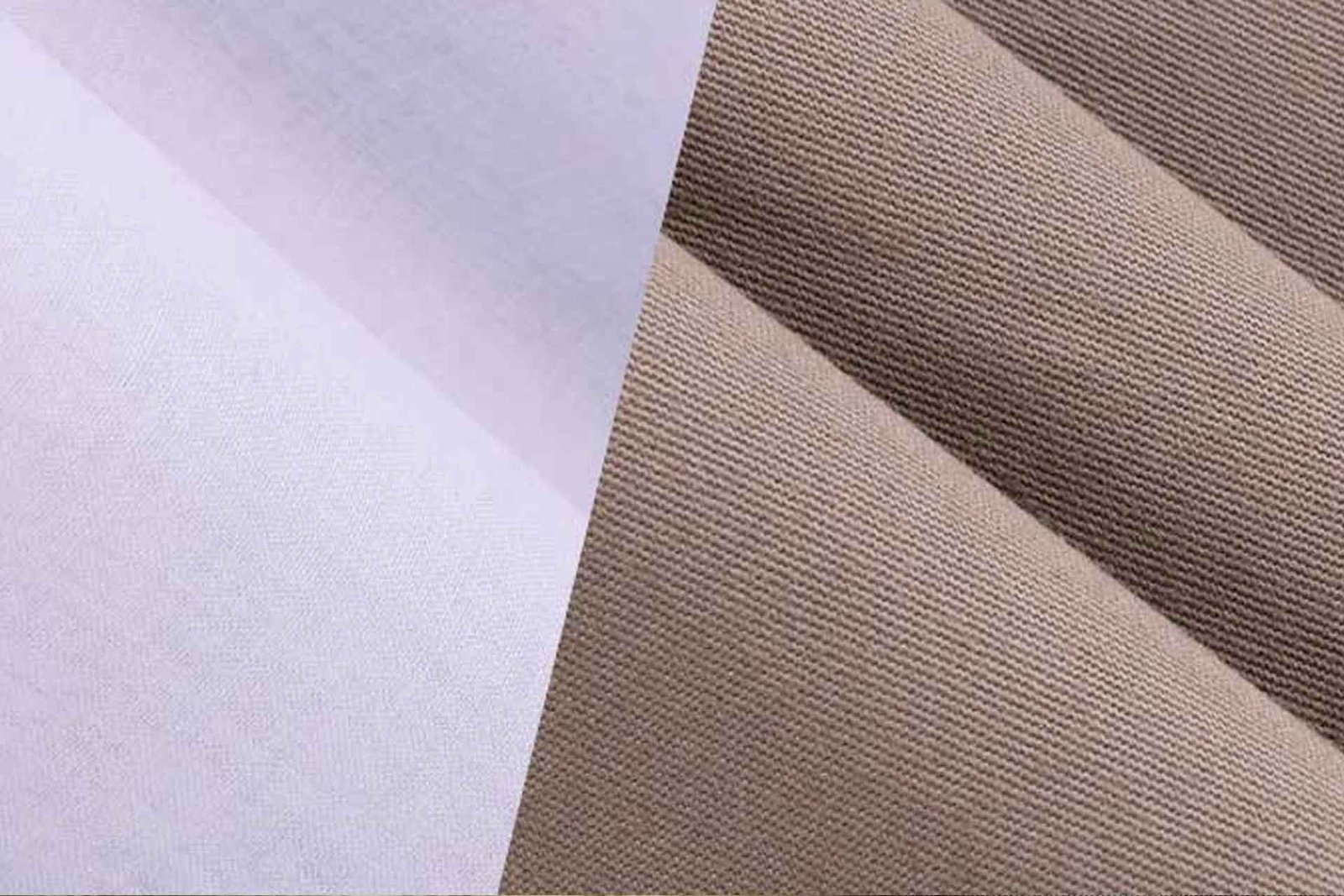
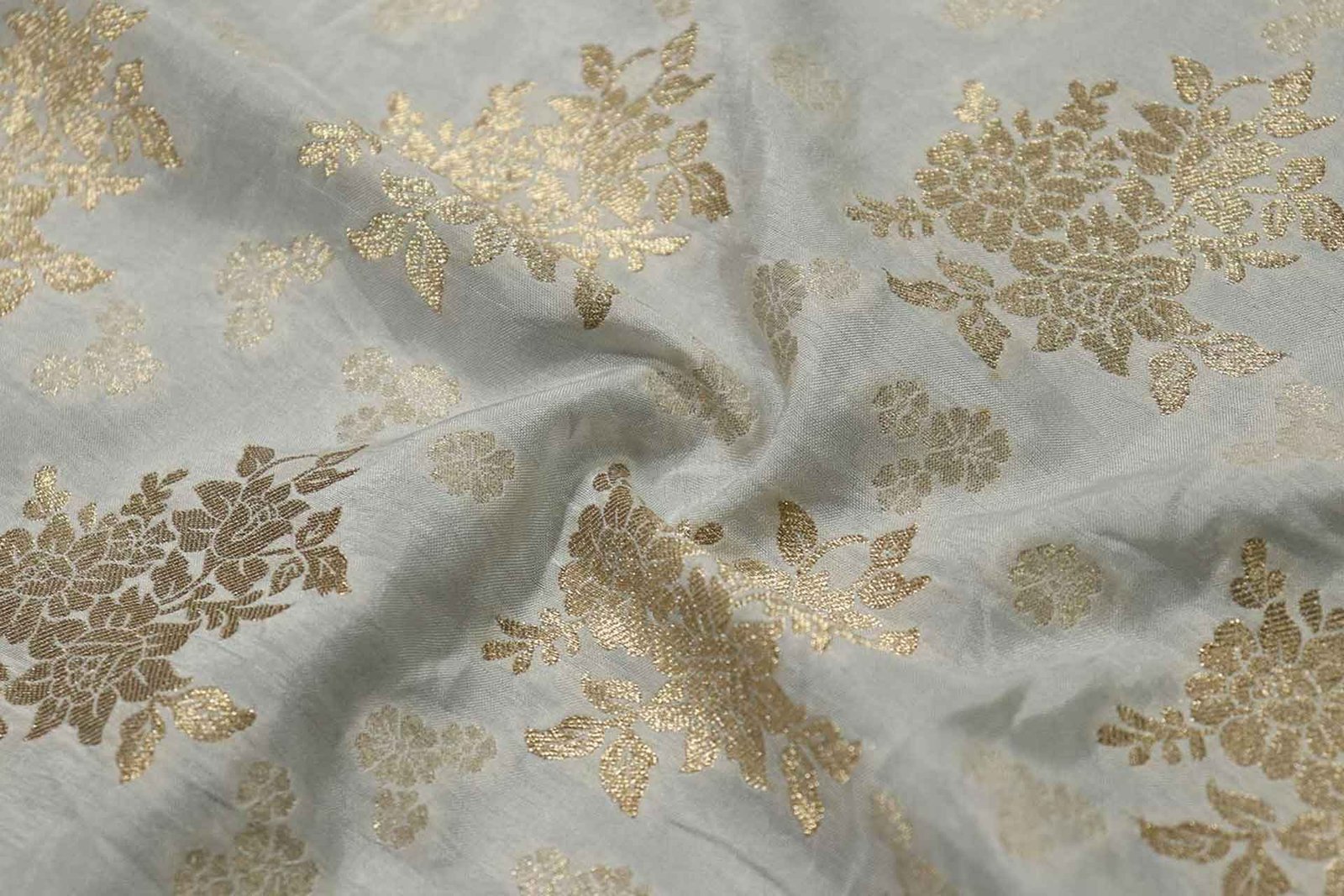
👉 Twill is not a specific material—it is a type of weave that can be made from different fibers such as cotton, polyester, wool, or blends.
This means the properties of twill fabric depend largely on the material used to produce it.
In this guide, we’ll break down exactly what twill is made of, the most common materials used, and how to choose the right twill fabric for your needs.
What Material Is Twill
Is Twill a Material or a Weave?
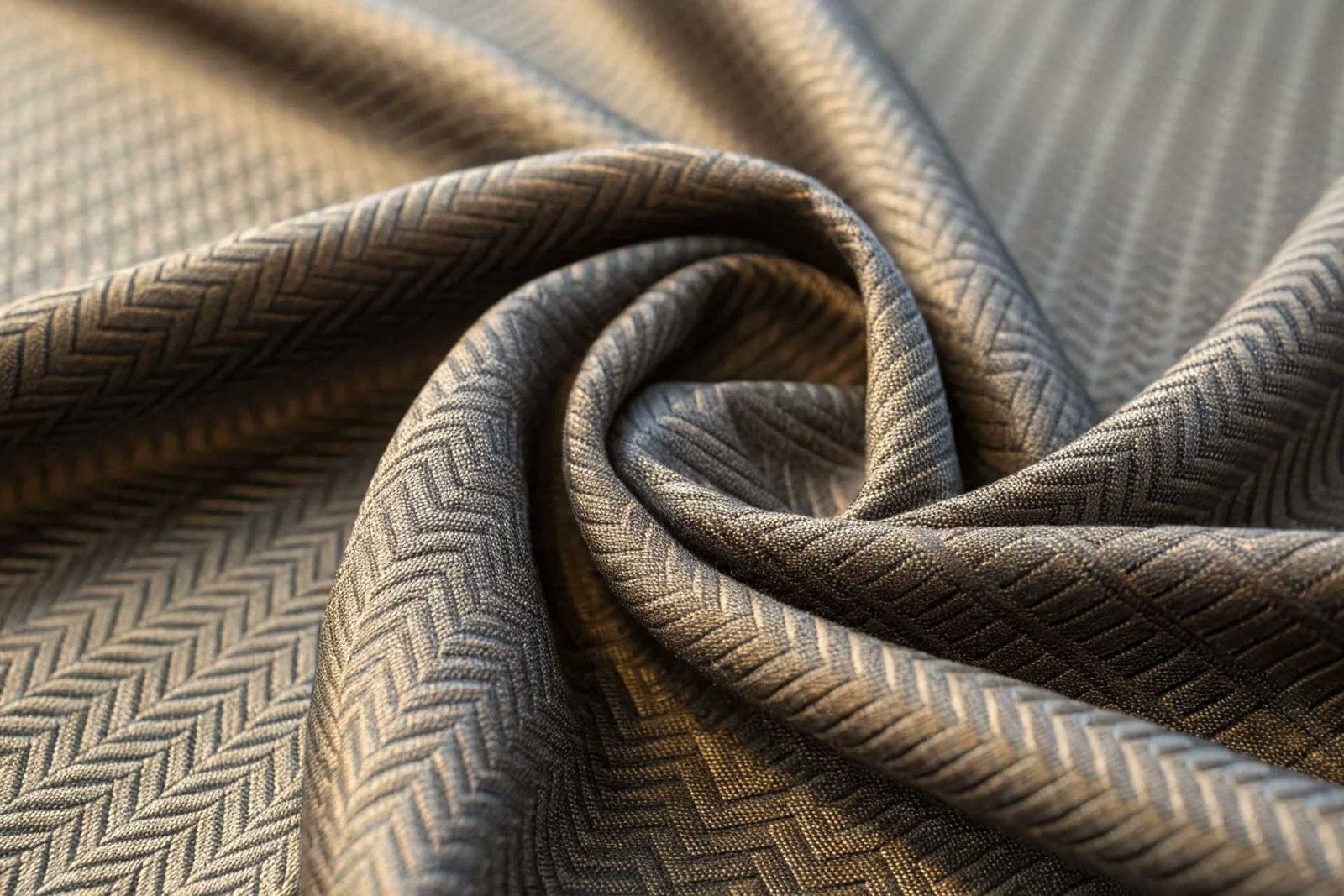
Twill is a weaving technique, not a fiber.
It is defined by its diagonal pattern, created during the weaving process. Because of this structure, twill fabrics are generally:
- Strong and durable
- Resistant to wrinkles
- Flexible with a good drape
However, the actual performance of twill fabric depends on the material used—which is why understanding its composition is essential.
What Materials Are Used to Make Twill Fabric?
Twill fabric can be made from a wide range of fibers. Below are the most common ones:
1. Cotton Twill
Cotton twill is the most widely used type of twill fabric.
Key features:
- Soft and breathable
- Comfortable for everyday wear
- Easy to sew and maintain
Common uses:
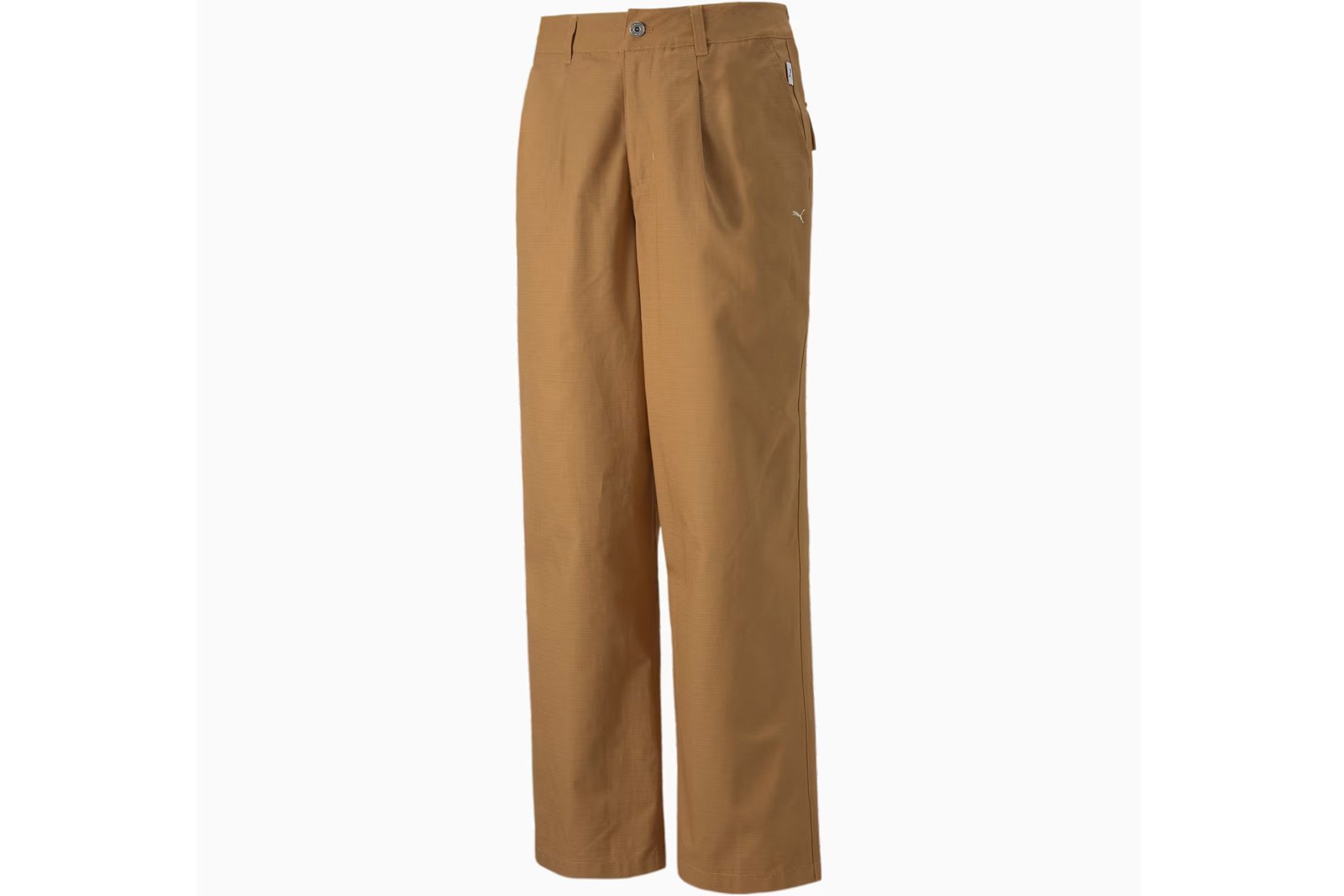
- Chinos and pants
- Shirts
- Workwear
2. Polyester Twill
Polyester twill is a synthetic alternative known for its durability.
Key features:
- Wrinkle-resistant
- More resistant to shrinking
- Long-lasting
Common uses:
- Uniforms
- Industrial clothing
- Promotional garments
3. Wool Twill
Wool twill is a premium fabric often used in formal wear.
Key features:
- Warm and insulating
- Smooth, structured appearance
- High-end feel
Common uses:
- Suits
- Coats
- Trousers
4. Blended Twill (Cotton Blends, Stretch Twill)
Many modern twill fabrics are blends of different fibers.
Examples:
- Cotton + polyester
- Cotton + elastane (stretch twill)
Advantages:
- Better flexibility
- Improved durability
- Balanced comfort and performance
How the Material Affects Twill Fabric Performance
Since twill is only a weave, the fiber content determines how the fabric behaves.
| Material | Breathability | Durability | Stretch | Typical Use |
|---|---|---|---|---|
| Cotton | High | Medium | Low | Clothing |
| Polyester | Low | High | Low | Uniforms |
| Wool | Medium | High | Low | Formal wear |
| Blends | Medium | High | Medium | Versatile |
Common Examples of Twill by Material
You may already be familiar with twill fabrics without realizing it:
- Denim → cotton twill
- Gabardine → tightly woven twill (often wool or cotton)
- Chino fabric → lightweight cotton twill
These examples show how different materials create different types of twill fabric.
How to Choose the Right Twill Material
When selecting twill fabric, consider the following:
✔ End Use
- Clothing → cotton or stretch twill
- Workwear → polyester or blends
- Formal wear → wool twill
✔ Comfort vs Durability
- More comfort → cotton
- More durability → polyester
✔ Budget
- Cotton → moderate
- Polyester → cost-effective
- Wool → premium
What Is Twill Made Of? (Quick Answer)
If you’re looking for a simple answer:
👉 Twill fabric can be made from cotton, polyester, wool, or blended fibers, depending on the intended use.
FAQ: What Material Is Twill?
Is twill cotton or polyester?
It can be either. Twill refers to the weave, not the material.
Is twill a natural fabric?
It depends—cotton and wool twill are natural, while polyester twill is synthetic.
What is the best material for twill fabric?
Cotton is best for comfort, while polyester is best for durability.
Is denim a twill fabric?
Yes, denim is a type of cotton twill.
Conclusion
So, what material is twill?
Twill is not a single material but a versatile fabric structure that can be made from a variety of fibers, including cotton, polyester, wool, and blends.
Understanding this helps you choose the right twill fabric based on your specific needs—whether it’s comfort, durability, or performance.
Contact Us
Looking for high-quality twill fabric for your business or project?
We supply a wide range of twill materials, including cotton, polyester, and custom blends, tailored to your requirements.
👉 Contact us today to get samples, pricing, and expert support.