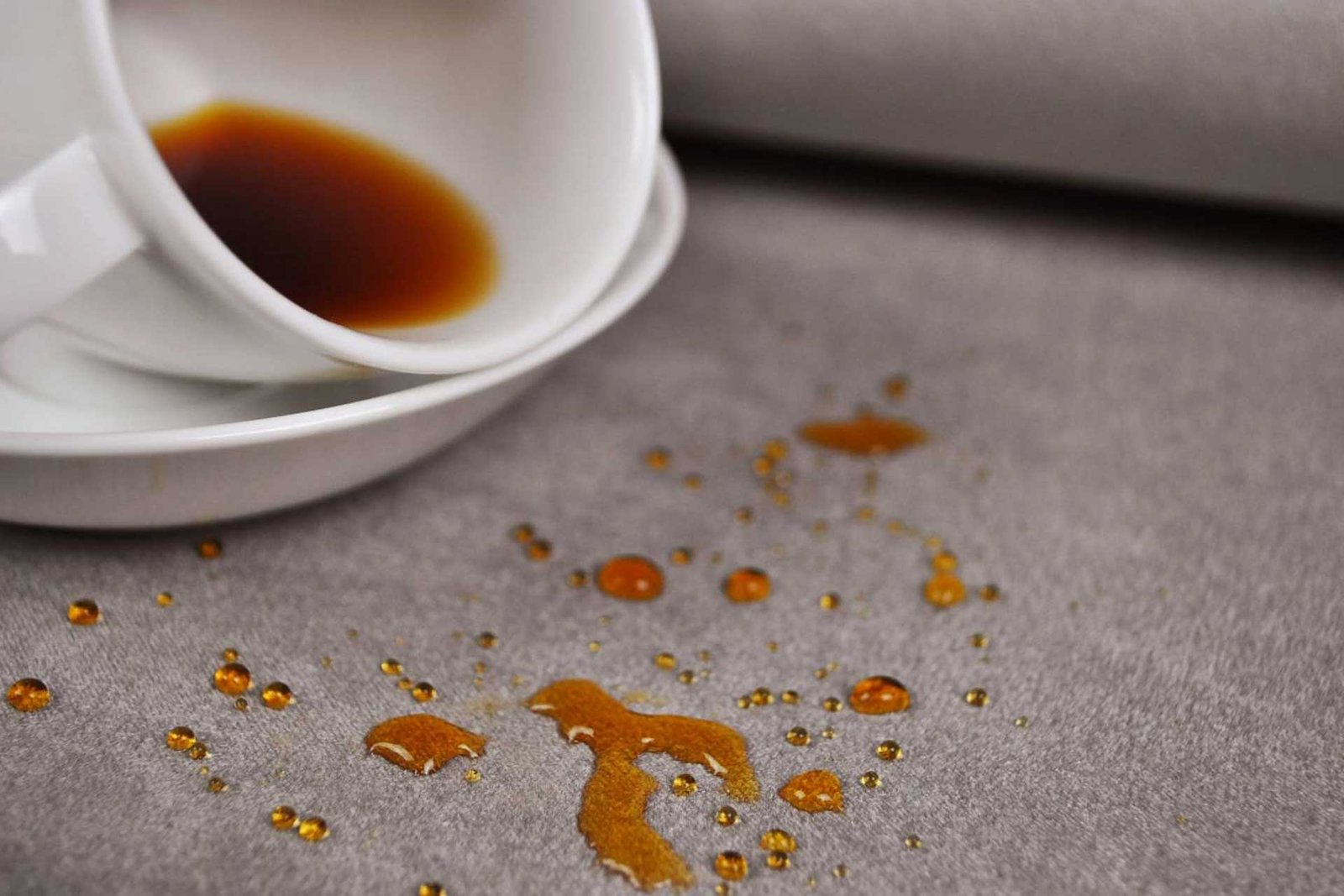
The Bottom Line: For marine environments, the 'best' fabric must excel in three non-negotiable categories: UV resistance, mildew prevention, and breathability. While there are many options, Solution-Dyed Acrylic (like Sunbrella) remains the industry gold standard for Bimini tops and covers due to its colorfastness and durability. However, for high-speed trailering or complete waterproofing, Vinyl-coated Polyester often provides the structural superior edge.
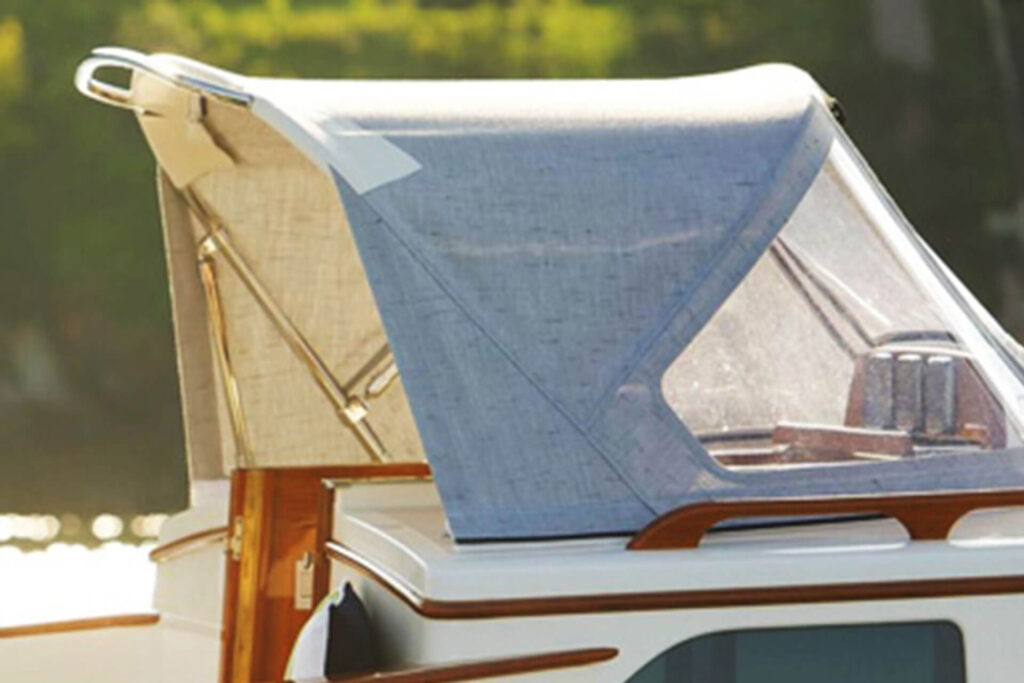
sunbrella boat canvas
1. Why Marine Canvas is Different from Standard Outdoor Fabric
The ocean is a brutal environment. Standard 'outdoor' canvas will fail within months when exposed to constant salt spray, intense reflected UV rays, and high humidity.
A true marine canvas material is engineered at the molecular level. It’s not just about being 'thick'; it’s about how the fibers react to moisture and sunlight. If the fabric doesn't breathe, moisture gets trapped underneath, leading to a 'greenhouse effect' that destroys your boat's interior with mold and mildew.
2. The Gold Standard: Sunbrella Boat Canvas & Solution-Dyed Acrylics
When you ask a seasoned captain about the best fabric, you will inevitably hear the name Sunbrella. But what makes it worth the premium price?
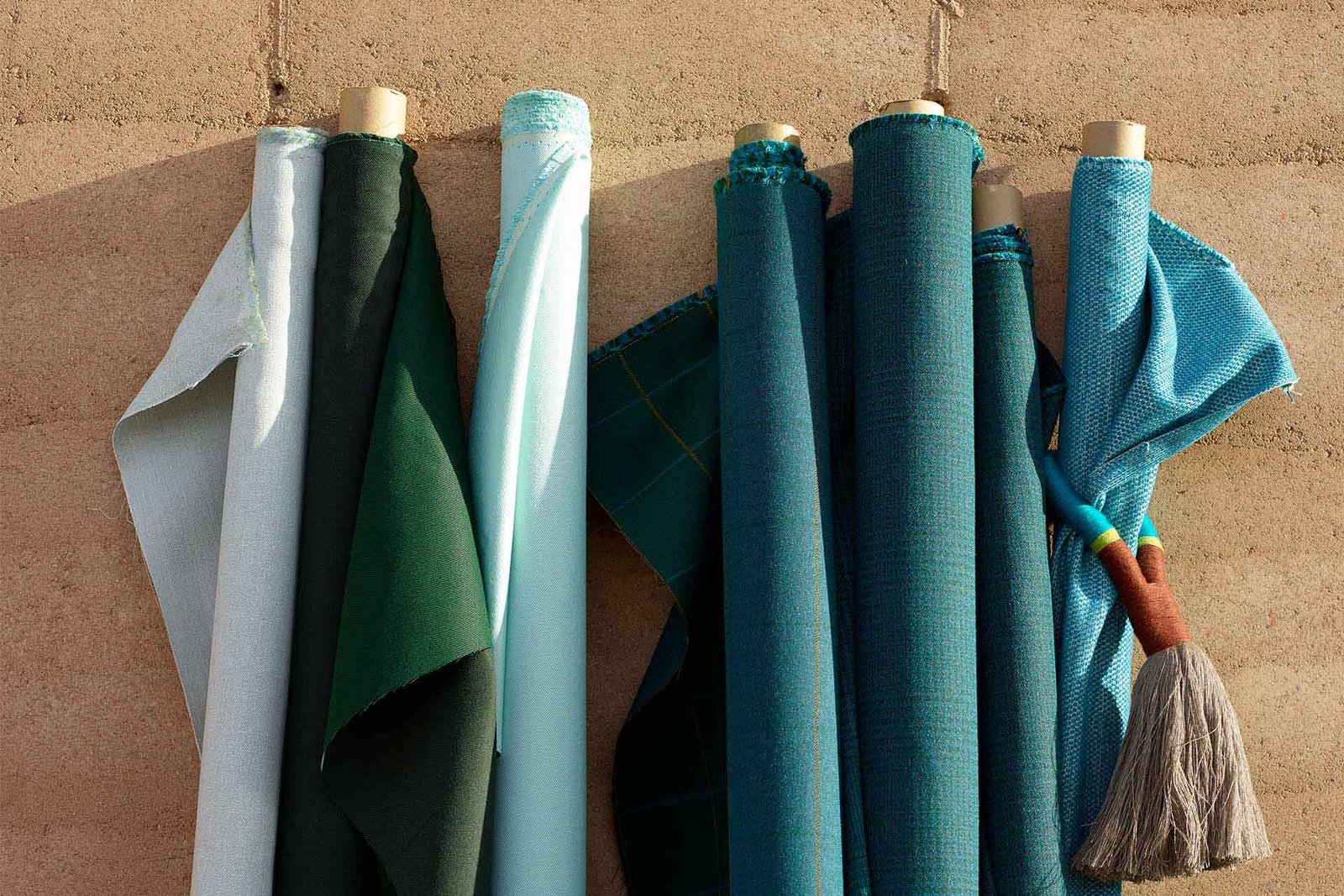
Solution-Dying Process: Unlike cheaper fabrics where the color is printed on the surface, Sunbrella fibers are saturated with pigment before they are even spun into yarn. This means the color goes all the way through. It won't fade or bleach out, even after years in the Caribbean sun.
Superior Breathability: Acrylic is a woven fabric that allows air to pass through. This prevents condensation from building up on your seats and electronics.
Soft Hand: It looks and feels like premium cloth, fitting the aesthetic of a high-end yacht or cruiser.
3. Comparing Marine Canvas Materials: Which One Do You Need?
To provide you with incremental value, we’ve broken down the three primary choices based on specific boating needs:
| Fabric Type | Best Use Case | Key Strength | Potential Downside |
| Solution-Dyed Acrylic (e.g., Sunbrella) | Bimini Tops, Enclosures, T-Tops | 10+ Year UV Life, Breathable | Higher initial cost; not 100% waterproof in heavy pooling. |
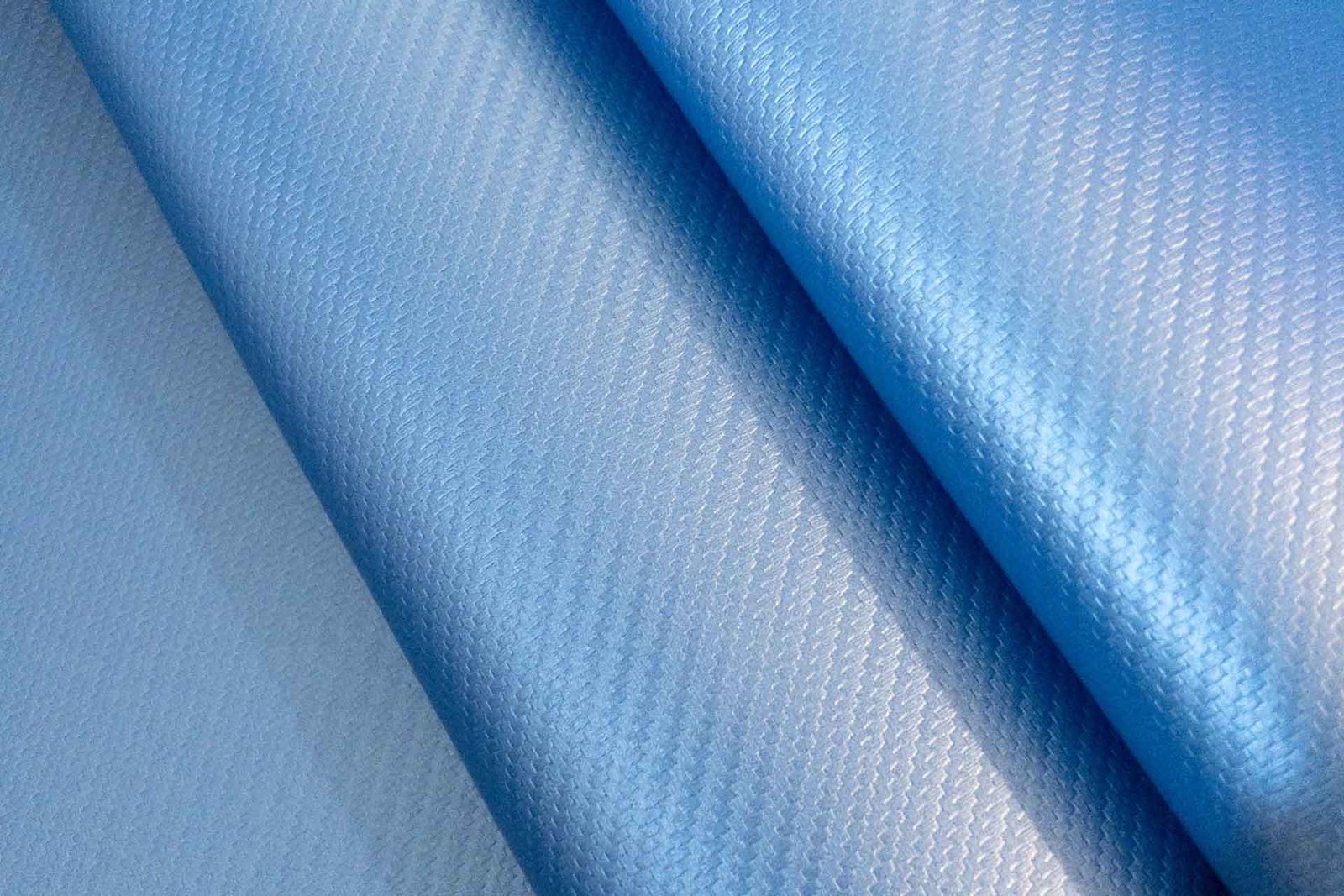
| Vinyl-Coated Polyester | Mooring Covers, Trailering | 100% Waterproof, High Strength | Zero breathability (requires vents); can feel 'plastic-y'. |
| Solution-Dyed Polyester | Budget-Friendly Covers | High Abrasion Resistance | Fades faster than Acrylic in extreme sun. |
4. The Two 'Silent Killers' of Boat Canvas
UV Degradation of Thread: Even the best boat canvas will fall apart if the thread isn't marine-grade. Always ensure your covers are sewn with PTFE (Teflon) thread. Unlike polyester thread, PTFE will not rot or break down in the sun—it often outlasts the fabric itself.
Mildew 'Growth Mediums': Surprisingly, mildew doesn't grow on synthetic canvas; it grows on the dirt and salt trapped in the weave. Frequent rinsing is the secret to a 10-year lifespan.
5. Maintenance Checklist for High-End Marine Fabrics
To keep your marine canvas looking like the day it was installed:
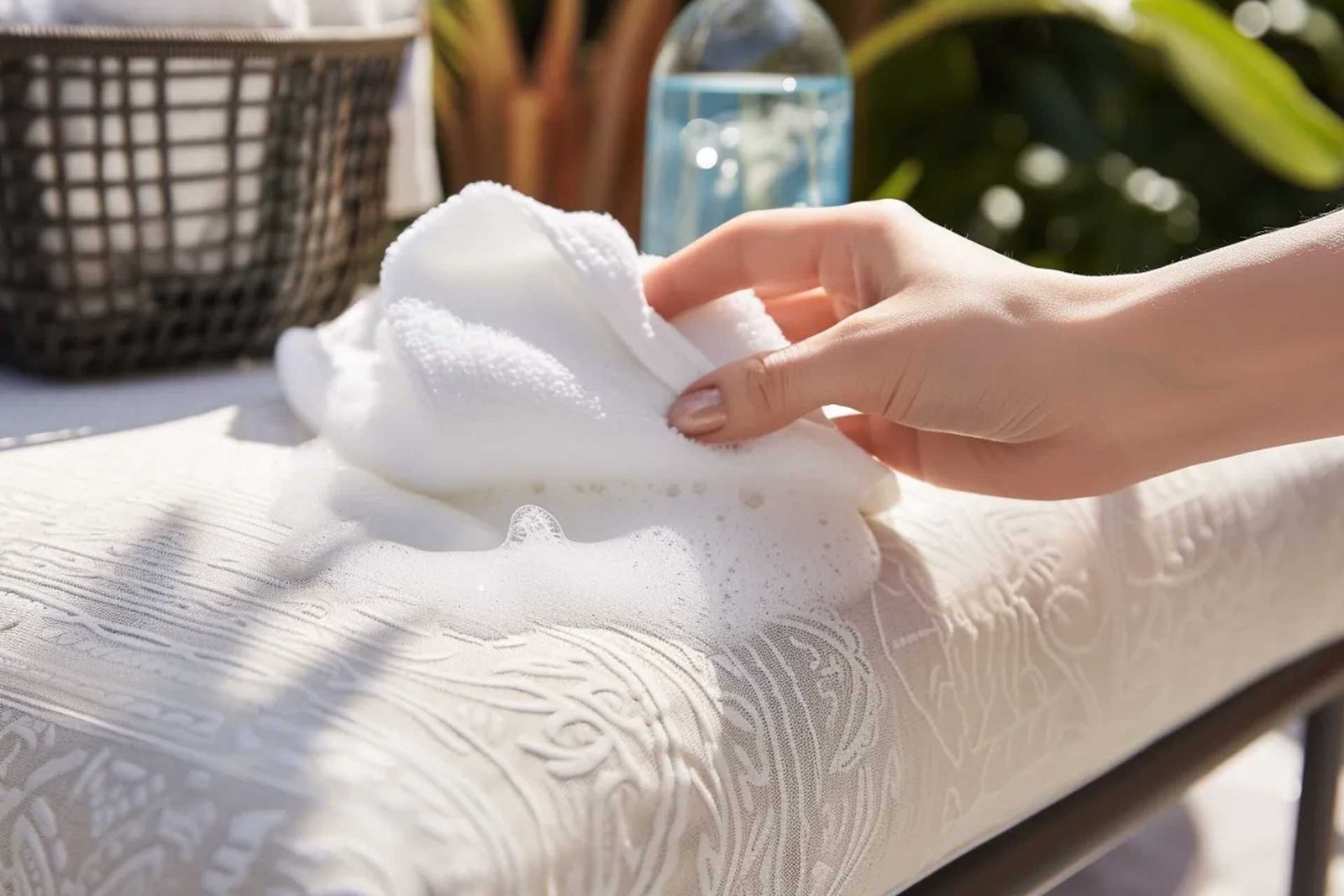
Rinse Weekly: Use fresh water to remove salt crystals that act like sandpaper on the fibers.
Avoid Harsh Detergents: Never use bleach or heavy soaps unless specified. Use a mild, pH-neutral cleaner.
Retreat for Water Repellency: After a few years, even the best acrylic may lose its 'bead.' Use a professional-grade treatment like 303 Fabric Guard to restore its water-shedding properties.
Summary: If you are protecting a high-value asset, do not cut corners on the material. Sunbrella boat canvas offers the best balance of aesthetics and long-term UV protection, while vinyl-coated options are better suited for heavy-duty trailering.