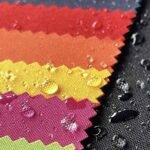
In the world of interior design and fashion, 'Neutral' does not mean 'Boring.' In fact, the most sophisticated palettes of 2026 rely on the subtle textures of natural linen fabric. From the crisp purity of white linen fabric to the earthy, raw appeal of unbleached linen, these tones create a sense of calm and 'Quiet Luxury.'
But not all neutrals are created equal. Choosing between a cool ivory and a warm oatmeal can completely shift the mood of your space or your outfit. Let’s explore the aesthetic nuances of the linen color wheel.
1. The Purity of White Linen Fabric
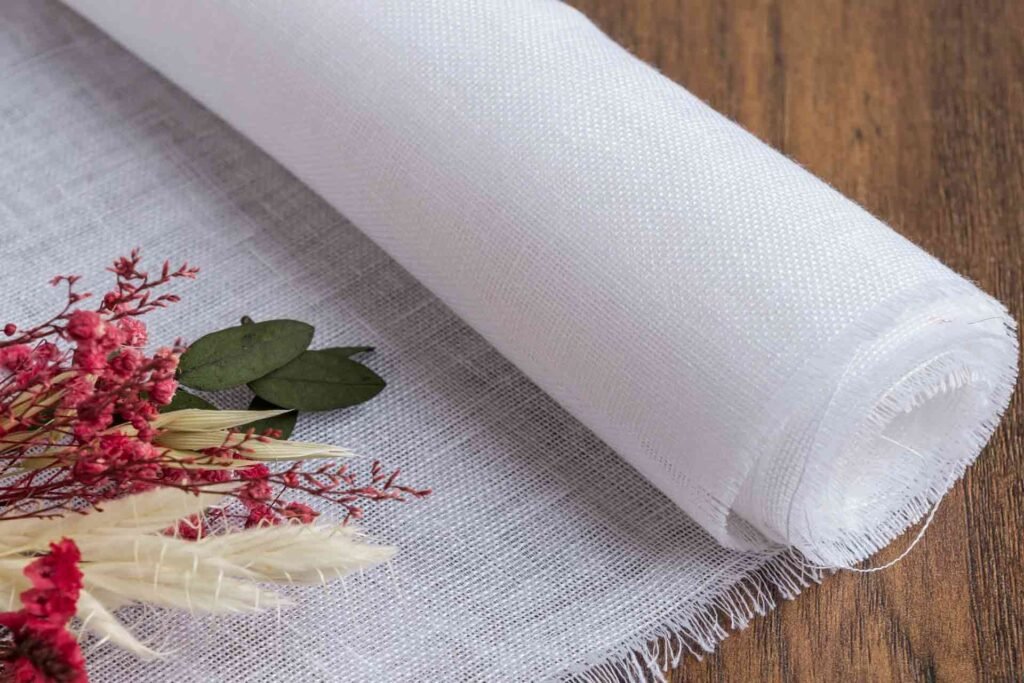
White linen fabric
White linen fabric is the ultimate summer classic. It reflects heat better than any other color and symbolizes cleanliness and elegance.
-
Optic White: Bleached to a brilliant, cool white. Perfect for Mediterranean-style shirts and formal tablecloths.
-
Ivory Linen: A softer, creamier white. Ivory linen is often preferred for bridal wear and traditional home decor because it feels warmer and more 'expensive' than stark white.
-
Design Tip: Use white linen for window treatments to maximize natural light—it diffuses the sun beautifully without darkening the room.
2. The Raw Beauty of Natural & Unbleached Linen
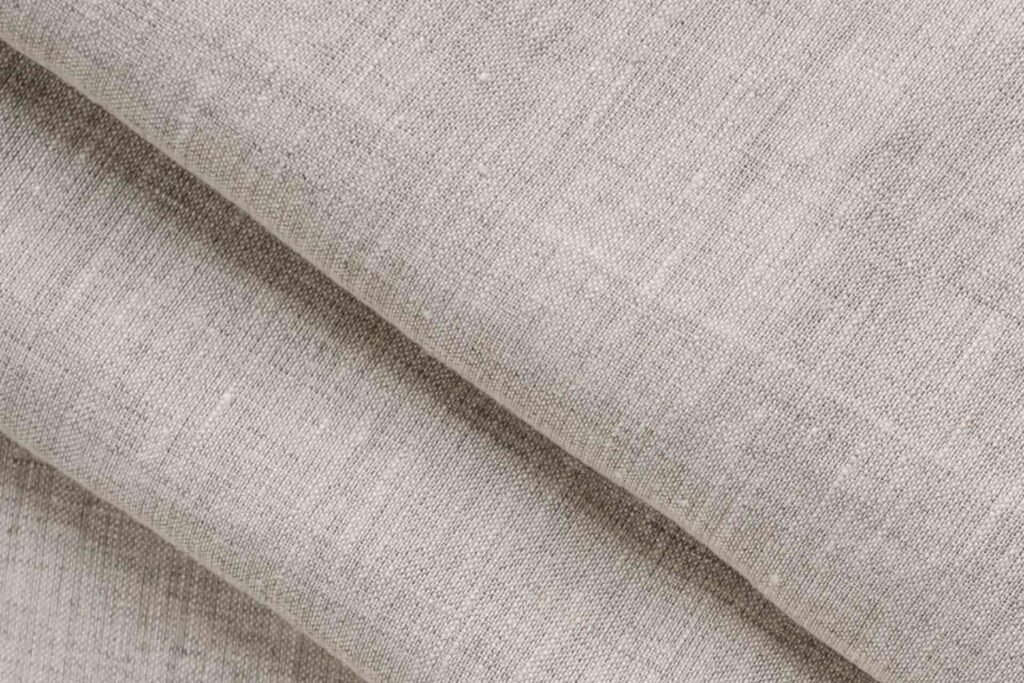
Beige Linen
If you want to embrace the 'Wabi-Sabi' or 'Organic Modern' look, natural linen fabric is your best friend.
-
What is 'Natural'? This is the color of the flax plant itself. Because the color depends on the rain and sun during the 'retting' process, the shade can vary from silver-grey to a warm tan.
-
Unbleached Linen: This fabric has undergone no chemical whitening. It is eco-friendly and features the most prominent 'slubs' and texture.
-
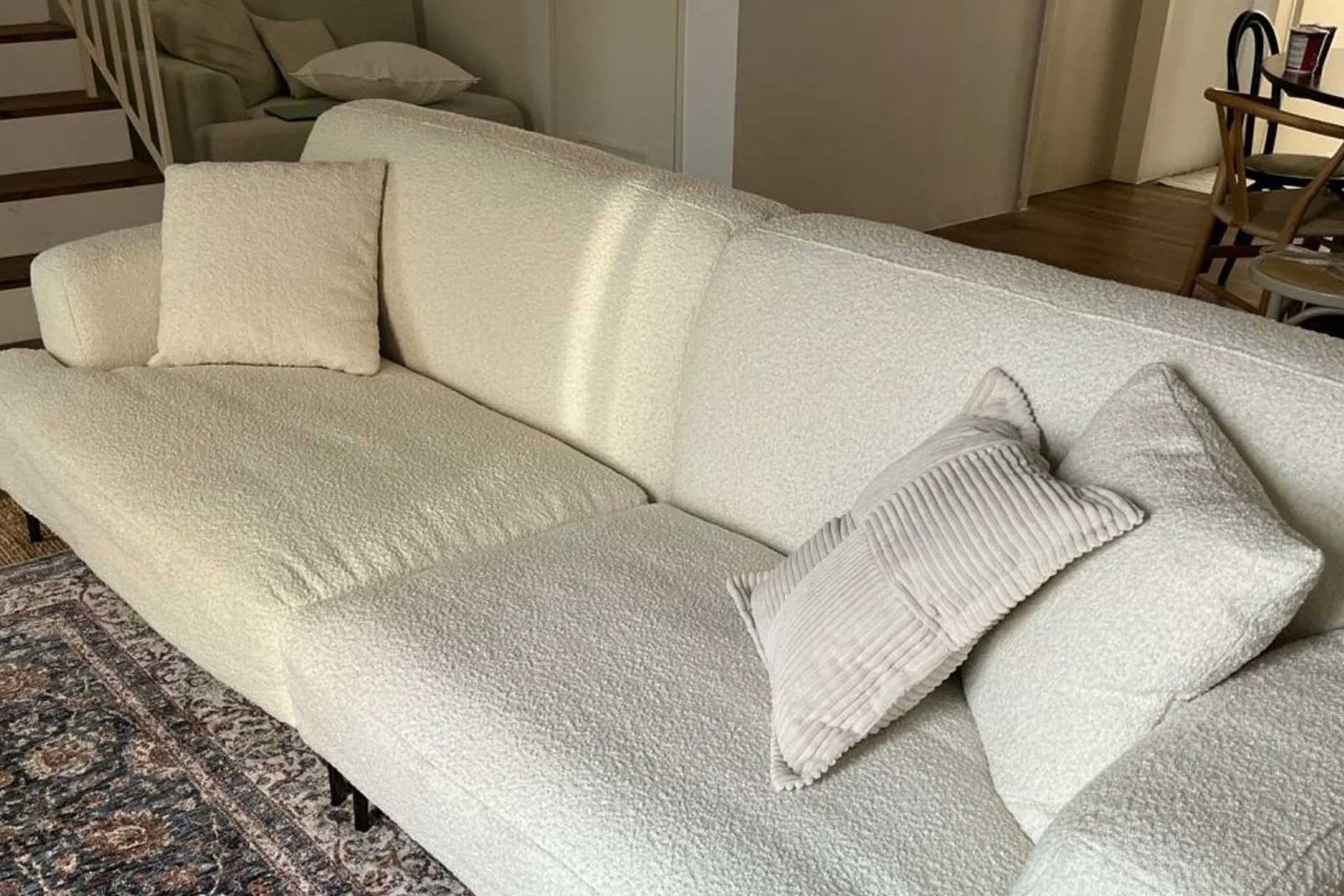
Beige Linen & Oatmeal: These are the 'staples' of the linen world. Beige linen offers a sandy, neutral base that hides dust and wear better than white, making it ideal for sofas and high-traffic apparel.
3. Aesthetics: Crisp White vs. Earthy Raw
| Feature | White / Ivory Linen | Natural / Beige Linen |
| Vibe | Crisp, Fresh, Formal, Airy | Organic, Rustic, Grounded, Relaxed |
| Maintenance | Requires care (bleachable) | Low-maintenance (hides stains) |
| Best For | Summer Suiting, Formal Events | Upholstery, Everyday Wear, Farmhouse Decor |
| Eco Impact | Requires bleaching process | Unbleached linen is the most eco-friendly |
4. Creating a Tonal Palette
The secret to a high-end look is Layering. Instead of using just one shade, mix three or four:
-
Base: Start with beige linen for large surfaces (like a sofa or trousers).
-
Highlight: Add white linen fabric (pillows or a crisp shirt).
-
Depth: Use unbleached linen or oatmeal linen for textured accents (throws or waistcoats).
5. Why Colors Look Different on Linen
Because linen is a highly porous natural fiber, it absorbs light rather than reflecting it. This gives beige linen and ivory linen a 'matte' finish that looks much richer and deeper than synthetic polyester colors.
🛍️ Shop the Neutral Palette
Bring a sense of calm to your next project with our curated collection of classic shades.