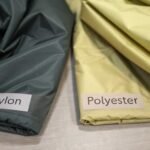
Choosing the right leggings fabric can directly affect comfort, performance, and durability—especially for activities like gym training and yoga.
Two of the most common materials are:
- Nylon spandex
- Polyester spandex
But which one should you actually choose?
👉 This guide gives you a clear, practical comparison, so you can confidently select the right fabric based on your needs.
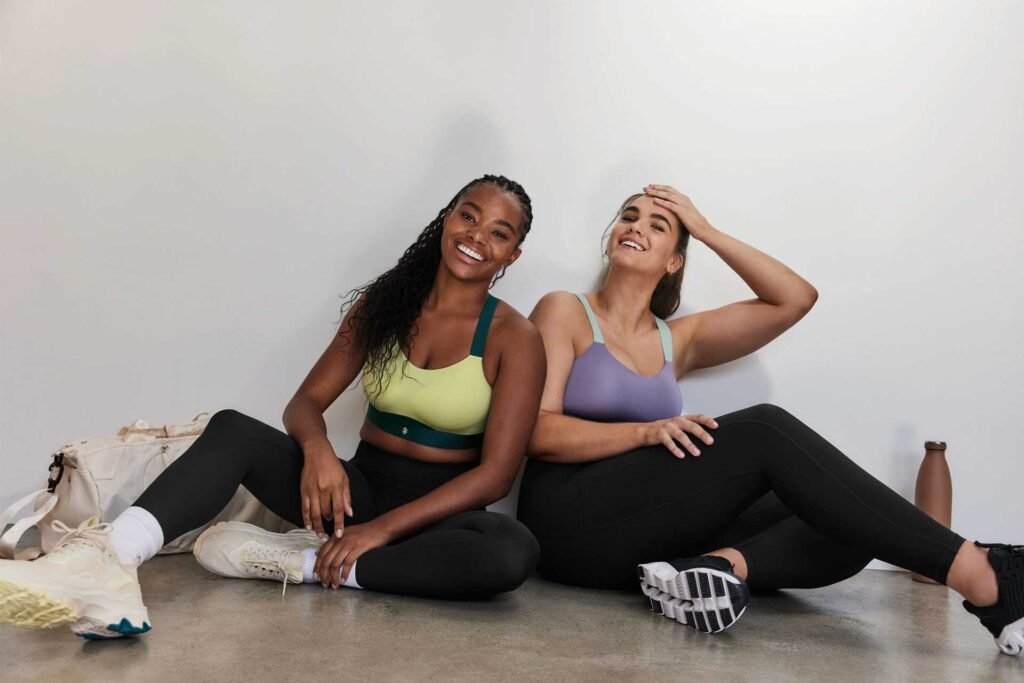
Choosing Between Nylon and Polyester Spandex Leggings
What Are Nylon and Polyester Spandex Fabrics?
Both fabrics are blends that combine:
- A base fiber (nylon or polyester)
- With spandex (elastane) for stretch
Nylon Spandex
- Softer and smoother
- More flexible
- Premium feel
Polyester Spandex
- More durable
- Better moisture-wicking
- More affordable
👉 Key difference:
Nylon focuses on comfort, while polyester focuses on performance and durability.
CrossFit vs Yoga: Different Fabric Needs
Your activity determines the best fabric choice.
For CrossFit / High-Intensity Training
You need:
- Durability
- Sweat management
- Resistance to friction
👉 Best choice: Polyester spandex
For Yoga / Low-Impact Activities
You need:
- Softness
- Flexibility
- Comfort against skin
👉 Best choice: Nylon spandex
👉 Simple rule:
High intensity → polyester
Low intensity → nylon
Nylon vs Polyester Leggings: Full Comparison
1. Comfort
- Nylon → softer, smoother
- Polyester → slightly rougher
👉 Winner: Nylon
2. Durability
- Nylon → moderate durability
- Polyester → highly durable
👉 Winner: Polyester
3. Moisture-Wicking
- Nylon → absorbs moisture
- Polyester → wicks moisture away
👉 Winner: Polyester
4. Odor Resistance
- Nylon → may retain odor
- Polyester → also retains odor but dries faster
👉 Slight edge: Polyester
5. Pilling Resistance
- Nylon → more prone to pilling
- Polyester → better resistance
👉 Winner: Polyester
6. Appearance & Feel
- Nylon → premium, matte finish
- Polyester → more synthetic look
👉 Winner: Nylon
Common Problems with Leggings Fabrics
Understanding real-world issues helps avoid bad purchases.
❌ Pilling
- Common in lower-quality nylon
- Happens in high-friction areas
❌ Odor Build-Up
- Both fabrics can trap odor
- Worse in low-quality polyester
❌ See-Through Fabric
- Caused by low fabric weight (GSM)
- Not just material type
👉 Tip:
Always check fabric thickness and stretch test before buying.
Best Fabric Composition for Leggings
Fabric blend ratio matters more than people think.
Recommended Blends
- 80% nylon / 20% spandex → best for yoga & comfort
- 90% polyester / 10% spandex → best for training & durability
- 75% nylon / 25% spandex → extra stretch (fashion leggings)
👉 Key insight:
More spandex = more stretch, but slightly less durability.
Which Fabric Should You Choose?
Here’s the part most users are looking for👇
✔ Choose Nylon Spandex If:
- You prioritize comfort and softness
- You do yoga or light workouts
- You want a premium feel
✔ Choose Polyester Spandex If:
- You do intense workouts (CrossFit, gym)
- You need durability and sweat performance
- You want a more cost-effective option
✔ Choose Blended Options If:
- You need a balance of comfort and durability
- You design multi-purpose activewear
👉 Simple decision rule:
- Comfort → Nylon
- Performance → Polyester
Industry Insight: What Most Buyers Don’t Know
This is where fabric sourcing becomes important.
1. Fabric Quality Varies a Lot
Low-cost leggings often use:
- Lower-grade fibers
- Poor finishing
👉 Result: faster wear, odor issues
2. Nylon Is Usually More Expensive
- Better hand feel
- Higher perceived value
3. Polyester Is More Stable for Bulk Production
- Consistent performance
- Better for large-scale manufacturing
👉 Key takeaway:
Material choice should match both product positioning and budget.
Buyer Tips: How to Choose the Right Leggings Fabric
✔ Check Fabric Weight (GSM)
Higher GSM = better coverage and durability
✔ Test Stretch & Recovery
Good fabric should:
- Stretch easily
- Return to original shape
✔ Request Samples
Never rely on product photos alone.
Final Verdict
👉 Both nylon and polyester spandex fabrics are excellent—but for different purposes.
- Nylon → best for comfort and premium feel
- Polyester → best for durability and performance
👉 The best fabric is the one that matches your use case.
Looking for High-Quality Leggings Fabric?
If you are sourcing nylon spandex or polyester spandex fabric, we can help you select the right material based on your product needs.
We offer:
- Multiple blend options
- Consistent quality for bulk production
- Competitive pricing for global buyers
Contact us today to request samples or get expert recommendations.