Polyester Spandex Ratio Guide
If you’ve ever put on a pair of leggings that felt like a second skin, or a gym shirt that moved perfectly with your body, you’ve experienced the magic of polyester spandex fabric.
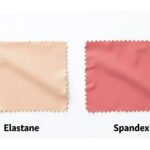
While polyester provides the structure, spandex (also known as Elastane or Lycra) provides the 'bounce.' But not all stretch fabrics are created equal. The ratio of these two fibers completely changes how a garment feels, breathes, and lasts.
1. What is Polyester Spandex Fabric?
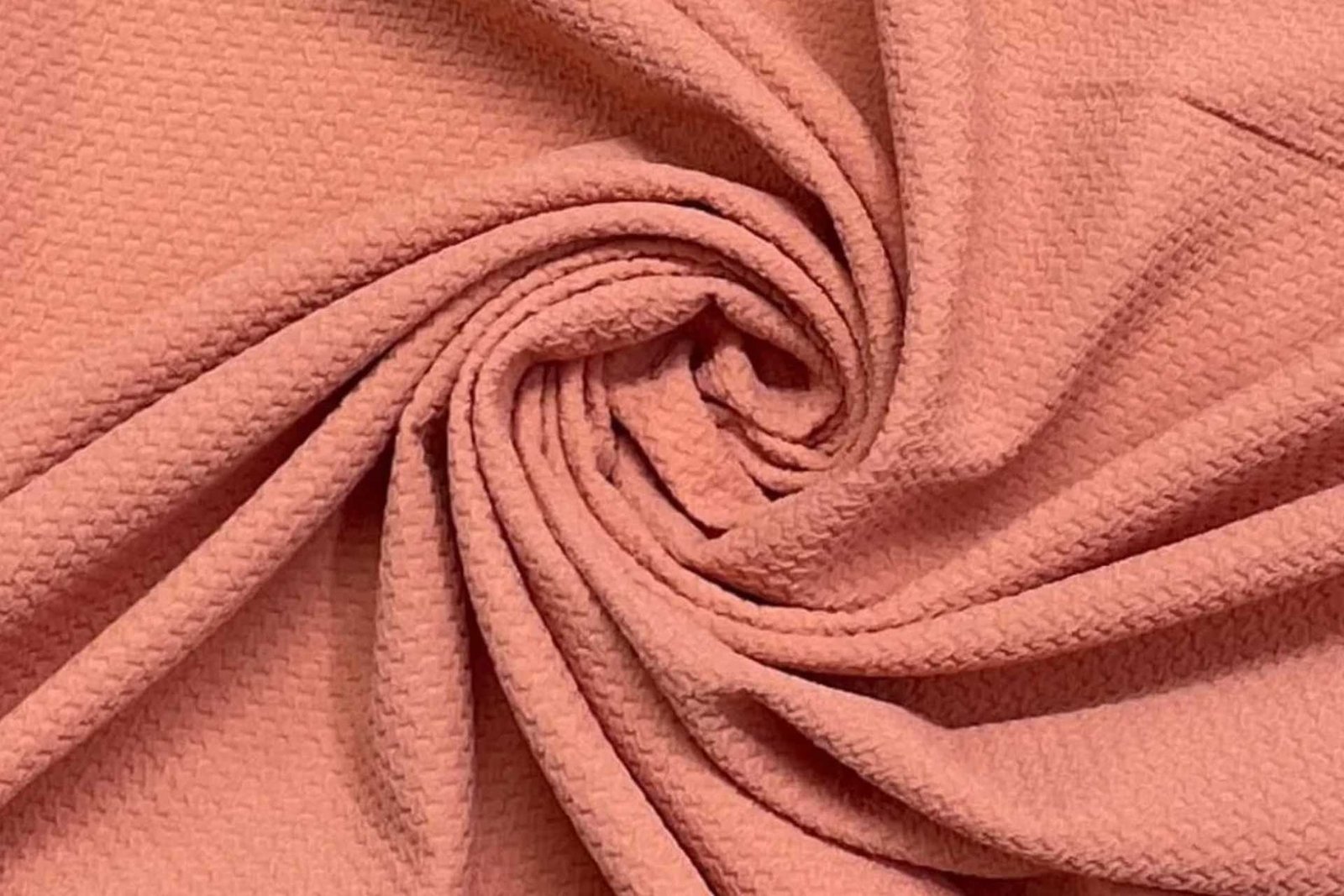
Polyester spandex fabric is a synthetic blend designed to combine the durability of polyester with the incredible elasticity of spandex. Spandex can stretch up to 500% to 800% of its original length and snap back instantly.
When woven together, you get a stretchy polyester that is:
-
Form-fitting: Contours to the body without sagging.
-
Wrinkle-resistant: Keeps a smooth look even after hours of wear.
-
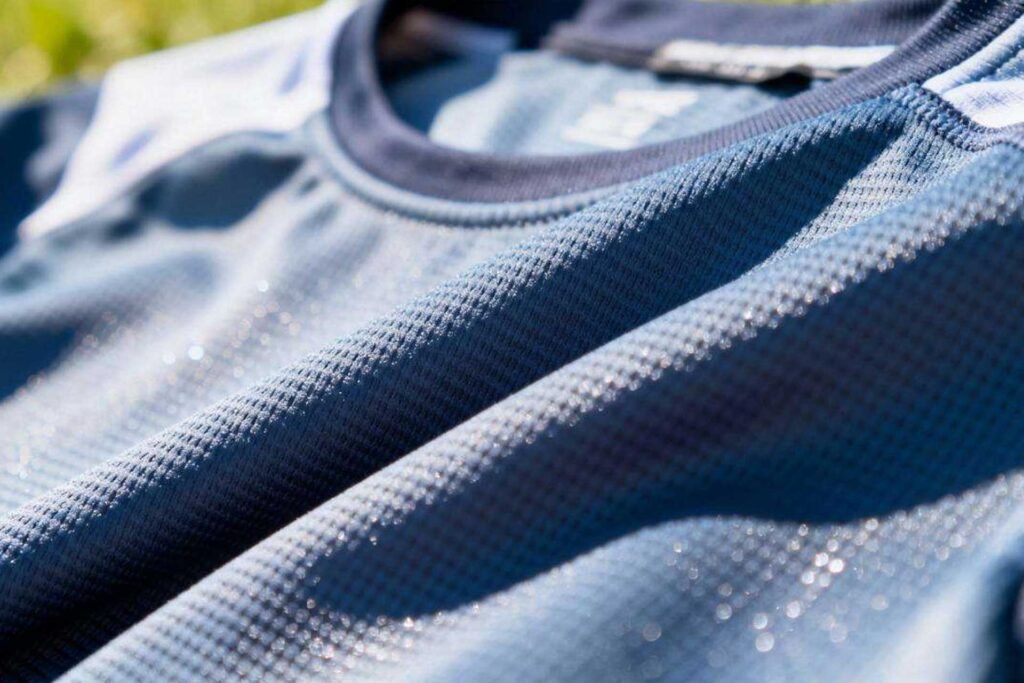
Moisture-wicking: Ideal for pulling sweat away from the skin.
2. The Golden Ratio: Decoding '95 Polyester 5 Spandex'
The most common blend you will see on clothing labels is 95 polyester 5 spandex. Why is this specific ratio so popular?
Why 5% Spandex?
-
The Comfort Factor: This ratio provides 'comfort stretch.' It allows a garment (like a t-shirt or a dress) to have a bit of give, making it easier to move in than 100% rigid polyester.
-
Shape Retention: The 5% spandex acts like a rubber band, pulling the polyester fibers back into place so the knees of your pants or the neck of your shirt don't get 'baggy' over time.
-
Breathability: Because the majority of the fabric is still polyester, it remains relatively lightweight and breathable for casual daily wear.
Best for: Casual t-shirts, summer dresses, light hoodies, and lounge pants.
3. High-Performance Ratios (10% to 25% Spandex)
When you move into specialized gear, the spandex content increases significantly.
-
88/12 or 90/10 Blends: These provide 'compression.' They hug the muscles tightly and are standard for high-intensity gym wear and sports bras.
-
80/20 Blends: Frequently used in swimwear and professional cycling gear. This high spandex content is necessary for fabrics that must maintain a tight fit even when heavy with water.
4. Understanding 2-Way vs. 4-Way Stretch
When shopping for stretchy polyester, the 'stretch direction' is just as important as the percentage:
-
2-Way Stretch: The fabric stretches in one direction (usually from selvage to selvage). Good for simple garments like skirts.
-
4-Way Stretch: The fabric stretches both crosswise and lengthwise. This is essential for activewear, as it allows for total freedom of movement (squats, lunges, and reaches).
5. Care Guide: Keeping the Snap in Your Stretch
The biggest enemy of spandex is heat. To keep your polyester spandex fabric from losing its elasticity (becoming 'stretched out'), follow these rules:
-
Wash Cold: High temperatures break down the elastic fibers.
-
Skip the Dryer: Air drying is best. If you must use a dryer, use the lowest heat setting possible.
-
No Bleach or Fabric Softener: These chemicals can coat or damage the spandex filaments, reducing their ability to snap back.
Summary
Choosing the right stretchy polyester depends on your goal.
-
Need a comfortable everyday top? Look for 95 polyester 5 spandex.
-
Need high-compression gym leggings? Aim for 10% to 15% spandex.
By checking the ratio, you can predict exactly how a garment will perform before you even try it on.