
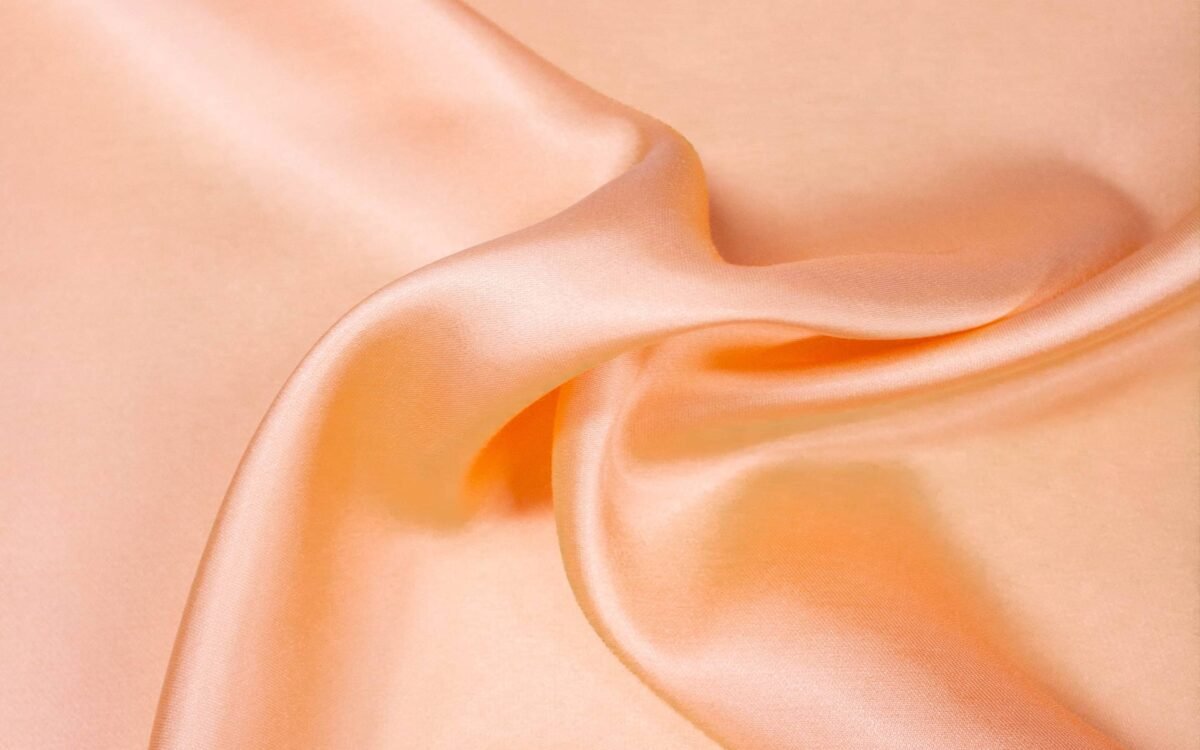
Understanding Viscose Weaves: From Satin to Jersey and Chiffon
Discover how weave construction changes the feel of viscose. From the luxury of viscose satin to the stretch of jersey and the airiness of chiffon, find the perfect texture for your project.
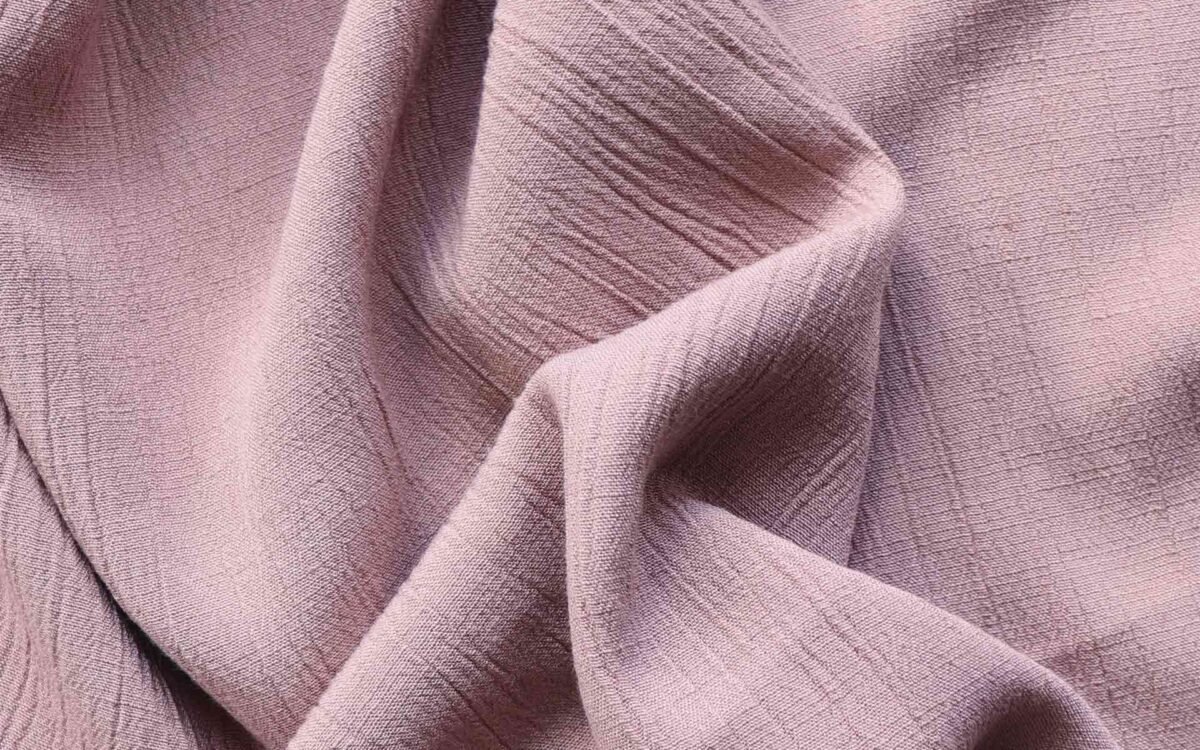
Viscose Blends: The Benefits of Linen-Viscose and Cotton-Viscose Fabrics
Discover why viscose blends dominate the fashion industry. From wrinkle-resistant linen-viscose to durable poly-viscose (TR) for suits, learn the benefits of these commercial textile powerhouses.
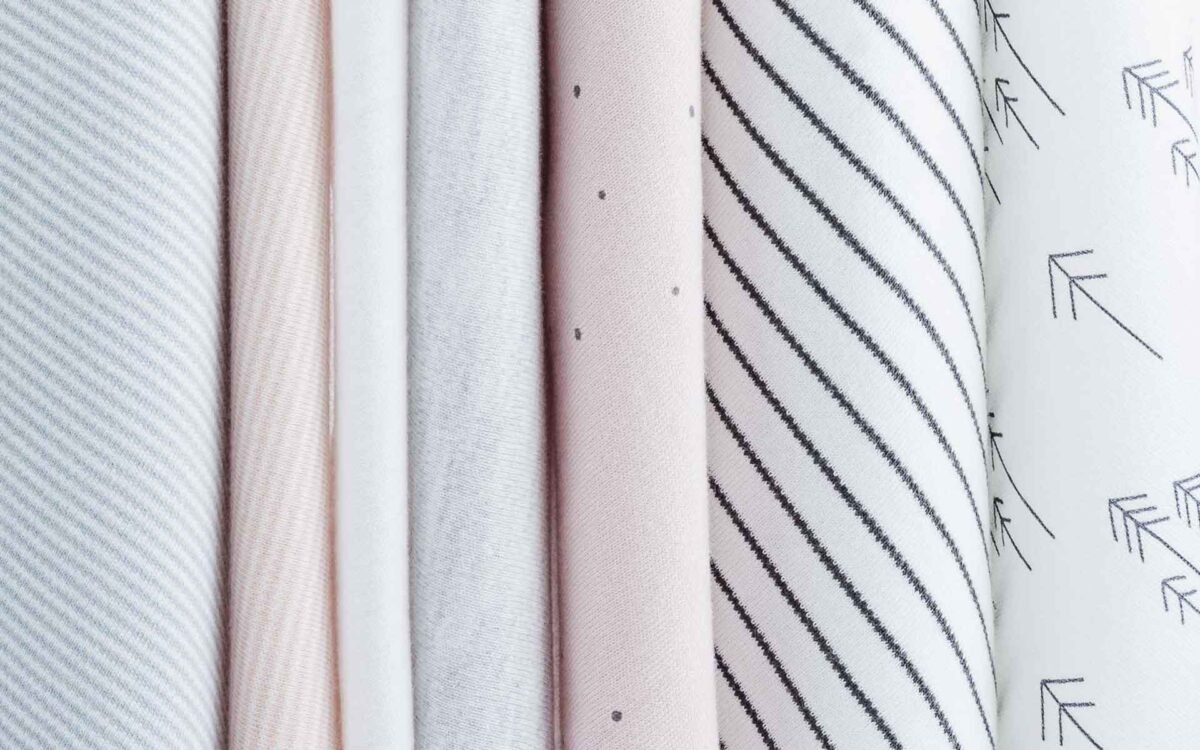
The Truth About Bamboo Viscose: Is it Really Eco-Friendly?
Explore the benefits of bamboo viscose fiber. From its legendary softness to its natural breathability, discover why bamboo rayon fabric is the top choice for bedding and intimates in 2026.
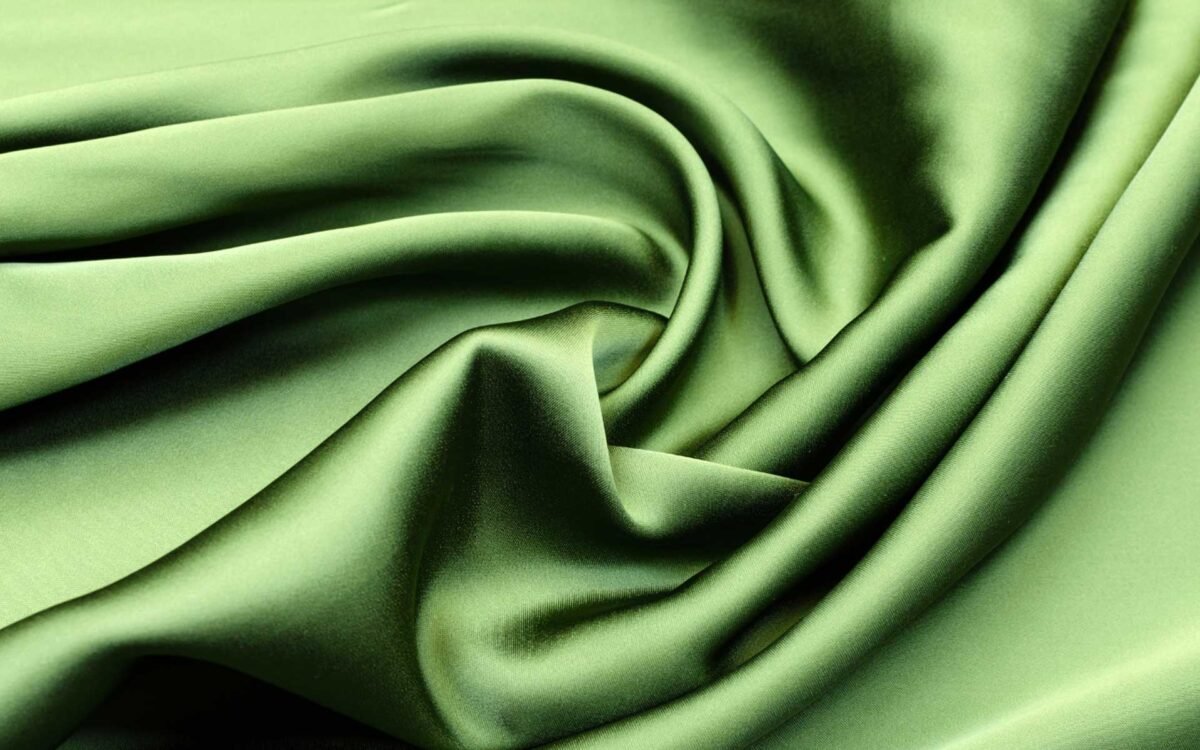
Sustainability in Textiles: Understanding Lenzing™ EcoVero™ vs Traditional Viscose
Not all viscose fibers are sustainable. This article takes an in-depth look at two of the fashion industry’s standout fibers in 2026—Lenzing™ EcoVero™ and Livaeco™—and explores how closed-loop production processes are redefining sustainable fashion.
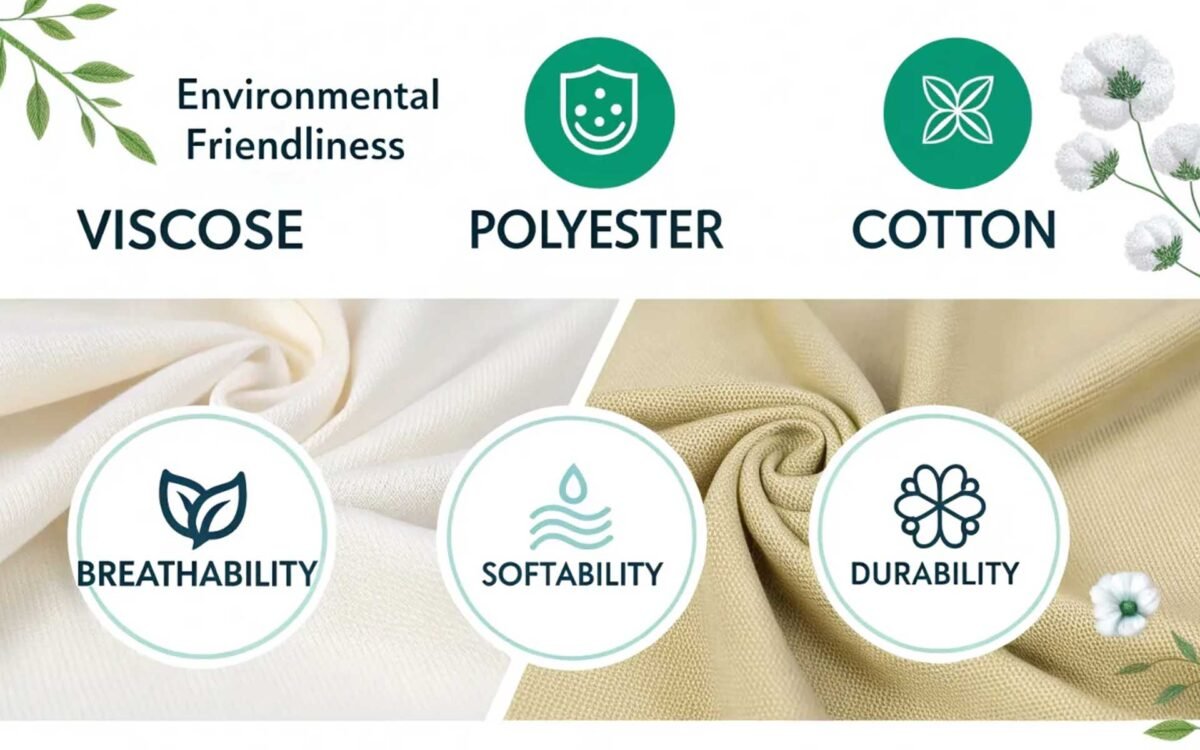
Viscose vs Polyester vs Cotton: How to Choose the Right Fabric
When faced with viscose, polyester, and cotton, how should you choose? This article provides a side-by-side comparison of breathability, drape, and durability, revealing the unique advantages of viscose and how it differs from other common fabrics.
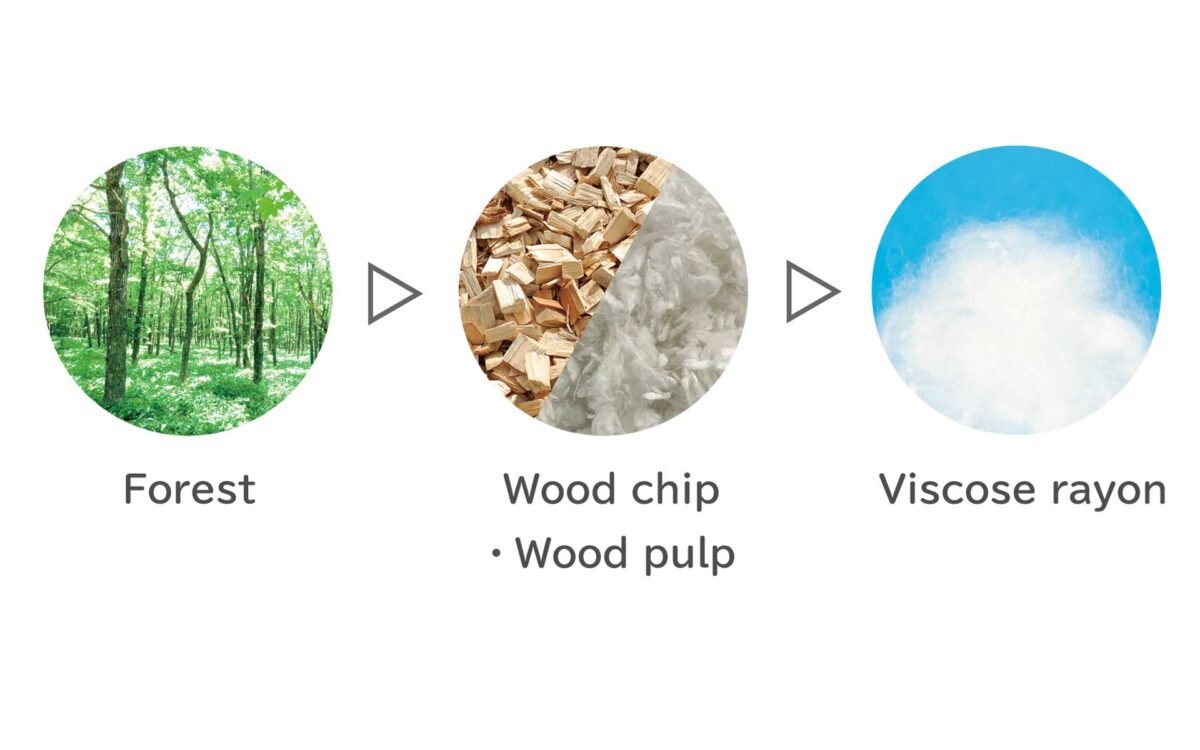
What Is Viscose Fabric? Complete Guide to Rayon Textile Materials & Sustainability
Viscose Is One of the Most Common Fabrics — But Also One of the Most Misunderstood Viscose fabric is widely used in clothing, bedding, and upholstery, often praised for its softness and silk-like feel. But what many people don’t realize is: 👉 Viscose is not a simple natural fabric — it is part of a larger fiber system called rayon (man-made cellulosic fibers). This means its performance, feel, and environmental impact depend heavily on how it is produced.
The Future of Repreve: Is Recycled Polyester Actually Sustainable?
A deep dive into the circular economy of rPET. We evaluate the carbon footprint of Repreve polyester, the reality of microplastics, and the emerging technologies behind biodegradable synthetic fibers.
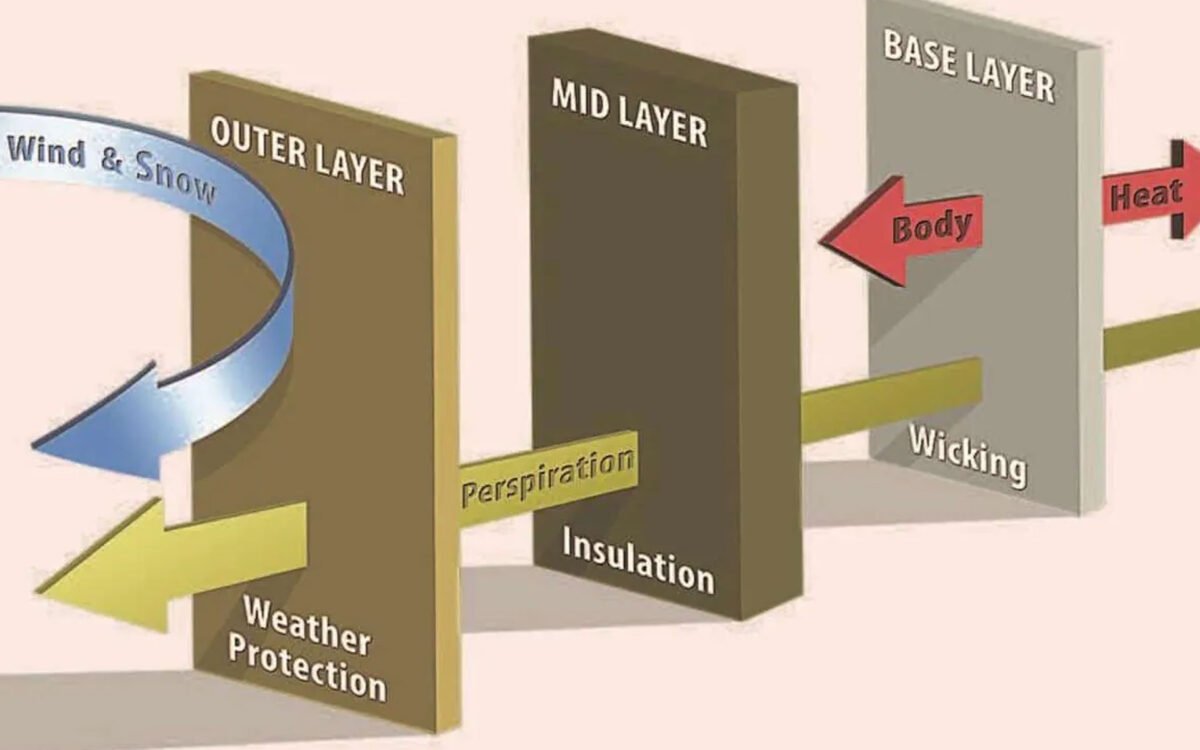
Can You Wear Polyester in Winter? Warmth and Insulation Explained
Can you wear polyester in winter? Discover why polyester fleece is the ultimate insulator, how poly polar fleece keeps you warm, and why it outperforms wool in damp conditions.
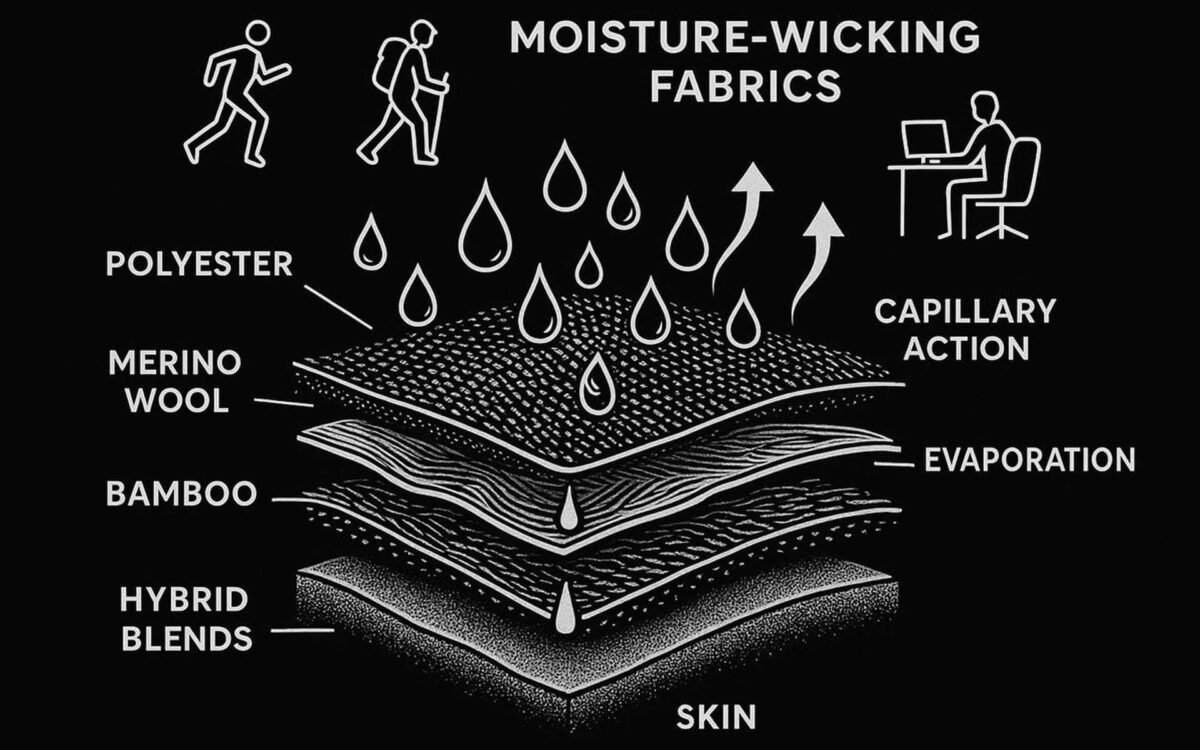
Is Polyester Bad for Skin? Exploring Breathability and Sensitivity
Is polyester bad for skin? Learn the truth about synthetic fabric sensitivity, contact dermatitis, and how moisture-wicking technology makes polyester breathable and safe.
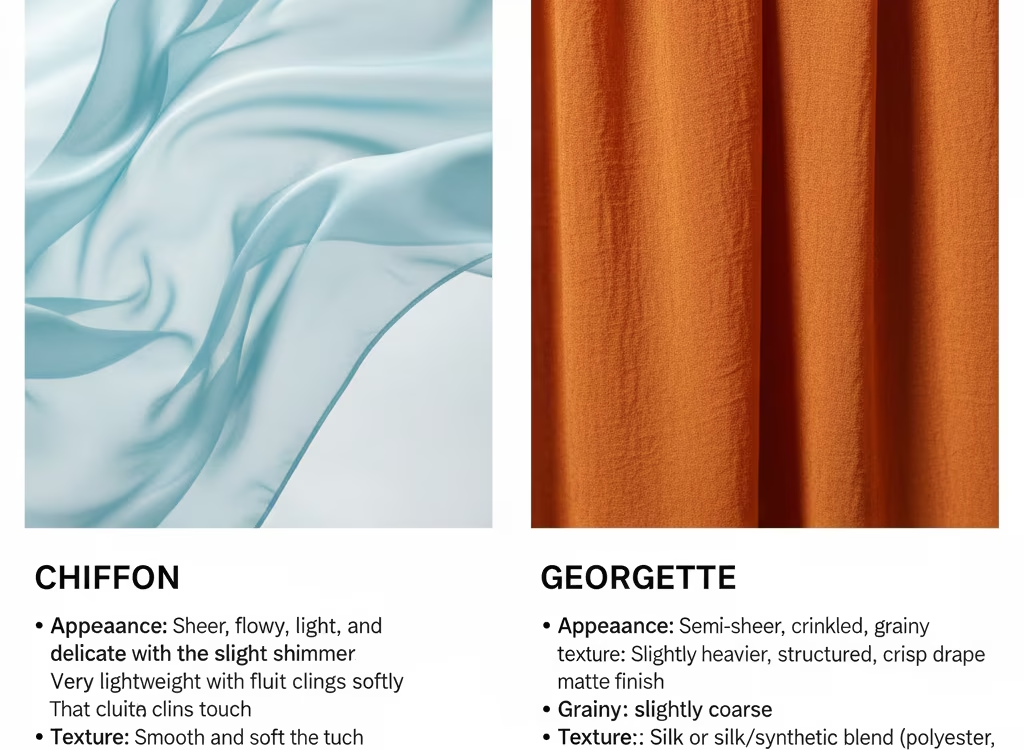
The Luxury Side of Synthetics: Polyester Satin and Chiffon Fabric
Can polyester replace silk? Explore the luxury side of synthetics with our guide to polyester satin, chiffon, and georgette. High-end looks with machine-washable ease.
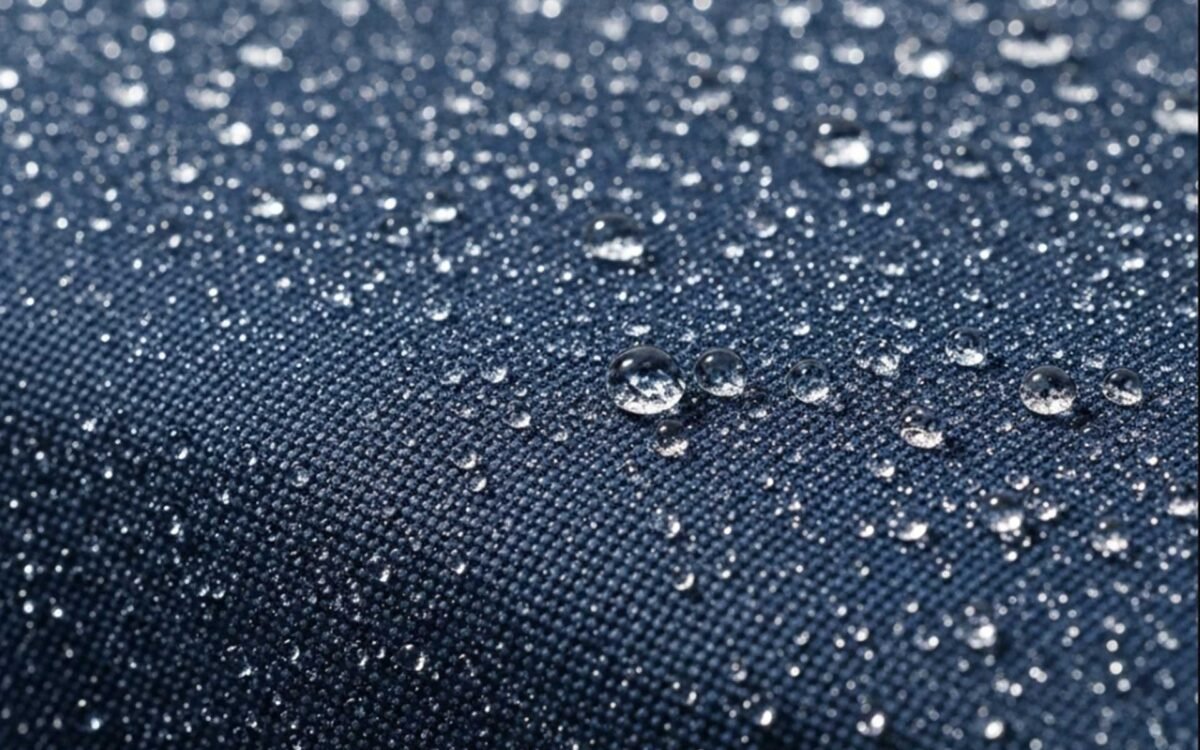
Why Polyester is the King of Upholstery and Outdoor Fabrics
Discover why polyester is the ultimate choice for upholstery and outdoor furniture. Learn about waterproof polyester fabric, PVC coatings, and UV resistance for your patio.
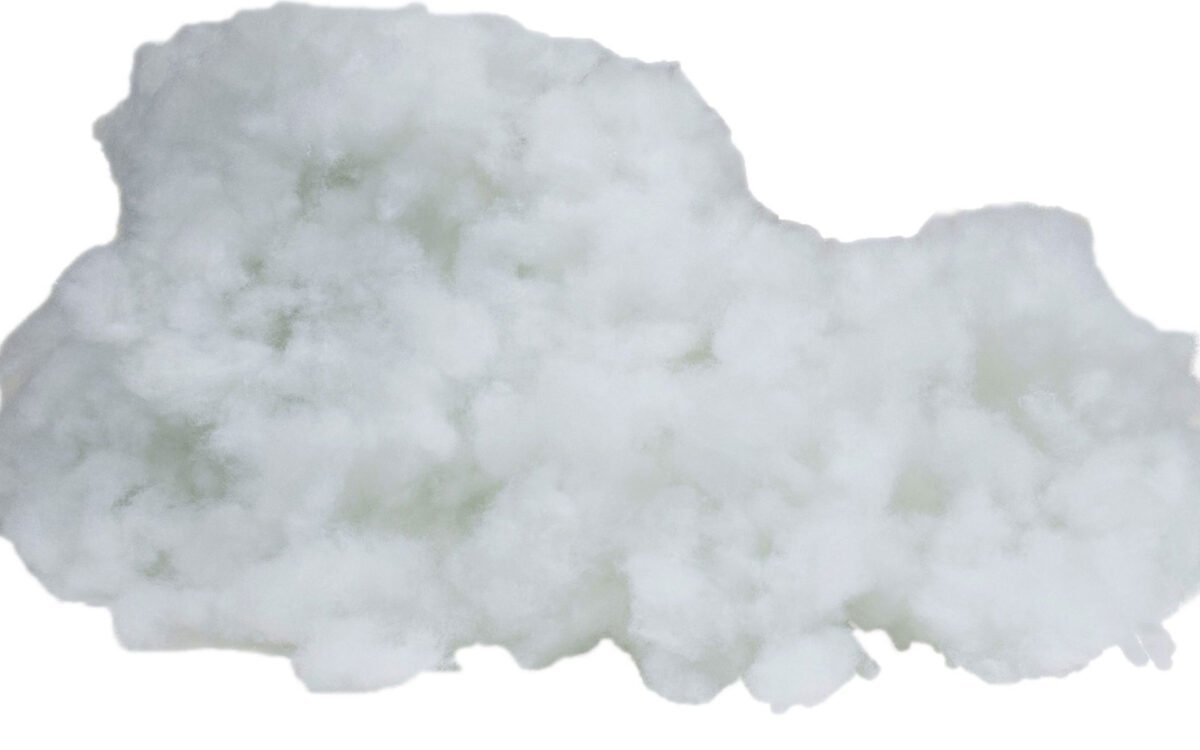
Polyester Batting & Fiberfill: The Best Stuffing for Quilts and Pillows
Choosing the best polyester fiberfill and batting for your project. Learn about loft, how to use upholstery batting, and the best way to restuff pillows and sofas.
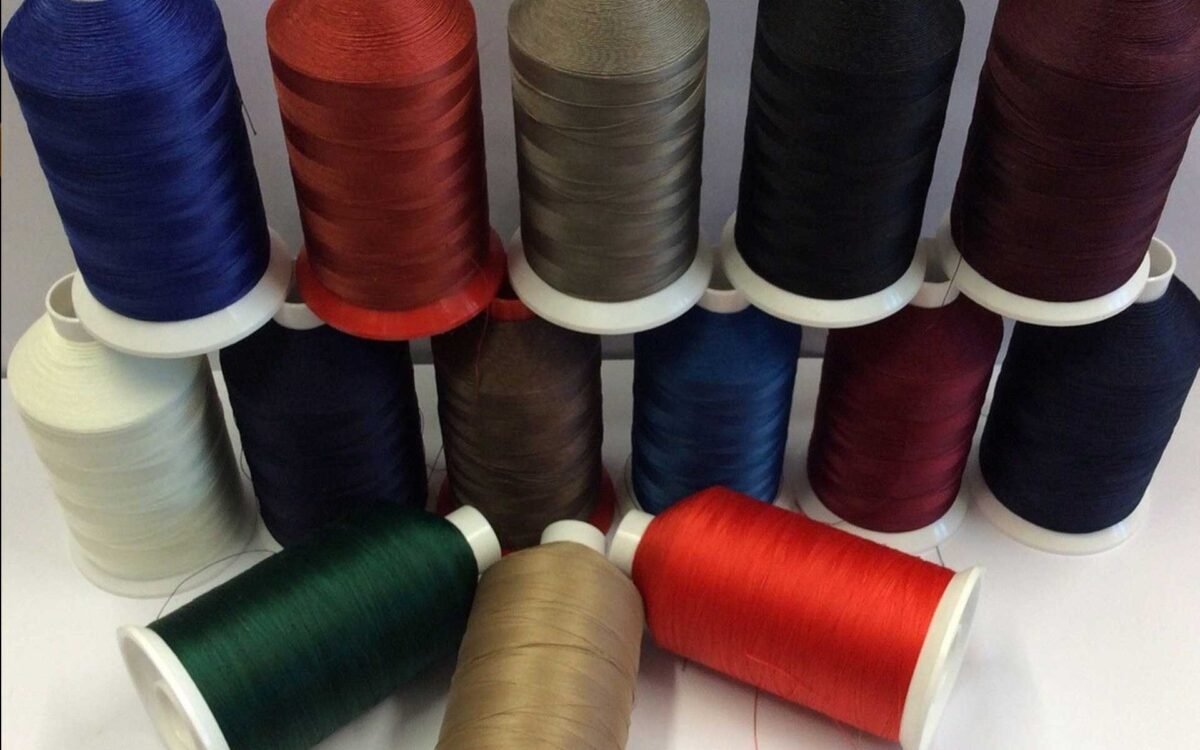
Choosing the Right Thread: Spun Poly vs. Bonded Polyester Thread
Spun poly vs. bonded polyester thread: what's the difference? Learn which polyester thread is best for your sewing project, from apparel to heavy-duty outdoor gear.
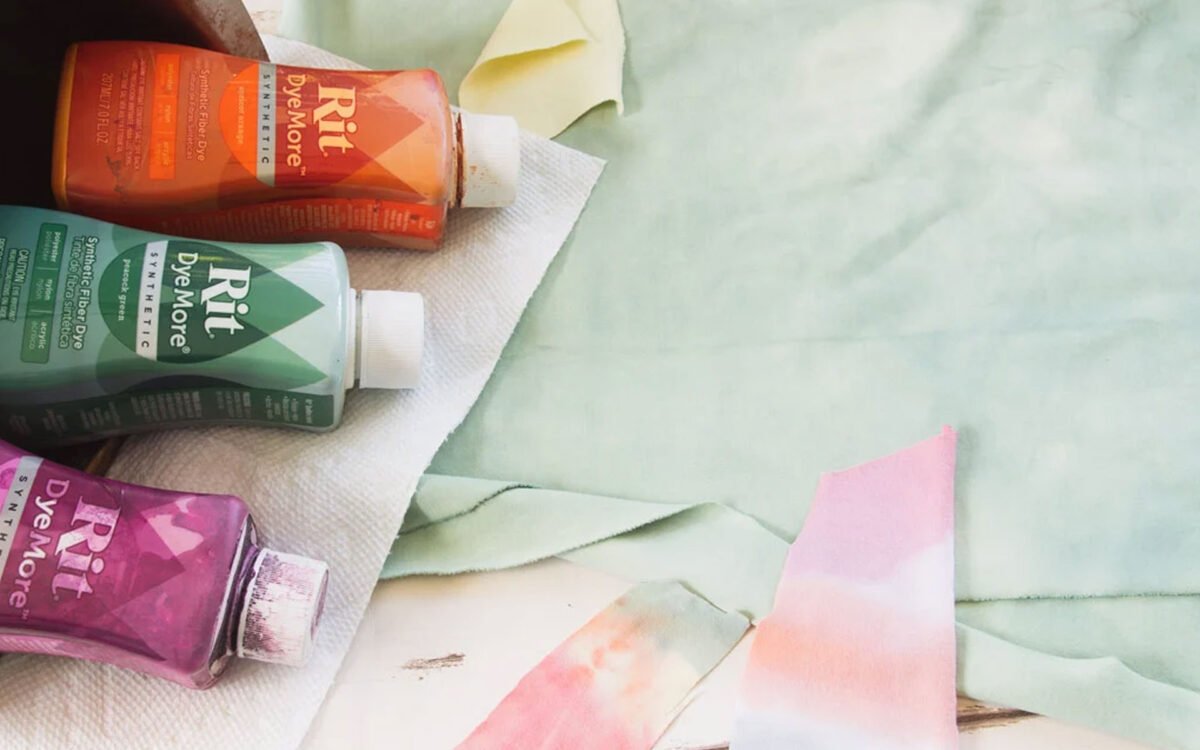
The Ultimate Guide to Dyeing Polyester: How to Use Rit DyeMore for Vibrant, Permanent Color
This complete guide explains how to successfully dye polyester using Rit DyeMore for Synthetics. Learn the science behind disperse dyes, why high heat is essential, and follow a step-by-step stovetop method to achieve vibrant, permanent color on 100% polyester and blended fabrics. Includes troubleshooting tips and advanced color-mixing advice for creators.
Polyester and Elastane: The Secret to Stretchable Clothing
Why is polyester and elastane the perfect duo for activewear? Discover the science of 95/5 poly-elastane blends, how "Poly Lycra" works, and why stretch is essential for yoga and gym gear.
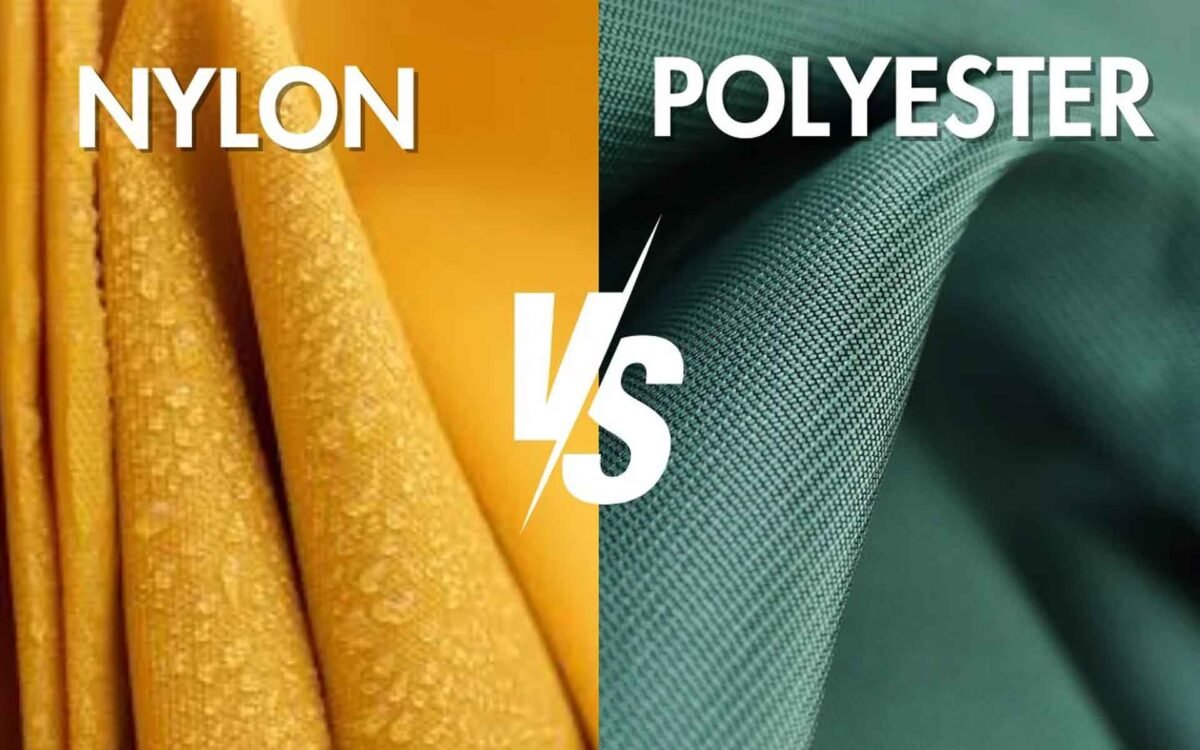
Nylon vs Polyester: The Battle of Synthetic Fibers for Activewear
Nylon vs Polyester: Which synthetic fiber wins for activewear? Compare strength, waterproofing, and feel for outdoor gear and sports apparel.
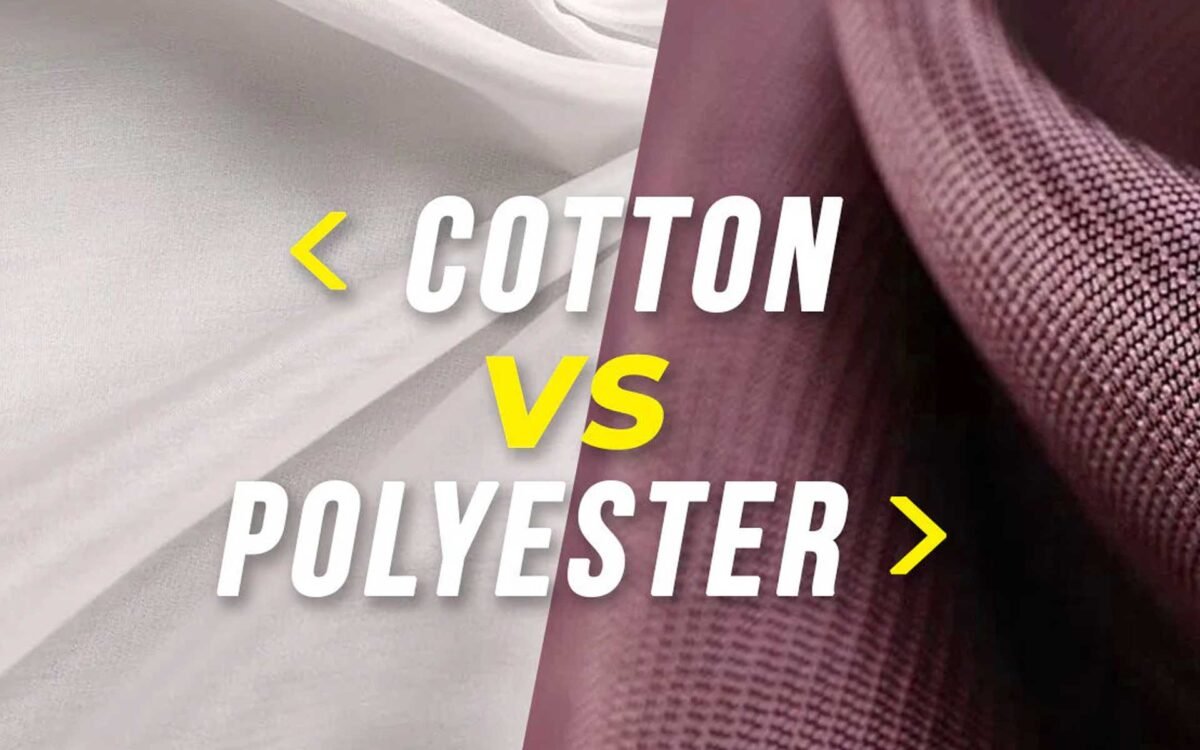
Polyester vs Cotton: Which Fabric Should You Choose for 2026?
Polyester vs. Cotton: Which is better for your project in 2026? Compare breathability, durability, and cost. Plus, why 65/35 poly-cotton blends are the ultimate industry secret.
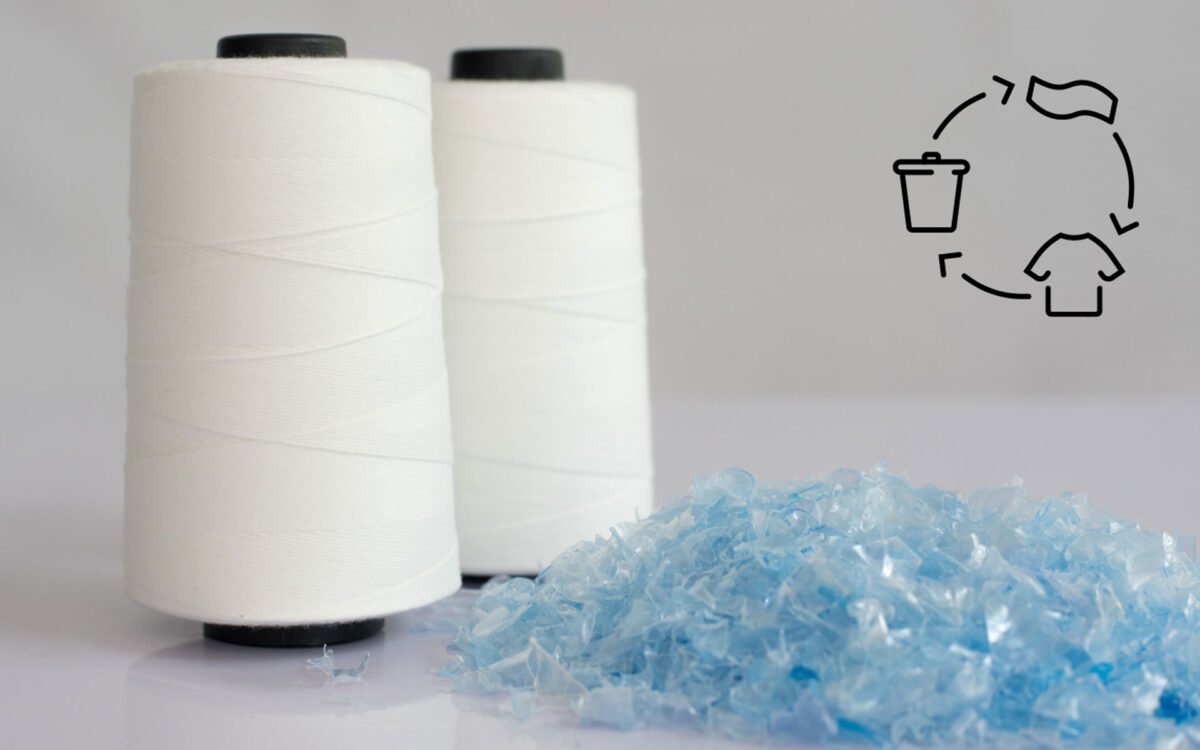
Is Polyester Plastic? Unmasking the Truth Behind Your Clothes
Is polyester plastic? The short answer is yes. Discover the science behind synthetic fibers, how your clothes are made from recycled bottles, and what that means for the planet.
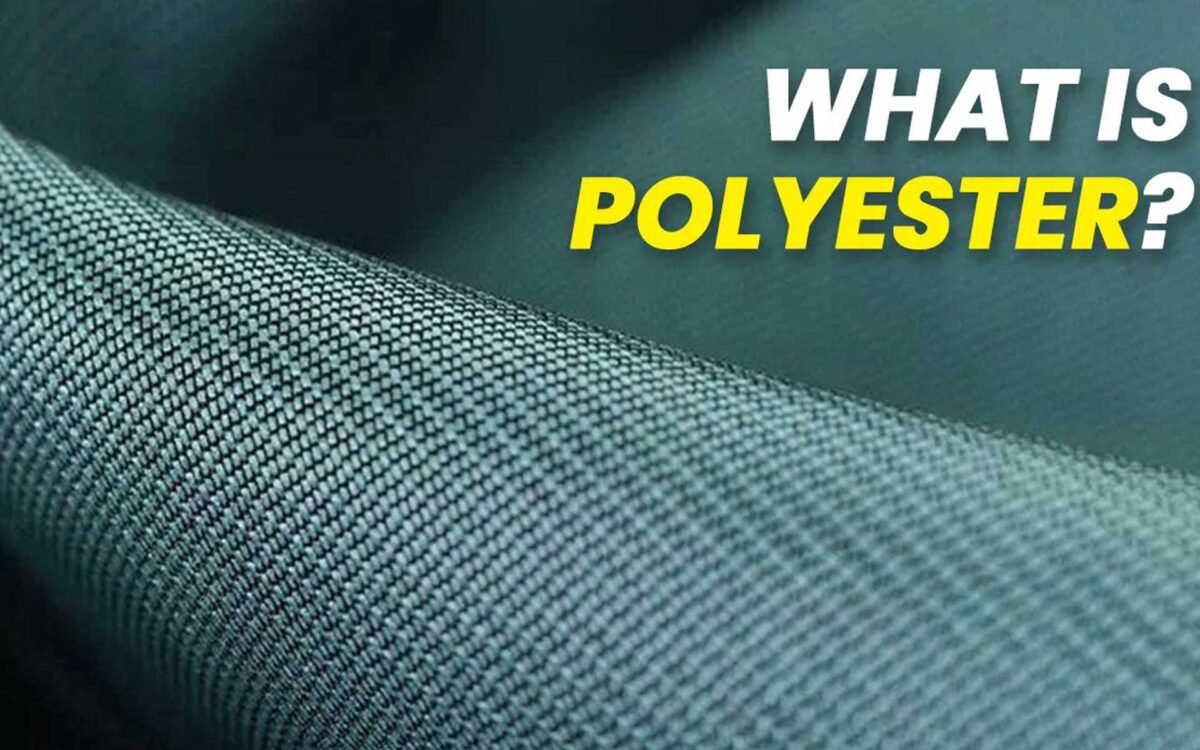
What is Polyester? The Complete Guide to Poly Fabric & PET
What is polyester? Our complete guide covers everything from the chemical structure of Polyethylene Terephthalate (PET) to the manufacturing process of poly fabric.
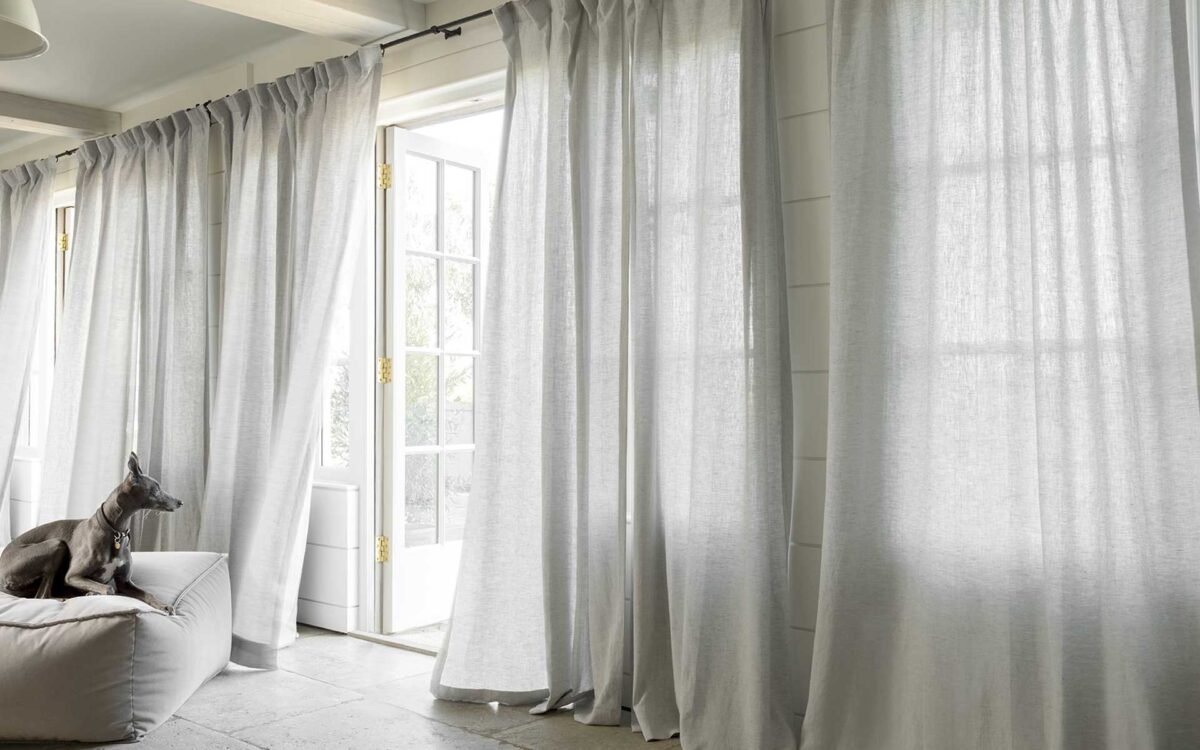
Modern Window Treatments: Why Linen Drapery is the Best Choice
Elevate your home with modern linen drapery. Discover how sheer linen fabric improves natural lighting while maintaining privacy. Guide to choosing extra wide linen fabric for seamless window treatments.
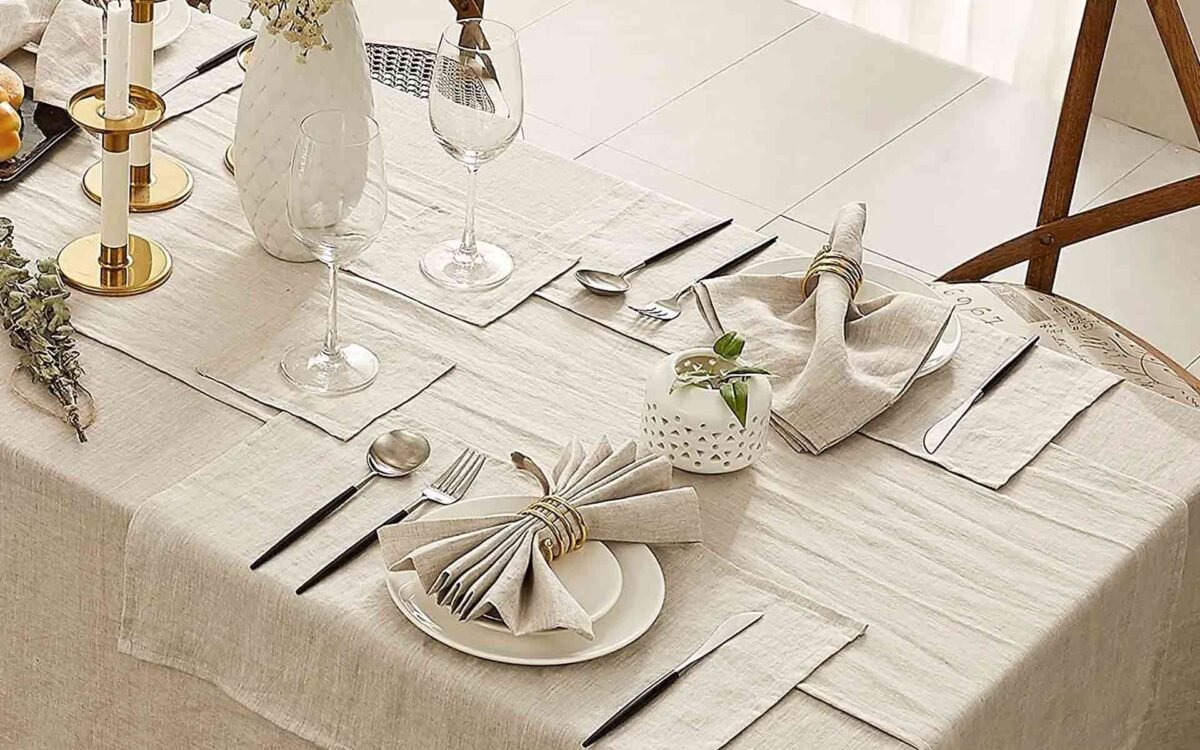
The Ultimate Tablecloth Guide: From Luxury Linen to Waterproof Oilcloth
Choosing the right tablecloth for your home. Compare luxury linen for formal dinners with practical, waterproof oilskin and oil cloth tablecloths for daily family use.
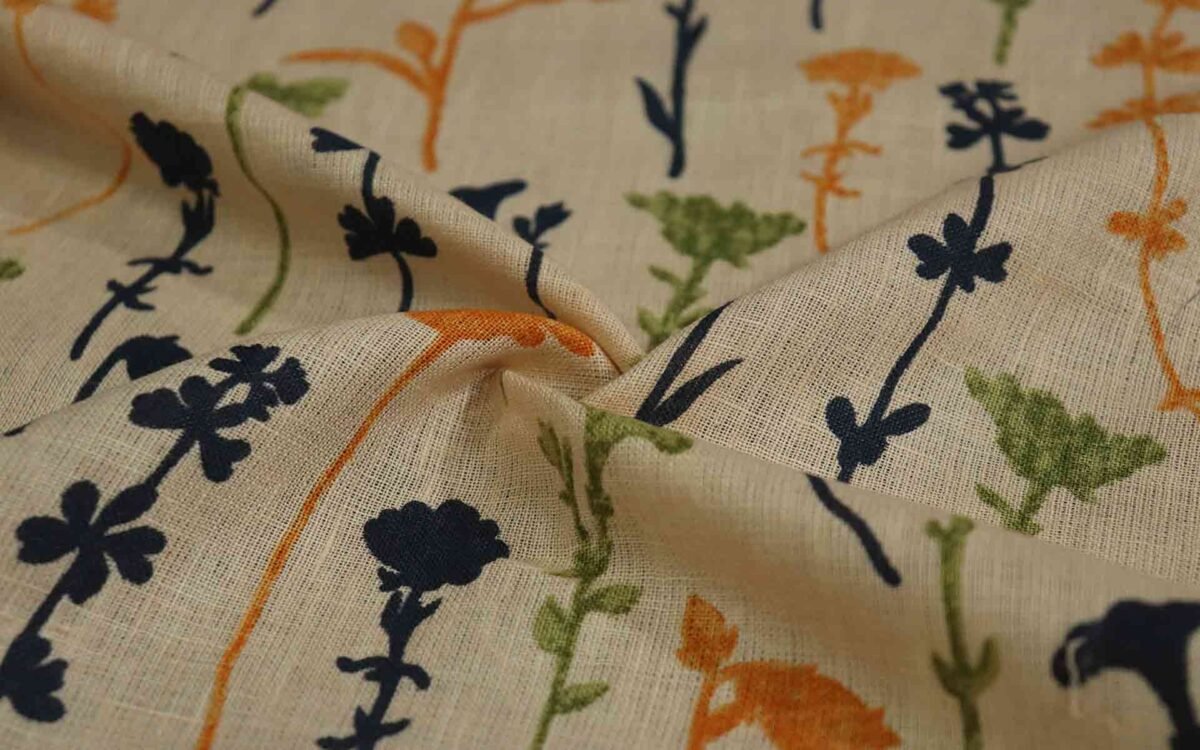
Pattern Play: How to Style Gingham, Striped, and Printed Linen
Elevate your style with patterned linen. From the rustic charm of gingham linen fabric to the breezy appeal of striped linen, learn how to style prints for a French country or vacation look.
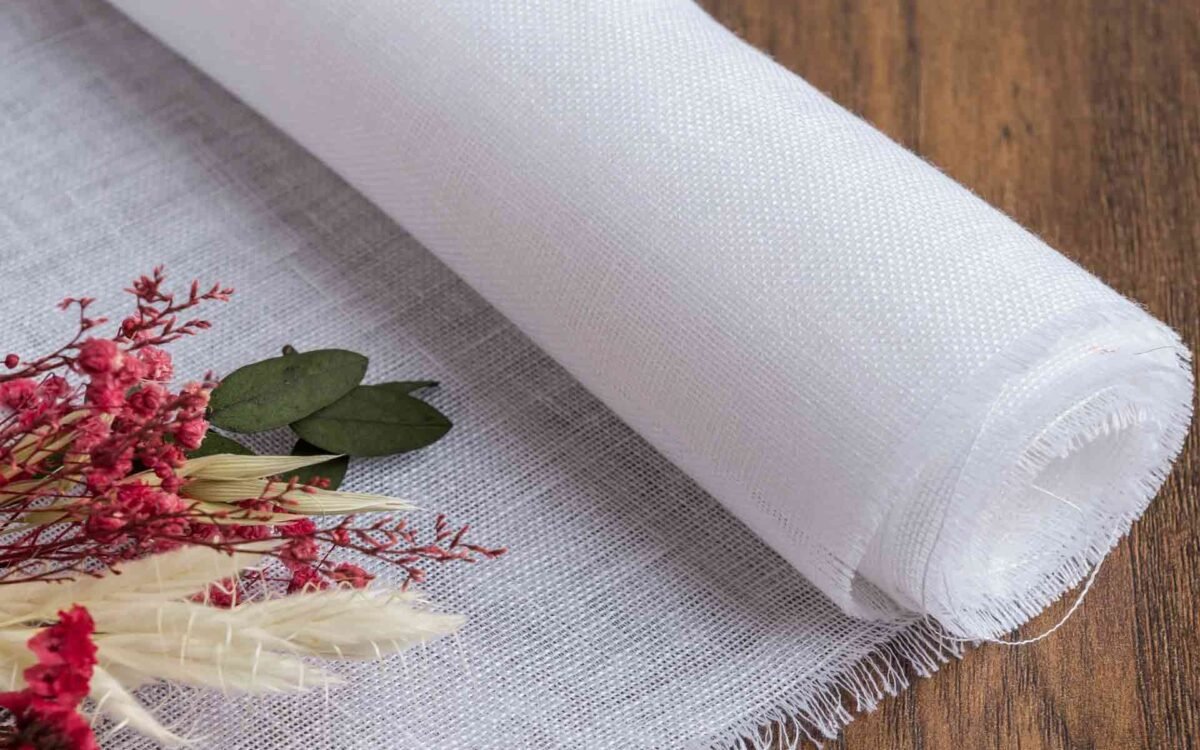
Classic Neutrals: Designing with White, Natural, and Beige Linen
Master the art of minimalist design with our guide to white, beige, and natural linen fabrics. Discover the aesthetic differences between bleached ivory and eco-friendly unbleached linen.
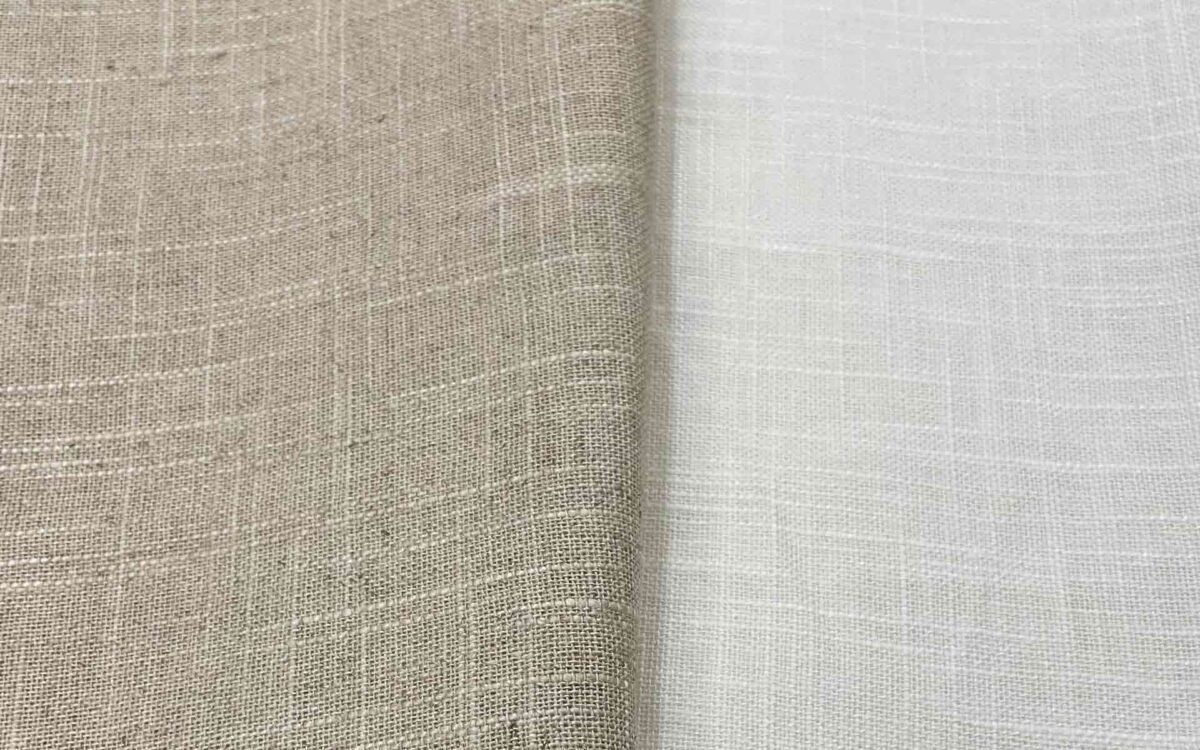
The Rise of Hybrid Fabrics: Bamboo Linen and Tencel Blends Explained
Tired of wrinkled linen? Discover the benefits of bamboo linen and Tencel blends. Learn why lyocell linen and linen rayon blends are the ultimate choice for soft, wrinkle-resistant sheets and fashion.
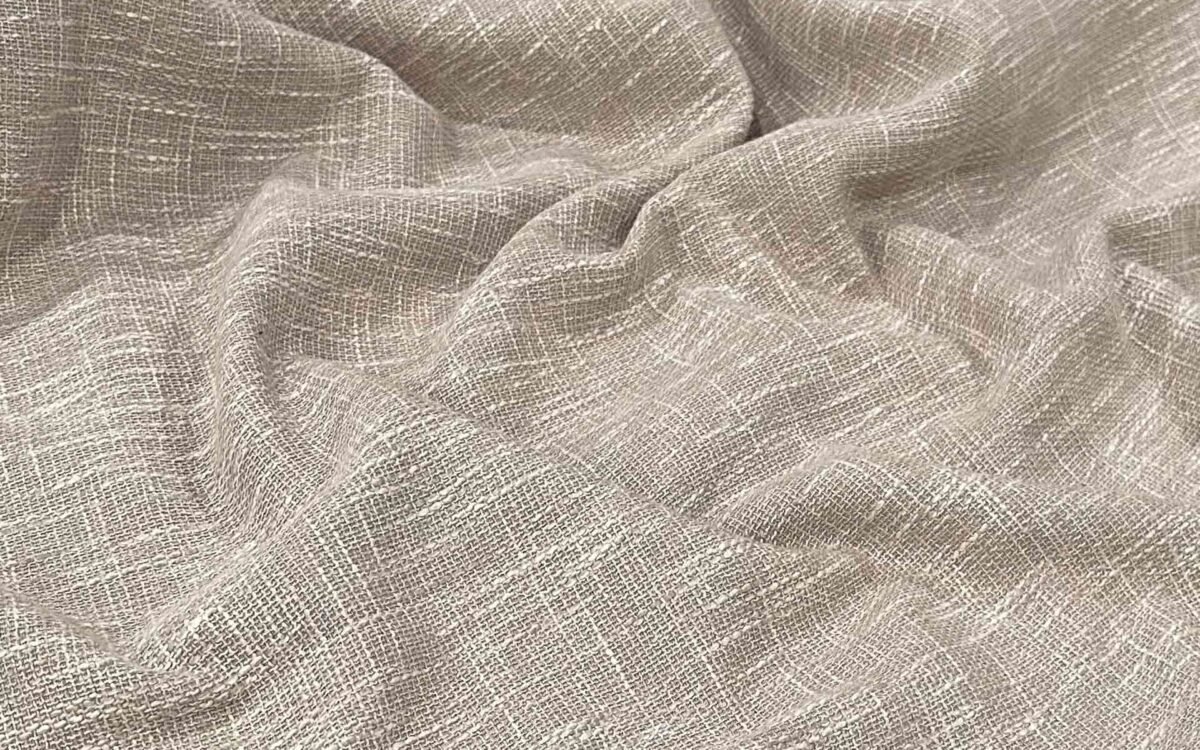
What is Slub Linen? Understanding Textures and Weaves
What is slub linen? Discover the beauty of textured linen fabric, the secret behind slubby linen weaves, and why linen gauze is the ultimate choice for breezy aesthetics.
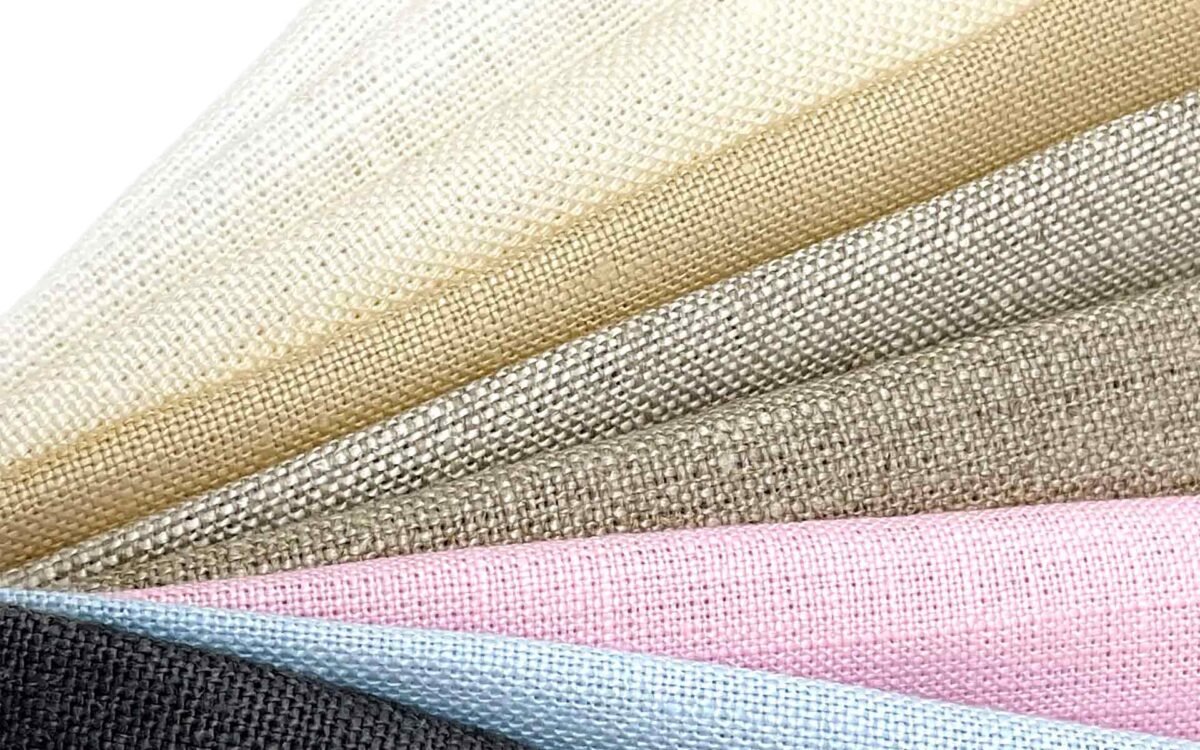
The Designer’s Choice: Why Belgian and European Linen are Worth the Investment
Why is Belgian linen so expensive? Discover the secrets behind European linen, from the unique soil of the flax belt to the master weavers of Belgium and Lithuania.
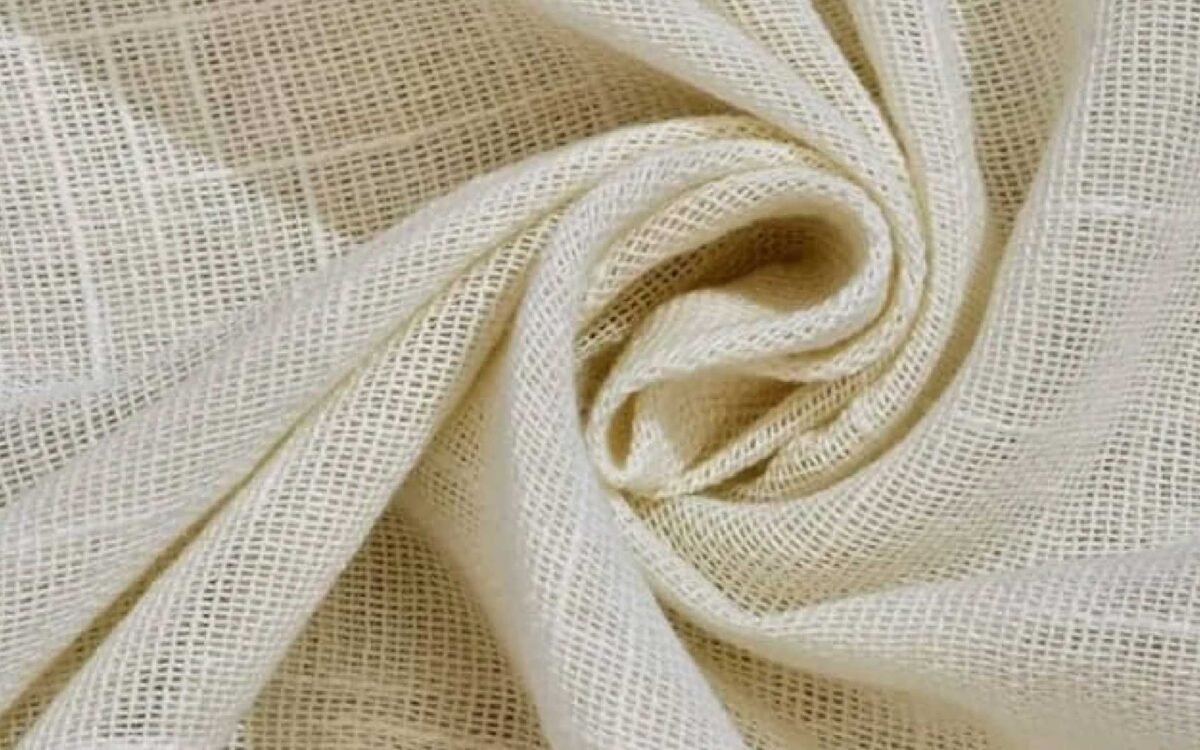
Buying Guide: How to Choose Linen Fabric by the Yard for Apparel
The ultimate guide to buying linen fabric by the yard. Learn about fabric weight (GSM), how to calculate yardage for shirts and dresses, and choosing the right linen for clothing.
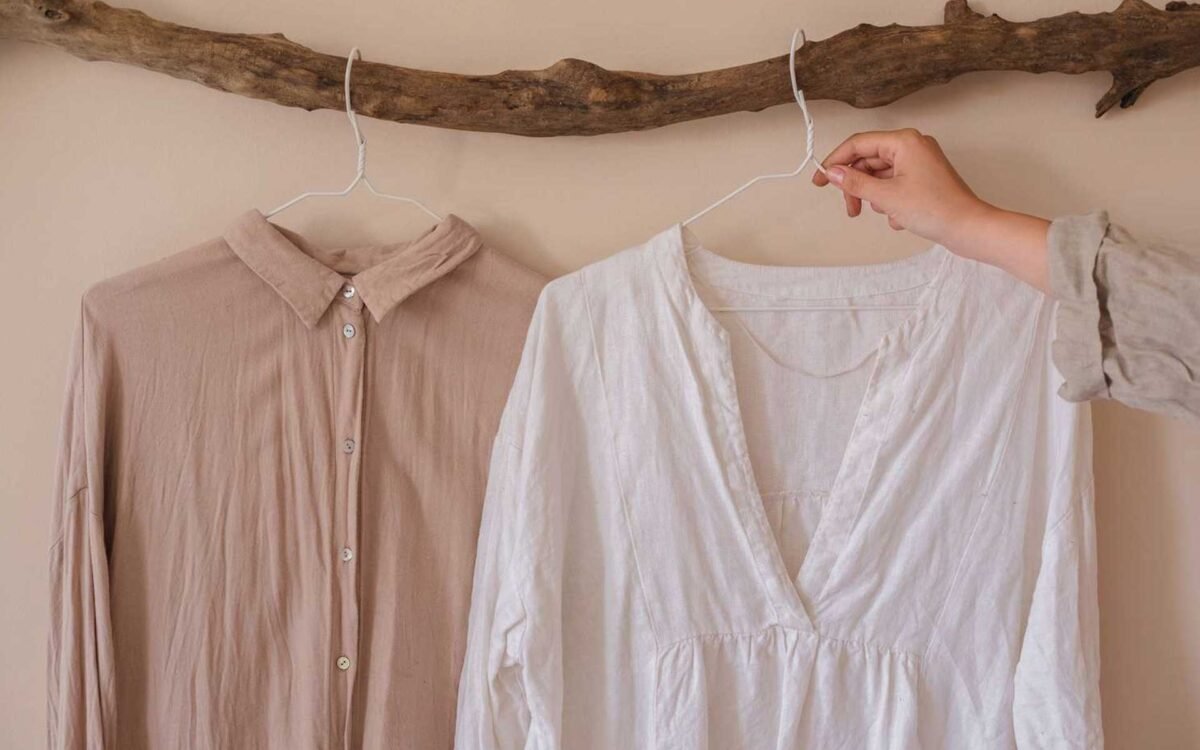
Linen vs Cotton: Which Fabric Should You Choose for Summer 2026?
Summer 2026 Buying Guide: Linen vs. Cotton — An in-Depth Comparison of Absorbency, Durability, and Wrinkle Resistance to Help You Choose the Best Fabric for Hot Weather.
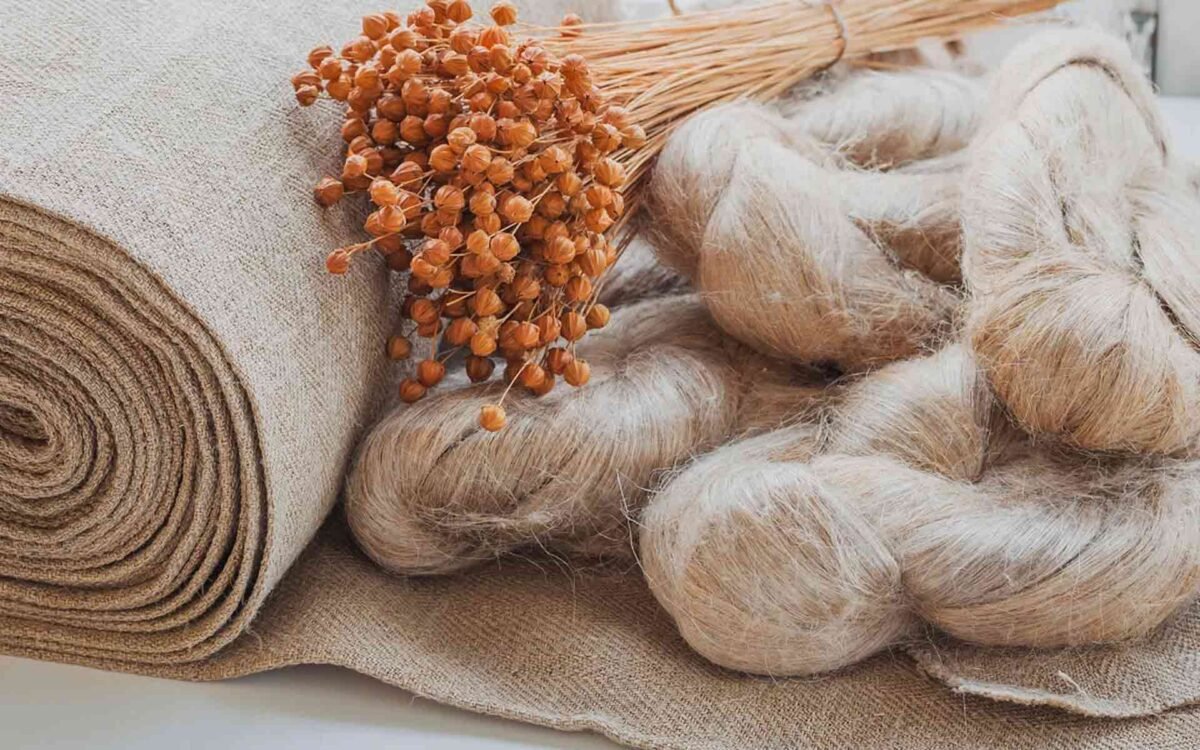
Flax vs Linen: What’s the Real Difference
Flax vs Linen: Quick Answer Flax is the plant. Linen is the fabric made from flax fibers. If you're buying textiles, clothing, or home fabrics, what you actually care about is linen, not raw flax.
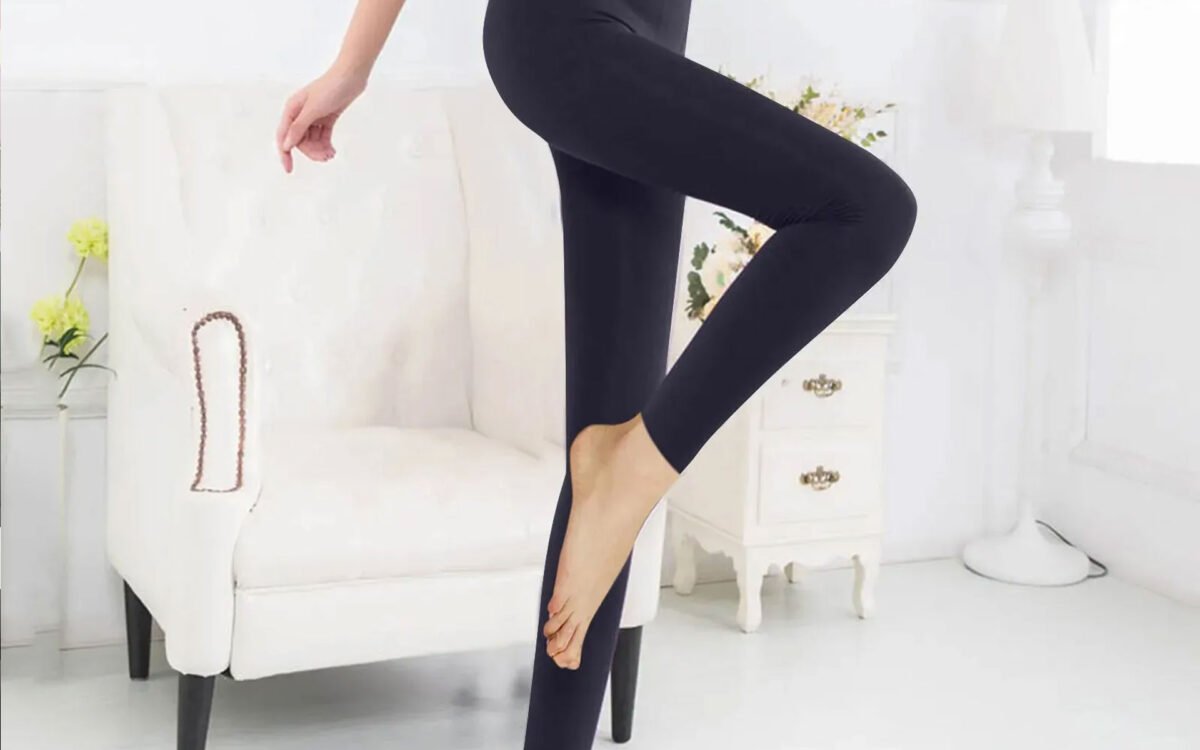
The "Spanx Smell" and Other Maintenance Tips: How to Wash Your Lycra Gear
Tired of the chemical Spanx smell or lost elasticity? Learn how to wash and maintain your soft spandex, waterproof gear, and thick leggings to make them last for years.