When it comes to sportswear, the fabric you choose can make all the difference in your performance, comfort, and overall experience. Whether you're hitting the gym, running a marathon, or practicing yoga, selecting the best fabric for sportswear is essential to stay dry, comfortable, and supported throughout your activity. In this article, we’ll explore the top materials used in sportswear, their key properties, and how to pick the right fabric for your specific needs.
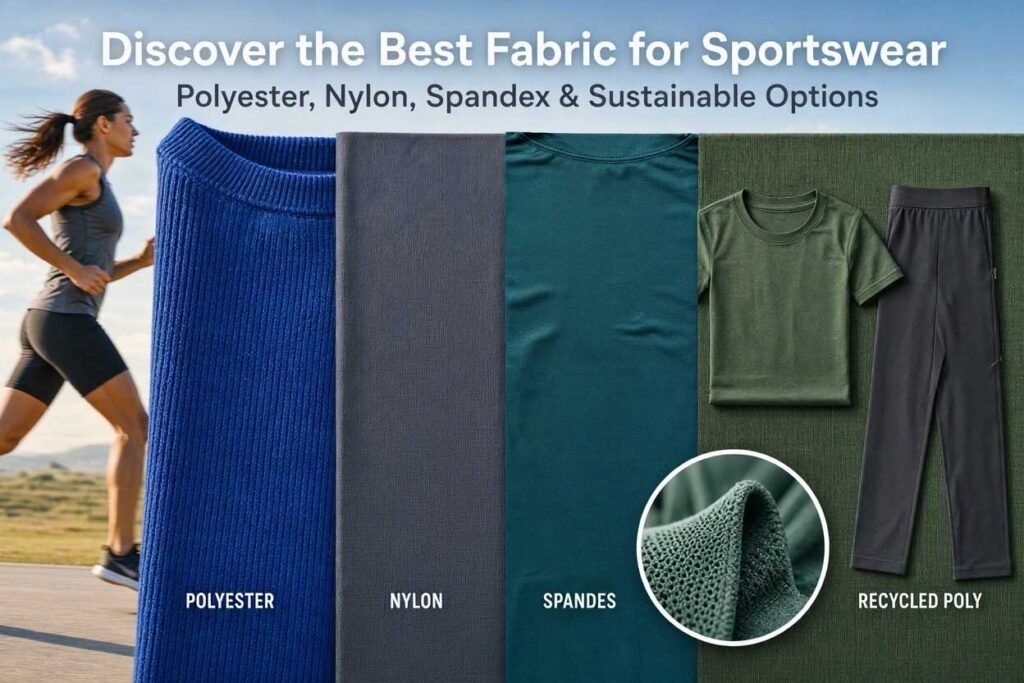
Best Fabric for Sportswear
Why Choosing the Best Fabric for Sportswear Matters
Sportswear is not just about style; it’s about functionality. The right fabric enhances your performance by managing moisture, providing breathability, offering stretch for unrestricted movement, and resisting wear and tear. According to the Texas 4-H Consumer Decision Making Study Guide, fabrics engineered for activewear are designed to wick sweat away from the skin, dry quickly, and maintain durability even after multiple washes.
Key Properties to Look for in Sportswear Fabric
Before diving into specific materials, understanding the core performance properties can help you make an informed choice:
- Moisture-Wicking: Pulls sweat away from the skin to the fabric’s surface for quick evaporation.
- Breathability: Allows air to circulate, helping regulate body temperature.
- Stretch and Recovery: Provides flexibility and snaps back to shape without sagging.
- Durability: Resists abrasion, pilling, and damage from repeated use and washing.
- Odor and Bacteria Resistance: Prevents the buildup of odor-causing bacteria.
- UV Protection: Shields skin from harmful ultraviolet rays, especially important for outdoor sports.
Top Fabrics Used in Sportswear
1. Polyester
Polyester is the most widely used fabric in sportswear due to its excellent moisture-wicking capabilities and durability. It dries quickly, retains color well, and is cost-effective for large-scale production. Many brands use recycled polyester (rPET) made from plastic bottles, making it an eco-friendly choice without compromising performance.
- Pros: Quick-drying, durable, lightweight, UV resistant.
- Cons: Can retain odors without antimicrobial treatment.
- Best for: Running shirts, cycling jerseys, team uniforms.
2. Nylon (Polyamide)
Nylon is prized for its smooth texture, superior abrasion resistance, and elasticity. It is often blended with spandex to create fabrics with 4-way stretch, ideal for compression wear and swimwear. Recycled nylon options like Econyl® are gaining popularity for their sustainability.
- Pros: Soft, durable, chlorine resistant (when treated), excellent stretch.
- Cons: Less breathable than polyester.
- Best for: Swimwear, yoga wear, high-performance activewear.
3. Spandex (Elastane/Lycra®)
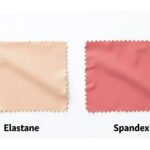
Spandex provides exceptional elasticity and recovery, allowing garments to stretch in all directions and return to their original shape. It’s almost always blended with polyester or nylon to add stretch and comfort.
- Pros: Superior stretch, snug fit, supports muscle compression.
- Cons: Non-biodegradable, often a small percentage of fabric blend.
- Best for: Leggings, compression gear, yoga pants.
4. Cotton and Cotton Blends
While pure cotton lacks moisture-wicking properties and dries slowly, cotton blends can offer softness and breathability suitable for low-intensity workouts like yoga or pilates. Cotton is comfortable and affordable but less ideal for high-sweat activities.
- Pros: Soft, breathable, natural fiber, affordable.
- Cons: Absorbs moisture, slow drying.
- Best for: Light workouts, casual activewear.
5. Merino Wool
Merino wool is a natural fiber known for its moisture-wicking, odor resistance, and temperature regulation. It’s soft and non-itchy, making it perfect for base layers in cold weather or outdoor activities.
- Pros: Odor resistant, breathable, temperature regulating.
- Cons: More expensive, requires special care.
- Best for: Hiking, skiing, base layers.
6. Bamboo Fabric
Derived from bamboo pulp, this fabric is soft, breathable, and moisture-wicking. Bamboo fabrics are sustainable and often blended with synthetic fibers to enhance durability and stretch.
- Pros: Soft, eco-friendly, moisture-wicking.
- Cons: Less durable alone, often blended.
- Best for: Activewear undergarments, casual sportswear.
Fabric Construction and Weight
The knit or weave of the fabric impacts its stretch, breathability, and feel. Common knit constructions include:
- Single Jersey: Lightweight and breathable, used for t-shirts and casual wear.
- Interlock Knit: Denser and stretchier, common in leggings and fitted garments.
- Mesh Knit: Open weave for ventilation, used in high-sweat zones.
Fabric weight, measured in grams per square meter (gsm), affects durability and opacity:
| Fabric Weight (gsm) | Ideal For |
|---|---|
| 140-160 | Running, cycling, hot yoga |
| 160-200 | Leggings, team sports, gym wear |
| 200-280 | Outdoor wear, compression gear |
How to Choose the Right Fabric for Your Sport
Selecting the best fabric for sportswear depends on your activity, climate, and personal preferences:
- High-Intensity Workouts: Opt for polyester-spandex blends with high moisture-wicking and 4-way stretch.
- Outdoor Activities: Look for fabrics with UV protection, quick drying, and durability like nylon blends.
- Low-Impact Activities: Cotton blends or bamboo fabrics offer comfort and breathability.
- Swimwear: Nylon-spandex tricot with chlorine resistance and excellent stretch is ideal.
- Cold Weather: Merino wool base layers provide warmth and moisture control.
Caring for Your Sportswear Fabric
Proper care extends the life of your sportswear:
- Wash inside out on cold cycles.
- Avoid fabric softeners as they reduce moisture-wicking.
- Air dry to prevent damage to elastic fibers.
- For odor issues, soak in a vinegar-water solution before washing.
- Follow specific care instructions for delicate fibers like merino wool.
Why Sustainable Fabrics Are the Future of Sportswear
Sustainability is a growing priority in the activewear industry. Fabrics like recycled polyester (rPET) and recycled nylon (Econyl®) offer the same performance benefits with a lower environmental impact. Certifications such as Oeko-Tex® Standard 100 and Global Recycled Standard (GRS) ensure fabrics are non-toxic and responsibly sourced.
Brands like Girlfriend Collective and Adidas by Stella McCartney are leading the way with sustainable activewear collections, proving that performance and eco-consciousness can go hand in hand.
Conclusion: Elevate Your Performance with the Best Fabric for Sportswear
Choosing the best fabric for sportswear is crucial to maximizing your comfort, performance, and garment longevity. Whether you prioritize moisture-wicking, stretch, durability, or sustainability, understanding fabric properties helps you make smart choices tailored to your activity and lifestyle.
Explore different blends of polyester, nylon, spandex, and natural fibers like merino wool or bamboo to find your perfect match. Remember, the right fabric not only supports your athletic goals but also keeps you comfortable and confident every step of the way.
Ready to upgrade your sportswear? Start by checking the fabric labels and performance features next time you shop, and invest in gear that truly works as hard as you do!