In an era where sustainability is no longer optional but essential, recycled nylon emerges as a game-changer in the materials industry. Combining eco-conscious innovation with high-performance capabilities, recycled nylon offers a compelling solution to reduce plastic waste and carbon emissions. Whether in automotive parts, textiles, or consumer goods, this versatile material is reshaping how industries approach manufacturing. This article dives deep into recycled nylon—exploring its production, benefits, applications, and why it’s rapidly becoming the preferred choice for sustainable development.
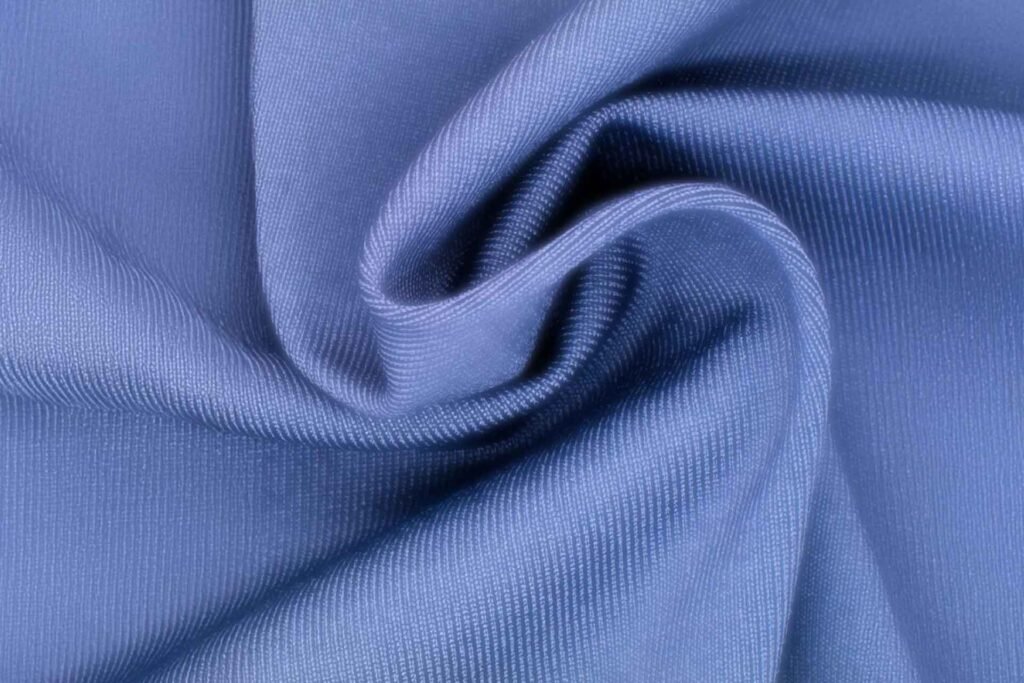
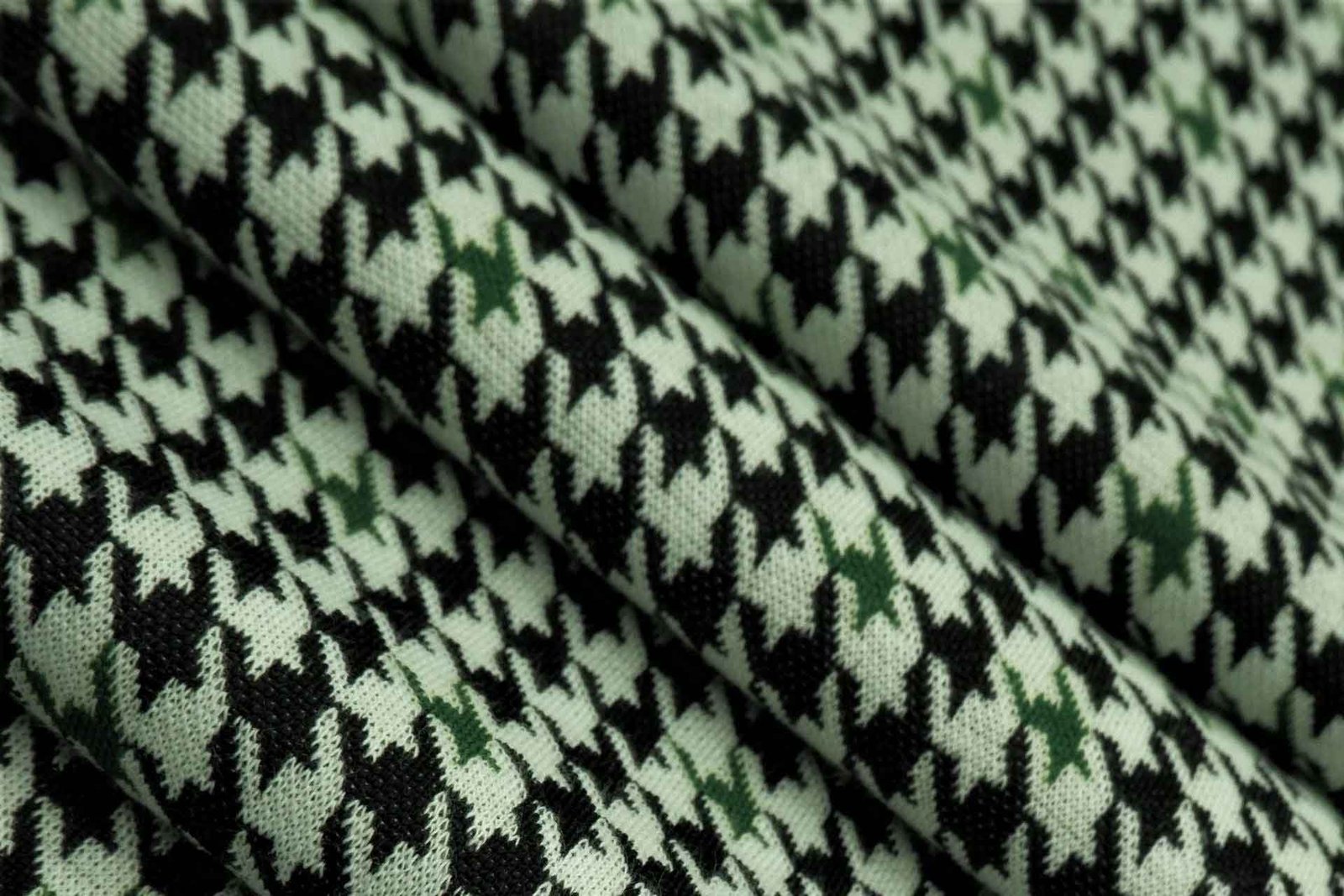
recycled nylon fabric
What is Recycled Nylon?
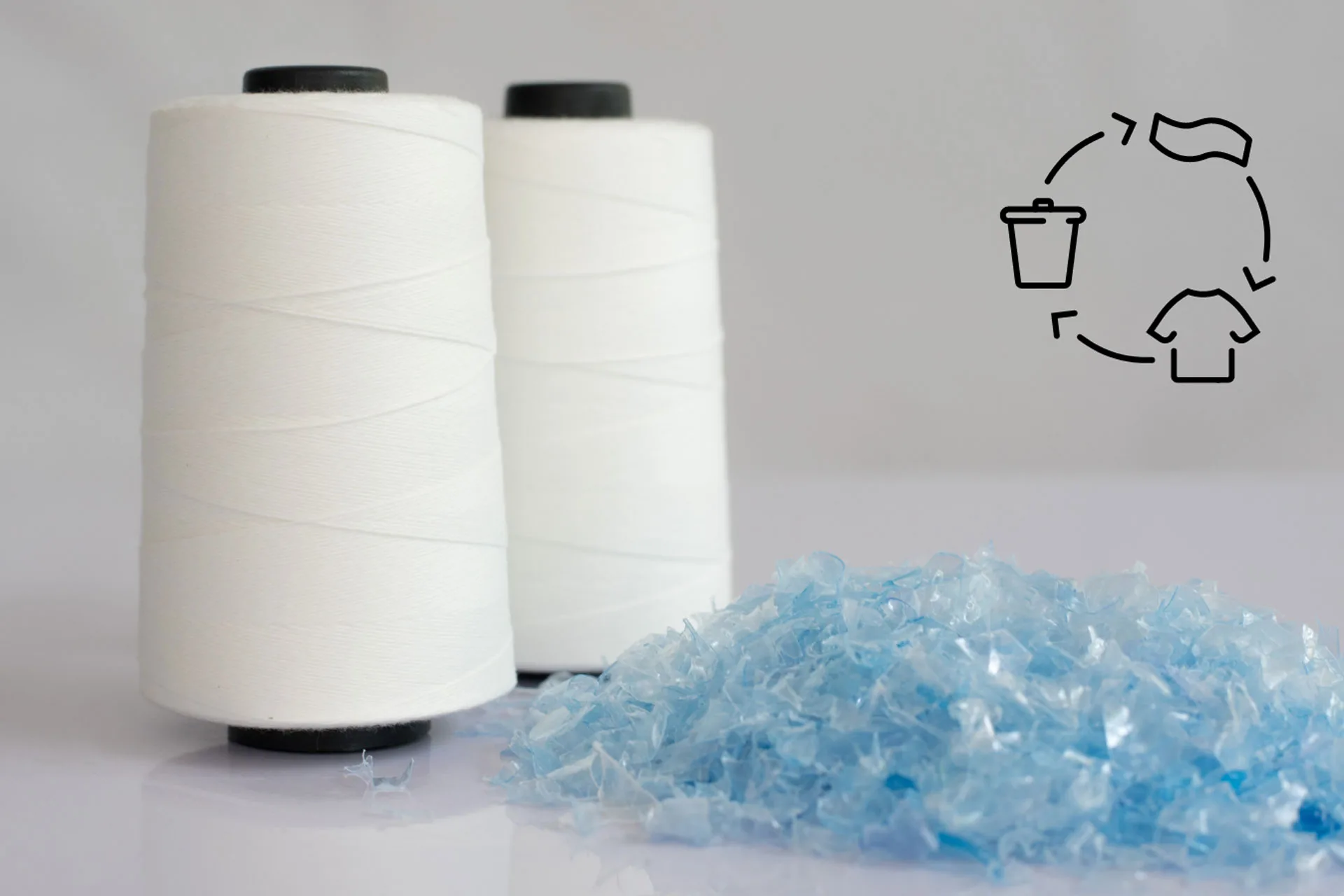
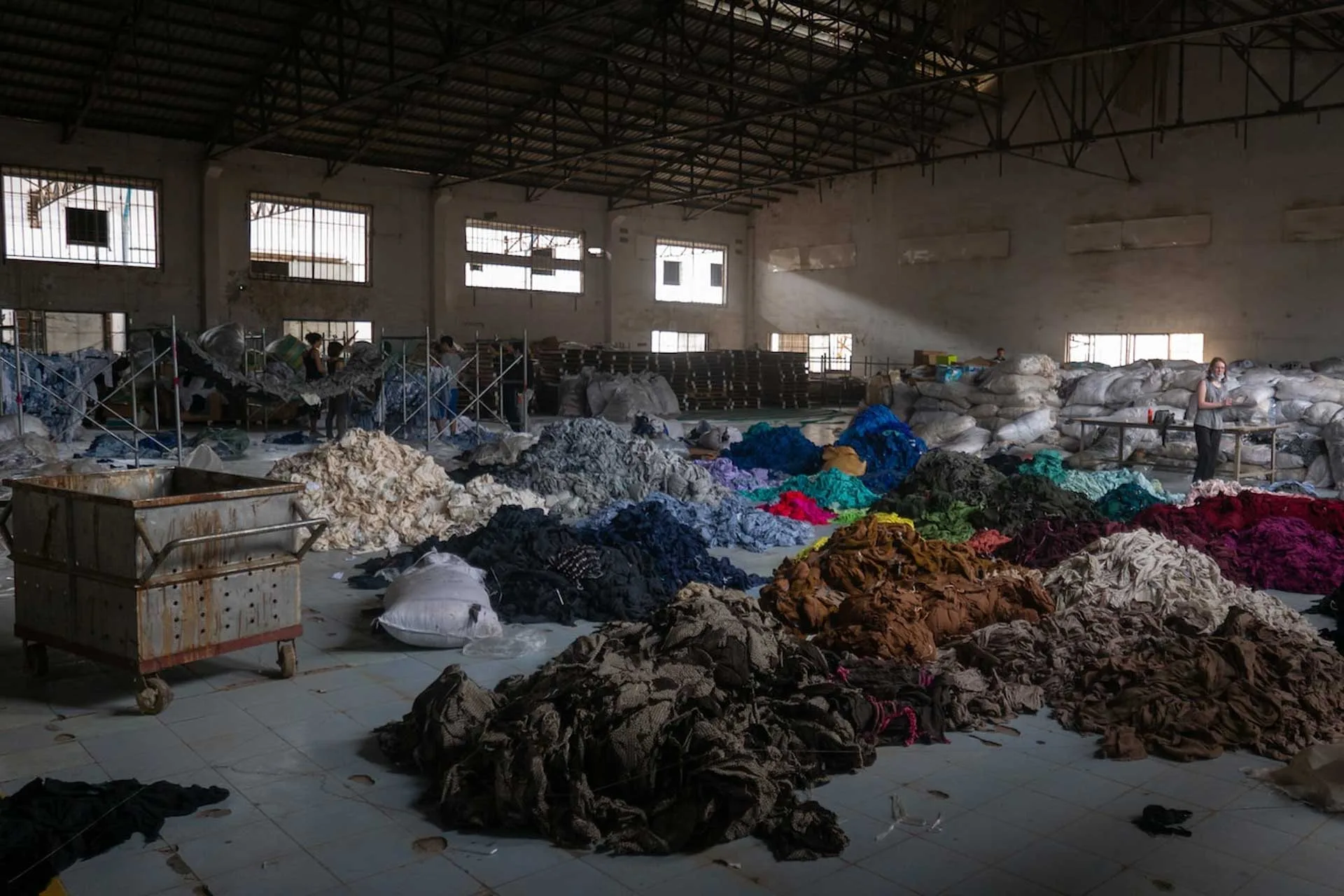
Recycled nylon is a type of synthetic polymer derived from repurposed nylon waste, including post-industrial scraps and post-consumer materials such as fishing nets, carpets, and fabric offcuts. Unlike virgin nylon, which is produced from petrochemical sources, recycled nylon reduces dependency on fossil fuels by reprocessing existing materials into new, high-quality fibers and resins.
Key Types of Recycled Nylon:
- Nylon 6: Produced by depolymerizing caprolactam, often recycled chemically to restore virgin-like properties.
- Nylon 66: Made from hexamethylenediamine and adipic acid, offering superior heat resistance and durability.
- Ballistic Nylon: Heavy-duty recycled nylon used in protective gear and industrial applications.
How is Recycled Nylon Made?
The production of recycled nylon involves several critical steps to ensure quality and sustainability:
- Collection & Sorting: Waste nylon is gathered from sources like fishing nets, industrial scraps, and post-consumer textiles. Sorting by color and polymer type is crucial to maintain consistency.
- Cleaning & Shredding: The collected materials undergo thorough washing and mechanical shredding to remove contaminants such as salt, sand, and adhesives.
- Recycling Techniques:
- Regranulation & Extrusion: The recycled polymer is processed into pellets or fibers ready for manufacturing.
- Quality Control & Certification: Materials are tested for mechanical properties, chemical safety (e.g., compliance with REACH, RoHS), and traceability through certifications like GRS (Global Recycled Standard).
Benefits of Recycled Nylon
Using recycled nylon offers numerous environmental and economic advantages:
- Reduced Carbon Footprint: Life Cycle Assessments (LCA) show recycled nylon can reduce CO₂ emissions by up to 80% compared to virgin nylon production.
- Resource Conservation: Recycling nylon conserves precious fossil fuels, water, and energy, contributing to a circular economy.
- Waste Reduction: Diverts significant amounts of nylon waste from landfills and oceans, including harmful “ghost nets” that threaten marine life.
- High Performance: Modern recycled nylon maintains tensile strength, abrasion resistance, and durability comparable to virgin nylon.
- Green Energy Use: Leading manufacturers, such as Radici Group’s Renycle® range, use renewable energy sources in production, further lowering environmental impact.
- Versatility: Suitable for a wide array of applications, from automotive components to fashion textiles and industrial engineering plastics.
Performance Comparison: Recycled vs Virgin Nylon
One of the common concerns about recycled nylon is whether it can match the performance of virgin nylon. Recent studies and industry data reveal promising results:
| Property | Virgin Nylon 6 | Recycled Nylon 6 (Chemical) | Recycled Nylon 6 (Mechanical) |
|---|---|---|---|
| Tensile Strength (MPa) | 70 - 80 | 70 - 80 (up to 98.5% virgin) | 60 - 72 |
| Elongation at Break (%) | 50 - 150 | 50 - 150 | 20 - 60 |
| Impact Strength (kJ/m²) | 5 - 7 | 5 - 7 | 3.5 - 5.5 |
| Color Consistency | Unlimited | Limited to good (depends on process) | Limited |
Insights:
- Chemically recycled nylon exhibits properties nearly identical to virgin nylon, making it ideal for high-performance applications.
- Mechanical recycling is more economical and eco-friendly but may result in slight variations in color and mechanical properties.
- Reinforcement with glass fibers (e.g., PA6-GF30) can compensate for minor performance drops in recycled grades.
- Recycled nylon performs excellently in stretch and recovery, essential for activewear and swimwear.
Applications of Recycled Nylon
Recycled nylon’s adaptability makes it suitable for diverse industries:
1. Automotive Industry
- Thermal Management Systems: Components like fan shrouds and radiator tanks use recycled nylon for heat resistance and durability.
- Powertrain & Engine Systems: Air intake manifolds and engine covers benefit from recycled PA66 variants with glass fiber reinforcement.
- Interior Components: Carpet fibers and trim parts increasingly incorporate recycled nylon for sustainability.
2. Textiles and Apparel
- Activewear & Swimwear: Recycled nylon blended with elastane provides excellent stretch, durability, and chlorine resistance.
- Fashion & Luxury Goods: Brands like Prada and Adidas use recycled nylon (e.g., Econyl®) to create sustainable collections.
- Outdoor Gear: Backpacks, tents, and ropes utilize recycled nylon for strength and environmental impact reduction.
3. Consumer Goods and Industrial Applications
- Power Tools & Electronics: Cable channels and housings made from flame-retardant recycled nylon.
- Furniture & Garden Tools: Durable, aesthetically pleasing recycled nylon composites.
- Marine Products: Mooring lines and fishing gear made from recycled nylon help reduce ocean pollution.
Quality and Safety Considerations
Ensuring the quality and safety of recycled nylon involves:
- Material Purity: Advanced sorting and cleaning techniques minimize contamination.
- Certification: Look for GRS, ISCC Plus, and Oeko-Tex certifications to verify recycled content and environmental compliance.
- Chemical Safety: Compliance with REACH, RoHS, and GADSL standards ensures absence of hazardous substances.
- Testing: Mechanical strength, color fastness, and chemical resistance tests guarantee material performance.
- Traceability: Suppliers should provide chain-of-custody documentation to validate recycled content claims.
Challenges and How to Overcome Them
While recycled nylon is promising, some challenges persist:
- Color Limitations: Residual dyes can limit light or bright color options; using decolorized chips can mitigate this.
- Supply Chain Complexity: Multiple stakeholders increase costs and logistical hurdles.
- Cost Premium: Recycled nylon may cost 10-25% more than virgin due to labor-intensive collection and processing.
- Microplastics: Wear and tear can release microplastics; ongoing research aims to minimize this impact.
- Availability: Supply fluctuates with waste collection efficiency; diversifying sources helps maintain steady supply.
Solutions:
Why Choose Recycled Nylon?
Opting for recycled nylon aligns your business with the future of sustainable manufacturing:
- Eco-Friendly: Significantly lowers carbon footprint and conserves resources.
- High-Performance: Meets or exceeds industry standards for strength and durability.
- Consumer Appeal: Growing demand for sustainable products enhances brand reputation.
- Regulatory Compliance: Anticipate and meet evolving environmental regulations.
- Innovation-Driven: Access to advanced materials like Renycle® supports cutting-edge applications.
Conclusion
Recycled nylon represents a pivotal shift towards sustainable materials without sacrificing quality or performance. From automotive engineering to fashion, its applications are vast and impactful. By embracing recycled nylon, manufacturers and brands not only contribute to a circular economy but also meet the rising consumer demand for responsible products. As technologies evolve and supply chains mature, recycled nylon is poised to become the new standard in both industrial and consumer markets.