Nylon is one of the most widely used synthetic fabrics—but many people still wonder:
👉 Is nylon fabric toxic, and is it safe to wear every day?
This guide gives you a clear, science-based answer, separating myths from reality.
Is Nylon Fabric Toxic?
👉 No—nylon itself is generally non-toxic and safe to wear.
- Nylon is a stable synthetic polymer
- It does not easily react with skin
- It is widely used in clothing, medical, and industrial applications
👉 However, there’s an important nuance:
👉 Potential concerns usually come from chemicals used in processing, not the nylon fiber itself.
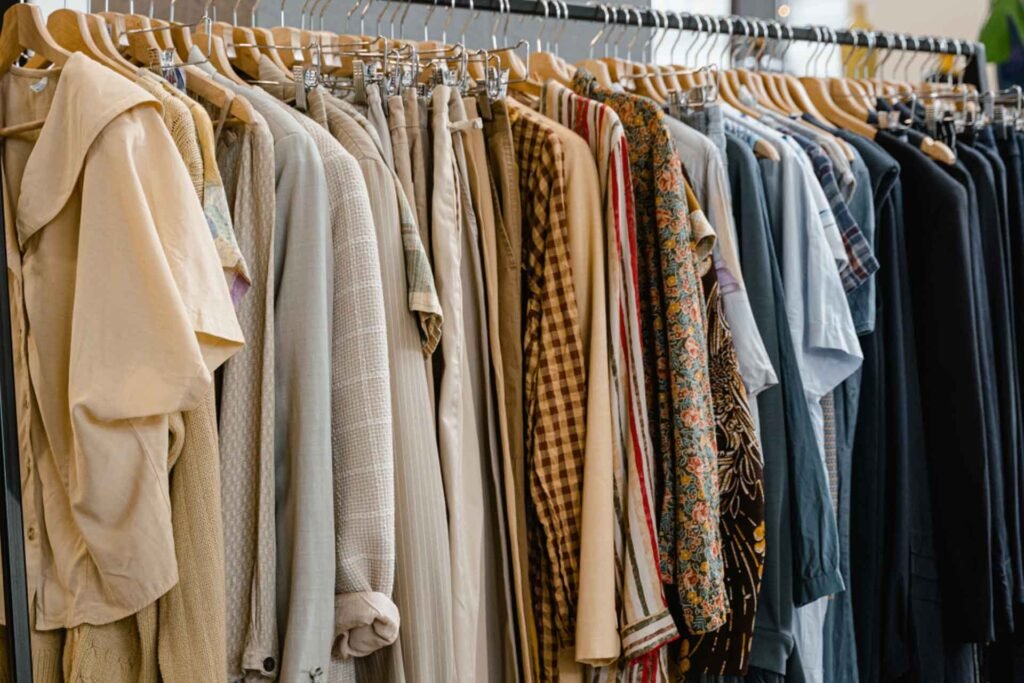
is nylon toxic
Is Nylon Safe to Wear Daily?
👉 Yes—nylon is safe for everyday wear for most people.
✔ Safe in Most Cases
- Regular clothing
- Sportswear and activewear
- Short- and long-term use
⚠ May Cause Issues For
- People with sensitive skin
- Situations with heavy sweating
- Low-quality or heavily treated fabrics
👉 Key takeaway:
Nylon is generally safe—but comfort and skin reaction depend on fabric quality and usage conditions.
What Makes Nylon Potentially Unsafe?
The real risks are not from nylon itself, but from added chemicals.
1. Dyes and Finishing Chemicals
- Used to improve color and texture
- May cause irritation in sensitive individuals
2. Chemical Treatments
- Anti-wrinkle finishes
- Water-resistant coatings
3. PFAS and Coatings (in some cases)
- Used for water resistance
- Can raise environmental and health concerns
👉 Important:
These are not present in all nylon fabrics—quality and manufacturing standards matter.

is nylon bad to wear
When Is Nylon Completely Safe?
✔ High-Quality Nylon Fabrics
- Properly processed
- Tested for safety standards
✔ Certified Textiles
Look for certifications such as:
- OEKO-TEX®
- REACH compliance
✔ Normal Wearing Conditions
- Everyday clothing
- Moderate use
👉 In these cases, nylon poses minimal to no health risk.
When Can Nylon Cause Problems?
❌ Skin Irritation
- Caused by sweat + friction
- Not toxicity, but discomfort
❌ Poor Breathability in Some Fabrics
- Can trap heat and moisture
- May lead to skin irritation
❌ Low-Quality Manufacturing
- Residual chemicals
- Inconsistent finishing
👉 Key insight:
Most “nylon problems” are related to fabric quality—not the fiber itself.
Does Nylon Cause Skin Irritation?
👉 Sometimes—but not because it is toxic.
Why irritation happens:
- Sweat trapped against skin
- Tight-fitting garments
- Friction during movement
👉 This is common in:
- Activewear
- Hot and humid conditions
👉 Solution:
- Choose breathable blends
- Avoid prolonged moisture exposure
Does Nylon Affect Hormones or Health?
👉 There is no strong scientific evidence that nylon clothing disrupts hormones.
- Nylon fibers are stable and do not easily enter the body
- Concerns are usually linked to industrial chemicals, not finished fabrics
👉 Conclusion:
For normal use, nylon clothing is considered safe for human health.
Nylon vs Cotton: Which Is Safer?
Cotton
- Natural fiber
- Generally breathable
- Can still contain pesticides or dyes
Nylon
- Synthetic but stable
- More durable
- Safety depends on processing
👉 Final comparison:
- Cotton → more natural
- Nylon → more durable and consistent
👉 Both are safe when properly manufactured.
Final Verdict: Is Nylon Fabric Safe or Toxic?
👉 Nylon is not toxic and is safe to wear in most situations.
- The fiber itself is stable and non-reactive
- Risks come from low-quality processing or chemical treatments
- Most modern nylon fabrics are safe for everyday use
👉 Simple rule:
- Choose high-quality nylon → safe
- Avoid poorly processed fabrics → reduce risk
Quick FAQ
Is 100% nylon safe to wear?
👉 Yes, in most cases it is safe and non-toxic.
Why do some people react to nylon?
👉 Usually due to sweat, friction, or chemical finishes—not the nylon itself.
Is nylon worse than cotton for your skin?
👉 Not necessarily—both can be safe depending on quality and use.
Should I avoid nylon clothing?
👉 No, but choose high-quality fabrics and proper fit.
Looking for Safe, High-Quality Nylon Fabric?
If you are sourcing nylon fabric for apparel or textile products, choosing the right quality is essential.
We offer:
- Consistent, tested fabric quality
- Various nylon and blended materials
- Reliable supply for global buyers
Contact us today to request samples or get expert recommendations.