If you recently searched for “tool fabric,” you’re not alone. Thousands of people type this phrase every month when they are actually looking for tulle fabric.
So let’s clear up the confusion right away.
Did you mean tulle?
Yes — “tool fabric” is usually a spelling mistake for “tulle fabric.” Tulle is a lightweight netting material widely used in fashion, weddings, costumes, and crafts.
This guide explains:
-
The correct spelling of tulle
-
What tulle fabric actually is
-
Why people search for tool fabric
-
Common uses of tulle in clothing and design
How Do You Spell Tulle Fabric?
The correct spelling is:
T-U-L-L-E
Pronounced:
“tool”
Because the pronunciation sounds exactly like the word tool, many beginners assume the spelling must be tool fabric.
That’s why the search confusion happens.
Common misspellings include:
-
tool fabric
-
tule fabric
-
toul fabric
-
tull fabric
All of these usually mean tulle fabric.
What Is Tulle Fabric?
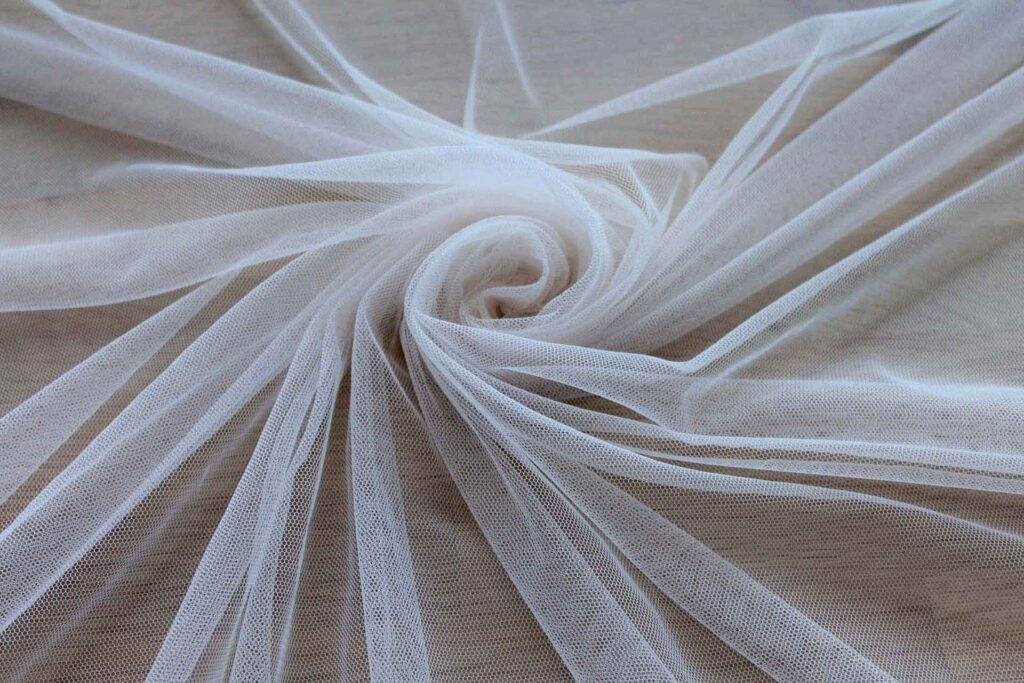
Tulle fabric is a lightweight netting material made from fine threads that form a hexagonal or diamond-shaped mesh.
Originally, tulle was made from silk, but today it is most commonly produced using:
-
Nylon
-
Polyester
-
Rayon
-
Silk (premium versions)
The open mesh structure gives tulle its signature qualities:
✔ extremely lightweight
✔ semi-transparent
✔ airy and breathable
✔ easy to layer
Because it holds shape while remaining soft, tulle is a favorite material in fashion design.
Tulle Fabric
Why Is It Called “Tulle”?
The name tulle comes from the French city of Tulle, where this style of net fabric was first produced in the 18th century.
Over time, the fabric became associated with:
-
ballet costumes
-
bridal veils
-
formal gowns
Today, it remains one of the most recognizable fabrics in the fashion world.
What Is “Tool Fabric”? (The Common Search Mistake)
When someone searches for tool fabric, they are almost always referring to tulle fabric.
This happens because:
-
The word tulle is unfamiliar to many beginners.
-
The pronunciation sounds identical to tool.
-
Search engines cannot always correct the spelling automatically.
So if you typed tool fabric, the correct term you are looking for is almost certainly tulle fabric.
Key Characteristics of Tulle Fabric
1. Lightweight Structure
Tulle is extremely light compared to most woven fabrics, making it perfect for layered garments.
2. Sheer Transparency
Because of its mesh weave, tulle is naturally translucent.
3. Shape Retention
Despite its delicate appearance, tulle can hold volume well when layered.
4. Soft vs. Stiff Variations
Different types of tulle can range from:
-
soft draping tulle (used in dresses)
-
stiff structural tulle (used in tutus and costumes)
Common Uses of Tulle Fabric
Tulle is widely used in both fashion and decorative design.
Bridal Fashion
One of the most iconic uses of tulle is in wedding attire.
Examples include:
-
bridal veils
-
wedding gowns
-
layered skirts
-
decorative overlays
Ballet and Dance Costumes
Classic ballet tutus are typically made from multiple layers of stiff tulle.
Evening and Formal Dresses
Designers often use tulle to add volume or transparency to gowns.
Crafts and Decorations
Outside fashion, tulle is also used for:
-
gift wrapping
-
party decorations
-
table accents
-
DIY craft projects
Types of Tulle Fabric
Not all tulle feels the same. The fiber type changes the texture and durability.
Nylon Tulle
The most common type.
-
strong
-
affordable
-
holds structure well
Polyester Tulle
Often used for decorative and craft applications.
-
durable
-
wrinkle resistant
Silk Tulle
The luxury option.
-
extremely soft
-
delicate drape
-
used in high-end bridal couture
Is Tulle Comfortable to Wear?
Modern tulle can be surprisingly comfortable, especially soft tulle varieties used in clothing.
However, cheaper stiff tulle may feel scratchy when worn directly against skin. Designers often add:
-
fabric linings
-
layered skirts
-
soft underlayers
to improve comfort.
Quick Summary
If you searched for tool fabric, you were most likely looking for tulle fabric.
Here’s the key takeaway:
-
Correct spelling: tulle
-
Pronunciation: tool
-
Material type: lightweight mesh netting
-
Common uses: wedding dresses, veils, tutus, decorations
Although the spelling may look unusual, tulle fabric is one of the most widely used materials in fashion and costume design.