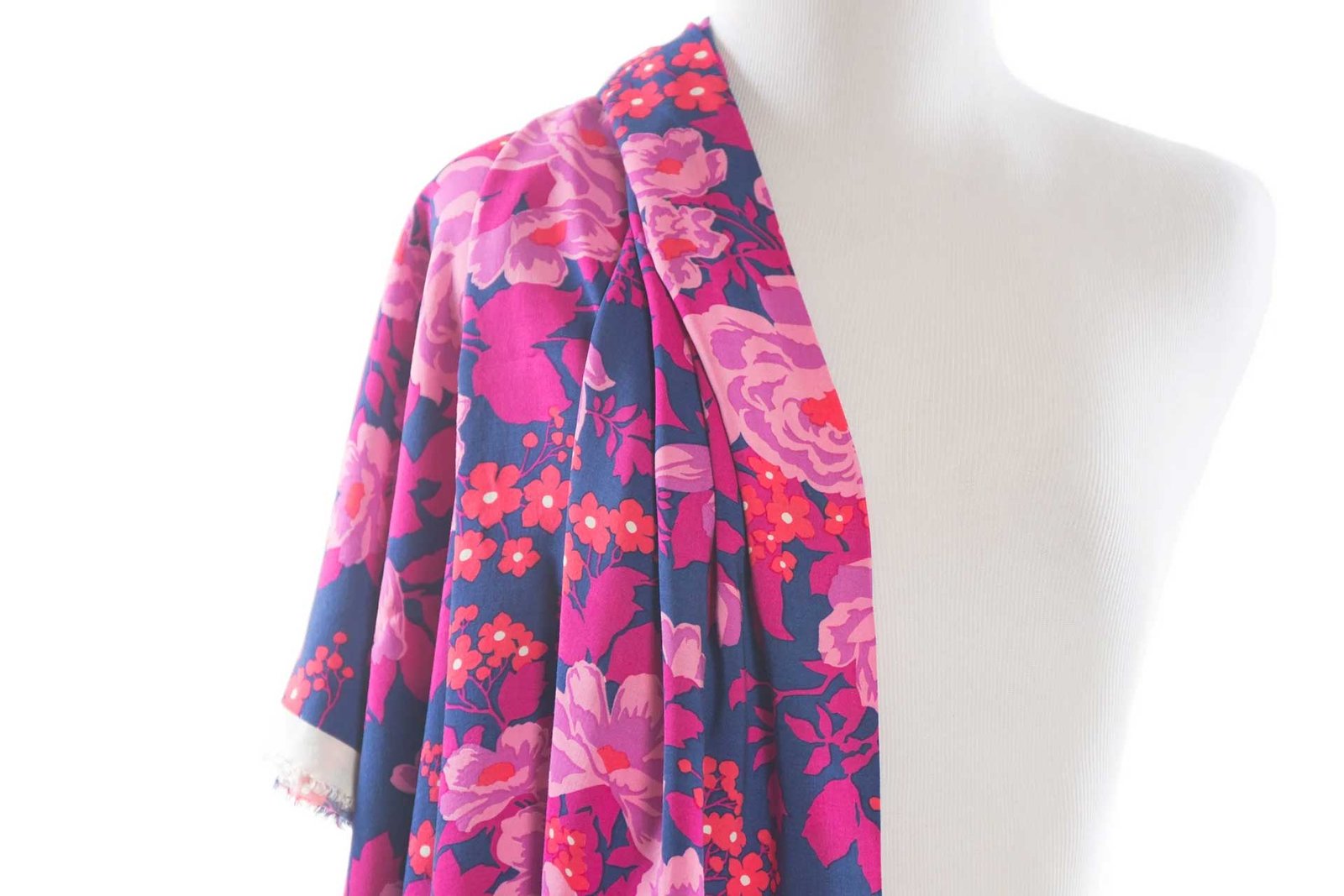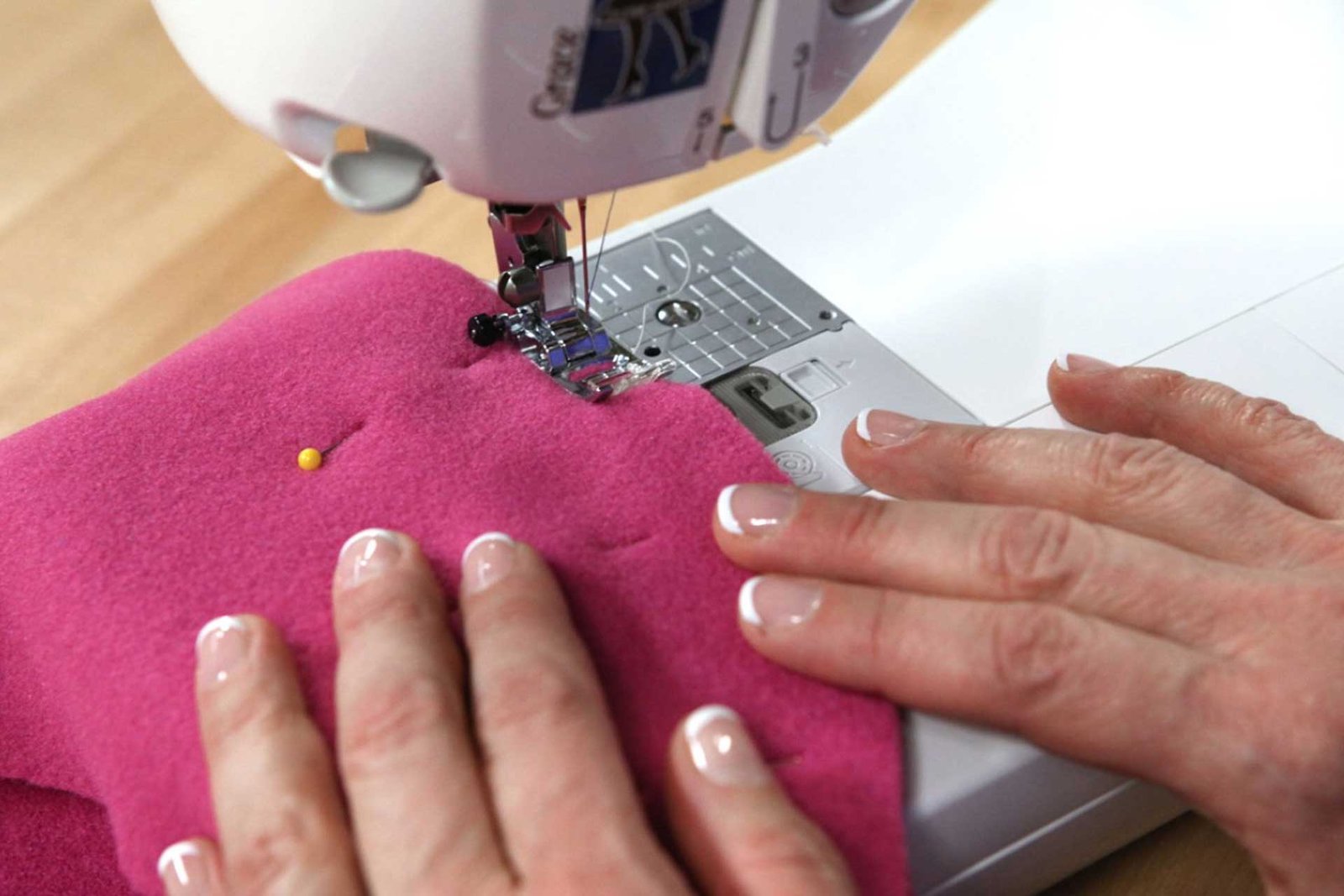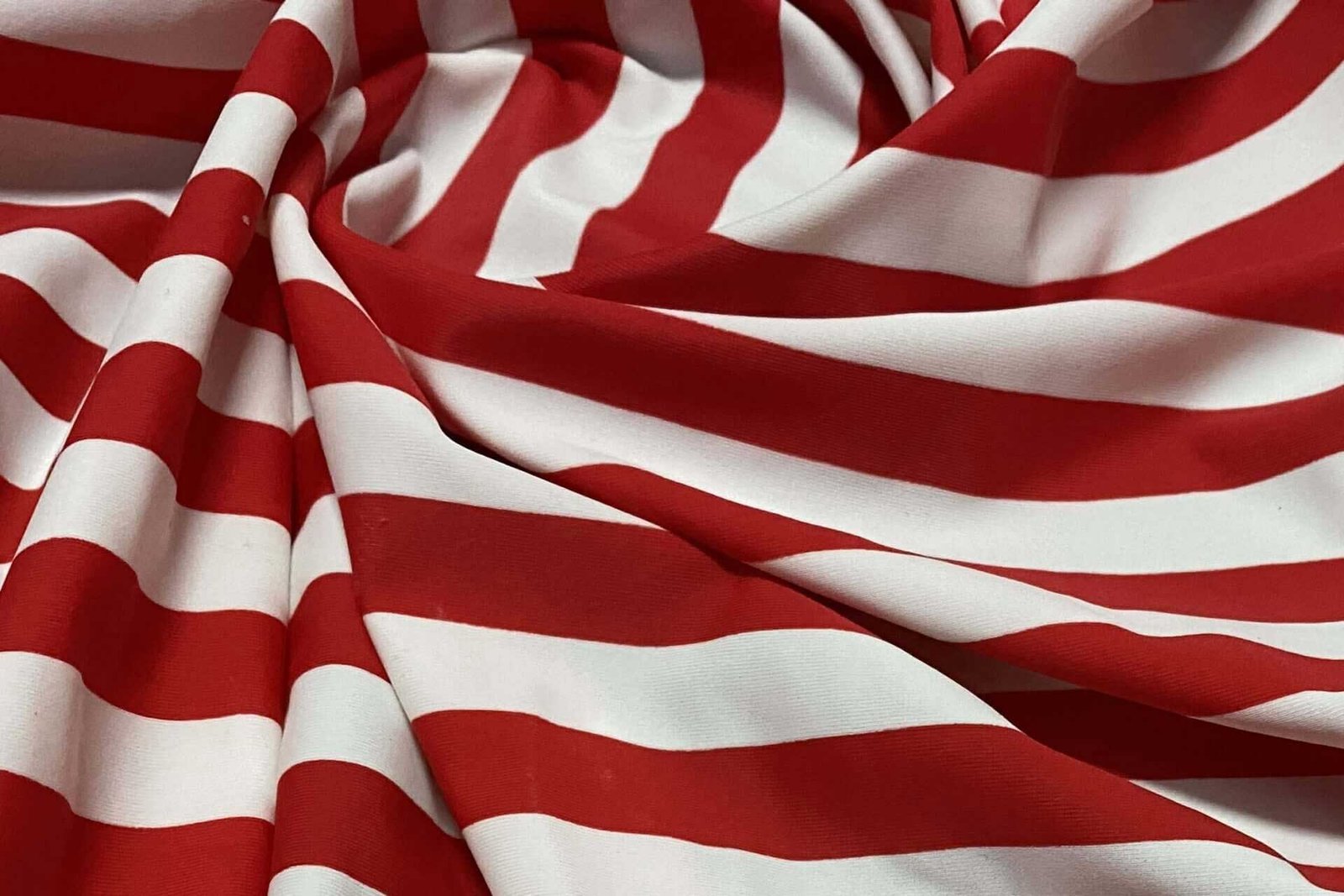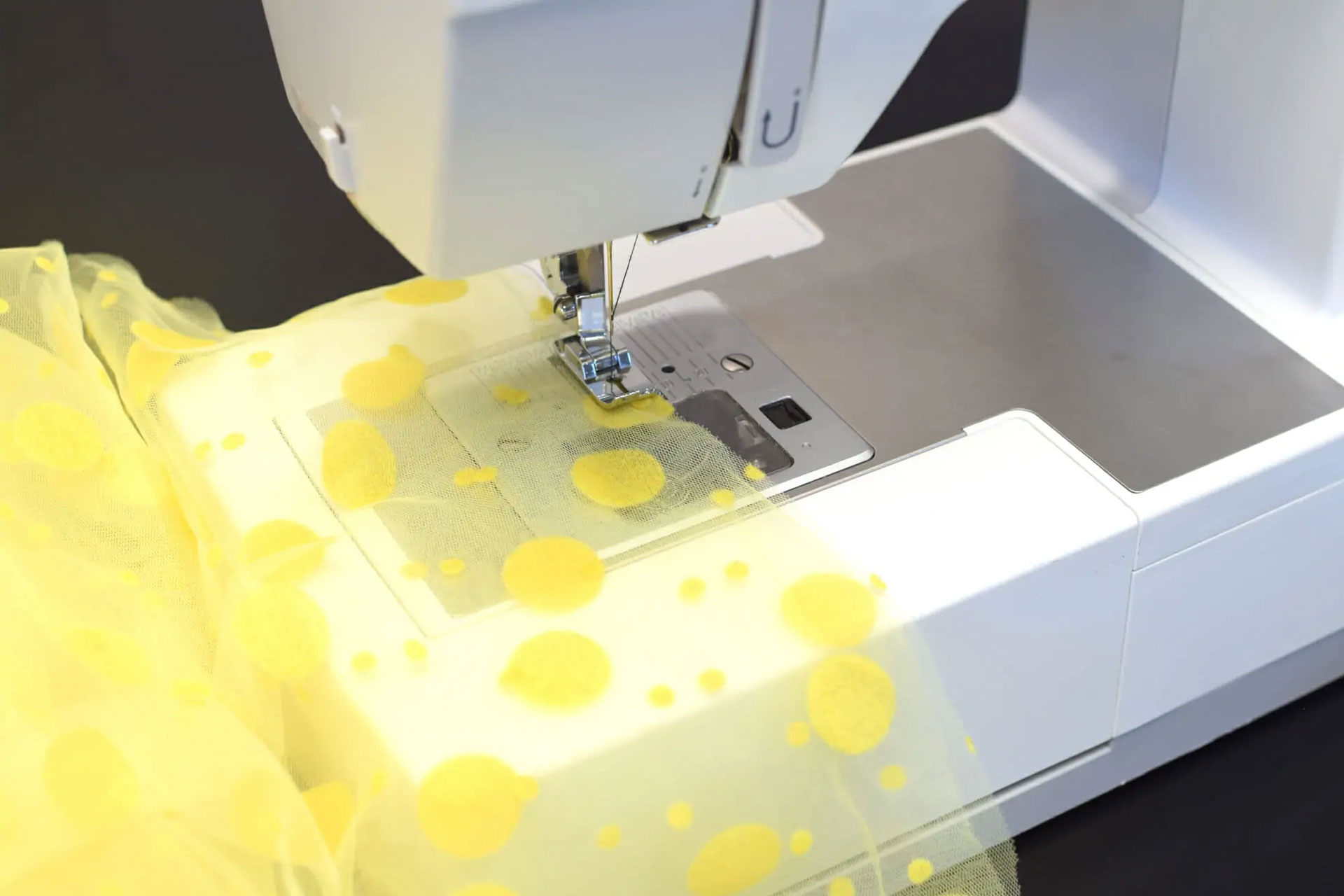
Rayon is loved for its fluid drape and silky softness—but anyone who has tried sewing rayon knows it can feel slippery, stretchy, and hard to control.
If you’re wondering how to sew rayon challis without puckering seams or shifting layers, this practical guide will walk you through expert techniques step by step.

how to sew rayon challis
Why Rayon Is Tricky to Sew
Rayon (especially rayon challis) is:
-
Lightweight and drapey
-
Slippery during cutting
-
Prone to fraying
-
Stretchy on the bias
-
Easily distorted when handled
But with the right tools and preparation, it becomes much easier to manage.
1. Pre-Wash Before You Cut
Rayon shrinks—sometimes significantly.
Always:
✔ Wash and air dry fabric before sewing
✔ Use the same method you’ll use after garment construction
✔ Press gently before cutting
Skipping pre-washing can result in a garment that shrinks after its first wash.
2. Cutting Rayon Without Shifting
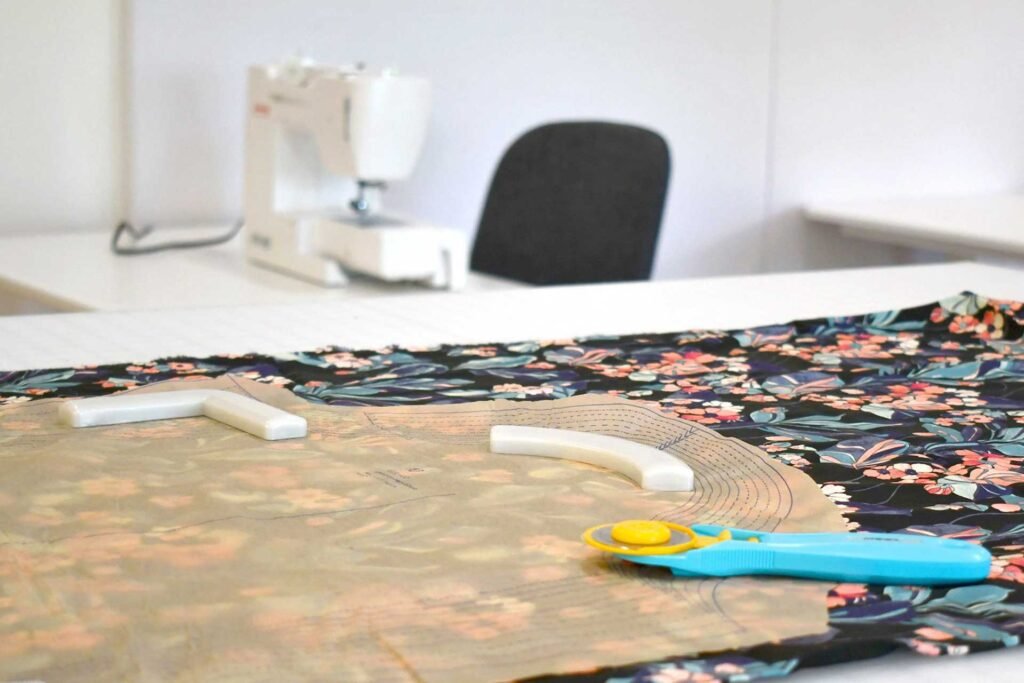
Cutting Rayon Without Shifting
Rayon challis moves easily, which leads to uneven pieces.
Expert Cutting Tips:
✔ Use a rotary cutter instead of scissors
✔ Cut in a single layer (not folded)
✔ Use pattern weights instead of pins
✔ Place tissue paper underneath to prevent sliding
Avoid hanging fabric off the cutting table—it will stretch under its own weight.
3. Best Needle & Thread for Sewing Rayon
Choosing the right needle makes a huge difference.
Recommended Needle:
-
Size 70/10 or 80/12
-
Microtex (sharp) needle for clean stitches
Thread:
-
High-quality polyester thread
-
Fine cotton thread also works
A dull needle will cause skipped stitches and fabric pulls.
4. Adjust Your Machine Settings
Rayon can pucker if tension is too tight.
Settings to Try:
✔ Slightly lower upper thread tension
✔ Short stitch length (2.0–2.5 mm)
✔ Test on scrap fabric first
Always test before sewing the final garment.
5. Stabilize While Sewing
Stabilization Techniques:
✔ Stay-stitch necklines and armholes immediately after cutting
✔ Use lightweight interfacing where structure is needed
✔ Place tissue paper under seams to prevent feed-dog stretching
For delicate rayon challis, avoid pulling fabric while sewing.
6. Managing Fraying Edges
Rayon frays quickly.
Best Seam Finishes:
-
French seams (ideal for rayon challis)
-
Narrow serged edges
-
Zigzag stitch finish
French seams are especially popular because they enclose raw edges and look professional inside and out.
7. Pressing Without Damage
Rayon wrinkles easily but is sensitive to heat.
Safe Pressing Tips:
✔ Use low to medium heat
✔ Press with steam carefully
✔ Always use a pressing cloth
✔ Lift and press—don’t drag the iron
Dragging the iron can stretch and distort the fabric.
8. Best Projects for Rayon Challis
Rayon challis is perfect for:
-
Flowy dresses
-
Blouses
-
Wide-leg pants
-
Skirts
-
Lightweight summer garments
Avoid structured garments that require heavy tailoring unless using interfacing.
9. Common Mistakes When Sewing Rayon
❌ Skipping pre-wash
❌ Using a universal needle for too long
❌ Pulling fabric while stitching
❌ Cutting on a hanging edge
❌ Using high heat when pressing
Small adjustments make a big difference.
Quick Sewing Checklist
Before you begin sewing rayon:
✔ Pre-wash and press
✔ Cut single layer
✔ Use Microtex needle 70/10
✔ Short stitch length
✔ Stay-stitch curves
✔ Finish seams properly
✔ Press gently
Final Thoughts
Sewing rayon doesn’t have to be intimidating.
Once you control cutting, stabilization, and seam finishing, sewing rayon challis becomes manageable—and the payoff is worth it. Few fabrics offer such beautiful drape and comfort in warm-weather garments.