In the world of textiles, few fabrics evoke the same sense of elegance and ethereal beauty as chiffon. Whether it’s flowing down a red carpet or adding a delicate layer to home decor, chiffon is a staple for designers who prioritize drape and transparency. However, for many buyers, the technicalities of this fabric can be confusing.
This guide provides a comprehensive look into the nature of chiffon, its unique characteristics, and how it compares to other popular textiles like silk and satin.
1. Decoding Chiffon: Definition and Pronunciation
Before diving into its applications, it is essential to clarify what is chiffon at a technical level.
-
Pronunciation: The word 'chiffon' is pronounced [ʃɪˈfɒn] (shiff-ON). It originates from the French word chiffon, which historically meant a 'rag' or 'piece of cloth.'
-
The Definition: Contrary to popular belief, chiffon is not a specific fiber. Instead, chiffon definition refers to a specific weaving technique. It is a plain-weave fabric constructed with highly twisted 'crepe' yarns. By alternating S-twist and Z-twist yarns, weavers create a fabric that is slightly rough to the touch but exceptionally stretchy and resilient.
2. Key Characteristics: Why Designers Love Chiffon
Chiffon is prized for a distinct set of physical properties that make it stand out from other woven materials:
-
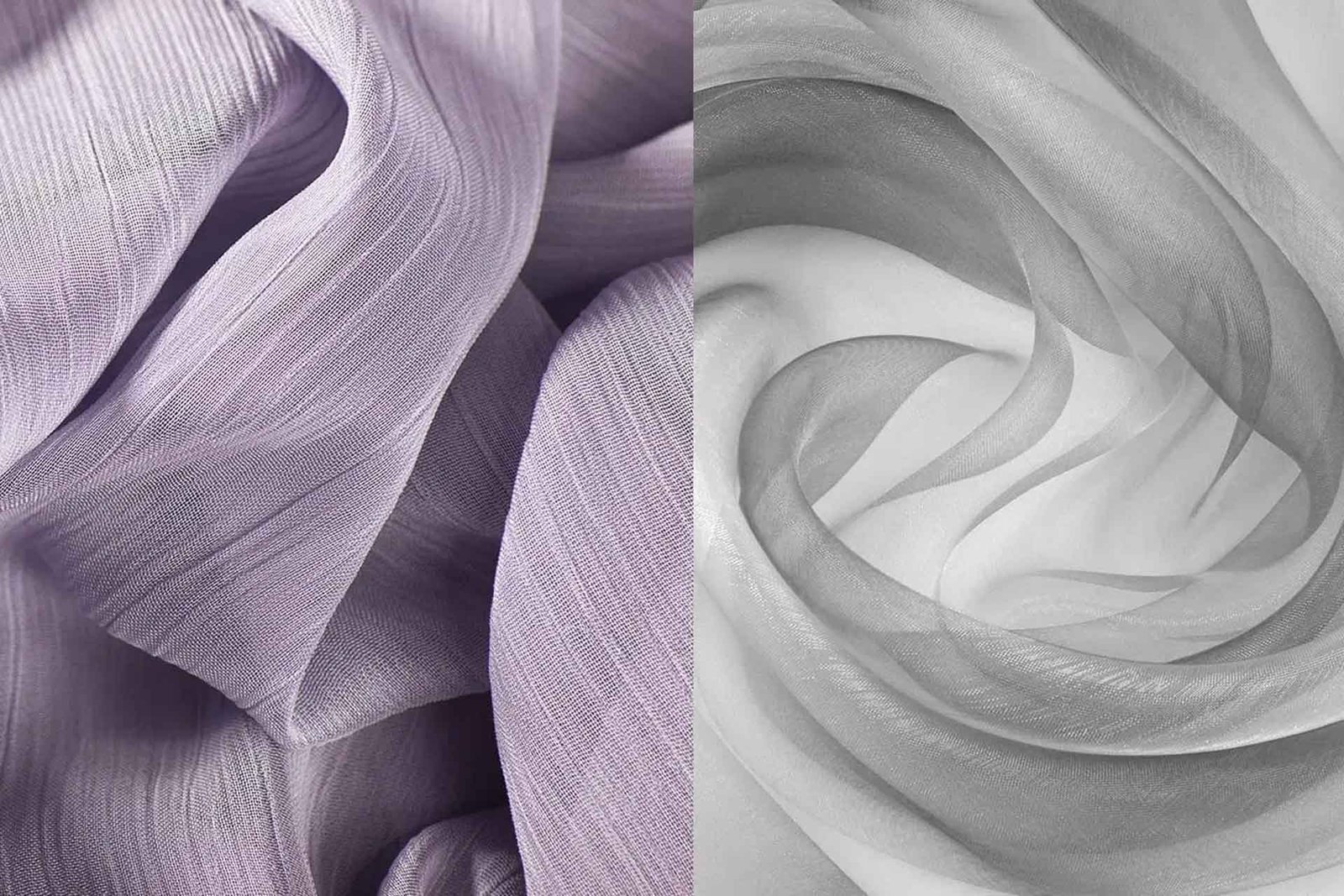
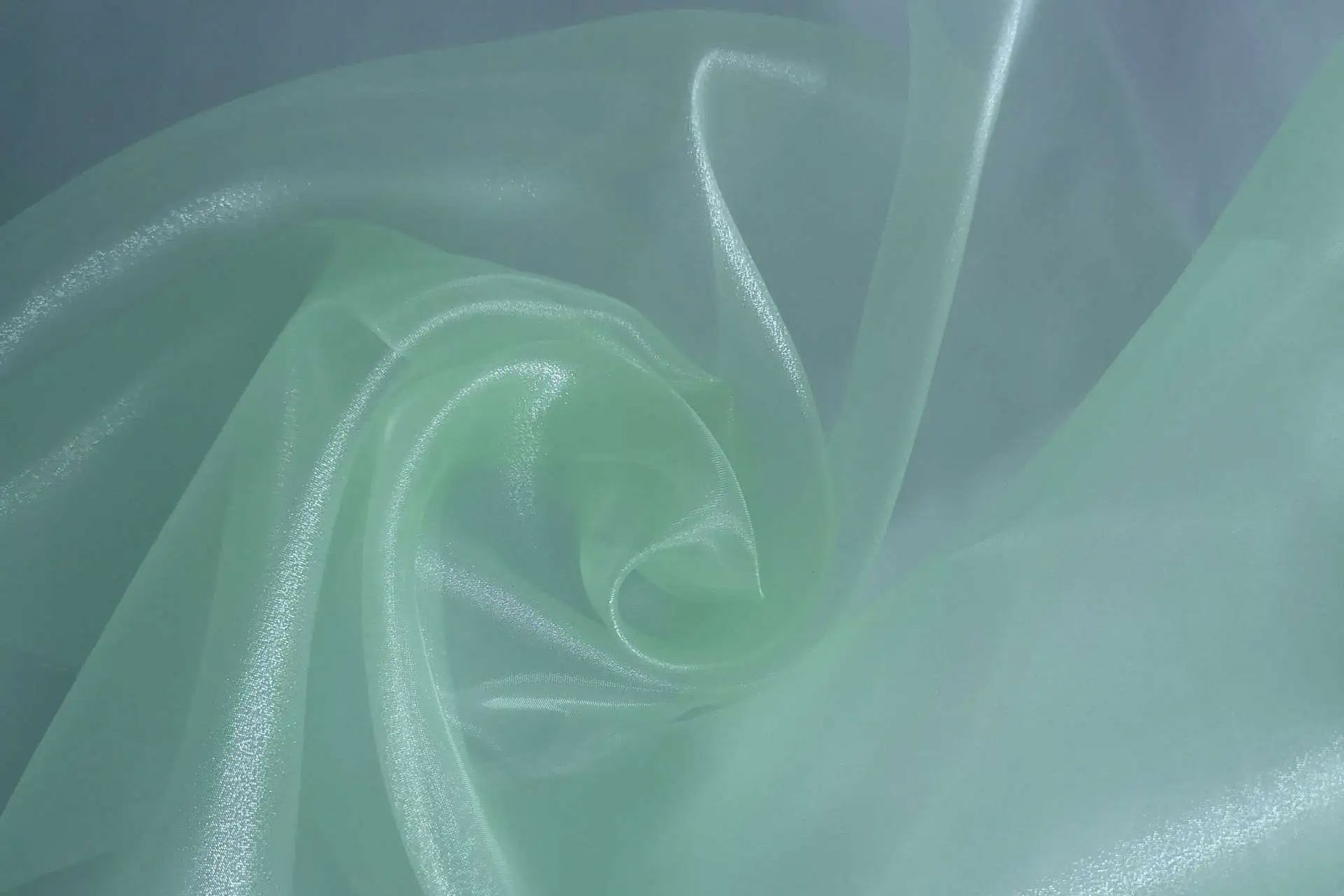
Sheer Transparency: The most defining trait of chiffon is its sheer nature. Because of the fine yarns and open weave, it is semi-transparent, often requiring a lining or being used in multiple layers to achieve opacity.
-
Fluid Drape: Chiffon is incredibly lightweight. It does not hold a rigid shape; instead, it flows with the movement of the wearer, making it the premier choice for ethereal gowns and scarves.
-
Textured Feel: To the touch, chiffon has a slightly granular or 'sand-like' feel. This is the result of the high-twist yarns, which give the fabric a subtle friction and prevent it from being as slippery as silk or satin.
3. The Deep Dive: Chiffon vs Silk
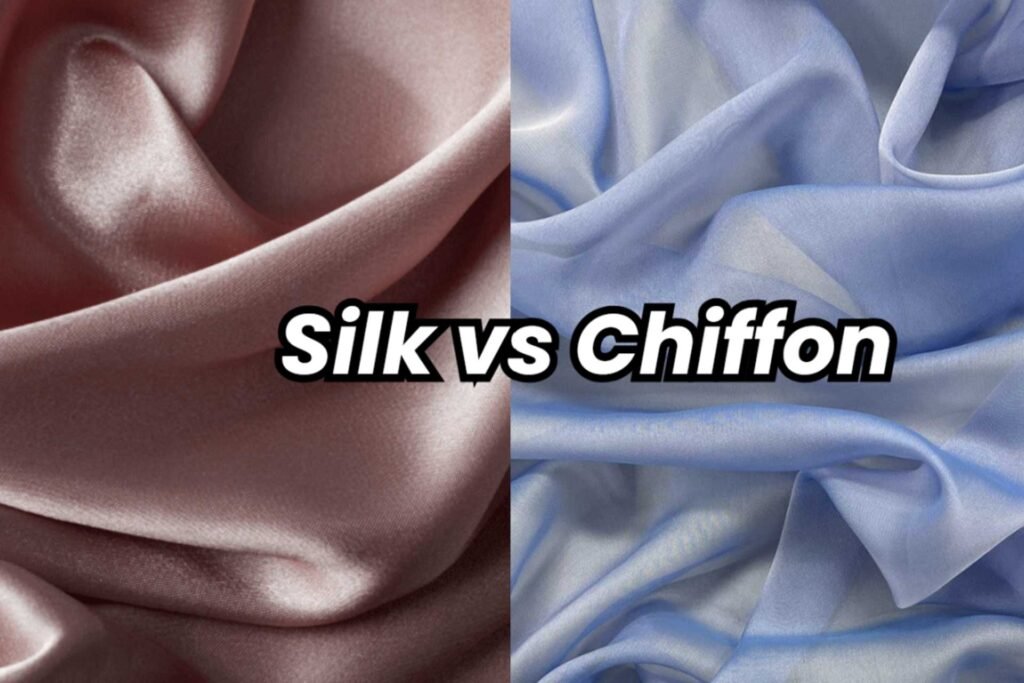
Chiffon vs Silk
One of the most frequent points of confusion is the relationship between chiffon vs silk.
The simplest way to understand the difference is: Silk is the fiber, and chiffon is the weave.
-
Silk Chiffon: This is the luxury standard. It is made from natural silk fibers, offering a soft luster and organic breathability. However, it is delicate and requires professional dry cleaning.
-
Synthetic Chiffon: Most modern chiffon is made from polyester or nylon. While it lacks the prestigious 'hand' of silk, it is far more durable, color-fast, and affordable for mass production.
4. Chiffon vs Satin: Understanding the Contrast
When choosing a fabric for evening wear, the difference between satin and chiffon is a critical design decision. These two fabrics represent opposite ends of the visual and tactile spectrum.
| Feature | Chiffon | Satin |
| Opacity | Sheer and transparent | Opaque and solid |
| Luster | Matte or subtle shimmer | High-gloss, reflective shine |
| Weight | Extremely lightweight | Medium to heavy weight |
| Texture | Slightly rough/grainy | Smooth and slippery |
| Structure | Flowing and unstructured | Holds shape and silhouettes |
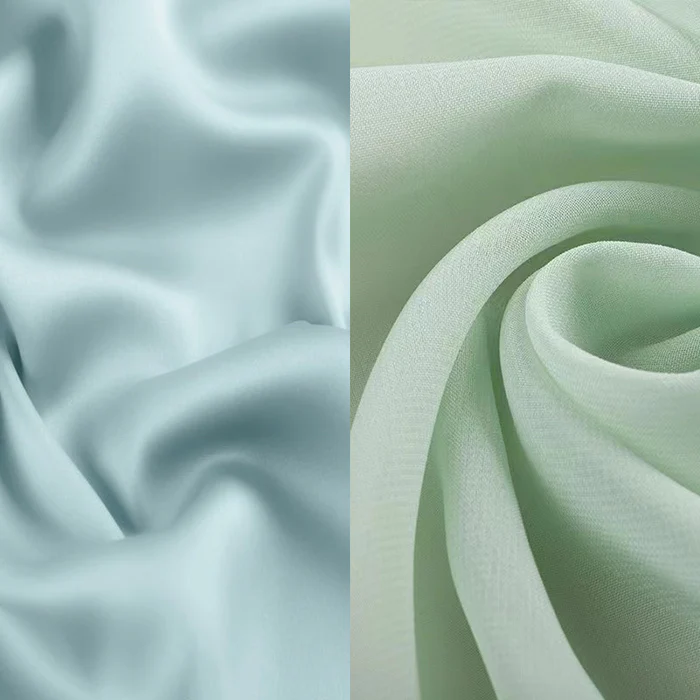
chiffon vs satin
5. Professional Applications: From Fashion to Decor
Understanding chiffon fabric types allows for better application in professional projects:
-
Evening Wear & Bridal: Layering silk or polyester chiffon over satin to add depth and movement to skirts.
-
Accessories: Lightweight scarves and chiffon ribbons that provide a soft, airy finish.
-
Home Textiles: Window sheers that allow natural light to filter through while maintaining privacy.
Selecting the right chiffon starts with recognizing that quality is found in the consistency of the weave and the integrity of the fibers used. By mastering these distinctions, designers can ensure their finished pieces carry the exact weight, transparency, and elegance intended.