In the textile industry, the term 'Satin' describes a weave, not a material. For those seeking professional-grade fabrics, understanding the technical satin weave structure is crucial. One of the most important specifications you will encounter is the 'Harness' count.
Whether you are sourcing material for high-fashion draping or industrial applications, the number of harnesses determines how the fabric will perform under tension and how it will catch the light.
What Does 'Harness' Mean in Weaving?
In traditional weaving, a Harness (also known as a shaft) is the frame that holds the heddles, which lift the warp threads. In a satin weave, the harness count refers to the total number of threads in one 'repeat' of the pattern.
For example, in an 8 harness satin, a single warp thread 'floats' over seven weft threads before interlacing with the eighth. This creates long, uninterrupted lines of fiber on the surface of the cloth.
Performance Differences: 4 vs. 5 vs. 8 Harness
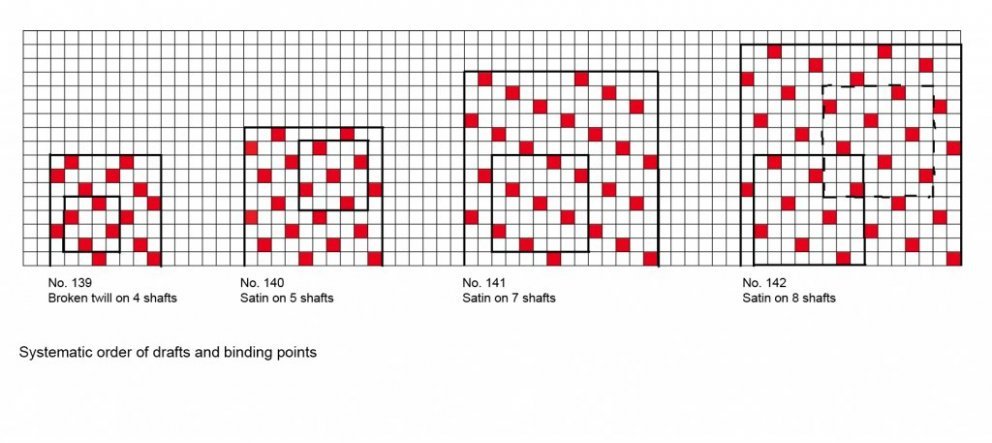
harness satin weave
As the harness count increases, the physical characteristics of the fabric change dramatically:
1. 4-Harness Satin Weave (Crowfoot Satin)
The 4-harness structure is the most stable of the satin family. Because the threads interlace more frequently (crossing every fourth thread), it offers better resistance to snagging and shifting. However, it is slightly less pliable and has a more subdued luster compared to higher harness counts.
2. 5-Harness Satin Weave
The 5 harness satin weave is widely considered the 'industry standard' for high-quality apparel. It strikes an ideal balance between durability and aesthetics, offering a smooth, buttery hand-feel and excellent drape without being overly fragile.
3. 8-Harness Satin Weave
The 8 harness satin is the pinnacle of flexibility. Because there are fewer interlacing points (crossing only every eighth thread), the fabric can be easily molded around complex curves.
-
The Upside: Highest luster and the most fluid drape.
-
The Downside: The long 'floats' make the fabric more prone to snagging (catching on jewelry or rough surfaces) and less structurally stable.
Specialized Applications: Beyond Fashion
The satin weave isn't just for evening gowns. In the world of high-performance materials, satin weave carbon fiber is a staple.
Because an 8-harness satin is so flexible (or 'conformable'), it is the preferred weave for carbon fiber used in aerospace and automotive parts with complex, rounded geometries. The satin structure allows the rigid carbon fibers to follow tight contours that a plain weave simply couldn't handle, proving that this weave is as much about engineering as it is about elegance.
Precision in Every Thread
At TextileCloth.com, we believe that professional results begin with technical precision. Understanding the difference between a 5-harness and an 8-harness weave allows you to choose a material that matches the specific demands of your project.
When you examine our fabric close-ups, you will see the consistency of our satin weave structure. We take pride in the tightness of our interlacing points and the uniformity of our floats, ensuring that whether you choose a robust 4-harness or a fluid 8-harness material, the structural integrity of the weave remains uncompromised. For projects where every millimeter of drape matters, choosing a supplier that respects the science of weaving is essential.