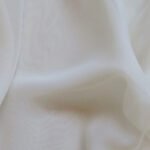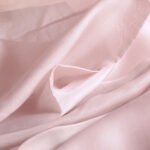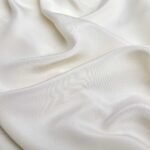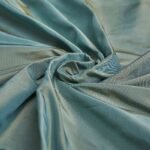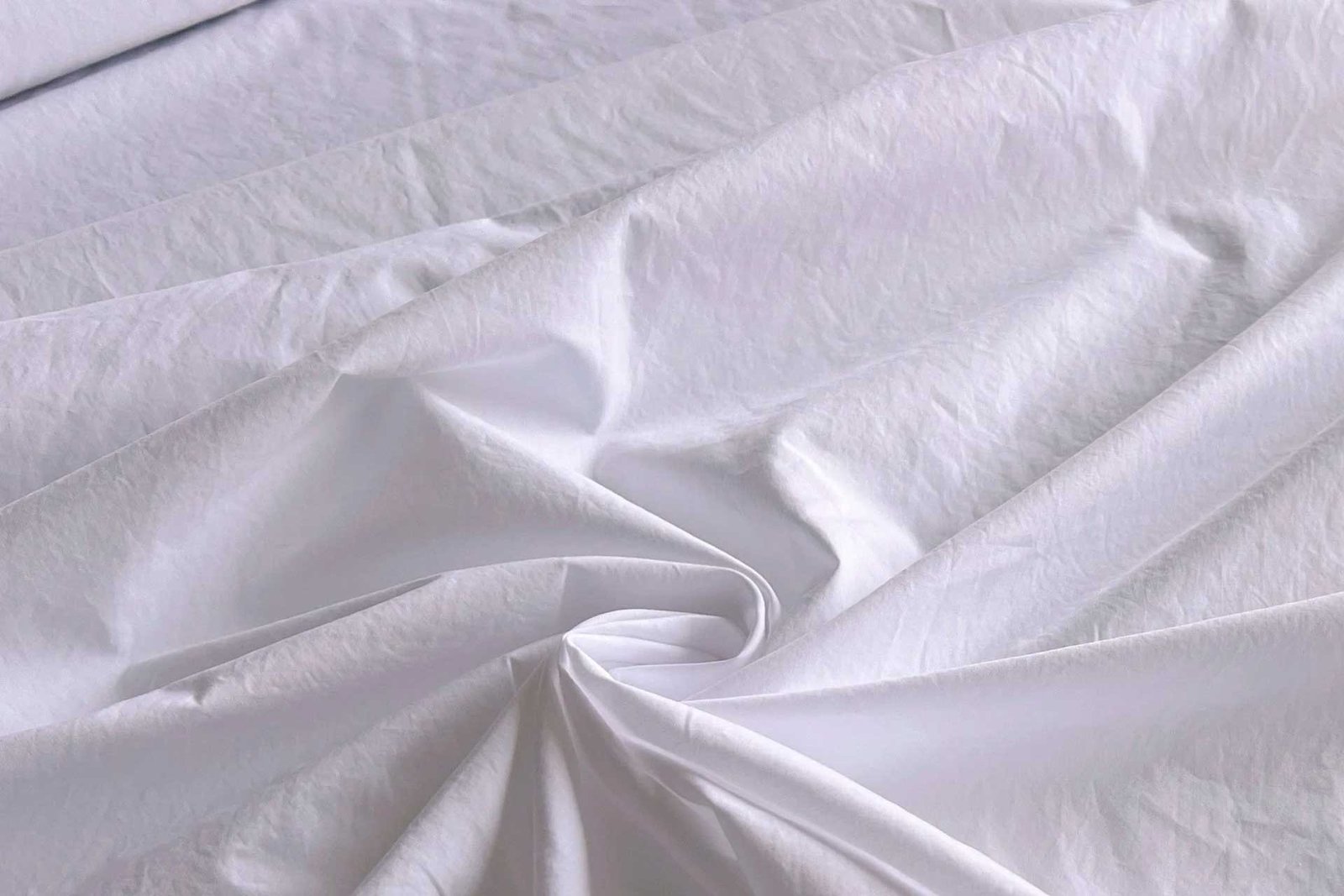
Habotai silk is one of the lightest and most versatile silk fabrics used in the textile and fashion industry. Known for its smooth texture, lightweight feel, and soft sheen, this fabric has become a popular choice for garments, linings, scarves, and decorative textiles.
Often referred to as “China silk,” habotai silk fabric has been produced in East Asia for centuries and remains widely used in both fashion design and textile manufacturing.
In this guide, we’ll explore what habotai silk is, its key characteristics, common uses, and how to choose high-quality silk habotai fabric.
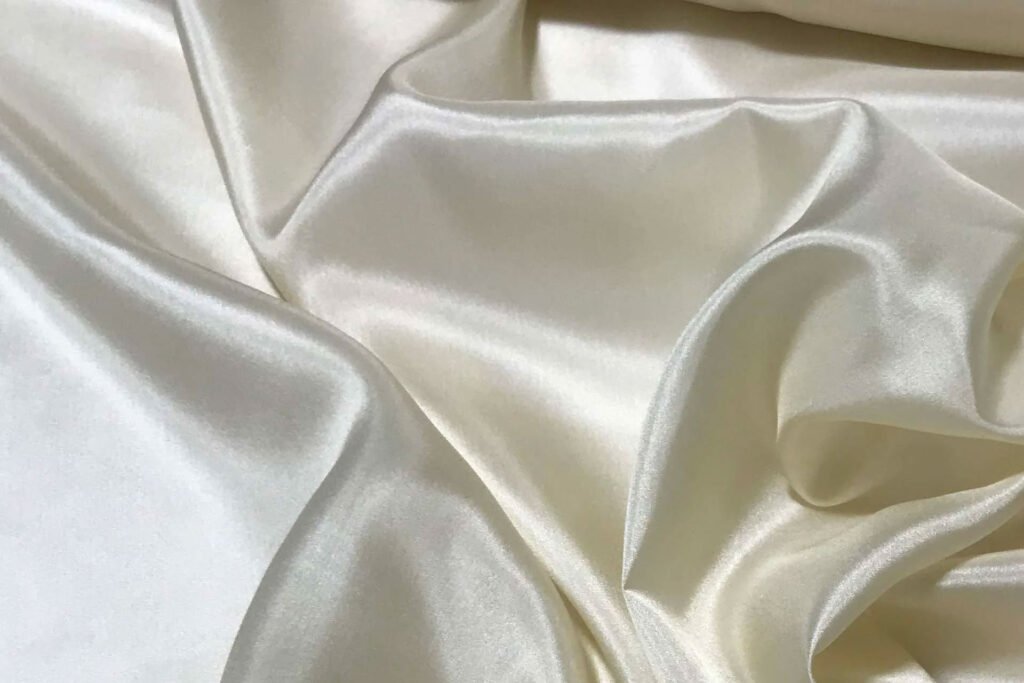
silk habotai fabric
What Is Habotai Silk?
Habotai silk is a lightweight silk fabric traditionally woven using a plain weave structure. The name “habotai” comes from a Japanese word meaning “soft as down feathers,” which reflects the fabric’s smooth and delicate texture.
Compared with many other silk fabrics, habotai silk is typically:
-
Lightweight
-
Smooth and soft
-
Slightly glossy
-
Flexible and easy to drape
Because of its simple weave structure, silk habotai fabric is often used as a base fabric for dyeing, printing, and garment linings.
Key Characteristics of Silk Habotai Fabric
Habotai silk has several features that distinguish it from other silk fabrics.
1. Lightweight Construction
One of the defining characteristics of habotai silk is its light weight. The fabric is usually produced in lighter momme weights, making it ideal for garments that require softness and movement.
This makes habotai silk suitable for:
-
Scarves
-
Lightweight clothing
-
Summer garments
2. Smooth Texture
Silk habotai fabric has a soft and smooth surface, which feels comfortable against the skin.
Although it is smooth, it typically has less shine than satin or charmeuse fabrics.
3. Soft Natural Sheen
Habotai silk has a subtle natural luster rather than a strong glossy finish. This understated elegance makes it suitable for both fashion and decorative uses.
4. Excellent Dyeing Ability
Because of its plain weave and fine structure, habotai silk absorbs dyes extremely well. This makes it a popular fabric for:
-
Digital printing
-
Hand painting
-
Custom textile designs
5. Breathable and Comfortable
Like other natural silk fabrics, habotai silk is breathable and temperature-regulating, making it comfortable to wear in different climates.
Common Uses of Habotai Silk Fabric
Thanks to its lightweight and versatility, habotai silk fabric is used in many different applications.
Garment Linings
One of the most common uses of habotai silk is lining for clothing. Designers often use it inside jackets, dresses, and coats because it is:
-
Lightweight
-
Smooth against the skin
-
Comfortable to wear
Scarves and Accessories
Silk habotai fabric is widely used to create lightweight scarves and fashion accessories.
The fabric drapes beautifully and works well with printed designs.
Dresses and Blouses
Habotai silk is also used for soft and lightweight garments, especially those designed for warm weather.
Common clothing items include:
-
Blouses
-
Summer dresses
-
Loose garments
Decorative and Craft Textiles
Because it absorbs dye well, habotai silk is frequently used in textile art and decorative applications, including:
-
Silk painting
-
Custom printed fabrics
-
Decorative home textiles
Habotai Silk vs Other Silk Fabrics
To better understand silk habotai fabric, it helps to compare it with other common silk fabrics.
| Fabric | Weight | Texture | Typical Use |
|---|---|---|---|
| Habotai Silk | Lightweight | Smooth | Linings, scarves |
| Silk Satin | Medium | Glossy | Evening wear |
| Silk Chiffon | Very lightweight | Sheer | Dresses, overlays |
| Silk Crepe | Medium | Textured | Blouses, dresses |
Compared with these fabrics, habotai silk is generally lighter and simpler in structure, making it ideal for versatile textile applications.
Habotai Silk Fabric Weight (Momme)
Silk fabrics are often measured in momme (mm), which indicates the weight and density of the fabric.
Typical silk habotai fabric weights include:
| Momme | Description |
|---|---|
| 6 mm | Very lightweight |
| 8 mm | Lightweight |
| 10 mm | Medium-light |
| 12 mm | Slightly heavier habotai |
Lighter weights are commonly used for scarves and linings, while heavier versions may be used for garments.
Advantages of Silk Habotai Fabric
Habotai silk offers several advantages that make it a valuable material in the textile industry.
Lightweight and Comfortable
Its light weight makes it ideal for garments that require comfort and flexibility.
Smooth and Skin-Friendly
The soft surface feels comfortable against the skin, making it suitable for clothing and accessories.
Versatile Applications
Silk habotai fabric works well for fashion, decorative textiles, and printing applications.
Excellent Dyeing Performance
The fabric absorbs color easily, making it ideal for custom designs and textile art.
How to Choose High-Quality Habotai Silk
When sourcing silk habotai fabric, several factors should be considered.
Fiber Purity
Look for products labeled:
-
100% habotai silk
-
pure silk habotai fabric
These ensure the fabric is made from natural silk fibers.
Fabric Weight
Choose the appropriate momme weight depending on the intended use.
For example:
-
6–8 mm → scarves and lightweight garments
-
10–12 mm → clothing and decorative textiles
Surface Quality
High-quality habotai silk should have:
-
Smooth texture
-
Consistent weave
-
Even color absorption
Reliable Fabric Supplier
For clothing brands and textile buyers, working with a professional supplier ensures:
-
Stable production quality
-
Consistent fabric specifications
-
Reliable global supply
Why Habotai Silk Remains Popular
Despite the wide range of silk fabrics available today, habotai silk remains popular because it offers simplicity, versatility, and comfort.
Designers appreciate it for its:
-
Lightweight feel
-
Easy dyeing properties
-
Flexible applications
These qualities make silk habotai fabric a valuable material in both fashion production and textile design.
Conclusion
Habotai silk is a lightweight, smooth, and versatile silk fabric widely used for clothing linings, scarves, lightweight garments, and decorative textiles. With its soft texture, subtle sheen, and excellent dyeing performance, silk habotai fabric remains an important material in the global textile industry.
Whether used for fashion design, textile printing, or garment manufacturing, habotai silk offers a practical and elegant silk solution.
Looking for a Reliable Silk Fabric Supplier?
If you are sourcing habotai silk or other silk fabrics for fashion production or textile distribution, we can help.
Our company specializes in exporting high-quality silk fabrics to global markets, offering stable supply, competitive pricing, and strict quality control.
Contact us today to request samples or learn more about our silk habotai fabric collections for your next project.