Organza is famous for its sheer beauty, crisp texture, and elegant drape, making it a favorite fabric in bridal fashion, eveningwear, and decorative textiles. However, when choosing organza, buyers often face an important decision: silk organza or polyester organza?
Both fabrics share a similar transparent appearance, but they differ significantly in fiber composition, price, durability, and application. In this guide, we’ll compare silk organza fabric, polyester organza, and 100% silk organza to help you choose the right material for your project.
What Is Silk Organza Fabric?
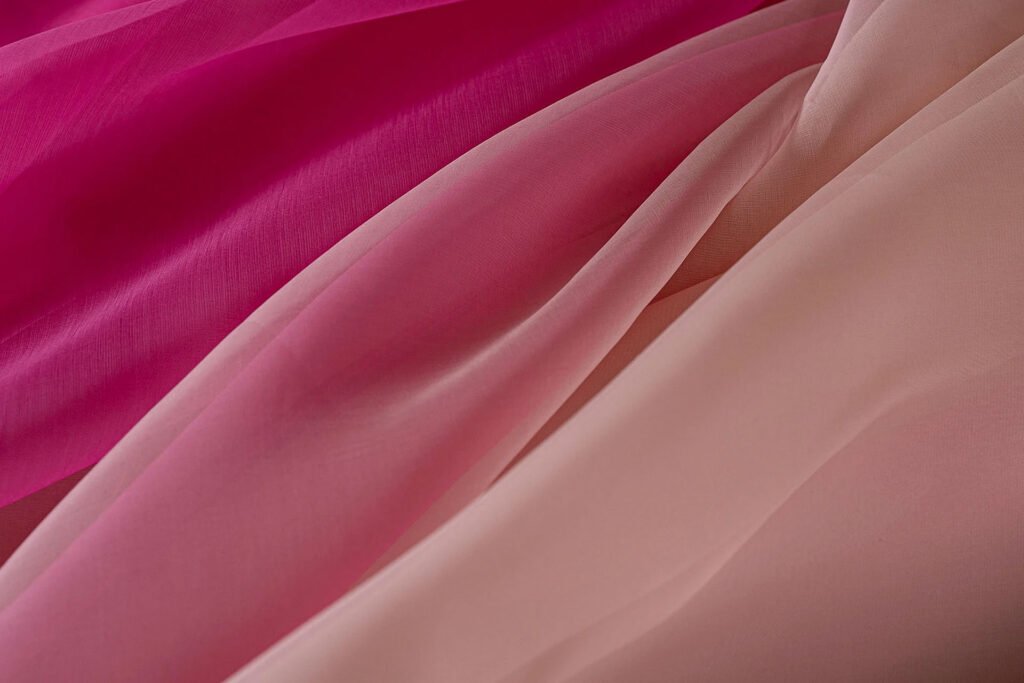
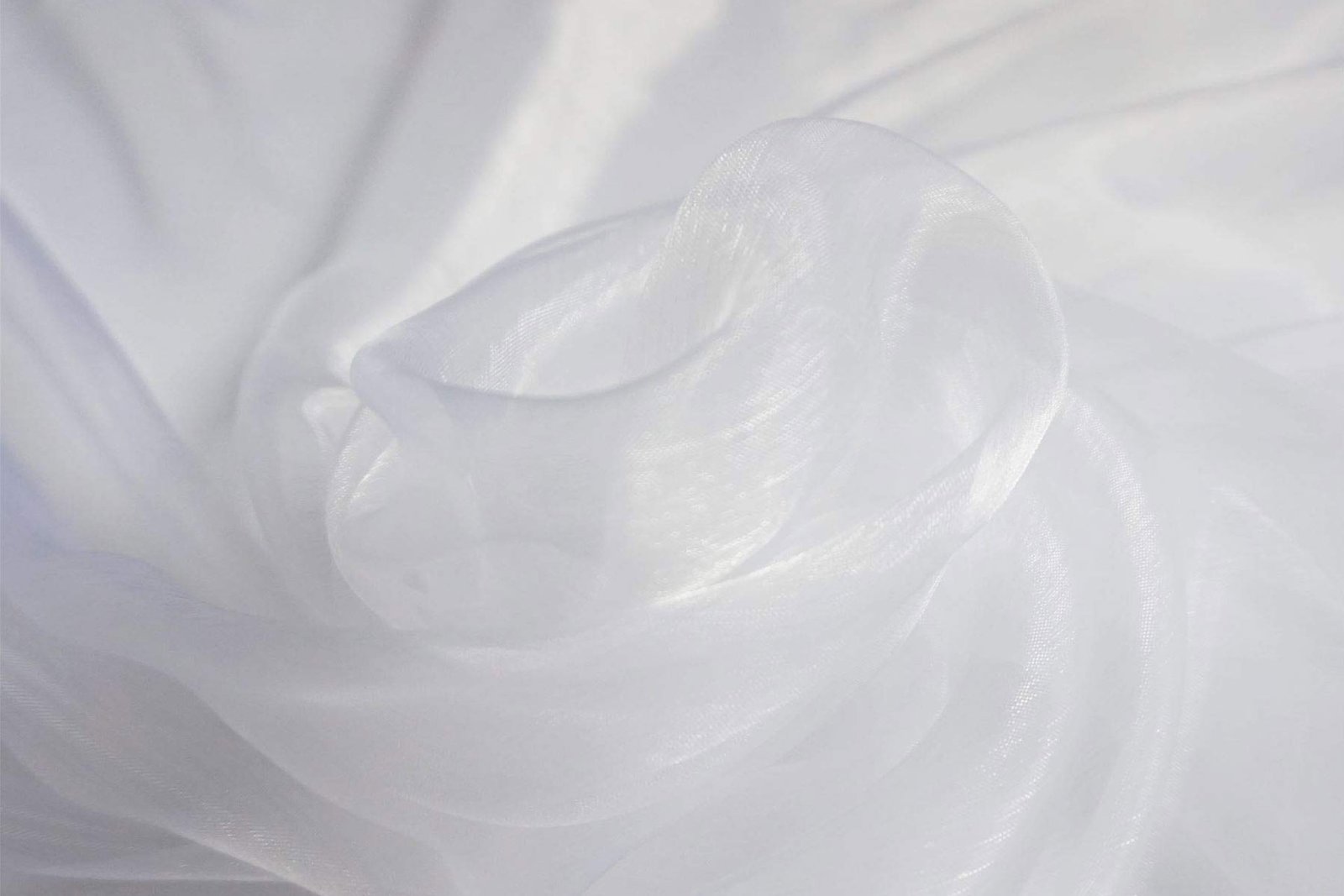
Silk organza fabric
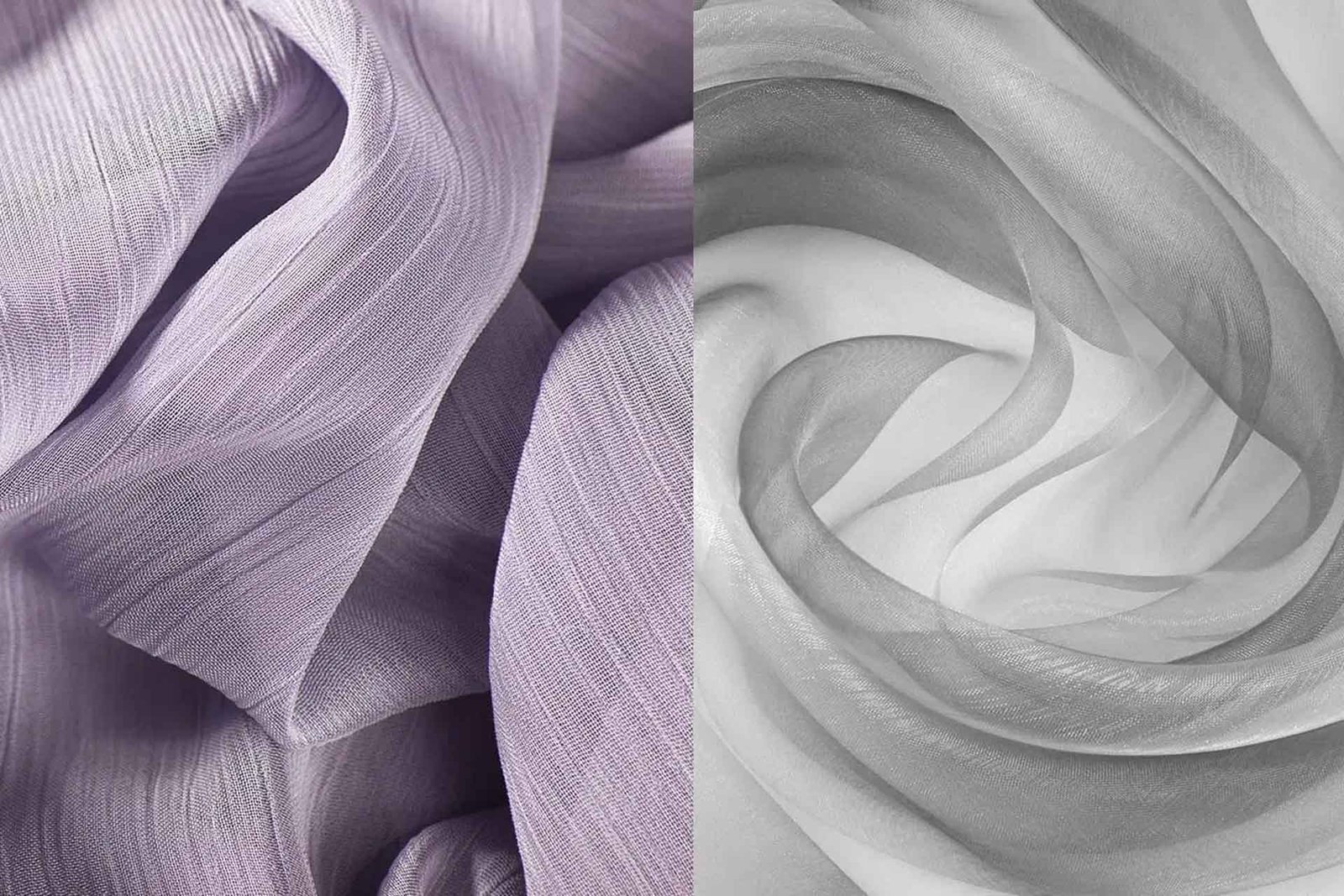
Silk organza fabric is the traditional and most luxurious type of organza, made from 100% silk fibers. It is known for its crisp hand feel, natural sheen, and exceptional strength despite its lightweight structure.
Characteristics of 100% silk organza
-
Natural silk fibers
-
Crisp yet smooth texture
-
Elegant, subtle shine
-
Lightweight but strong
-
Excellent structure for couture designs
Because of these properties, 100 silk organza is commonly used in high-end fashion and bridal wear.
Common uses
-
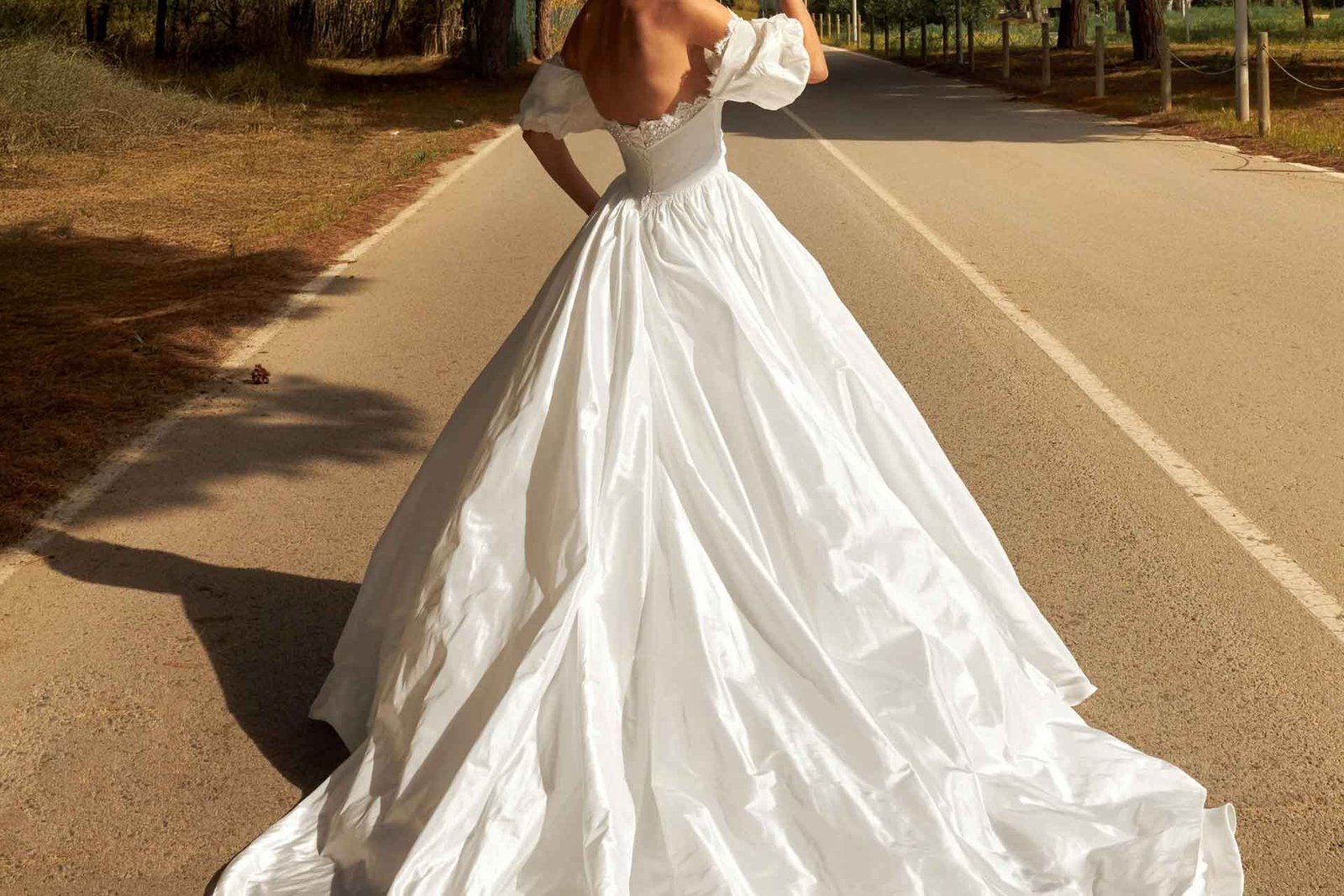
wedding gowns
-
couture dresses
-
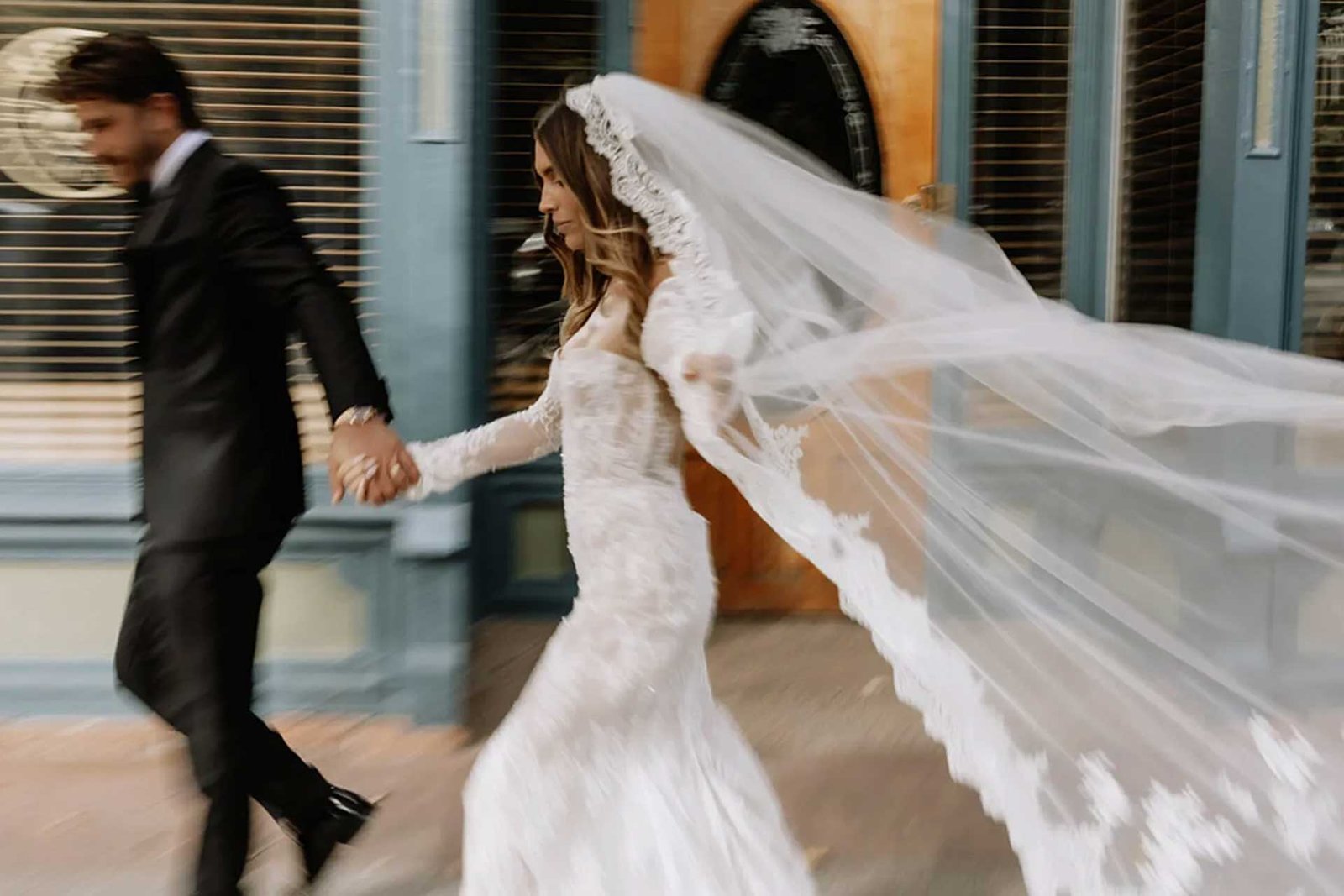
bridal veils
-
luxury eveningwear
-
high-end fashion layering
Silk organza is particularly valued in haute couture because it holds shape beautifully for ruffles, pleats, and voluminous silhouettes.
What Is Polyester Organza?
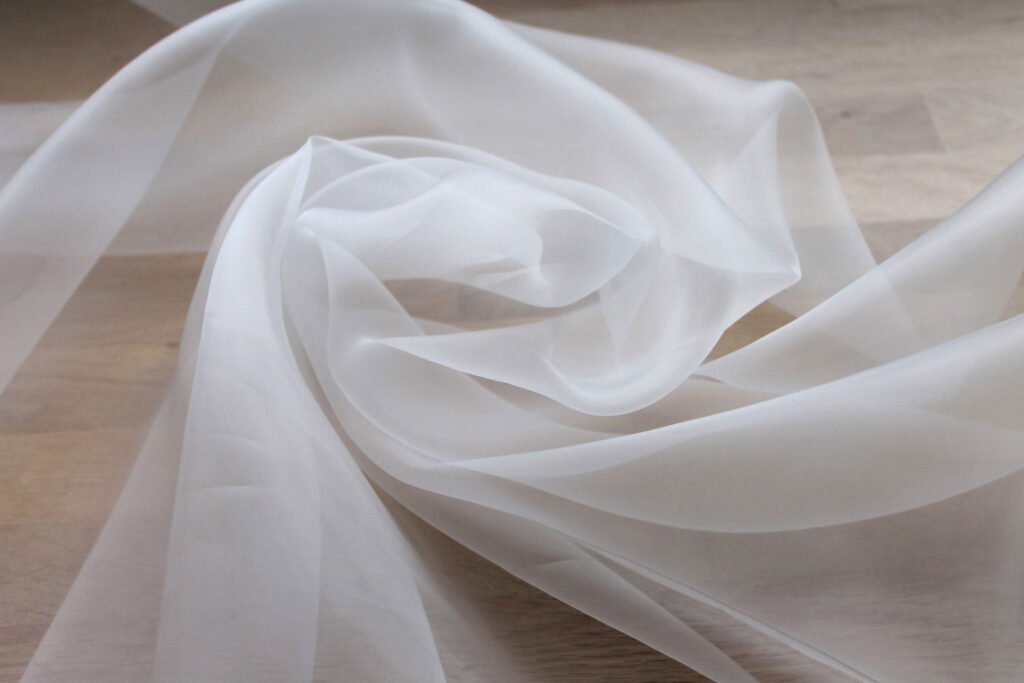
Polyester organza
Polyester organza is a synthetic alternative made from polyester fibers. It mimics the look of silk organza but is more affordable and easier to maintain.
Characteristics of polyester organza
-
synthetic fiber construction
-
slightly stiffer texture
-
brighter or more reflective shine
-
wrinkle-resistant
-
more durable for everyday use
Because of its practicality, polyester organza is widely used in event decorations and mass-produced fashion.
Common uses
-
party dresses
-
decorative bows and ribbons
-
event décor and table runners
-
curtains and crafts
-
costume design
Polyester organza offers a similar visual effect at a much lower cost, making it popular for large-scale projects.
Silk Organza vs Polyester Organza: Key Differences
| Feature | Silk Organza | Polyester Organza |
|---|---|---|
| Fiber type | Natural silk | Synthetic polyester |
| Texture | Softer and more luxurious | Slightly stiffer |
| Shine | Elegant natural sheen | Brighter synthetic shine |
| Price | High | Affordable |
| Breathability | Excellent | Moderate |
| Durability | Strong but delicate | More resistant to wear |
| Care | Dry clean recommended | Easier to wash and maintain |
In general, silk organza is preferred for luxury fashion, while polyester organza is favored for cost-effective decorative use.
Price Comparison
Typical price ranges
100% silk organza
-
$30 – $80 per yard depending on quality
-
couture-grade silk may be even higher
Polyester organza
-
$3 – $10 per yard
-
decorative versions can be even cheaper in bulk
Because of this dramatic price gap, polyester organza is often chosen for decorations, crafts, and large events where large quantities are required.
Which Organza Should You Choose?
Your choice depends on budget, purpose, and design goals.
Choose silk organza if you want
-
luxury fashion fabrics
-
natural fiber materials
-
soft and elegant sheen
-
couture-quality garments
Choose polyester organza if you want
-
affordable sheer fabric
-
durable event decorations
-
easy-care material
-
large-scale production
Both fabrics have their advantages, and the right option depends on whether you prioritize luxury or practicality.
Final Thoughts
Although they look similar, silk organza fabric and polyester organza serve different purposes.
-
100% silk organza delivers unmatched elegance, natural sheen, and luxury quality.
-
Polyester organza provides affordability, durability, and easy maintenance.
Understanding these differences helps designers, fashion brands, and DIY creators choose the best organza material for their projects, whether it’s a couture bridal gown or decorative event fabric.