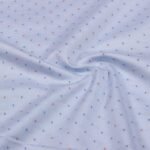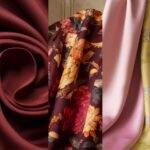
Custom embroidery patches are widely used in sports uniforms, team apparel, corporate branding, and military insignia. One of the most popular base materials for these patches is twill fabric, valued for its durability and smooth surface.
If you're searching for twill for patches, embroidery twill, or tackle twill material, understanding the differences between fabric types can help you choose the right material for your embroidery project.
This guide explains what tackle twill is, why poly twill fabric is commonly used for patches, and how to achieve professional embroidery results on twill fabrics.
What Is Twill for Patches?
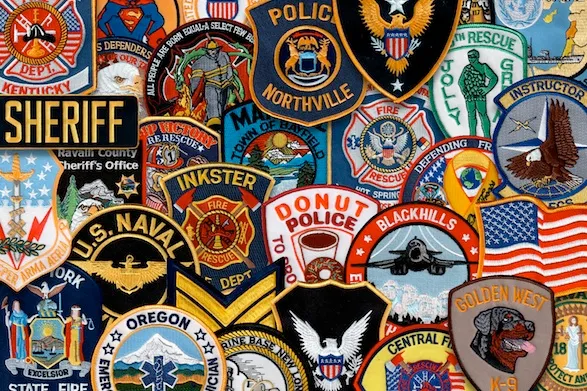
Embroidered Twill Patches
Twill for patches refers to twill-woven fabric used as the base material for embroidered patches and appliqué designs.
The twill weave structure creates a tight, durable surface with a subtle diagonal pattern, making it ideal for embroidery.
Why twill works well for patches
-
strong and durable fabric structure
-
smooth surface for clean embroidery stitching
-
resistant to fraying and distortion
-
easy to cut into shapes
Because of these benefits, embroidery twill is widely used for:
-
sports team logos
-
school patches
-
company badges
-
military insignia
What Is Tackle Twill?
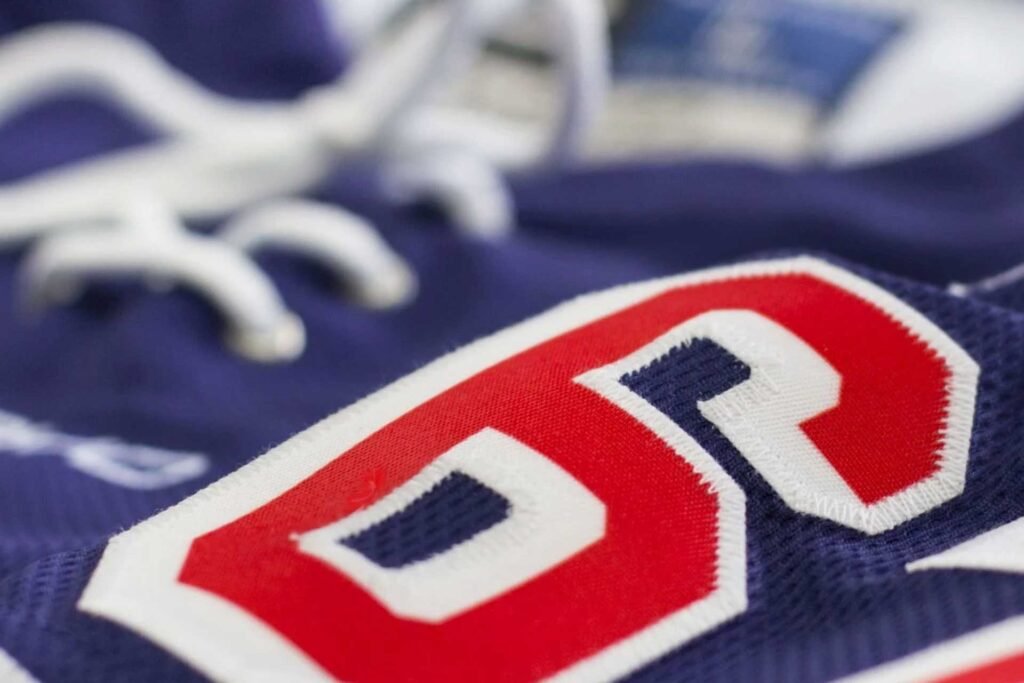
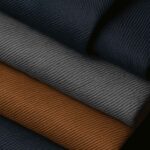
Tackle twill
Tackle twill is a type of twill fabric used in appliqué embroidery, especially on sports uniforms.
Instead of stitching letters directly onto garments, designers cut letters or numbers from twill fabric and sew them onto the fabric using embroidery stitches.
This technique creates a bold, raised effect that is durable and highly visible.
Common uses of tackle twill
-
baseball jerseys
-
football uniforms
-
varsity jackets
-
team apparel
Sports teams favor tackle twill because it provides strong durability and a classic athletic appearance.
Poly Twill vs Cotton Twill for Patches
When selecting embroidery twill fabric, the most common choice is poly twill fabric.
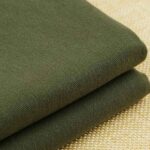
Poly twill fabric for patches
Poly twill fabric for patches
Polyester twill offers several advantages:
-
excellent durability
-
strong resistance to fraying
-
smooth embroidery surface
-
works well with heat press applications
Because of these qualities, poly twill is widely used in commercial patch production.
Cotton twill for patches
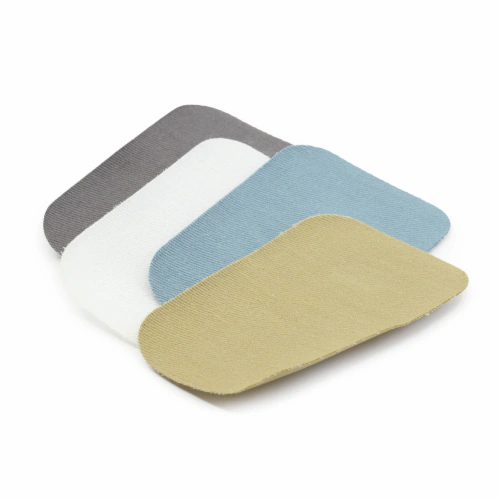
Cotton twill for patches
Cotton twill can also be used but has some limitations.
Advantages:
-
natural fiber feel
-
softer texture
Disadvantages:
-
edges may fray more easily
-
less suitable for heat transfer processes
For most professional patch manufacturing, poly twill fabric is the preferred material.
Why Twill Is Ideal for Embroidery
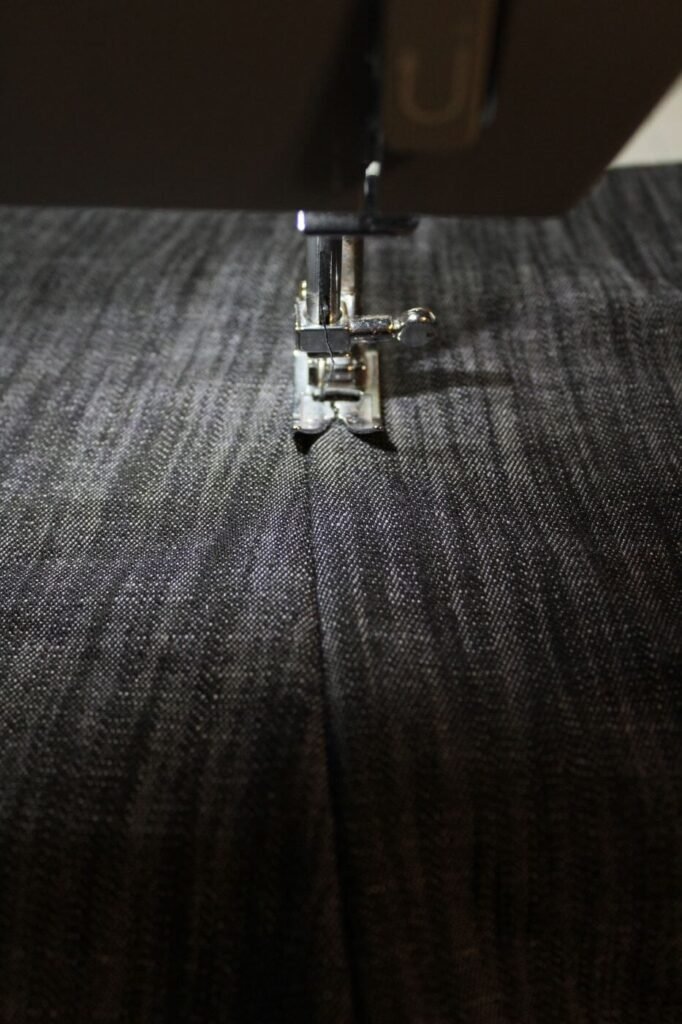
Twill is stable surface for stitching
Twill fabrics are widely used in embroidery because they provide a stable surface for stitching.
Key advantages for embroidery
Stable weave structure
Twill holds stitches securely without distortion.
Smooth embroidery surface
The fabric texture supports clean and detailed designs.
Durability
Patches made with twill fabric withstand frequent washing and wear.
These properties make embroidery twill ideal for professional patch production and custom branding.
DIY Tips for Embroidering on Twill Fabric
If you're creating custom patches or working with tackle twill material, these tips can improve your results.
1. Use stabilizer backing
A stabilizer prevents fabric movement and ensures clean embroidery stitching.
2. Choose the right needle
Embroidery needles (size 75/11 or 80/12) work well for most twill fabrics.
3. Seal patch edges
To prevent fraying, you can:
-
use satin stitch borders
-
apply heat-cut edges
-
add merrowed borders
4. Test before production
Always run a test embroidery sample to ensure the thread tension and stitch density are correct.
Applications of Twill Embroidery Patches
Custom twill patches are used across many industries.
Sports and team apparel
-
football and baseball uniforms
-
varsity jackets
-
athletic branding
Corporate and promotional use
-
company logos
-
branded uniforms
-
promotional merchandise
Military and organizational patches
-
rank insignia
-
service badges
-
club emblems
Because of their durability and professional appearance, twill patches remain one of the most popular embroidered products.
Final Thoughts
When creating custom patches or appliqué designs, choosing the right base material is essential.
-
Twill for patches provides durability and a stable embroidery surface.
-
Tackle twill material is widely used in sports uniforms for bold lettering and logos.
-
Poly twill fabric for patches is often the best option due to its resistance to fraying and compatibility with heat pressing.
For designers, embroidery businesses, and apparel manufacturers, understanding embroidery twill fabrics and tackle twill techniques can help produce high-quality, professional patches that last for years.