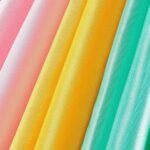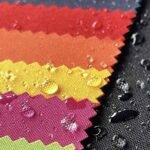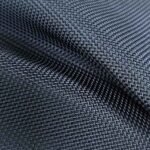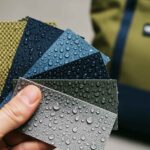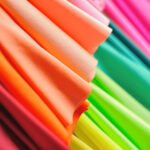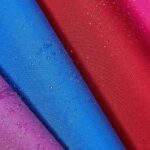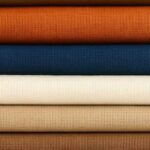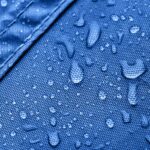
Taffeta is widely known in fashion for its crisp texture and elegant appearance, but it also plays a major role in technical textiles and industrial applications. From jacket linings and umbrella fabric to outdoor gear and sleeping bags, modern taffeta fabrics are engineered to deliver durability, light weight, and water resistance.
If you are sourcing or specifying materials, understanding taffeta specifications—such as 190T polyester taffeta, 210T taffeta, or waterproof nylon taffeta—is essential. These numbers and material choices determine the fabric’s strength, density, and performance.
This guide explains the technical side of taffeta so you can choose the right fabric for clothing, outdoor equipment, or manufacturing.
What Does “T” Mean in Taffeta Fabric?
In technical fabric descriptions, the letter “T” stands for thread count (threads per square inch). It measures the density of the weave.
A higher number generally means:
-
More threads in the fabric
-
A tighter weave
-
Improved strength and durability
-
Better resistance to wind and water
For example:
| Fabric Type | Thread Density | Typical Characteristics |
|---|---|---|
| 170T – 180T | Lower density | Lightweight, basic lining |
| 190T Polyester Taffeta | Medium density | Smooth, durable, affordable |
| 210T Nylon Taffeta | Higher density | Stronger, more water resistant |
| 230T+ Taffeta | High density | Premium outdoor applications |
The difference between 190T and 210T may seem small, but in practice it affects fabric strength, durability, and weather resistance.
190T Polyester Taffeta: The Industry Standard
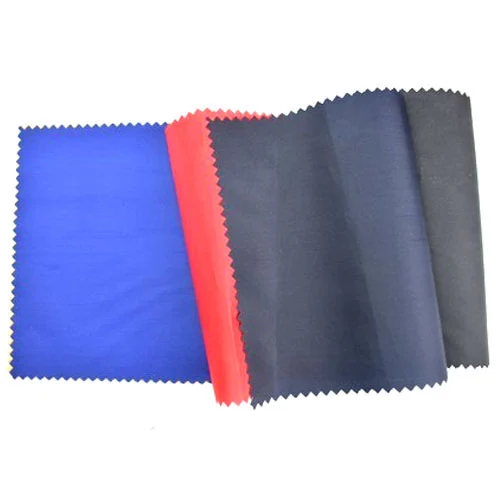
190t polyester taffeta
190T polyester taffeta is one of the most widely used specifications in the textile industry. It offers a balanced combination of cost efficiency, light weight, and durability.
Key characteristics
-
Smooth surface
-
Lightweight but durable
-
Cost-effective for mass production
-
Easy to dye and coat
Common uses
-
Jacket linings
-
Umbrella fabric
-
Promotional bags
-
Windbreakers
-
Sleeping bag linings
Because of its affordability, 190T polyester taffeta is often the default choice for garment linings and lightweight products.
210T Taffeta: Stronger and More Durable

210t taffeta
When greater durability is required, manufacturers often upgrade to 210T taffeta.
Compared with 190T, 210T fabrics have a denser weave, which provides:
-
Higher tensile strength
-
Better wind resistance
-
Improved water resistance
-
Longer product lifespan
Typical applications
-
Outdoor jackets
-
Tents
-
Sleeping bags
-
Backpacks
-
Sportswear
Many outdoor products use 210T nylon taffeta waterproof fabric, often combined with coatings such as PU (polyurethane) or silicone to enhance weather protection.
Waterproof Nylon Taffeta

nylon taffeta fabric waterproof
Nylon taffeta waterproof fabric is popular in outdoor gear because nylon fibers provide higher strength and elasticity than polyester.
When treated with coatings, nylon taffeta becomes highly resistant to water.
Waterproof technologies used
-
PU coating (Polyurethane) – common and affordable
-
Silicone coating – lightweight and flexible
-
DWR finish (Durable Water Repellent) – helps water bead on the surface
Common products
-
Rain jackets
-
Camping tents
-
Sleeping bags
-
Lightweight outdoor gear
These fabrics are engineered to stay lightweight while protecting against wind and moisture.
Ripstop Taffeta: Extra Tear Resistance
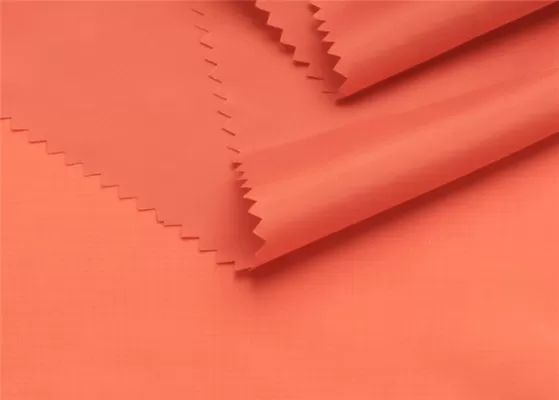
ripstop taffeta
Ripstop taffeta is designed for high-performance applications where tear resistance is critical.
You can easily recognize ripstop fabric by its reinforcement grid pattern woven into the material.
Advantages
-
Prevents small tears from spreading
-
High strength-to-weight ratio
-
Ideal for lightweight outdoor gear
Typical uses
-
Parachutes
-
Ultralight tents
-
Camping equipment
-
Outdoor apparel
Because of its durability, ripstop nylon taffeta is widely used in technical outdoor textiles.
Why Taffeta is Ideal for Garment Linings

taffeta lined
One of the most common uses of this fabric is taffeta lining.
Designers often choose taffeta lined garments because the fabric provides:
-
Smooth surface that slides easily over clothing
-
Lightweight structure
-
Durability for repeated wear
-
Affordable manufacturing cost
Garments that commonly use taffeta lining
-
Winter coats
-
Windbreakers
-
Blazers
-
Formal wear
-
Outdoor jackets
Its smooth texture reduces friction, making it comfortable to wear over other layers.
Choosing the Right Taffeta Specification
When selecting taffeta for clothing or technical products, consider the following factors:
1. Thread density (T rating)
Higher T values provide better strength and durability.
2. Fiber type
-
Polyester: economical and stable
-
Nylon: stronger and more flexible
3. Coating or finish
Waterproof coatings improve performance for outdoor use.
4. Fabric structure
Ripstop reinforcement adds extra durability.
Final Thoughts
Although taffeta is often associated with formal fashion, modern technical taffeta fabrics play a vital role in many industries. From 190T polyester taffeta used in garment linings to 210T waterproof nylon taffeta for outdoor equipment, each specification serves a different functional purpose.
Understanding the differences between thread density, fiber type, and coatings allows manufacturers, designers, and buyers to choose the right fabric for their needs.
Whether you are sourcing taffeta lining fabric, selecting ripstop taffeta for outdoor gear, or evaluating 190T vs 210T taffeta, knowing these specifications ensures better product performance and long-term durability.