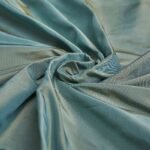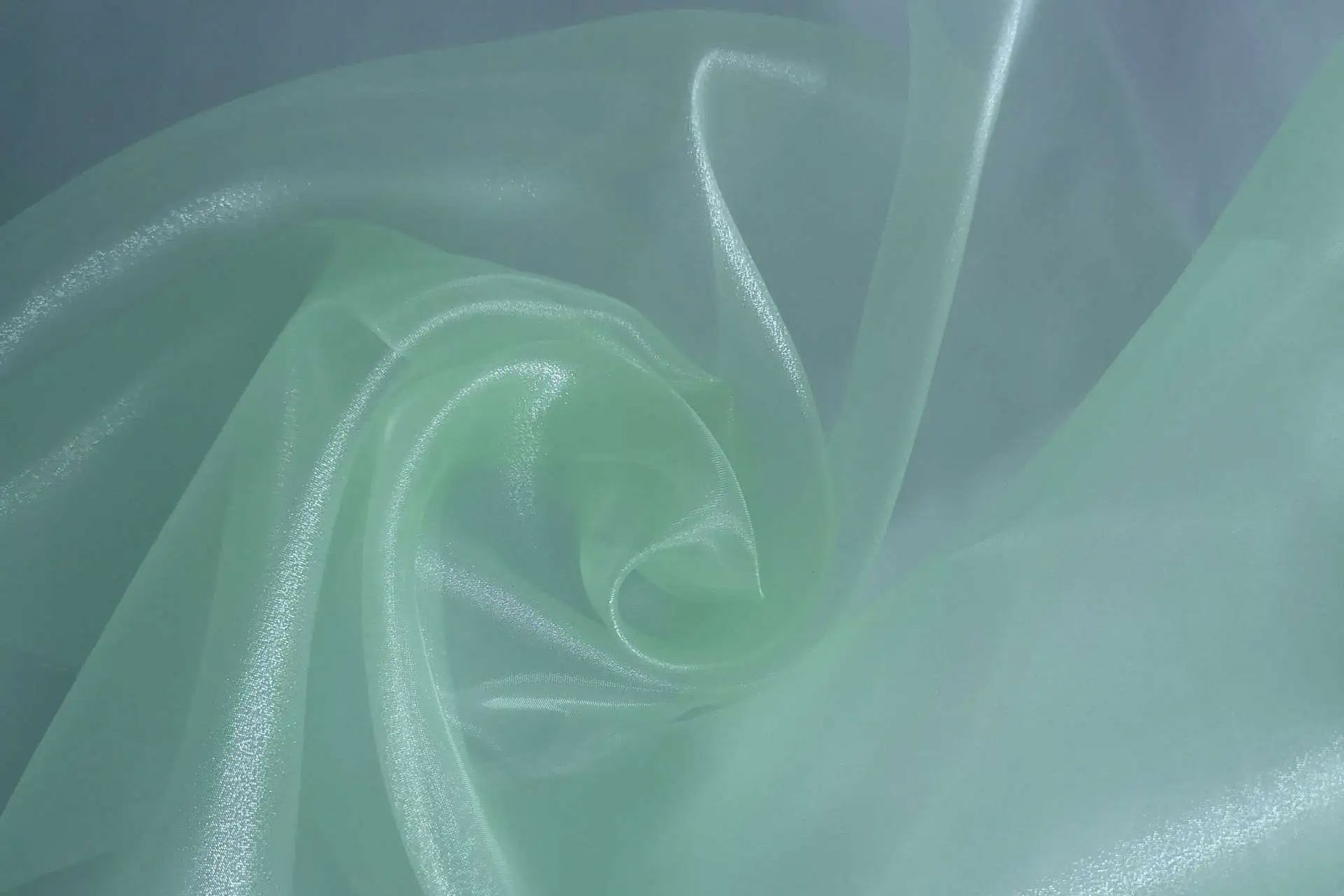
Taffeta fabric is a smooth, crisp textile known for its slight sheen and distinctive “rustling” or “swishing” sound when it moves. Traditionally made from silk and later from synthetic fibers such as polyester or nylon, taffeta has long been associated with formal wear, luxury garments, and decorative textiles.
In this comprehensive guide, we will explore the taffeta fabric definition, explain the taffeta weave structure, and discuss the materials, properties, types, and common uses of this elegant fabric.
Taffeta Fabric Definition
The taffeta fabric definition refers to a tightly woven plain-weave fabric that is smooth, crisp, and slightly stiff.
Key defining characteristics include:
-
Plain weave structure
-
Smooth and glossy surface
-
Crisp hand feel
-
Distinct rustling sound
-
Lightweight but structured
The word taffeta comes from the Persian word “tafta,” meaning “twisted woven fabric.” Historically, it referred to silk fabrics woven tightly to create a smooth and slightly stiff texture.
What Material Is Taffeta Made From?
what material is taffeta
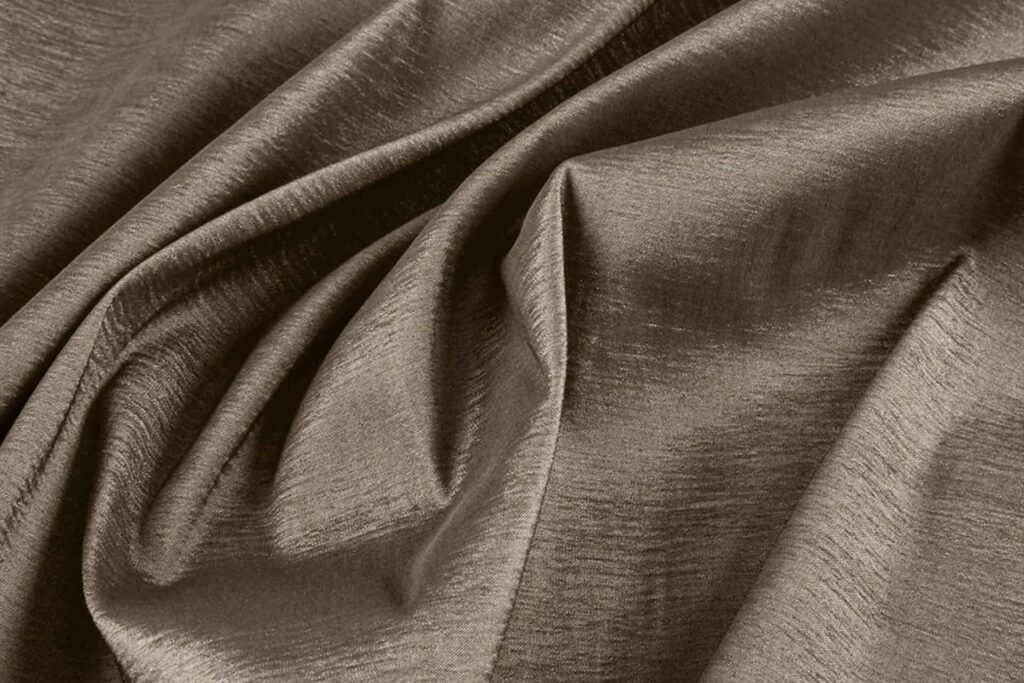
Many people ask “what material is taffeta?” because the fabric can be made from several different fibers.
1. Silk Taffeta
Silk taffeta is the traditional and most luxurious version of the fabric.
Features:
-
Rich natural sheen
-
Crisp texture
-
Excellent drape for formal garments
It is often used for:
-
Evening gowns
-
Wedding dresses
-
Couture fashion
2. Polyester Taffeta
Polyester taffeta is the most common modern version because it is more affordable and durable.
Advantages include:
-
Wrinkle resistance
-
Lower cost
-
Easy care
It is widely used for:
-
Linings
-
Event decorations
-
Affordable formal wear
3. Nylon Taffeta
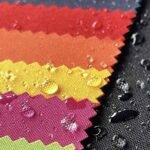
Nylon taffeta is lightweight and strong, making it popular for technical and outdoor textiles.
Typical uses include:
-
Jackets and windbreakers
-
Sleeping bags
-
Umbrellas
Understanding the Taffeta Weave Structure
Taffeta Weave
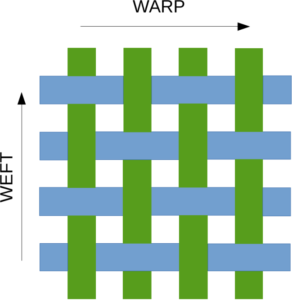
The taffeta weave is based on a plain weave structure, the simplest and most common weaving method.
How the Plain Weave Works
In a plain weave:
-
One warp thread goes over one weft thread
-
Then it alternates under the next thread
This creates a tight and balanced structure, giving taffeta its characteristic smooth surface and firmness.
Why the Weave Matters
The tight plain weave produces several important qualities:
-
Crisp texture
-
Durability
-
Lightweight structure
-
Distinctive rustling sound
The sound often described as “scroop” is especially noticeable in silk taffeta.
The Unique “Rustling” Sound of Taffeta
One of the most recognizable features of taffeta is its signature rustling noise.
This sound occurs because:
-
The fabric is tightly woven
-
The yarns are smooth and firm
-
Movement causes fibers to rub against each other
Historically, this sound became associated with luxury fashion, especially in European courts during the Renaissance and Victorian periods.
Types of Taffeta Fabric

taffeta fabric
Over time, textile manufacturers developed different variations of taffeta.
Shot Taffeta (Changeable Taffeta)
Made using different colored warp and weft threads, creating a shimmering color-changing effect.
Common in:
-
Formal gowns
-
Decorative textiles
Moiré Taffeta
This type features a water-like ripple pattern produced by special finishing techniques.
Used for:
-
Luxury garments
-
Interior decoration
Crushed Taffeta
Crushed taffeta has a deliberately wrinkled texture.
Benefits include:
-
Decorative appearance
-
Reduced need for ironing
Common Uses of Taffeta Fabric
Fashion and Apparel
Taffeta is widely used in formal clothing.
Examples include:
-
Evening gowns
-
Wedding dresses
-
Ball gowns
-
Skirts
Its stiffness helps garments maintain dramatic shapes.
Linings
Many jackets and coats use polyester taffeta as lining fabric because it is smooth and lightweight.
Benefits:
-
Reduces friction between clothing layers
-
Improves comfort
Home Décor
Taffeta is also used for decorative purposes such as:
-
Curtains
-
Table coverings
-
Event drapery
Outdoor and Technical Textiles
Nylon taffeta is commonly used in lightweight performance products like:
-
Windbreakers
-
Camping gear
-
Parachutes
Advantages of Taffeta Fabric
Some of the reasons why taffeta remains popular include:
Elegant appearance
The smooth surface and shine create a luxurious look.
Lightweight structure
Despite its crisp feel, the fabric remains relatively light.
Shape retention
Taffeta holds structure well, making it ideal for voluminous garments.
Versatility
Available in silk, polyester, and nylon versions for different applications.
Limitations of Taffeta Fabric
While taffeta has many advantages, it also has some drawbacks.
Wrinkle sensitivity
Silk taffeta can wrinkle easily.
Noise
The rustling sound may not suit every garment.
Limited stretch
The plain weave structure provides minimal elasticity.
The Evolution of Taffeta: From Silk to Modern Synthetics
Historically, taffeta was produced exclusively from silk in regions such as Persia, China, and later Europe.
However, the textile industry gradually introduced synthetic alternatives.
20th century innovations included:
-
Polyester taffeta for affordable fashion
-
Nylon taffeta for technical textiles
These materials expanded the fabric’s applications beyond luxury garments into mass production and industrial uses.
Conclusion
Taffeta remains one of the most recognizable woven fabrics in the textile industry. Defined by its plain weave structure, crisp texture, and signature rustling sound, this fabric has evolved from traditional silk taffeta used in royal garments to modern polyester and nylon versions used across fashion, décor, and outdoor products.
Understanding what material taffeta is made from, how the taffeta weave works, and the different types available can help designers, manufacturers, and buyers choose the right version for their needs.
Whether used for luxury gowns, elegant home décor, or lightweight performance fabrics, taffeta continues to be valued for its unique combination of structure, sheen, and timeless elegance.