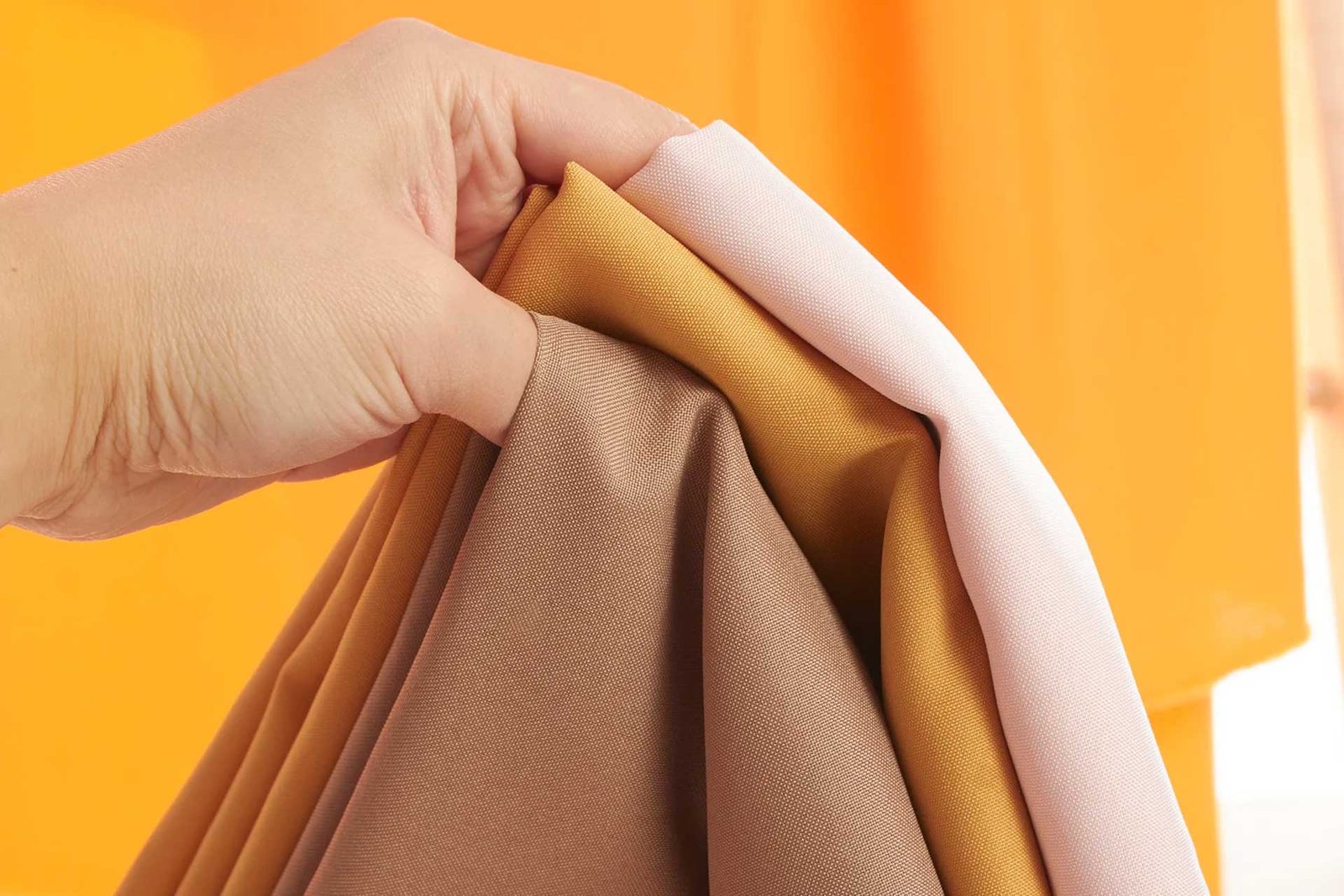
Cotton poplin is one of the most widely used fabrics in modern apparel. Known for its smooth surface, lightweight feel, and crisp structure, it has become a favorite material for shirts, dresses, and everyday clothing.
If you’ve ever searched for “what is cotton poplin fabric?” or wondered what cotton poplin fabric is used for, this guide will walk you through everything you need to know—from its weave structure to its common applications.
What Is Cotton Poplin Fabric?
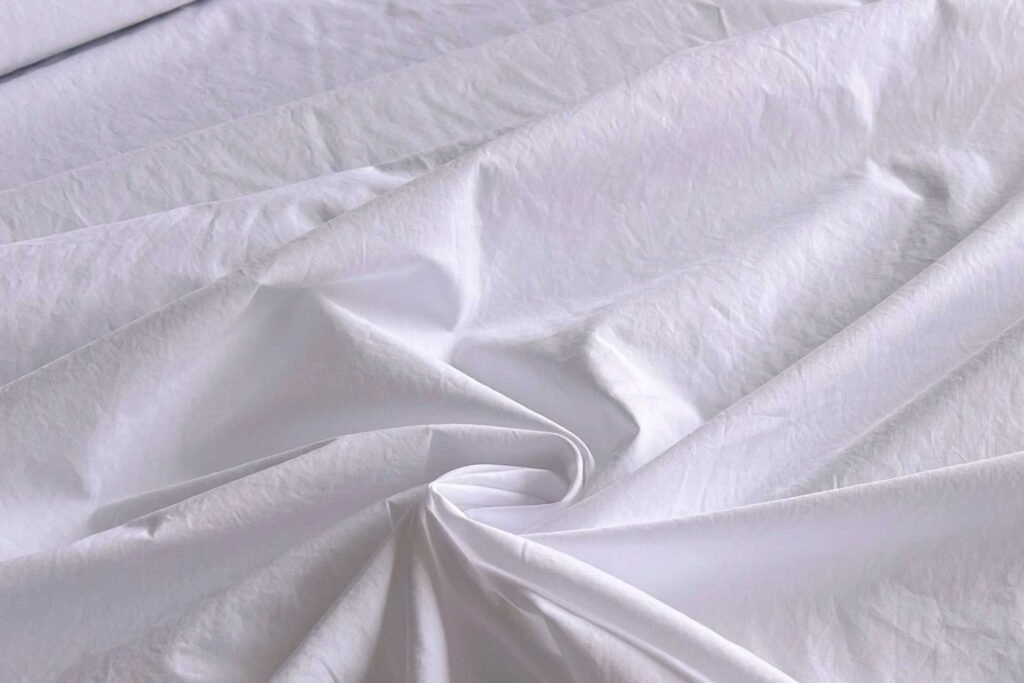
Cotton Poplin Fabric
Cotton poplin fabric is a plain-weave textile made primarily from cotton fibers. It is characterized by a smooth, tightly woven surface and subtle horizontal ribs created by slightly thicker weft yarns.
Originally developed centuries ago for durable clothing, poplin has evolved into one of the most popular fabrics for modern shirts and lightweight garments.
Key Characteristics of Cotton Poplin
-
Smooth and soft surface
-
Lightweight yet durable
-
Fine horizontal rib texture
-
Breathable and comfortable
-
Slightly crisp structure
Because of this combination of properties, 100% cotton poplin offers both comfort and structure, making it ideal for everyday wear.
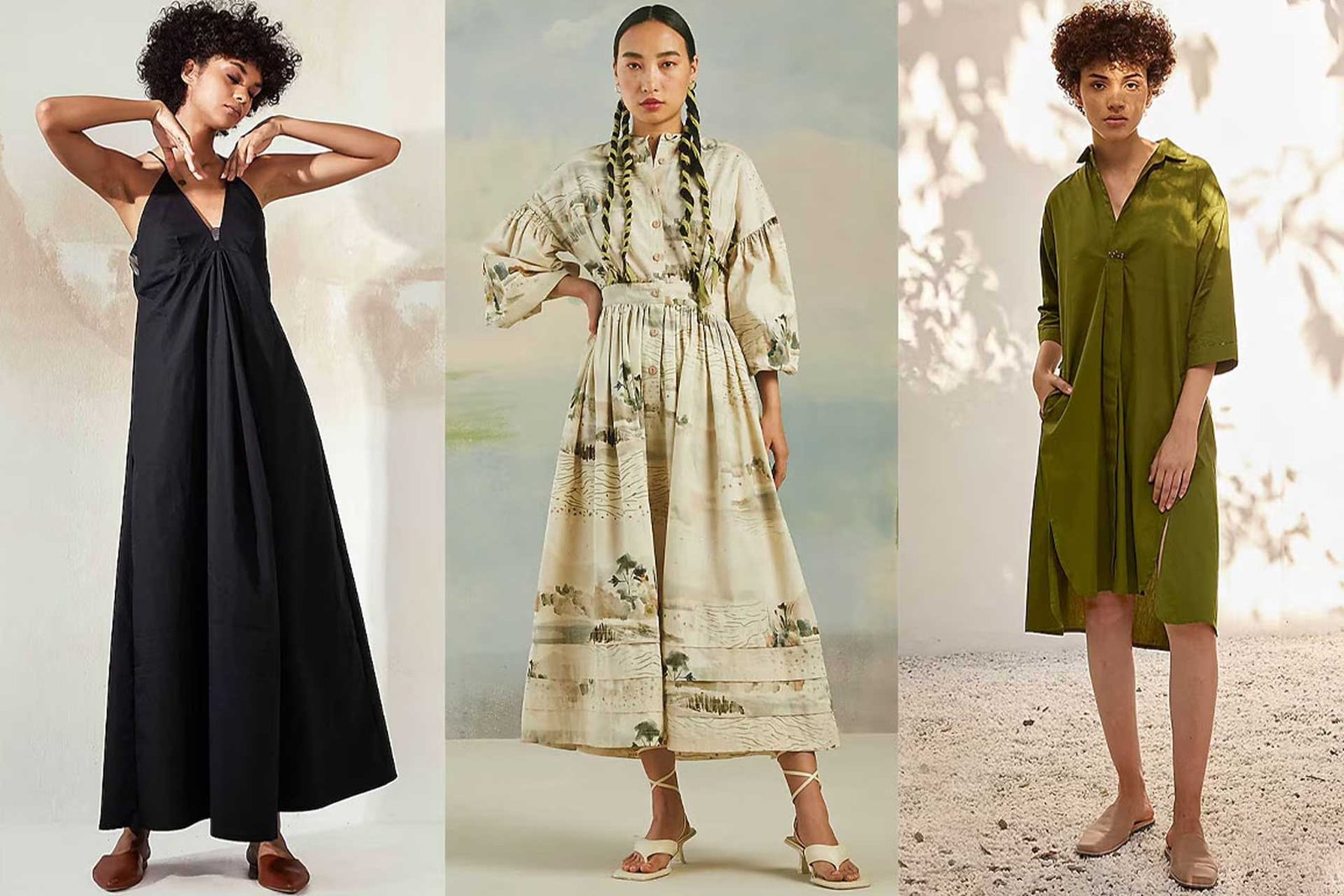
What Is Cotton Poplin Fabric Used For?
What Is Cotton Poplin Fabric Used For
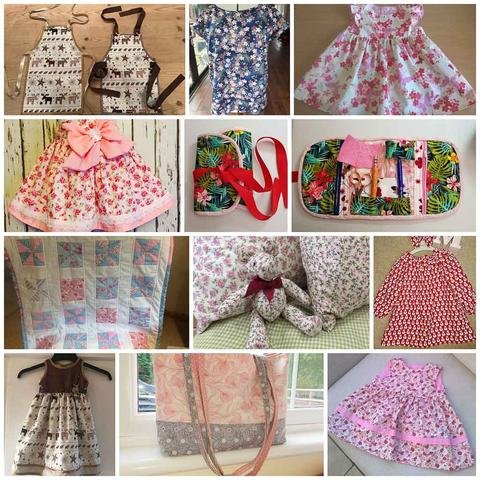
Cotton poplin is extremely versatile and appears in many types of clothing.
1. Dress Shirts
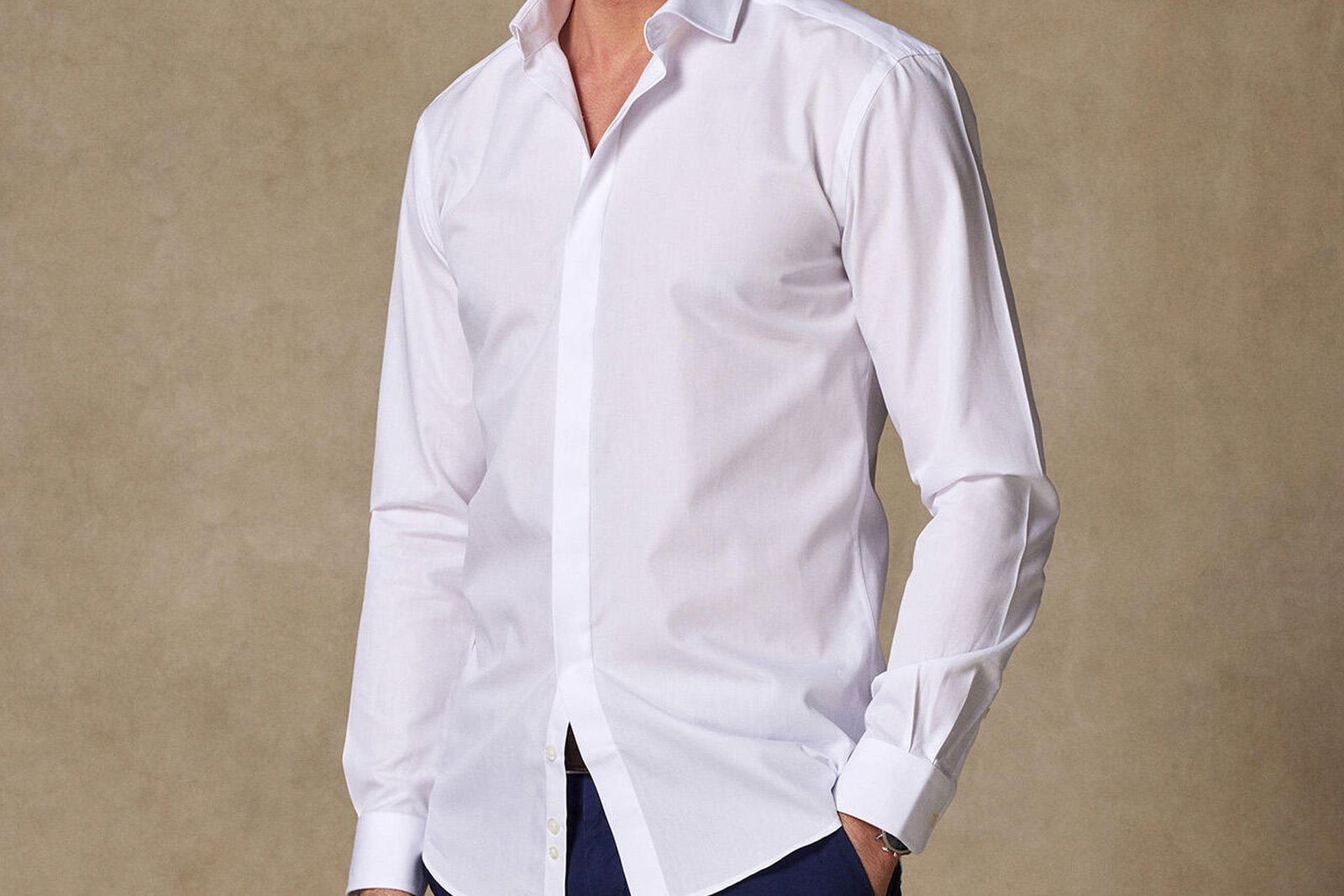
One of the most common uses of cotton poplin fabric is in dress shirts. Its smooth surface gives shirts a clean, polished appearance, while the lightweight construction keeps them comfortable in warm weather.
2. Summer Dresses
Designers frequently use 100 cotton poplin for dresses because the fabric holds shape well without feeling heavy.
3. Casual Clothing
Poplin is also popular in everyday garments such as:
-
Button-down shirts
-
Blouses
-
Lightweight pants
-
Skirts
-
Children's clothing
Its breathable nature makes it especially suitable for spring and summer clothing.
4. Uniforms and Workwear
Because it balances comfort and durability, cotton poplin is often used for:
-
School uniforms
-
Hospitality uniforms
-
Medical clothing
100% Cotton Poplin vs Blended Poplin
Not all poplin fabrics are made the same way. While 100% cotton poplin is the most popular option, some versions are blended with synthetic fibers.
100 cotton poplin
100% Cotton Poplin
Advantages include:
-
Superior breathability
-
Natural softness
-
Skin-friendly comfort
-
Better moisture absorption
This version is typically preferred for premium shirts and dresses.
Cotton-Polyester Poplin
Some manufacturers add polyester to improve:
-
Wrinkle resistance
-
Durability
-
Easy maintenance
These blends are often used for uniforms and budget clothing lines.
Why Cotton Poplin Is Perfect for Shirts
Cotton poplin has long been considered one of the best shirt fabrics for several reasons.
First, the tight plain weave creates a smooth surface that looks clean and professional. Second, the lightweight structure keeps the fabric breathable and comfortable throughout the day.
Compared with heavier fabrics like twill or denim, poplin provides a crisper and cooler feel, making it ideal for warm climates or office wear.
Is Cotton Poplin Breathable?
Yes, cotton poplin is highly breathable.
Since it is made from natural cotton fibers and woven tightly but lightly, air can circulate through the fabric easily. This makes poplin an excellent choice for hot weather clothing.
Many summer collections rely on 100 cotton poplin fabric specifically because it offers coolness without sacrificing structure.
Is Cotton Poplin Durable?
Despite being lightweight, cotton poplin is surprisingly durable.
The tightly woven structure helps the fabric:
-
Maintain shape over time
-
Resist tearing better than loosely woven fabrics
-
Handle frequent washing
However, compared with heavy fabrics like cotton twill, poplin is still considered a lightweight apparel fabric rather than heavy-duty material.
Cotton Poplin vs Other Shirt Fabrics
When choosing a shirt fabric, cotton poplin is often compared with other common weaves.
Poplin vs Twill
Poplin is lighter and crisper, while twill is thicker and more durable.
Poplin vs Oxford
Oxford fabric has a basket weave texture and a more casual appearance, while poplin offers a smoother and more formal look.
Poplin vs Broadcloth
These fabrics are very similar, but poplin typically has slightly stronger ribs and better durability.
How to Care for Cotton Poplin
Cotton poplin is relatively easy to maintain, especially when compared to delicate fabrics like silk.
Washing Tips
-
Machine wash in cold or warm water
-
Use mild detergent
-
Wash with similar colors
Drying Tips
-
Tumble dry on low heat
-
Remove promptly to minimize wrinkles
Ironing
Because of its crisp nature, cotton poplin may wrinkle slightly. A quick warm iron or steam easily restores its smooth appearance.
How to Identify High-Quality Cotton Poplin
When shopping for cotton poplin fabric or clothing, look for these quality indicators:
-
100% cotton composition
-
Tight, even weave
-
Smooth and consistent surface
-
Lightweight but not flimsy feel
Higher-quality poplin fabrics often have long-staple cotton fibers, which make the material softer and more durable.
Final Thoughts
Cotton poplin remains one of the most reliable and versatile fabrics in the textile industry. Its combination of smooth texture, breathability, and durability makes it the perfect choice for shirts, dresses, and everyday clothing.
Whether you are shopping for clothing or purchasing fabric for a sewing project, 100% cotton poplin fabric offers a balanced blend of comfort, structure, and timeless style.
FAQ
What is cotton poplin fabric used for?
Cotton poplin is commonly used for dress shirts, blouses, summer dresses, uniforms, and lightweight casual clothing.
Is cotton poplin 100% cotton?
Many poplin fabrics are 100% cotton, but some are blended with polyester or other fibers to improve wrinkle resistance and durability.
Is cotton poplin good for summer?
Yes. Cotton poplin is lightweight and breathable, making it an excellent fabric for warm weather clothing.
Is cotton poplin soft?
Yes. Cotton poplin has a smooth and soft surface, although it also maintains a slightly crisp structure that helps garments hold their shape.