Fleece has become one of the most popular fabrics for jackets, blankets, and winter clothing. It’s warm, lightweight, and incredibly soft. But many shoppers still ask the same question:
Is fleece good quality?
The answer depends entirely on how the fleece fabric material is produced. Some fleece fabrics are thick, durable, and long-lasting, while others are thin, prone to pilling, and lose their softness quickly.
In this guide, we’ll explain how to identify high-quality fleece vs. cheap fleece material, so you can confidently choose the right fabric for clothing, outdoor gear, or home textiles.
What Is Fleece Fabric Material?
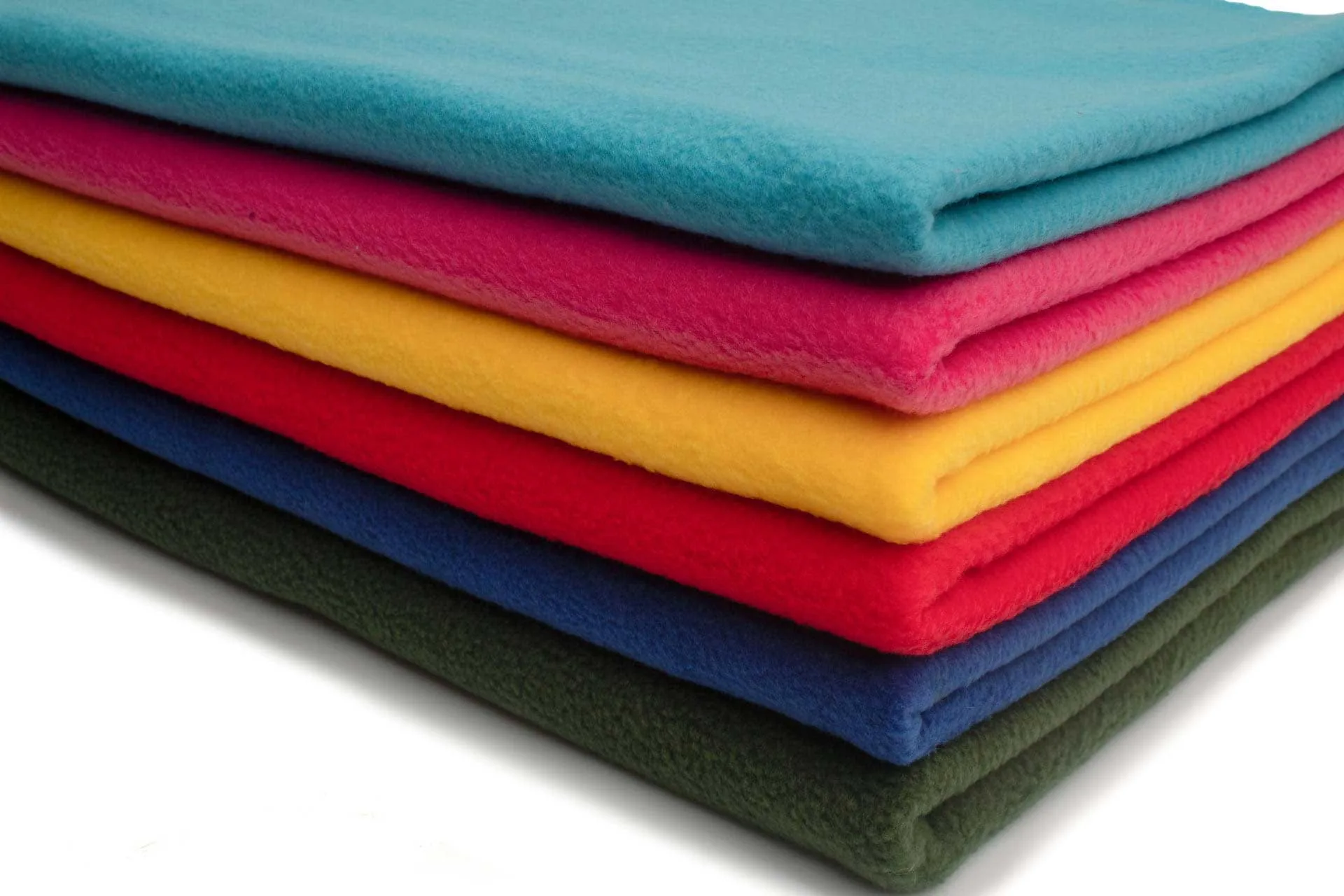
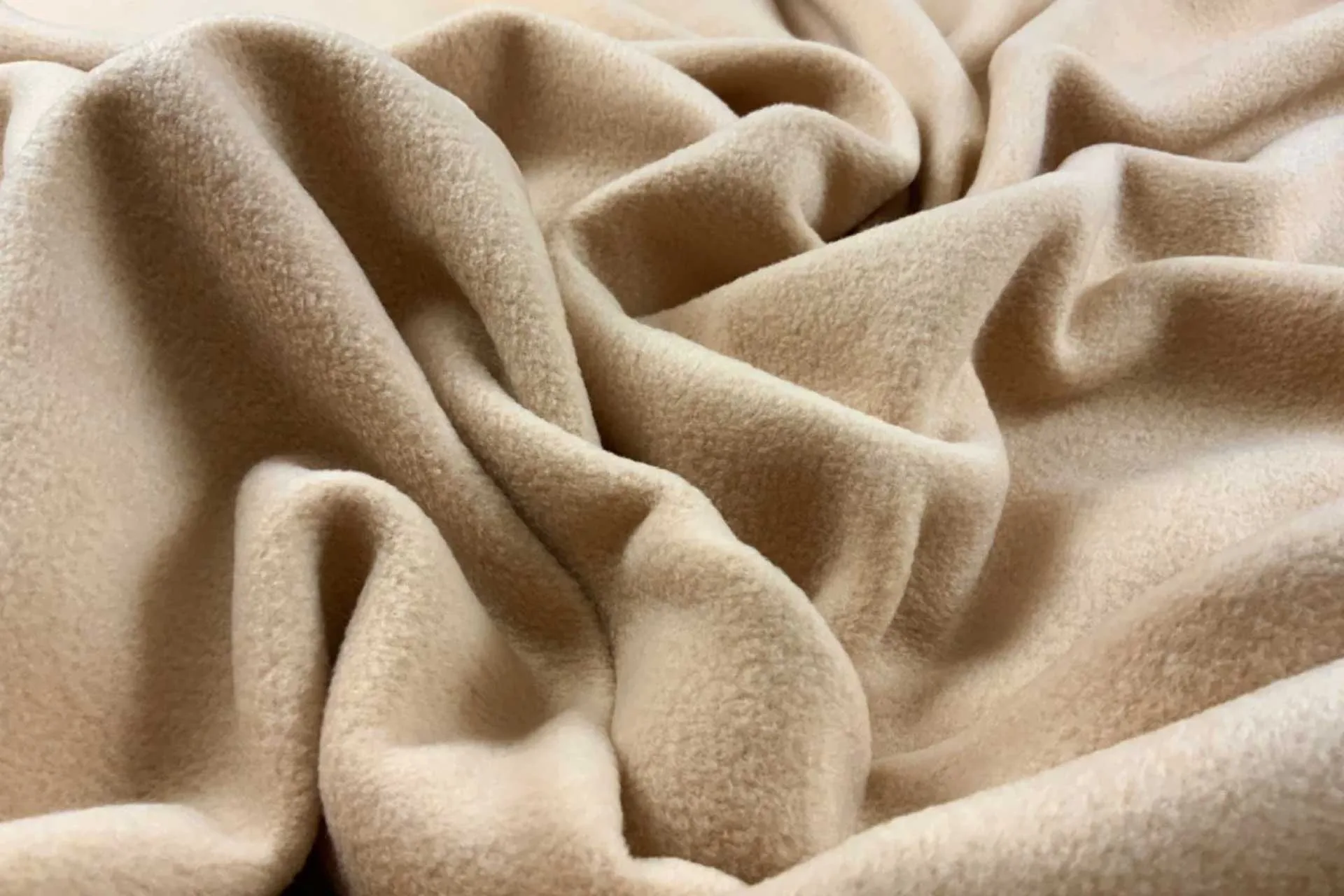
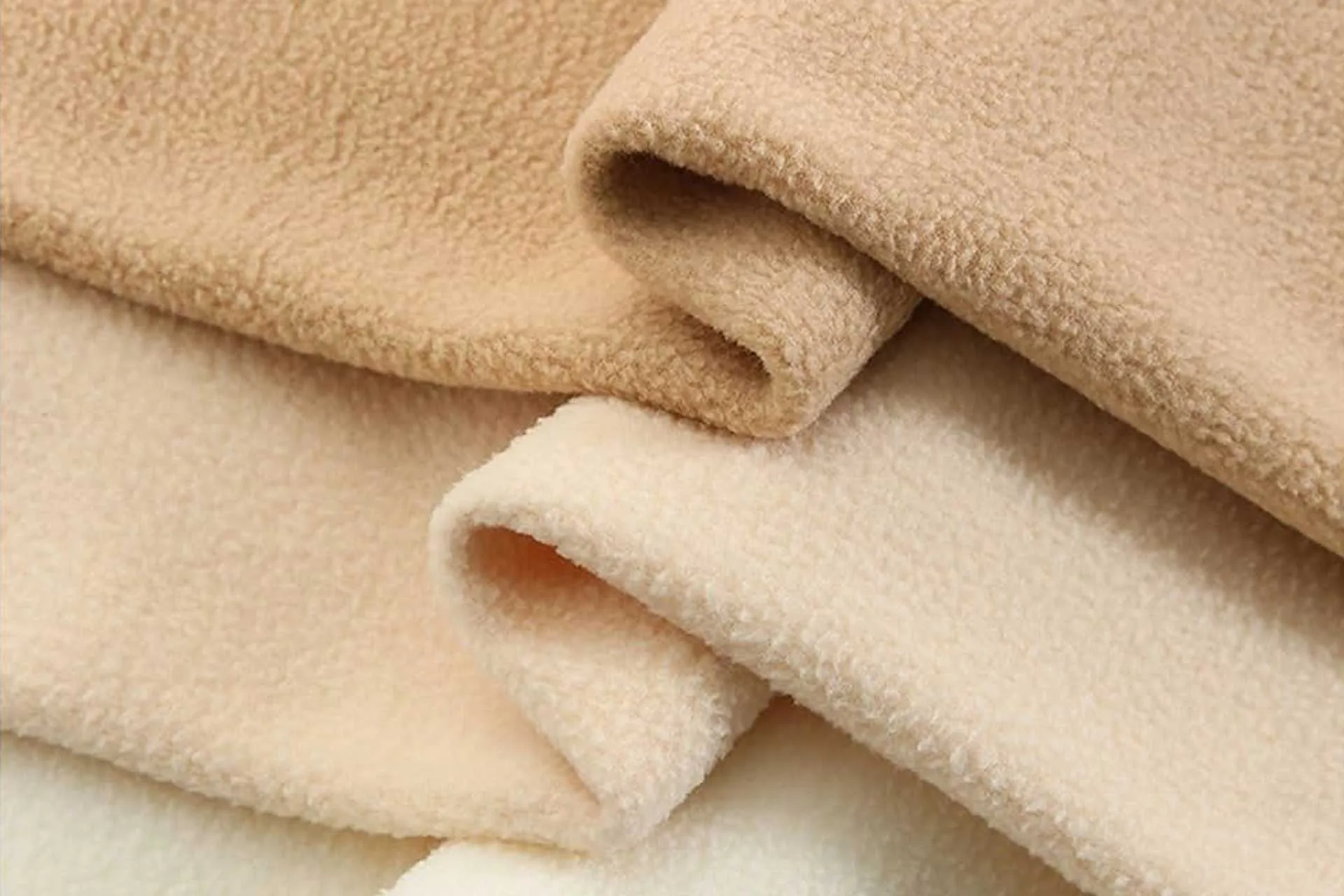
Fleece is a synthetic textile typically made from polyester fibers. The fabric is first knitted and then brushed to create a soft, fuzzy pile surface that traps warm air.
This structure gives fleece several key benefits:
-
Excellent thermal insulation
-
Lightweight warmth
-
Quick drying
-
Soft and comfortable texture
However, the quality of the fibers, knit density, and finishing process greatly affect how well the fleece performs.
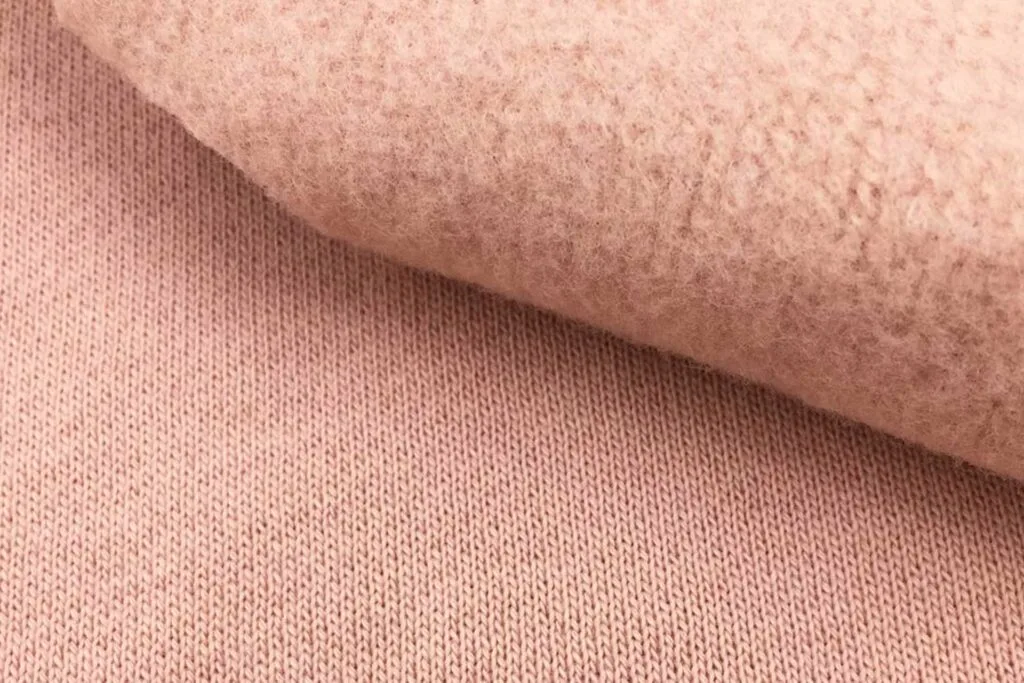
fleece fabric material
High-Quality vs Cheap Fleece: The Key Differences
Not all fleece fabrics are created equal. Here are the main characteristics that separate premium fleece from lower-quality alternatives.
1. Fabric Weight and Density
One of the easiest ways to judge fleece quality is by fabric weight.
Heavyweight fleece material usually provides:
-
Better insulation
-
Greater durability
-
A thicker, more luxurious feel
Lightweight or cheap fleece often feels thin and loosely knit, which reduces warmth and causes the fabric to wear out faster.
Typical fleece weight categories:
-
Lightweight fleece: 100–200 GSM
-
Midweight fleece: 200–300 GSM
-
Heavyweight fleece: 300–400+ GSM
For winter clothing or blankets, heavier fleece generally indicates higher quality.
2. Pile Texture and Softness
High-quality fleece has a dense, even pile that feels soft but resilient.
Signs of premium fleece:
-
Smooth and consistent surface
-
Thick fiber pile
-
Plush but not overly fluffy texture
Cheap fleece usually has:
-
Loose fibers
-
Uneven texture
-
A rough or synthetic feel
If the surface already looks fuzzy or uneven before washing, it will likely pill quickly during use.
3. Resistance to Pilling
Pilling happens when loose fibers form small balls on the fabric surface.
Better fleece fabrics are designed with anti-pill finishing, which improves durability.
High-quality fleece:
-
Maintains a smooth surface after washing
-
Resists fiber breakage
Cheap fleece:
-
Pills after only a few washes
-
Looks worn quickly
Anti-pill fleece is often used for outdoor clothing and premium blankets.
4. Fabric Construction
The construction of the fleece also affects its quality.
Premium fleece fabrics often feature:
-
Double-brushed surfaces
-
Tightly knitted base fabric
-
Higher fiber density
This creates stronger insulation and better durability.
Low-quality fleece may have:
-
Loose knit structure
-
Thin backing
-
Weak fiber bonding
These fabrics stretch out of shape and lose warmth quickly.
What Is Heavyweight Fleece?
Heavyweight fleece refers to thicker, more insulating fleece fabrics designed for cold conditions.
Common characteristics include:
-
Fabric weight above 300 GSM
-
Thick pile height
-
Strong wind resistance
-
Superior heat retention
Heavyweight fleece is widely used for:
-
Winter jackets
-
Outdoor gear
-
Thermal blankets
-
Hoodies and sweatshirts
Because of its density, heavyweight fleece fabric material is typically considered higher quality than very thin fleece.
How to Test Fleece Quality Before Buying
If you are shopping for fleece fabric or fleece clothing, try these quick tests.
The Stretch Test
Gently pull the fabric.
High-quality fleece should return to its shape easily without looking loose or distorted.
The Surface Test
Rub the fabric surface with your hand.
Premium fleece will feel smooth and dense, while cheap fleece may feel rough or overly fluffy.
The Thickness Test
Hold the fabric up to light.
Thin fleece will appear semi-transparent, which usually indicates lower insulation and durability.
Common Uses of High-Quality Fleece
Better fleece fabrics are often used in:
-
Outdoor jackets
-
Hiking and camping gear
-
Sportswear
-
Blankets and throws
-
Winter accessories
These applications require durability, warmth, and long-lasting softness, which only high-quality fleece can provide.
Final Thoughts
So, is fleece good quality?
Yes—but only when it is well-made. High-quality fleece fabric material offers an excellent balance of warmth, softness, and durability, making it one of the most practical textiles for cold-weather clothing and home products.
When evaluating fleece, remember to check:
-
Fabric weight (heavier is usually better)
-
Pile density and softness
-
Resistance to pilling
-
Overall knit construction
By learning to spot premium heavyweight fleece, you can avoid cheap fabrics and choose materials that will stay warm, comfortable, and durable for years.