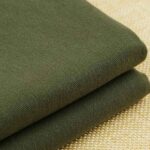
Fleece fabric is one of the most popular modern textiles for warm clothing, blankets, and outdoor gear. Known for its soft texture, lightweight feel, and excellent insulation, fleece has become a go-to alternative to traditional wool.
In simple terms, fleece fabric is a synthetic textile made primarily from polyester fibers that are brushed to create a soft, fluffy surface. This structure traps warm air, making fleece extremely effective at retaining heat while remaining breathable.
In this guide, we’ll explore what fleece fabric is made of, how it’s produced, its different types, and the many ways it’s used in everyday products.
What Is Fleece Fabric?
Fleece is a knitted synthetic fabric designed to mimic the warmth and softness of wool. After the fabric is knitted, it goes through a special brushing process that raises the fibers and creates the signature fuzzy surface.
Key characteristics of fleece include:
-
Soft and comfortable
-
Excellent insulation
-
Lightweight compared to wool
-
Moisture-resistant
-
Quick-drying
Because of these properties, fleece is widely used in jackets, hoodies, blankets, and sportswear.
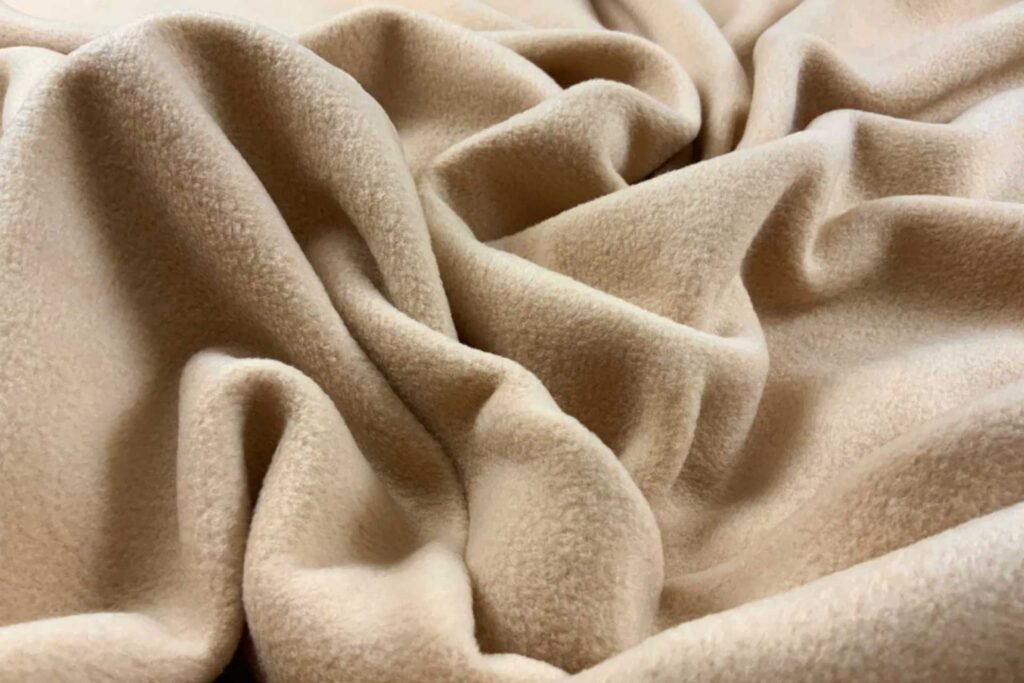
what is fleece fabric
What Is Fleece Made Of?
Most fleece fabric is made from polyester, a durable synthetic fiber derived from petroleum-based polymers.
Manufacturing typically involves several steps:
-
Polyester fiber production – plastic polymers are melted and spun into fine filaments.
-
Knitting the fabric – the fibers are knitted into a lightweight textile base.
-
Brushing process – mechanical brushes pull fibers outward to create the soft pile surface.
-
Finishing – treatments improve durability, softness, or moisture performance.
Some modern fleece fabrics are also made using recycled polyester from plastic bottles, making them more environmentally friendly.

What Is Fleece Made Of
Common Types of Fleece Fabric
1. Polar Fleece
Polar fleece is the classic and most widely used fleece fabric.
Features:
-
Thick and warm
-
Lightweight
-
Good moisture resistance
It is commonly used in jackets, sweaters, and outdoor clothing.
2. Microfleece
Microfleece is a lighter and thinner version of fleece.
Benefits include:
-
Extremely soft texture
-
Better breathability
-
Less bulk
Microfleece is often used for base layers, lightweight jackets, and athletic wear.
3. Sherpa Fleece
Sherpa fleece is designed to imitate the look and warmth of sheep’s wool.
Characteristics:
-
Deep, fluffy pile
-
Excellent insulation
-
Cozy appearance
It is popular for blankets, winter coats, and lining materials.
4. Anti-Pill Fleece
Anti-pill fleece is specially treated to prevent small fiber balls (pilling) from forming on the surface.
Advantages:
-
Longer-lasting appearance
-
Smooth fabric surface
-
Ideal for blankets and clothing
Common Uses of Fleece Fabric
Fleece’s versatility makes it suitable for a wide range of applications.
Popular uses include:
Clothing
-
Hoodies and sweatshirts
-
Outdoor jackets
-
Thermal base layers
-
Winter hats and gloves
Home textiles
-
Blankets
-
Throws
-
Pet bedding
Outdoor gear
-
Sleeping bag liners
-
Camping blankets
-
Hiking apparel
Its ability to retain heat while remaining breathable makes fleece particularly useful for outdoor activities.
Why Fleece Is So Warm
The warmth of fleece comes from its brushed fiber structure.
When the fibers are raised during manufacturing, they create tiny air pockets inside the fabric. These pockets trap body heat and provide insulation.
Compared with traditional wool:
-
Fleece is lighter
-
Dries faster
-
Often more affordable
However, wool can still provide better natural moisture regulation in certain conditions.
Pros and Cons of Fleece Fabric
Advantages
-
Lightweight yet warm
-
Soft and comfortable
-
Dries quickly
-
Easy to wash
-
Often affordable
Disadvantages
-
Made from synthetic materials
-
Can generate static electricity
-
Lower breathability compared to natural fibers in some cases
Understanding these trade-offs helps consumers choose the right material for their needs.
How to Care for Fleece Fabric
Proper care helps fleece stay soft and last longer.
Recommended care tips:
-
Wash in cold or warm water
-
Use mild detergent
-
Avoid fabric softeners
-
Air dry or tumble dry on low heat
High heat can damage the fibers and reduce the fabric’s softness.
FAQ About Fleece Fabric
What is fleece made of?
Fleece is typically made from polyester fibers, a synthetic material created from polymer-based plastics. During production, the polyester fabric is brushed to raise the fibers and form a soft, insulating surface. Some fleece textiles are also made from recycled plastic bottles, making them a more sustainable option.
Is fleece natural or synthetic?
Fleece is considered a synthetic textile, since it is primarily made from polyester rather than natural fibers like cotton or wool.
Is fleece warmer than cotton?
Yes. Fleece is generally warmer than cotton because its brushed fibers trap air, creating better insulation.
Is fleece breathable?
Fleece is moderately breathable, but it retains heat well. Lightweight versions like microfleece offer better airflow than thick fleece fabrics.
Final Thoughts
Fleece fabric has become a staple textile thanks to its softness, warmth, and versatility. Whether used in outdoor clothing, cozy blankets, or athletic wear, fleece offers an excellent balance of comfort, performance, and affordability.
Understanding what fleece fabric is made of, how it works, and the different types available can help you choose the right fleece textile for your next clothing or home project.