When sourcing high-quality materials, it’s easy to get lost in a sea of terminology. 'Satin,' 'Sateen,' and 'Plain Weave' might sound similar, but they represent very different technical structures, fiber contents, and tactile experiences.
Choosing the wrong weave can significantly alter the look and performance of your design. This guide breaks down the core differences to help you find the perfect foundation for your next project.
1. Satin vs Sateen: More Than Just a Spelling Difference

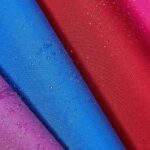
satin and sateen weave
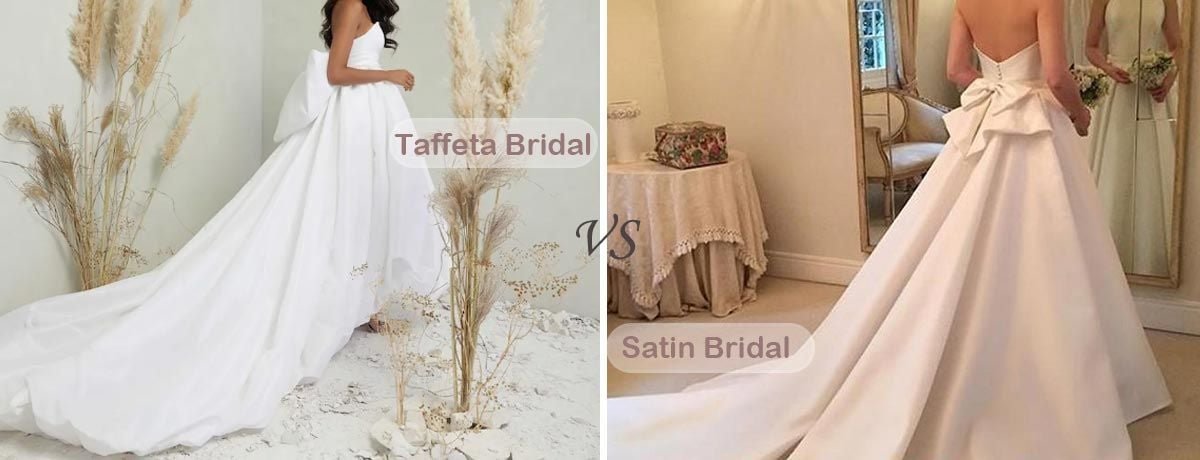
This is perhaps the most common source of confusion in the textile industry. While both use a satin weave structure (characterized by long 'floats' over the surface), the primary difference lies in the fiber content:
-
Satin: Typically made from filament fibers, such as Silk, Polyester, or Nylon. It is known for its high-gloss, mirror-like finish and an incredibly slippery, smooth hand.
-
Sateen: Refers specifically to a satin weave made from staple fibers, most commonly Cotton. It retains the characteristic luster and drape of a satin weave but possesses the weight, durability, and breathability of cotton.
The Rule of Thumb: If you want the glamorous, high-shine look of an evening gown, choose Satin. If you want the soft, skin-friendly, and matte-sheen feel of luxury bedding, choose Sateen.
2. Comparing Weaves: Plain Weave vs Satin/Sateen

Plain, Twill, and Satin Weave
Understanding the difference between a plain weave and a satin weave is essential for determining the durability of your project.
-
Plain Weave (e.g., Percale, Poplin): This is the simplest and strongest construction, where warp and weft threads cross over and under each other alternately.
-
Characteristics: Matte finish, highly durable, crisp feel, and excellent breathability. However, it lacks the 'give' and smoothness of other weaves.
-
-
Satin/Sateen Weave: Threads cross over multiple rows before interlacing.
-
Characteristics: Smooth surface, lustrous appearance, and exceptional drape. Because there are fewer interlacing points, the fabric is softer but can be more prone to snagging than a tight plain weave.
-
3. The Bedding Debate: Percale vs Sateen
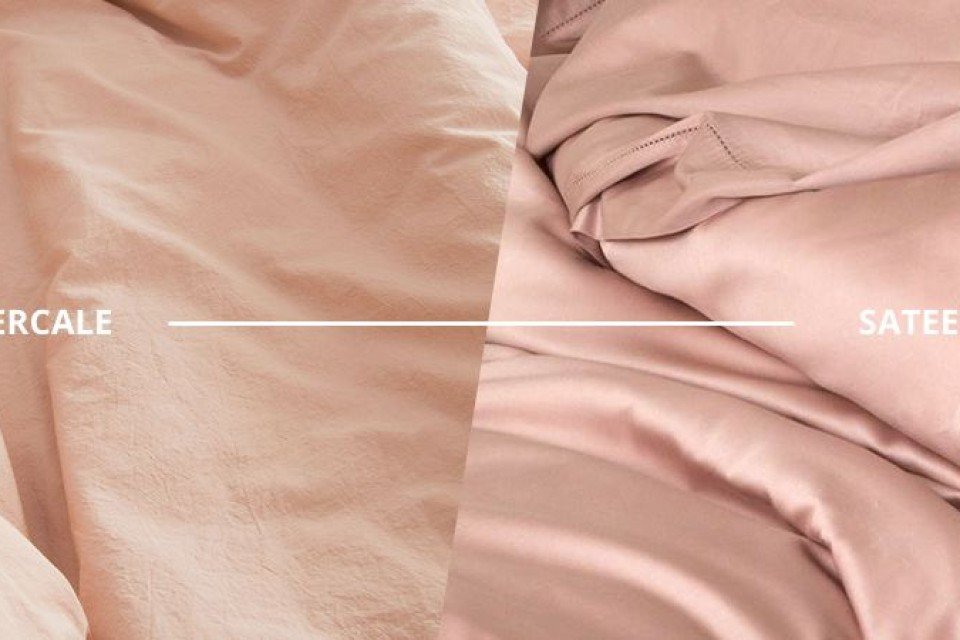
Percale vs Sateen
When searching for sateen sheets, you will often see them compared to Percale (a high-density plain weave).
Why do many premium brands lean toward Sateen for their collections?
-
Feel: Because of the longer floats, Sateen feels significantly softer and heavier than Percale, making it ideal for those with sensitive skin or for use in cooler seasons.
-
Appearance: Sateen has a subtle, hotel-like sheen, whereas Percale has a matte, 'paper-like' crispness.
4. Expert Recommendation: Balancing Luxury and Comfort
One of the biggest challenges for designers is finding a material that offers the liquid-like touch of silk without sacrificing the breathability of cotton. This is exactly what cotton sateen was engineered to solve.
At TextileCloth.com, we find that Cotton Sateen is often the 'Goldilocks' choice for creators. By utilizing a sophisticated satin weave on natural cotton fibers, the fabric achieves a level of luxury that plain weaves cannot match, while avoiding the static and heat retention often associated with synthetic satins.
If your project requires a drape that flows with the body but must remain comfortable for daily wear or sleep, Cotton Sateen provides that essential 'breathable luxury.' Choosing a weave that aligns with your user's need for both aesthetics and comfort is the hallmark of professional textile selection.