Choosing the right upholstery material is a high-stakes decision. The fabric you select for your sofa or armchair determines not only how the piece looks but also how it ages, how easy it is to clean, and how it feels against your skin.
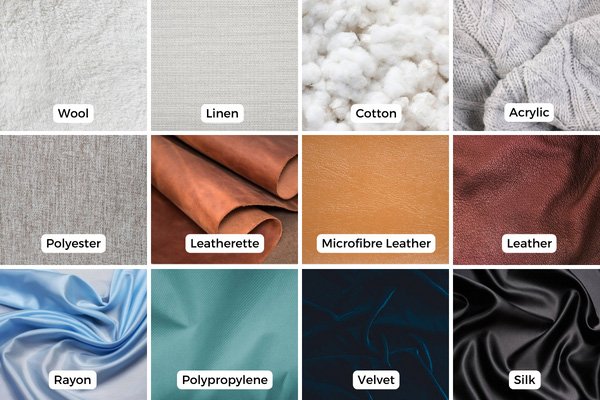
types of upholstery fabric
When browsing types of upholstery fabric, you will encounter a divide between natural fibers and synthetic blends. Here is a comprehensive breakdown of the most popular furnishing fabric options on the market today.
1. Cotton
Cotton is a classic natural fiber known for its comfort and versatility.
-
Pros: Breathable, soft, and dyes beautifully into thousands of colors.
-
Cons: Prone to wrinkling and staining unless treated with a protective finish.
-
Best For: Casual family rooms and slipcovers.
2. Linen
For a high-end, organic look, linen is the go-to upholstery material.
-
Pros: Naturally antimicrobial and highly breathable. It has a distinctive 'slubby' texture.
-
Cons: Wrinkles very easily and can shrink if washed improperly.
-
Best For: Formal living rooms and adult-only spaces.
3. Velvet
Velvet upholstery fabric has seen a massive resurgence in modern interior design.
-
Pros: Extremely soft, durable (high rub count), and offers a deep, rich color.
-
Cons: Can be difficult to clean; the 'nap' (pile) can flatten over time, creating a distressed look.
-
Best For: Statement pieces, headboards, and 'glam' aesthetics.
4. Polyester (Synthetic)
Polyester is the workhorse of the furnishing fabric world, often blended with other fibers.
-
Pros: Highly durable, resistant to fading, and very easy to clean.
-
Cons: Can be prone to pilling and static electricity.
-
Best For: High-traffic family sofas and commercial seating.
5. Leather
While technically a hide rather than a weave, leather is a premier upholstery material.
-
Pros: Extremely long-lasting and actually looks better as it develops a 'patina' with age. Easy to wipe clean.
-
Cons: Expensive; can feel cold in winter and hot in summer.
-
Best For: Library chairs, luxury offices, and homes with pets.
6. Chenille
Named after the French word for 'caterpillar,' chenille is known for its fuzzy, looped texture.
-
Pros: Very soft and thick, making it comfortable for lounging.
-
Cons: The looped threads can be easily snagged by cat claws or jewelry.
-
Best For: Cozy family room sectionals.
7. Microfiber
A dense, synthetic knit that is a favorite for households with 'messy' occupants.
-
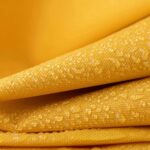
Pros: Liquid beads up on the surface, making it nearly stain-proof. It mimics the look of suede.
-
Cons: Can attract pet hair and dust due to static.
-
Best For: Homes with toddlers and dogs.
8. Rayon / Viscose
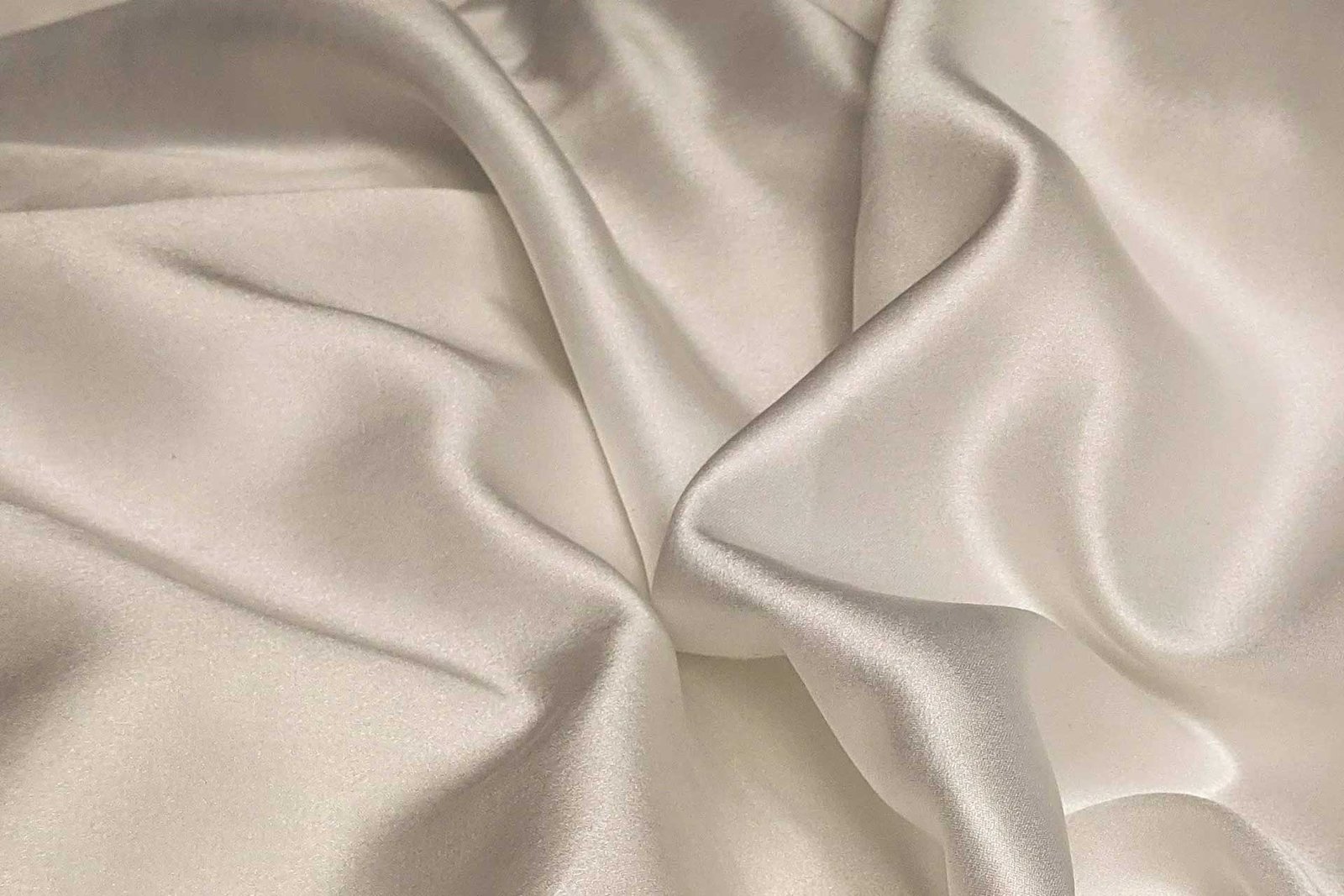
Often used to add silk-like luster to other types of upholstery fabric.
-
Pros: Adds a beautiful sheen and a soft 'hand-feel' to blends.
-
Cons: Loses strength when wet and can be prone to 'silvering' (shimmering wear).
-
Best For: Low-use decorative furniture.
9. Wool
A premium, eco-friendly choice for the sustainability-minded.
-
Pros: Naturally flame-retardant and very resistant to pilling and fading.
-
Cons: Expensive and can be scratchy if not blended with softer fibers.
-
Best For: Mid-century modern furniture and high-end offices.
10. Vinyl (Faux Leather)
The ultimate 'wipe-clean' upholstery material.
-
Pros: Completely waterproof and significantly cheaper than real leather.
-
Cons: Can crack over time if exposed to direct sunlight; doesn't breathe.
-
Best For: Dining room chairs and bar stools.
Comparison Table: At A Glance
| Material | Durability | Ease of Cleaning | Best Aesthetic |
| Cotton | Moderate | Moderate | Casual / Traditional |
| Linen | Moderate | Difficult | Organic / Luxe |
| Velvet | High | Moderate | Modern / Glam |
| Polyester | Very High | Easy | Versatile |
| Leather | Maximum | Easy | Executive / Rustic |