In the world of sewing, your project is only as strong as the thread holding it together. While polyester thread is the universal choice for its strength and resistance to rot, not all 'poly threads' are created equal.
Using a delicate spun polyester sewing thread on a boat cover will lead to shredded seams within months, while using a stiff bonded polyester thread on a cotton shirt will ruin the drape of the garment. Here is everything you need to know to choose the right bond for your build.
1. Spun Polyester Sewing Thread: The All-Purpose Hero
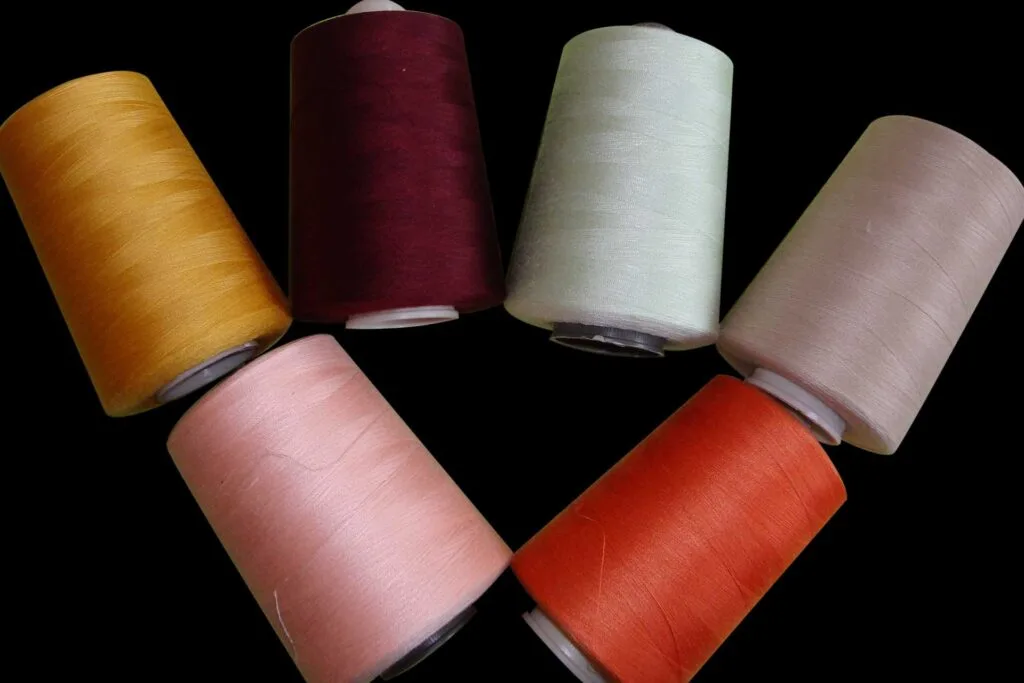
Spun Polyester Sewing Thread
If you walk into a craft store and grab a standard spool of poly thread, it is likely 'Spun Poly.'
-
How it’s made: Long polyester fibers are spun into a yarn, much like cotton is spun. It is then twisted with other yarns to create the thread.
-
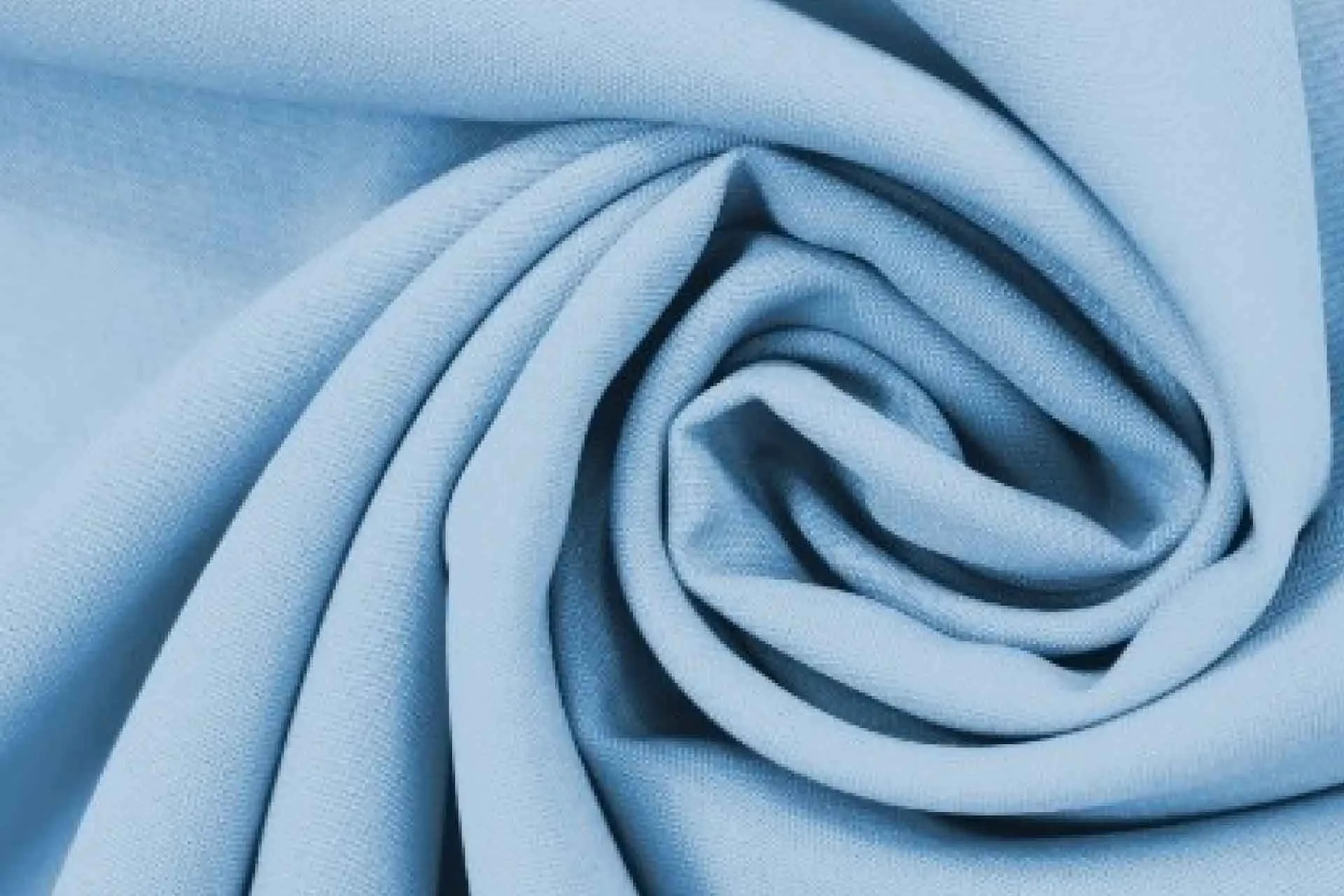
The Feel: It has a 'fuzzy' or soft texture that mimics natural fibers.
-
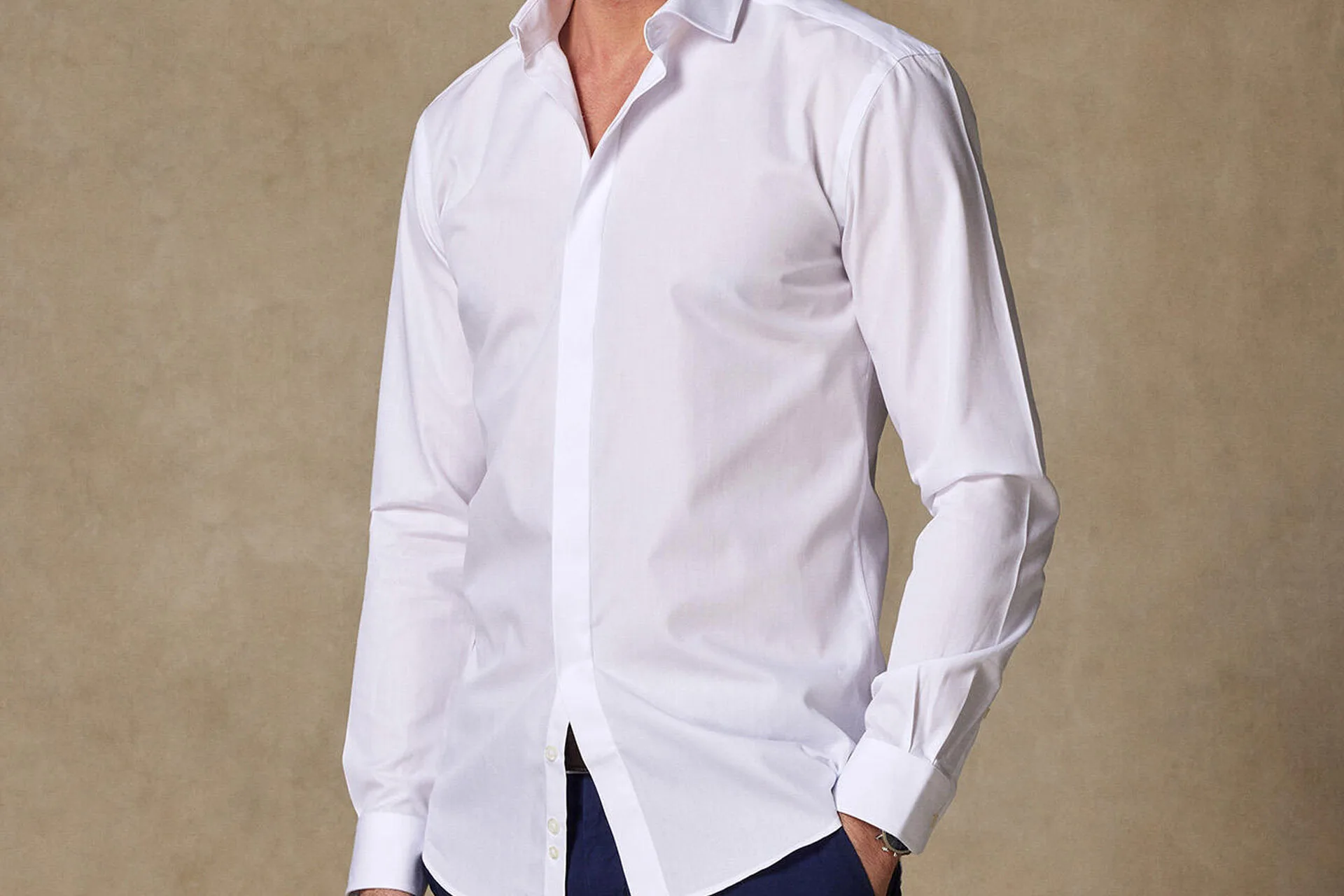
Best For: Apparel, quilting, and lightweight home decor.
-
Why use it? It is cost-effective, comes in thousands of colors, and has a slight 'give' (stretch) that makes it perfect for seams that need to move with the body.
2. Bonded Polyester Thread: The Heavy-Duty Powerhouse
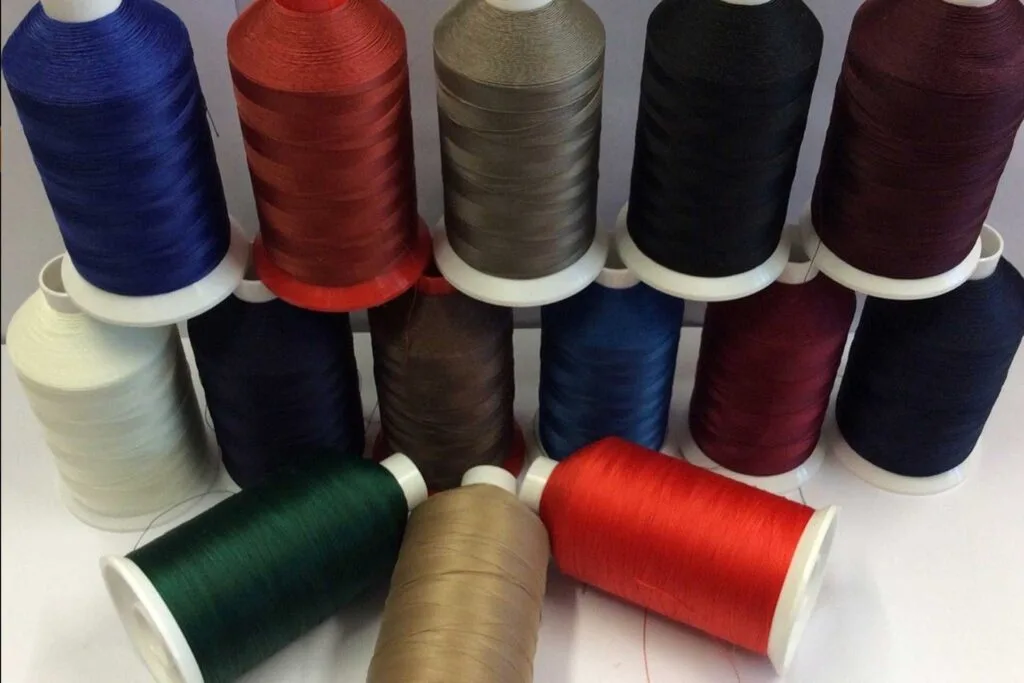
Bonded Polyester Thread
When you move into the world of leatherwork, upholstery, or outdoor gear, you need bonded polyester thread.
-
How it’s made: This starts with continuous multi-filament polyester (think long, unbroken strands). It is then treated with a special bonding resin.
-
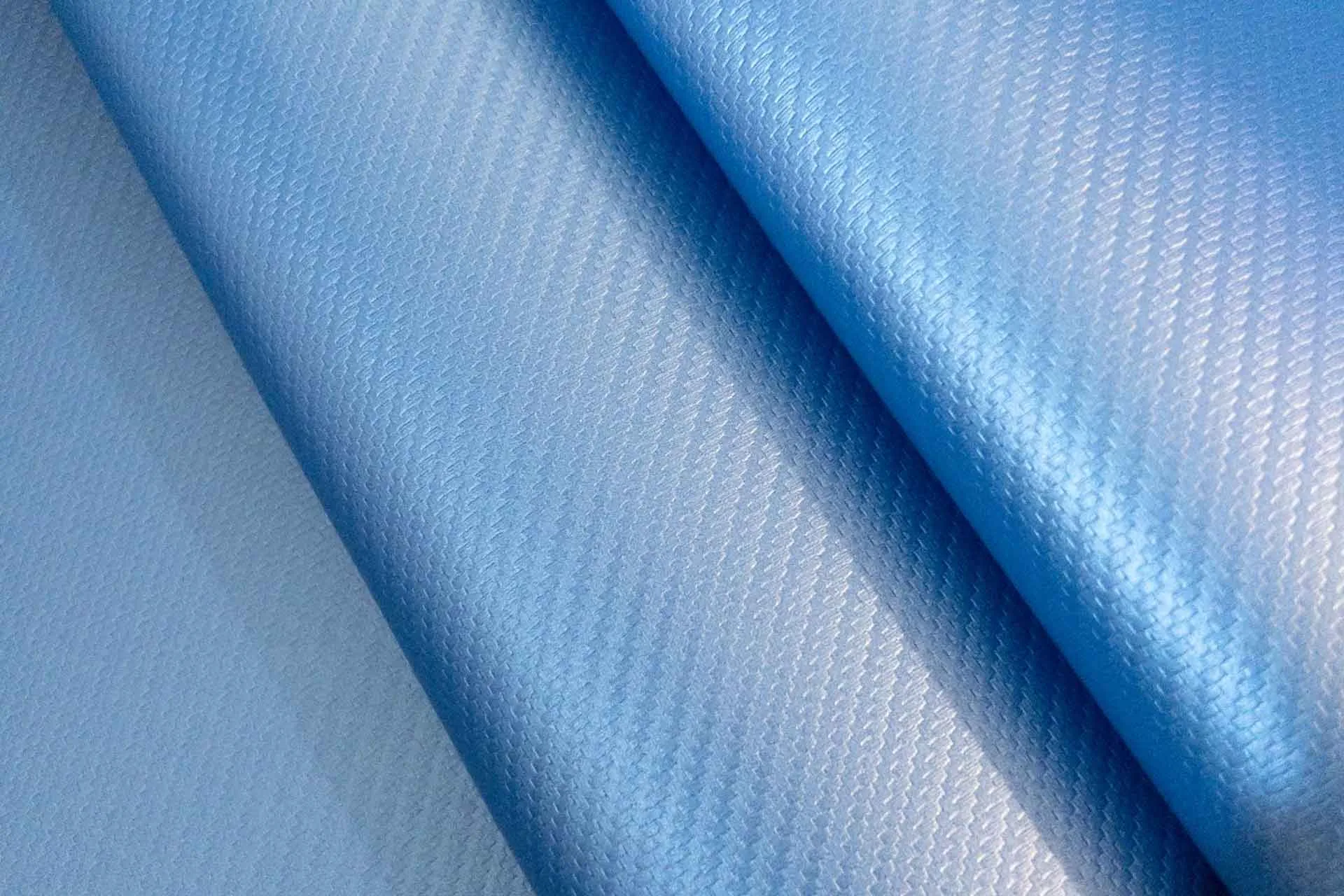
The 'Bonded' Secret: The resin coats the fibers, essentially gluing them together into a smooth, needle-like strand. This prevents the thread from untwisting or 'plying' when it passes through high-speed industrial needles.
-
Best For: Tents, sails, upholstery, luggage, and outdoor flags.
-
Why use it? It is incredibly strong and features high UV resistance. It won't fray when heat is generated by thick fabrics.
3. Comparison at a Glance: Spun vs. Bonded
| Feature | Spun Polyester | Bonded Polyester |
| Texture | Soft, fuzzy, matte | Smooth, slick, slightly shiny |
| Strength | Moderate | Very High (High Tenacity) |
| UV Resistance | Standard | Excellent (Marine Grade) |
| Machine Type | Home sewing machines | Industrial / Heavy Duty |
| Typical Use | T-shirts, dresses, curtains | Awnings, leather, boat seats |
4. Why Bonded Polyester is Essential for Outdoors
If you are sewing anything that will live outside, you must use a bonded polyester thread.
Unlike nylon—which can turn brittle and snap after exposure to the sun—polyester is naturally UV resistant. The bonding process adds an extra layer of protection, ensuring your seams don't 'sun-rot.' This is why it is the gold standard for the marine and automotive industries.
Technical Note: Bonded poly thread is often categorized by 'Tex' or 'V-size' (e.g., Tex 70 or V69). For most heavy-duty outdoor projects, Tex 70/V69 is the 'universal' size for industrial machines.
5. Pro Tip: Matching Thread to Needle
-
For Spun Poly: Use a standard universal needle (size 70/10 to 90/14).
-
For Bonded Poly: You often need a larger 'Sharp' or 'Leather' needle (size 100/16 to 110/18). Because the thread is thicker, the needle must create a hole large enough for the knot to sit inside the fabric without friction.
🛍️ Stock Your Sewing Room
Find the perfect tension and strength for your next seam.