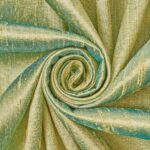
In a world dominated by ultra-smooth, mass-produced synthetics, the unique linen texture stands out as a symbol of authenticity and luxury. If you’ve ever run your hand across a high-end linen sofa or shirt and felt slight bumps or thick spots in the yarn, you’ve encountered 'slubs.'
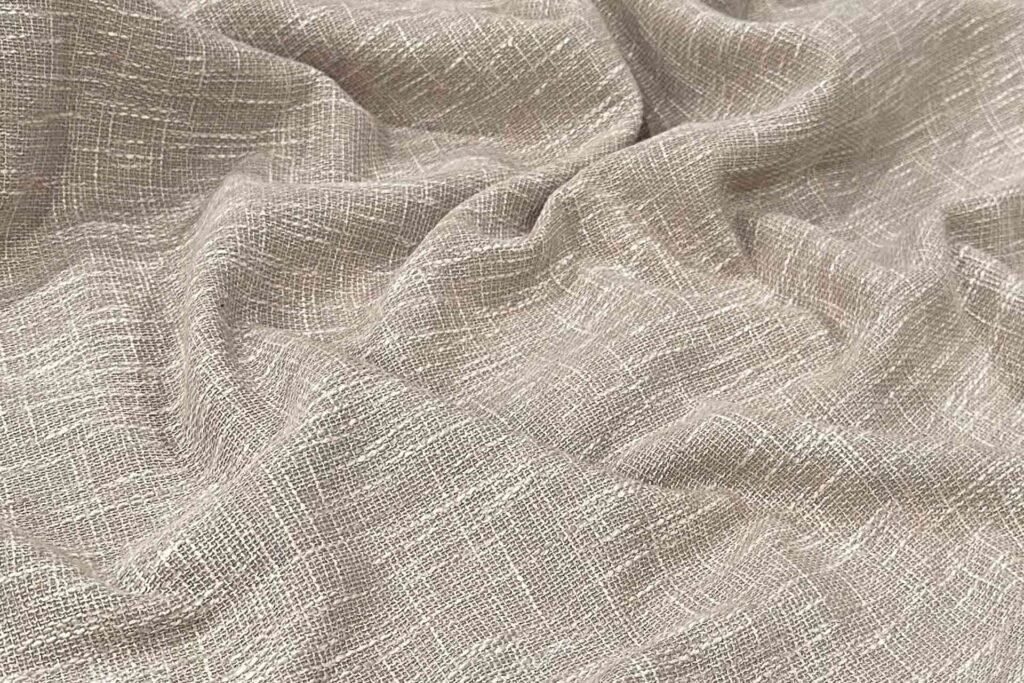
slub linen
While a novice might mistake these for flaws, seasoned designers call it slub linen—and it is one of the most sought-after looks in modern interior design and high fashion. Let’s dive into the art of the linen weave and the organic beauty of the slub.
1. The Anatomy of a Slub: Beautifully Imperfect
In textile terminology, a 'slub' is a lump or thick place in the yarn.
-
The Origin: Historically, slubs were accidental, caused by the manual spinning process where the flax fiber wasn't pulled perfectly thin.
-
The Modern Craft: Today, slubby linen is often created intentionally. Manufacturers carefully vary the tension and thickness of the flax yarn during the spinning process to create a rhythmic, tactile textured linen fabric.
-
The Result: When woven, these irregular yarns create a surface with depth, shadow, and character that a perfectly smooth fabric simply cannot match.
2. Why Designers Love 'Slubby' Linen
Why has slub linen become the 'Gold Standard' for the 'Quiet Luxury' and 'Wabi-Sabi' aesthetic?
-
Visual Depth: The thick and thin yarns catch the light differently, creating a multi-toned effect even in solid colors.
-
Organic Feel: It brings a touch of nature indoors. The more slubby linen is, the more it connects the viewer to the raw flax plant.
-
Durability & Substance: Textured weaves often hide small snags or dirt better than flat weaves, making them ideal for high-traffic upholstery.
3. Comparing Weaves: From Heavy Slubs to Airy Gauze
The linen weave determines not just the look, but how the fabric behaves on your body or in your home.
-
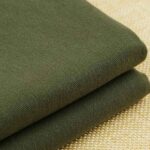
Classic Slubby Weave: A medium-to-heavyweight fabric where the slubs are highly visible. Ideal for curtains, throw pillows, and structured blazers.
-
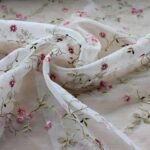
Linen Gauze: On the opposite end of the spectrum is linen gauze. This is an open, loose weave that is incredibly lightweight and semi-transparent. It has a delicate, crinkled linen texture that is perfect for summer scarves and 'breezy' window treatments.
-
Hopsack Weave: A more structured, basket-like weave that emphasizes the chunky nature of the flax fiber.
4. How Texture Impacts Color
One secret of textured linen fabric is how it handles dye. Because the slubs are denser than the rest of the thread, they often absorb dye slightly differently. This creates a 'heathered' or 'marled' look that gives the fabric a rich, artisanal quality—something you'll never see in a flat polyester print.
5. Maintenance: Caring for Your Textured Linen
To keep your slub linen looking its best:
-
Avoid Harsh Agitation: While linen is strong, aggressive washing can cause the slubs to fray over time. Use a gentle cycle.
-
Steam, Don't Press: To maintain the beautiful '3D' effect of the linen texture, use a garment steamer rather than a heavy iron, which can flatten the characteristic slubs.
🛍️ Shop the Texture Collection
Explore our range of artisanal weaves, from chunky slubs to ethereal gauzes.