Flax vs Linen: Quick Answer
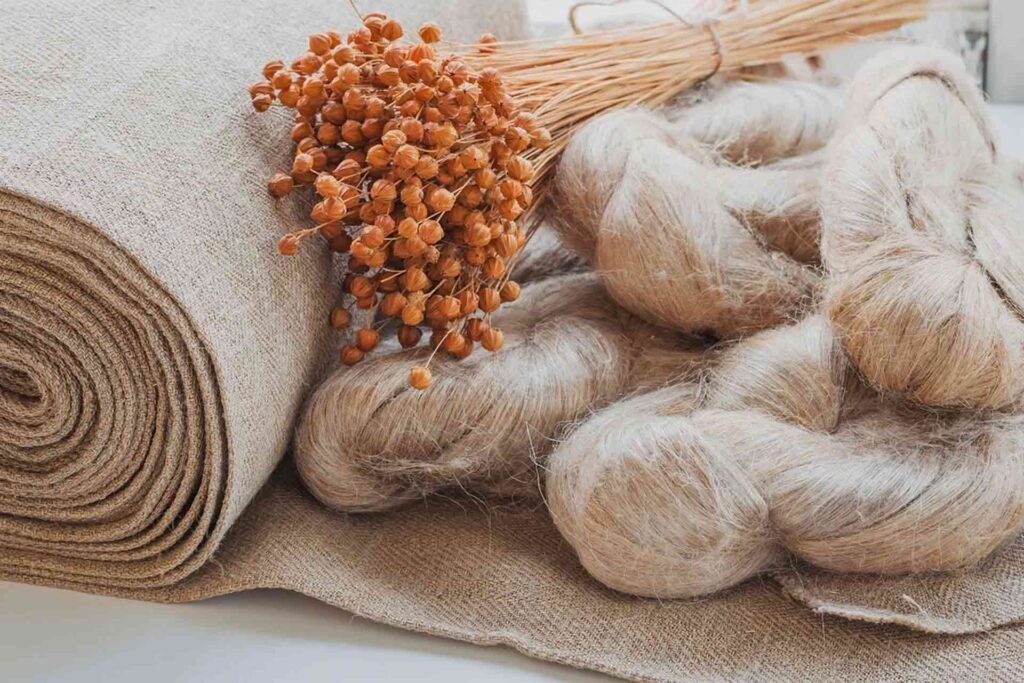
Flax is the plant. Linen is the fabric made from flax fibers.
If you're buying textiles, clothing, or home fabrics, what you actually care about is linen, not raw flax.
Why People Confuse Flax and Linen
The confusion is simple:
- Flax = raw natural plant
- Linen = finished textile made from flax
Because linen comes only from flax, many people use the terms interchangeably—but technically, they are not the same thing.
Flax vs Linen: Key Differences
| Aspect | Flax | Linen |
|---|---|---|
| Type | Plant | Fabric |
| Stage | Raw material | Finished textile |
| Form | Fiber / seeds | Yarn, cloth |
| Usage | Agriculture, fiber source | Clothing, bedding, upholstery |
| Market relevance | Industrial/raw | Consumer product |
👉 You grow flax, but you wear linen.
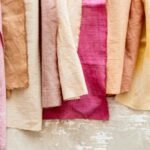
flax for linen
When Does the Difference Actually Matter?
1. If You're Buying Fabric or Products
You should always look for linen, not flax.
Example:
- ✔ “100% linen sheets” → correct
- ❌ “flax fabric” → uncommon wording in retail
2. If You're in Manufacturing or Sourcing
Then flax becomes important because it affects:
- Fiber quality
- Origin (European flax vs others)
- Final linen performance
3. If You're Comparing Materials
You are almost always comparing:
- Linen vs cotton
- Linen vs polyester
—not flax.
How Flax Becomes Linen (Step-by-Step)
Understanding this process helps explain why linen is premium.
1. Harvesting
Flax plants are pulled from the ground to preserve fiber length.
2. Retting
The plant is soaked or exposed to moisture to separate fibers from the stem.
3. Breaking & Scutching
The woody parts are removed, leaving soft fibers.
4. Spinning
Fibers are spun into yarn.
5. Weaving
The yarn is woven into linen fabric.
👉 The more controlled this process is, the higher the linen quality.
Why Linen Is So Popular
Linen isn’t just “natural”—it has real performance advantages.
✔ Highly Breathable
Perfect for hot climates and summer clothing.
✔ Strong and Durable
Linen fibers are stronger than cotton, meaning longer lifespan.
✔ Moisture-Wicking
Absorbs moisture without feeling damp.
✔ Eco-Friendly
Flax requires less water and fewer chemicals than cotton.
👉 This is why linen is widely used in:
- Apparel
- Bedding
- Curtains
- Upholstery
Linen vs Cotton: Which Is Better?
| Feature | Linen | Cotton |
|---|---|---|
| Breathability | Excellent | Good |
| Durability | Higher | Moderate |
| Softness | Improves over time | Soft initially |
| Price | Higher | Lower |
👉 Simple rule:
- Choose linen for durability & premium feel
- Choose cotton for softness & budget
Buying Guide: How to Choose the Right Linen
If you're sourcing or buying linen products, focus on these:
1. Fiber Content
Look for:
- 100% linen (best quality)
- Avoid heavy blends if durability matters
2. Origin
High-quality flax usually comes from:
- Europe (e.g., France, Belgium)
3. Fabric Weight
- Lightweight → clothing
- Medium → shirts, dresses
- Heavy → upholstery, curtains
4. Weave Quality
Tighter weave = better durability and appearance
Common Mistakes to Avoid
❌ Thinking flax = finished product
It’s just the raw material.
❌ Assuming all linen is the same
Quality varies significantly depending on processing.
❌ Ignoring blends
Some “linen” products may contain polyester.
FAQ
Is flax the same as linen?
No. Flax is the plant, linen is the fabric made from it.
Is linen always made from flax?
Yes. True linen is always derived from flax fibers.
Is linen better than cotton?
It depends. Linen is more durable and breathable, while cotton is softer and cheaper.
Why is linen more expensive?
Because the production process is more labor-intensive and time-consuming.
Final Thoughts
If you remember one thing:
Flax is the source. Linen is the product.
For any real-world use—clothing, bedding, or sourcing—you should focus on linen quality, not just the raw material.
Looking for Reliable Linen or Fabric Supply?
If you're sourcing high-quality textile materials for your business, choosing the right supplier matters just as much as choosing the material.
We provide:
- Consistent quality control
- Competitive pricing
- Bulk supply for global buyers