Most People Use Fleece for Tie Blankets — But Is It Always the Best Option?
If you’ve ever searched for fabric for tie blankets, you’ve probably seen the same answer over and over:
👉 “Use fleece.”
And to be fair — that advice is mostly correct.
But here’s what many guides don’t tell you:
👉 Fleece isn’t the best choice for every situation.
Some blankets turn out too hot.
Some look cheaper than expected.
And some don’t last as long as they should.
So instead of just telling you what’s popular, this guide will help you understand:
- Why fleece became the standard
- When it works best
- And when you might want something different
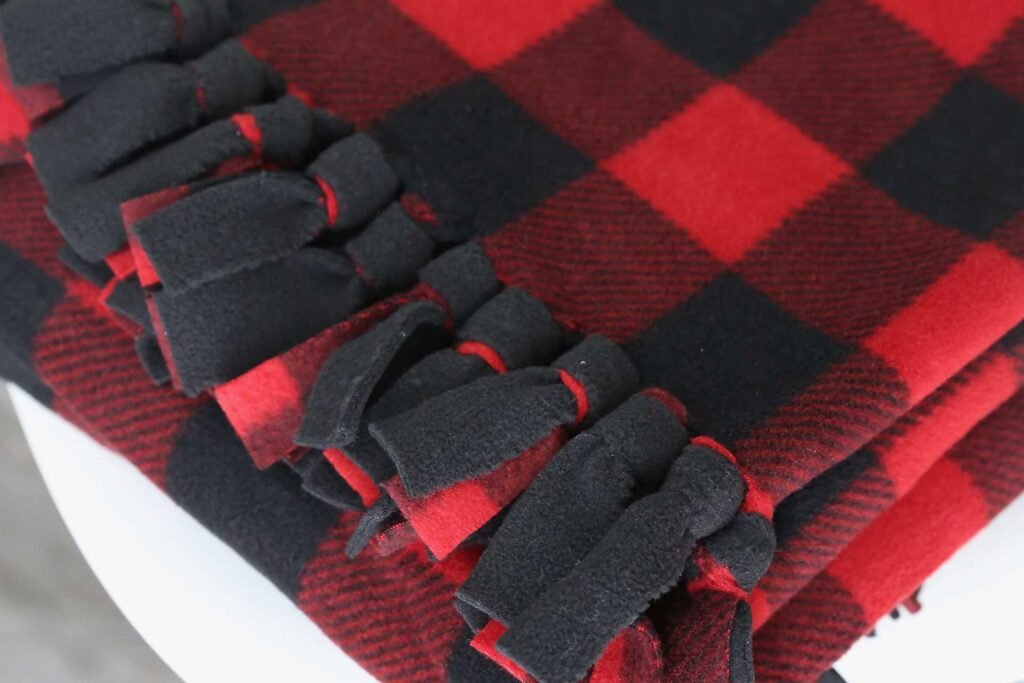
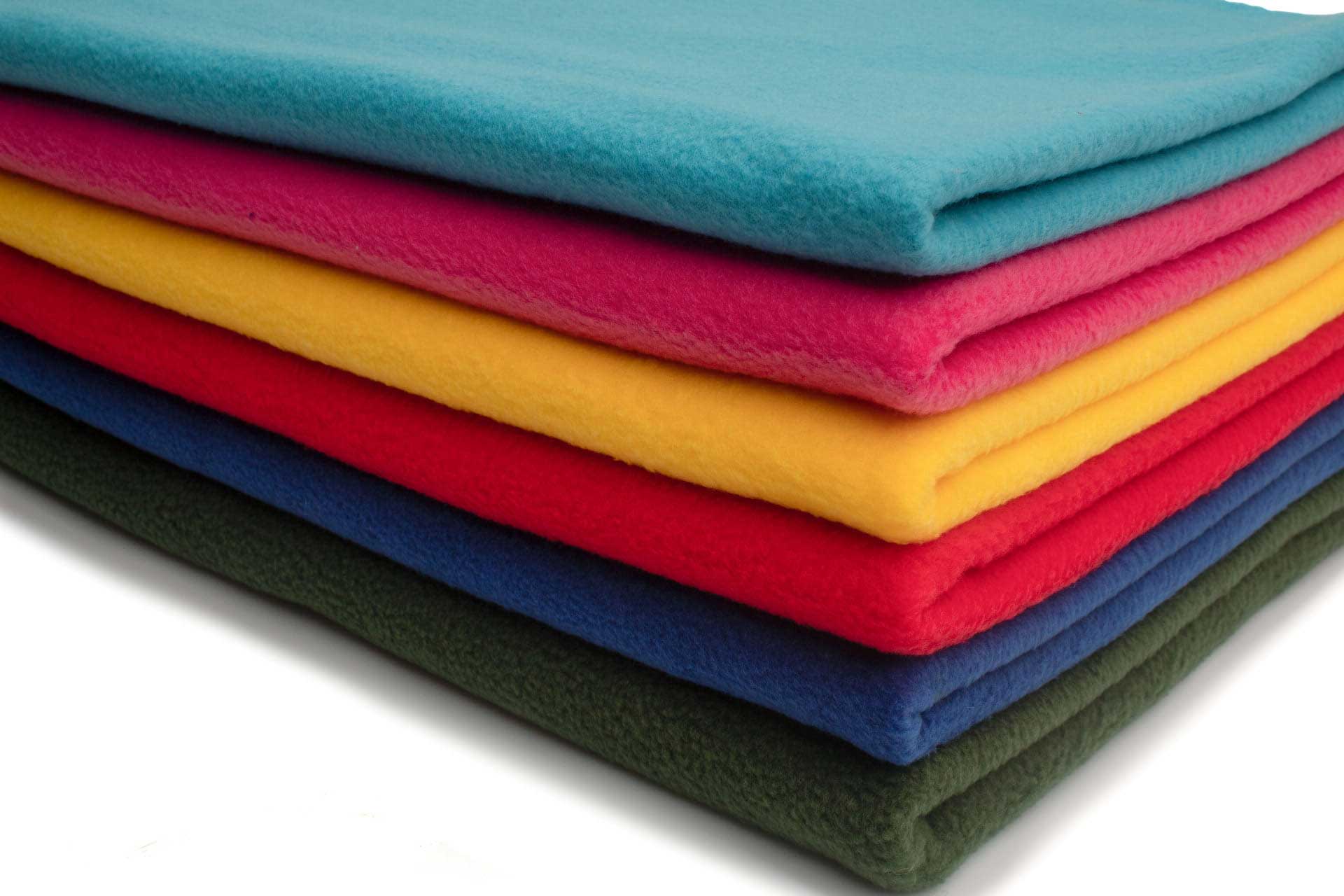
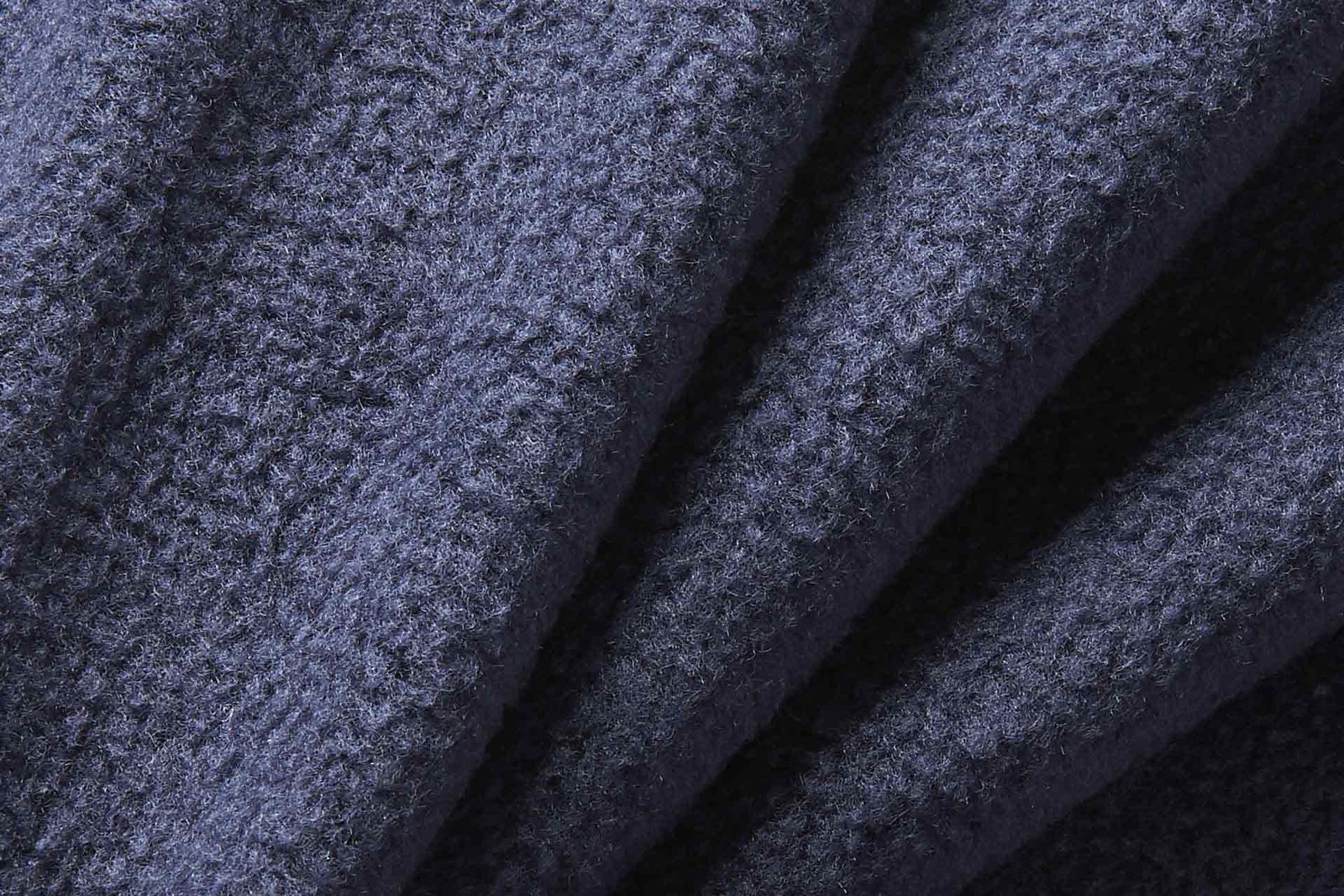
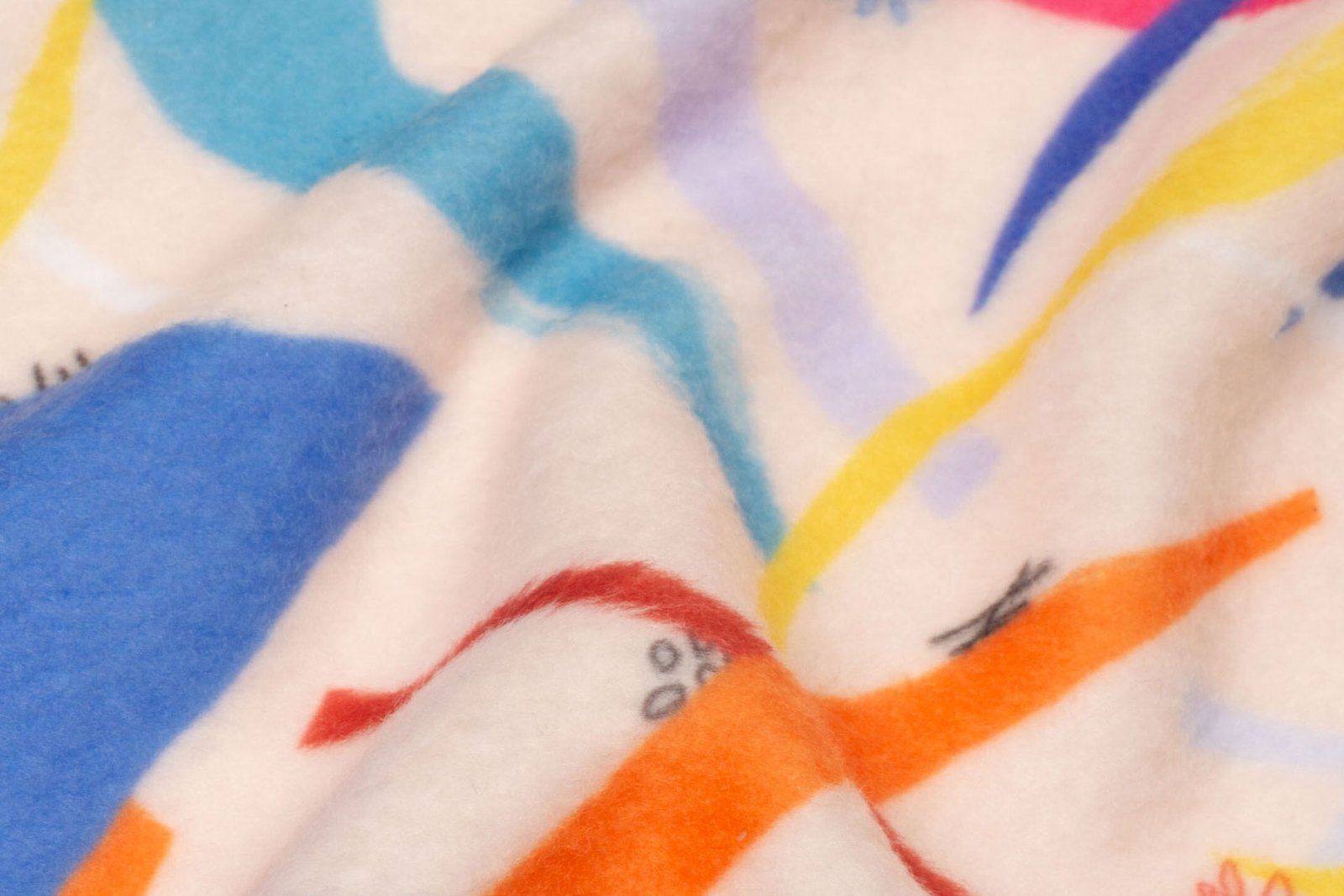
fleece tie blanket material
Why Fleece Became the Go-To Fabric for Tie Blankets
Fleece didn’t become popular by accident.
It solves the biggest problems people face when making tie blankets.
1. No Fraying Edges
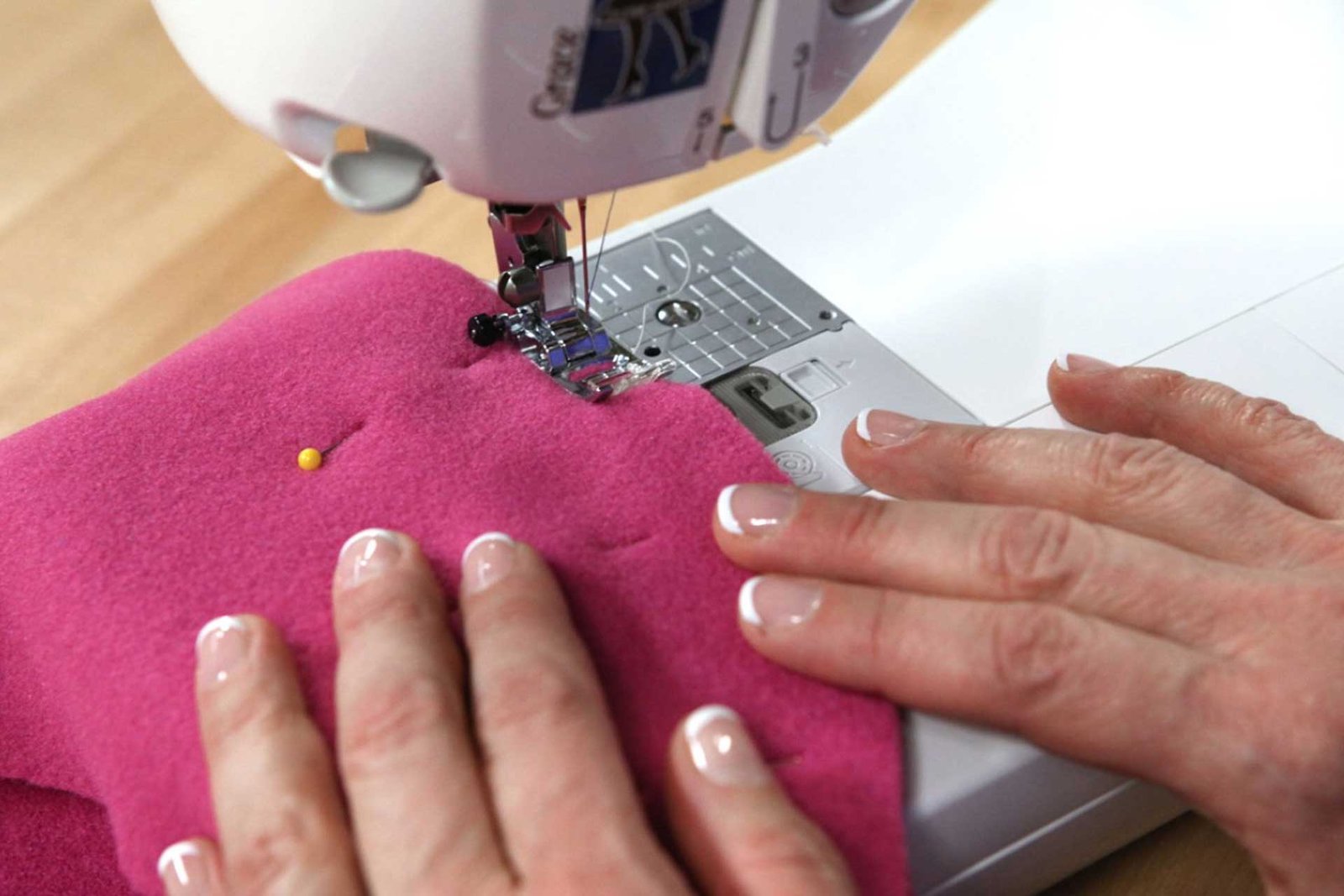
Unlike many fabrics, fleece doesn’t unravel when cut.
👉 That means:
- No sewing required
- No edge finishing
- Perfect for beginners
2. Easy to Cut and Tie
Fleece is soft but stable.
It holds its shape when you cut strips and tie knots — which is exactly what a tie blanket requires.
3. Warm but Lightweight
Fleece traps heat effectively without feeling too heavy.
👉 This makes it ideal for:
- Winter blankets
- Kids’ projects
- Everyday use
4. Widely Available and Affordable
You can easily find fleece tie blanket fabric in:
- Craft stores
- Online fabric shops
- Bulk suppliers
👉 It’s one of the most accessible materials for DIY projects.
Not All Fleece Is the Same (This Is Where Many People Go Wrong)
One of the biggest mistakes beginners make is assuming all fleece fabrics perform the same.
They don’t.
Standard Fleece
- Affordable
- Soft
- Can pill over time
Anti-Pill Fleece (Recommended)
- Resists fuzz and pilling
- Keeps a cleaner look after washing
- Better for long-term use
👉 If you want your blanket to last, this is usually the better choice.
Cheap Fleece (What to Avoid)
- Very thin
- Loses shape quickly
- Feels rough after washing
👉 It may save money upfront — but often leads to disappointment.
When Fleece Is NOT the Best Fabric for Tie Blankets
This is where most articles stop — but this is where your decision actually matters.
❌ If You Don’t Want a Warm Blanket
Fleece is designed to retain heat.
👉 That’s great in winter — but not ideal in warmer climates or seasons.
❌ If You Want a Premium Look
Fleece is practical, but it doesn’t always look high-end.
👉 For gifts or decorative blankets, it may feel too casual.
❌ If You Want a Heavier, Weighted Feel
Fleece is lightweight.
If you’re looking for a thicker, more luxurious blanket, other fabrics may be better.
Other Fabrics for Tie Blankets (And When to Use Them)
Minky Fabric (Best for Softness & Luxury)
Minky is softer and more plush than fleece.
👉 Choose this if:
- You want a premium feel
- You’re making a gift
- Softness is your top priority
⚠️ Downside:
Harder to cut and tie due to its slippery texture
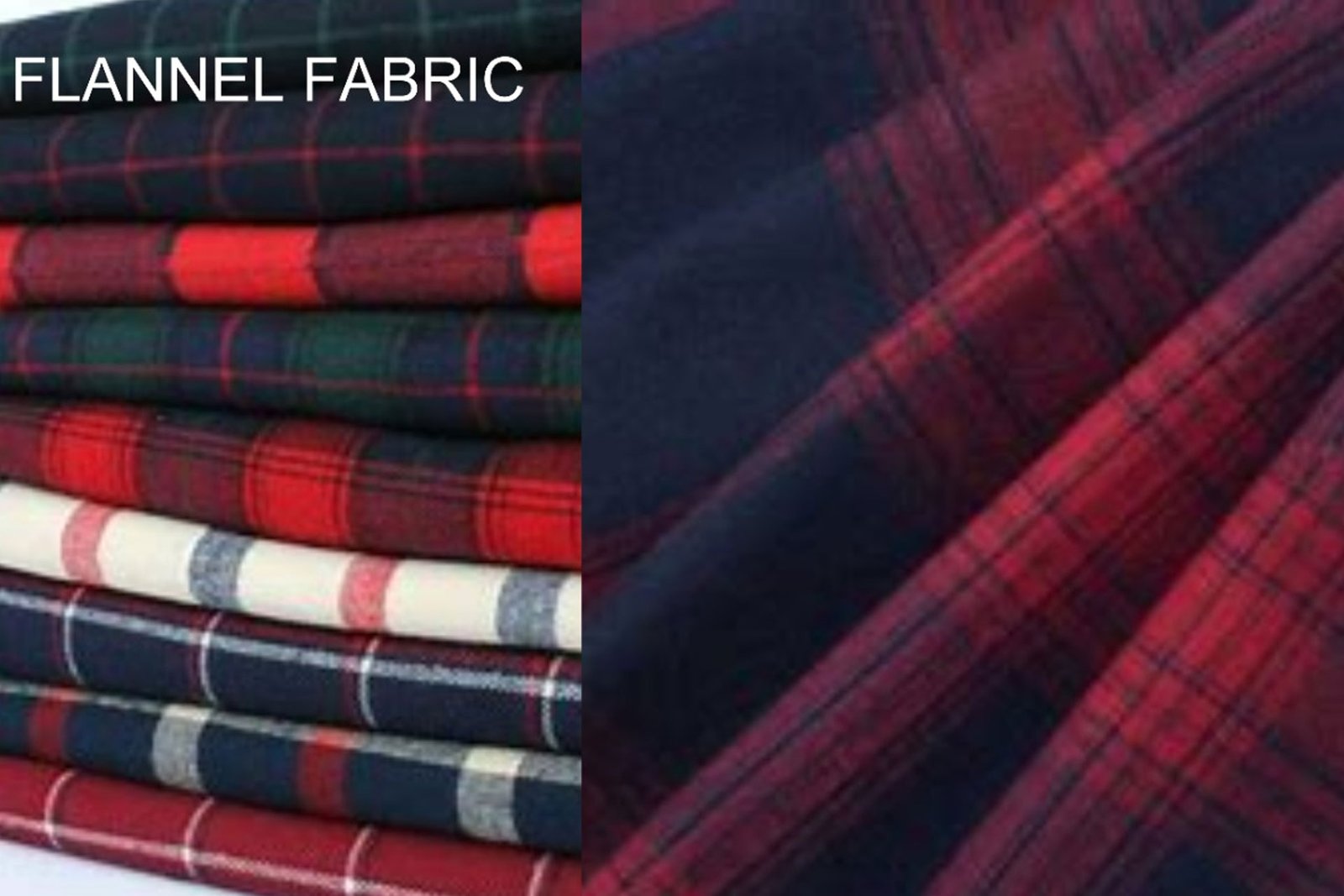
Flannel (Best for Breathability)
Flannel is lighter and more breathable.
👉 Choose this if:
- You don’t want excessive warmth
- You prefer a natural fabric feel
⚠️ Downside:
Edges can fray — not ideal for no-sew blankets
Cotton Blends (Less Common but Possible)
👉 Choose this if:
- You want a lighter blanket
- You’re okay with additional finishing
⚠️ Downside:
Not beginner-friendly for tie blankets
How to Choose the Best Fabric for Tie Blankets (Simple Rule)
Instead of overthinking, use this quick guide:
- Want easy & beginner-friendly → Fleece
- Want ultra-soft & premium → Minky
- Want breathable & lighter → Flannel
👉 Most people still choose fleece — but now you know why.
What Weight of Fabric Should You Choose?
Fabric weight makes a big difference in how your blanket feels.
👉 For fleece:
- 200–300 GSM → ideal balance
- Too light → feels thin
- Too heavy → harder to tie
A Common Mistake That Ruins Tie Blankets
Many beginners focus on patterns and colors first.
But the real issue is usually the fabric itself.
👉 Wrong material = poor knots, bad durability, or uncomfortable use
Choosing the right fabric matters more than design.
Final Thoughts
Fleece is the most popular fabric for tie blankets — and for good reason.
It’s easy to use, affordable, and reliable.
But it’s not perfect for every situation.
Understanding when to use fleece — and when to consider alternatives — is what separates a good blanket from a great one.
Looking for High-Quality Fabric for Tie Blankets?
Whether you need fleece tie blanket fabric or other materials for DIY and bulk projects, choosing the right fabric makes all the difference.
👉 Contact us today for fabric samples, expert advice, and competitive pricing tailored to your needs.