Microfiber Is Not a Fabric — It's a Fiber Technology That Changes Everything
Most people hear 'microfiber' and think of cleaning cloths. That's like hearing 'steel' and thinking of paperclips. Microfiber is a fiber engineering technology used in everything from performance sportswear and luxury suiting to medical textiles and automotive upholstery.
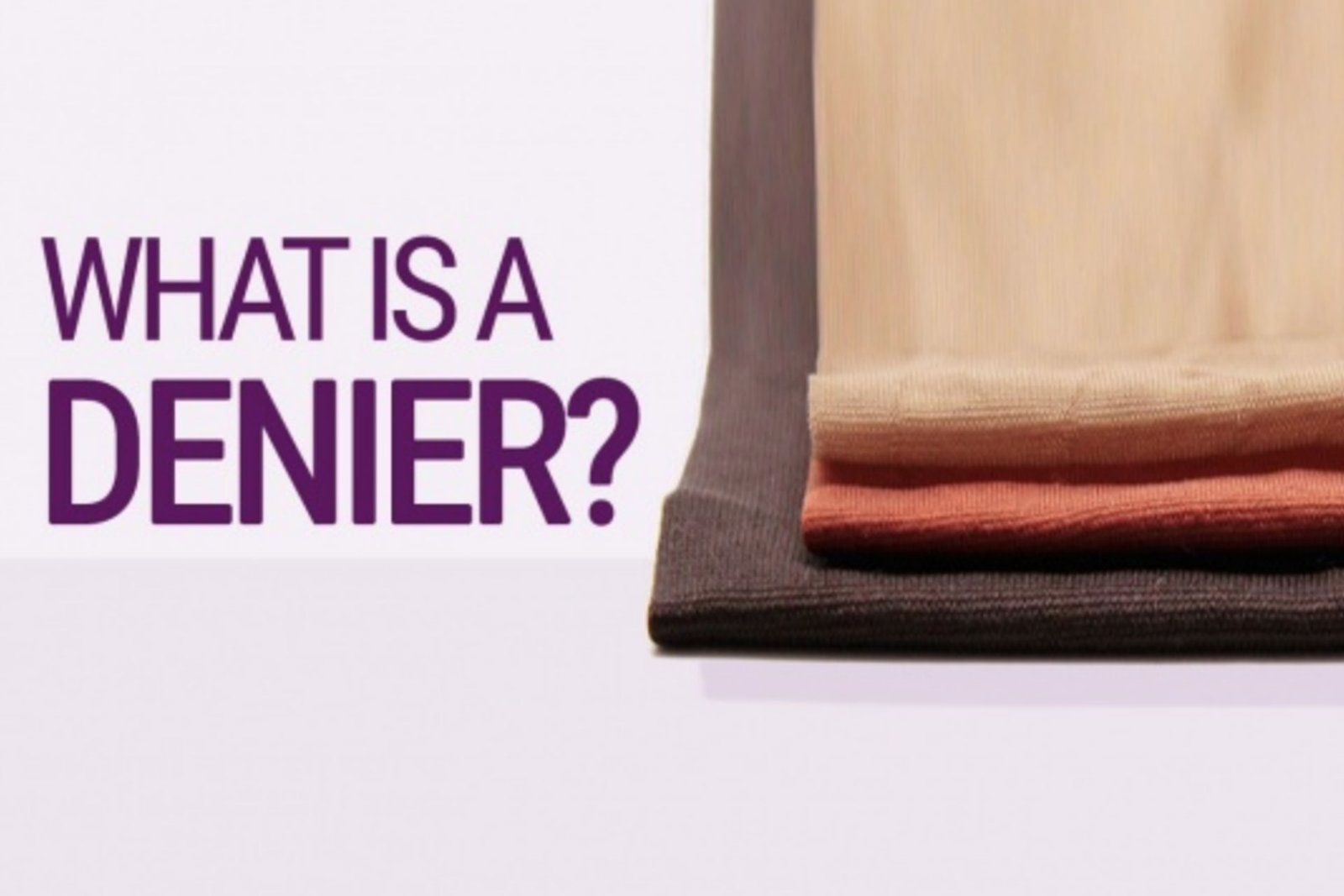
Microfiber refers to fibers that are less than 1 denier in diameter — that's about 1/100th the thickness of a human hair. For comparison, a standard polyester fiber used in a typical dress shirt is 2-3 denier. A cotton fiber is about 1.5-2 denier. Microfibers are so fine that a single pound of microfiber yarn can wrap around the earth more than 10 times.
This extreme fineness gives microfiber fabrics properties that conventional fibers cannot achieve: unparalleled softness, high density weaves that block wind and water, superior cleaning ability without chemicals, and a hand feel that can mimic suede, silk, or even high-end cotton.
This guide covers what microfiber fabric is, how it's made, the types of microfiber, its properties and applications, and how to source quality microfiber fabric.
What Is Microfiber Fabric
What Is Microfiber Fabric?
Microfiber is defined as any fiber with a linear density of less than 1 denier (or less than 1.0 decitex in metric terms).
| Fiber Type | Typical Diameter | Relative Thickness |
|---|---|---|
| Human hair | 70-100 microns | 100x |
| Standard polyester | 15-25 microns | 20-30x |
| Cotton fiber | 15-20 microns | 20x |
| Fine wool | 15-25 microns | 20x |
| Silk | 10-15 microns | 15x |
| Microfiber | 0.5-10 microns | 1x (baseline) |
The term 'microfiber' covers fibers made from several different polymers:
| Microfiber Type | Base Material | Characteristics |
|---|---|---|
| Polyester microfiber | PET (polyethylene terephthalate) | Most common. Strong, durable, chemical-resistant |
| Polyamide microfiber (nylon) | Nylon 6 or Nylon 6,6 | Softer than polyester, more abrasion-resistant |
| Polyester-nylon split microfiber | Splittable bicomponent (islands-in-the-sea) | Ultra-fine after splitting — creates the 'suede' effect |
| Acrylic microfiber | Polyacrylonitrile | Soft, wool-like hand feel |
| Viscose microfiber | Regenerated cellulose | Softer, more absorbent — less common in microfiber form |
The vast majority of microfiber fabric on the market is polyester or polyester-nylon blend.
How Is Microfiber Fabric Made?
Microfiber production is more technically complex than standard fiber production because the fibers are too fine to be extruded individually at commercial speeds. Instead, microfiber is produced using bicomponent fiber technology.
Method 1: Islands-in-the-Sea (most common for split microfiber)
- Two polymers are combined in the spinneret — one polymer forms 'islands' (usually nylon) and the other forms the 'sea' (usually polyester or a water-soluble polymer)
- The combined fiber is extruded and drawn — producing a single thick fiber containing dozens of ultra-fine islands
- The 'sea' is dissolved away using hot water or a chemical bath, leaving behind only the ultra-fine island fibers
- The resulting fibers are 0.1-0.5 denier each — far finer than any directly extruded fiber
This process produces the ultra-fine fibers used for microfiber suede, cleaning cloths, and high-end performance fabrics.
Method 2: Direct extrusion (for larger microfiber range)
For microfibers in the 0.5-1.0 denier range, direct extrusion through specialized spinnerets is possible. These fibers are used for standard microfiber fabrics like performance shirts and lightweight outerwear.
Types of Microfiber Fabric
Microfiber is not a single fabric. The final fabric characteristics depend on the fiber type, weave, and finishing process.
| Type | Fiber Source | Key Characteristics | Typical Use |
|---|---|---|---|
| Microfiber suede | Split polyester-nylon microfibers + polyurethane coating | Soft, velvety surface. Looks and feels like natural suede | Jackets, skirts, shoes, upholstery, automotive interiors |
| Microfiber woven fabric (peach skin) | Ultra-fine polyester microfibers, lightly brushed surface | Extremely soft, fine texture like peach fuzz. Drapes beautifully | Blouses, dresses, scarves, lining |
| Microfiber performance knit | Fine polyester microfibers, knitted construction | Moisture-wicking, lightweight, soft against skin | Activewear, base layers, compression wear |
| Microfiber cleaning cloth | Split polyester-polyamide microfibers, often woven | Absorbs 7x its weight in water. Traps dust and bacteria mechanically | Cleaning cloths, mop heads, lens cleaning wipes |
| Microfiber fleece | Brushed microfiber polyester knit | Extremely soft, lightweight, warm | Mid-layer jackets, blankets, cold-weather gear |
| Microfiber down alternative | Hollow silicone-coated microfibers | Mimics down insulation, water-resistant, hypoallergenic | Parkas, duvets, sleeping bags |
| Microfiber faux leather | Microfiber base + polyurethane top coat | Looks and feels like genuine leather. More breathable than PVC leather | Furniture, automotive, footwear, accessories |
Microfiber Fabric Properties
| Property | Rating | Explanation |
|---|---|---|
| Softness | ★★★★★ | Microfibers are so fine they flex easily — creating a hand feel that natural fibers cannot match |
| Durability | ★★★★☆ | High-quality microfiber is very durable. Split microfiber suede can outlast natural suede 3:1 |
| Abrasion resistance | ★★★★★ | Microfiber suede and faux leather can withstand 100,000+ rubs (Martindale test) — exceeds most natural materials |
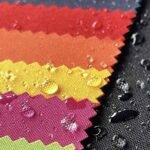
| Water resistance | ★★★★☆ | Dense microfiber weaves resist water penetration. Can be treated for waterproof performance |
| Breathability | ★★★☆☆ | Dense microfiber weaves are less breathable than standard fabrics. Microfiber knits are more breathable |
| Moisture wicking | ★★★★☆ | Microfibers have high surface area — capillary action pulls moisture away from skin efficiently |
| Drying speed | ★★★★★ | Dries 3-5x faster than cotton. Microfibers have very low water absorption |
| Stain resistance | ★★★★☆ | Dense weave resists stain penetration. Most stains stay on the surface and wipe off |
| Pilling resistance | ★★★★☆ | Filament microfiber does not pill. Staple microfiber may pill but less than standard polyester |
| UV resistance | ★★★☆☆ | Similar to standard polyester — degrades with prolonged sun exposure without UV treatment |
| Weight | ★★★★☆ | Microfiber fabrics are lightweight for their strength. A microfiber jacket weighs 30-50% less than a standard polyester equivalent |
Microfiber vs Natural Fibers — A Comparison
| Factor | Microfiber (Polyester) | Cotton | Wool | Silk | Leather |
|---|---|---|---|---|---|
| Softness | ★★★★★ | ★★★★☆ | ★★★☆☆ | ★★★★★ | ★★★★☆ |
| Durability | ★★★★★ | ★★★☆☆ | ★★★☆☆ | ★★☆☆☆ | ★★★★☆ |
| Water resistance | ★★★★☆ | ★☆☆☆☆ | ★★☆☆☆ | ★★☆☆☆ | ★★★☆☆ |
| Breathability | ★★★☆☆ | ★★★★★ | ★★★★☆ | ★★★★☆ | ★★☆☆☆ |
| Stain resistance | ★★★★☆ | ★★☆☆☆ | ★★☆☆☆ | ★★☆☆☆ | ★★★☆☆ |
| Cost | $$ | $$ | $$$ | $$$$ | $$$$$ |
| Care | Easy | Moderate | Dry clean | Dry clean | Specialized |
| Biodegradable | No | Yes | Yes | Yes | Yes (partially) |
Microfiber Suede — The Most Popular Microfiber Application
Microfiber suede deserves special attention because it is the most commercially successful microfiber product. It accounts for the largest volume of microfiber fabric produced globally.
What is microfiber suede? It's a fabric made from ultra-fine split polyester-nylon microfibers, typically with a polyurethane coating on one side. The fiber structure creates a napped surface that looks and feels like natural suede (from animal hide) but with superior performance properties.
Microfiber suede vs natural suede:
| Factor | Microfiber Suede | Natural Suede |
|---|---|---|
| Softness | Excellent — consistent across the entire roll | Excellent — but varies by hide quality |
| Durability | 100,000+ rubs (Martindale) | 20,000-40,000 rubs |
| Water resistance | Good — water beads and can be wiped | Poor — water stains permanently |
| Stain resistance | Good — most stains clean easily | Poor — absorbs stains |
| Color consistency | Perfect — machine dyed | Variable — each hide takes dye differently |
| Weight | Lighter | Heavier |
| Cost per meter | $$ | $$$$$ |
| Animal-free | Yes | No |
| Care | Machine wash or wipe clean | Professional cleaning only |
Common uses for microfiber suede:
- Jackets and coats
- Upholstery (furniture, automotive, marine)
- Footwear and accessories
- Electronic device cases
- Automotive interiors (seats, dashboards, door panels)
Microfiber in Performance Apparel
Microfiber is widely used in activewear and performance apparel because of its moisture-wicking properties. The high surface area of microfibers creates capillary action that pulls sweat away from the skin and spreads it across the fabric surface for rapid evaporation.
| Application | Why Microfiber |
|---|---|
| Base layers | Moisture-wicking keeps skin dry during activity |
| Compression wear | Lightweight, stretch-friendly, soft against skin |
| Running shirts | Lightweight, quick-drying, non-chafing |
| Swimwear | Dries fast, chlorine-resistant, lightweight |
| Outerwear shells | Dense weave blocks wind, resists water |
Microfiber Cleaning Cloths — How They Work
Microfiber cleaning cloths are unique because they clean mechanically — not chemically.
The split fiber structure creates microscopic hooks and spaces:
- The ultra-fine fibers (0.2-0.3 denier) create millions of microscopic spaces between fibers
- When the cloth is wiped across a surface, these spaces trap dust, dirt, bacteria, and liquids
- The fibers have a positive electrostatic charge that attracts negatively charged dust particles
- A microfiber cloth can hold 7-8x its own weight in water
| Comparison | Microfiber Cloth | Cotton Cloth |
|---|---|---|
| Particle pickup | 99% of particles down to 0.1 microns | 30-40% of visible particles |
| Water absorption | 7-8x own weight | 3-4x own weight |
| Cleaning without chemicals | Excellent | Poor |
| Reusable | 300-500 washes | 50-100 washes |
| Lint/dust left behind | Minimal — actually traps dust | Leaves lint fibers |
How to Care for Microfiber Fabric
Microfiber apparel:
- Machine wash cold or warm (30-40°C)
- Gentle cycle — avoid fabric softener (it coats the fibers and reduces performance)
- Tumble dry low or hang dry
- Do not iron on high heat — microfiber can melt
- Do not bleach
Microfiber suede:
- Wipe clean with a damp cloth for light soiling
- Machine wash cold, gentle cycle for heavy soiling
- Do not tumble dry — air dry
- Brush gently with a soft brush to restore the nap
- Do not dry clean (chemicals can damage the polyurethane coating)
Microfiber cleaning cloths:
- Machine wash warm with mild detergent — no fabric softener
- Do not use bleach or harsh chemicals
- Tumble dry on low or air dry — do not iron
- Replace when the cloth no longer picks up dust effectively (typically 300-500 washes)
Is Microfiber Fabric Sustainable?
Microfiber's environmental impact is mixed, similar to other synthetic fabrics:
| Environmental Factor | Microfiber |
|---|---|
| Raw material | Petroleum-based (non-renewable) |
| Energy in production | Moderate — comparable to standard polyester |
| Water in production | Low — less than cotton production |
| Biodegradability | No — takes 200+ years to decompose |
| Microplastic shedding | Yes — same issue as all synthetic fabrics |
| Recyclability | Yes — can be mechanically recycled |
| Durability | High — lasting 3-5x longer than natural alternatives reduces replacement frequency |
The durability argument: A microfiber jacket that lasts 5-10 years has a lower per-year environmental impact than a cotton jacket that lasts 1-2 years or a leather jacket that requires resource-intensive production. Longevity is a sustainability factor that is often overlooked.
Frequently Asked Questions
Q: Is microfiber fabric breathable? A: It depends on the construction. Woven microfiber (used for outerwear and suede) is less breathable than natural fibers because of its dense weave. Knitted microfiber (used for activewear) is more breathable and can be engineered for moisture-wicking performance.
Q: Is microfiber fabric waterproof? A: Microfiber is water-resistant, not waterproof. The dense weave repels water and causes it to bead on the surface. For waterproof performance, microfiber fabrics are laminated with a waterproof membrane (like Gore-Tex) or coated with a waterproof finish.
Q: Is microfiber fabric safe for sensitive skin? A: Generally yes. Microfiber is smooth, non-abrasive, and hypoallergenic — it does not trap dust mites or allergens like natural fibers can. However, some people with very sensitive skin may prefer natural fibers for direct skin contact.
Q: Does microfiber fabric pill? A: Filament microfiber (continuous fiber) does not pill. Staple microfiber (cut and spun) may pill, but less than standard polyester because the finer fibers are more flexible and less prone to breaking.
Q: Can microfiber be recycled? A: Yes. Polyester microfiber can be mechanically recycled. Some manufacturers offer recycled microfiber made from post-industrial or post-consumer waste.
Q: Is microfiber fabric cheap? A: Quality varies widely. Basic microfiber cleaning cloths are inexpensive. Premium microfiber suede and performance fabrics are mid-to-high range. Microfiber is generally less expensive than natural suede, silk, or high-end wool but more expensive than standard polyester or budget cotton.
Q: How long does microfiber fabric last? A: With proper care, high-quality microfiber apparel lasts 5-10 years. Microfiber suede upholstery tested to 100,000+ rubs can last 10-15 years in residential use. Microfiber cleaning cloths last 300-500 wash cycles.
Get a Quote — Microfiber Fabric
XINGYE TEXTILE manufactures microfiber fabric in a range of constructions — microfiber suede, microfiber woven, microfiber performance knit, and microfiber cleaning cloth fabric. Available in polyester and polyester-nylon split microfiber. Custom colors, custom finishes, custom development supported. OEKO-TEX certified.
Applications: Apparel, upholstery, automotive, cleaning products, accessories.
Minimum order: 300 meters per color. Sample-first ordering.