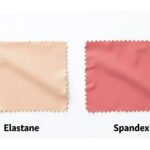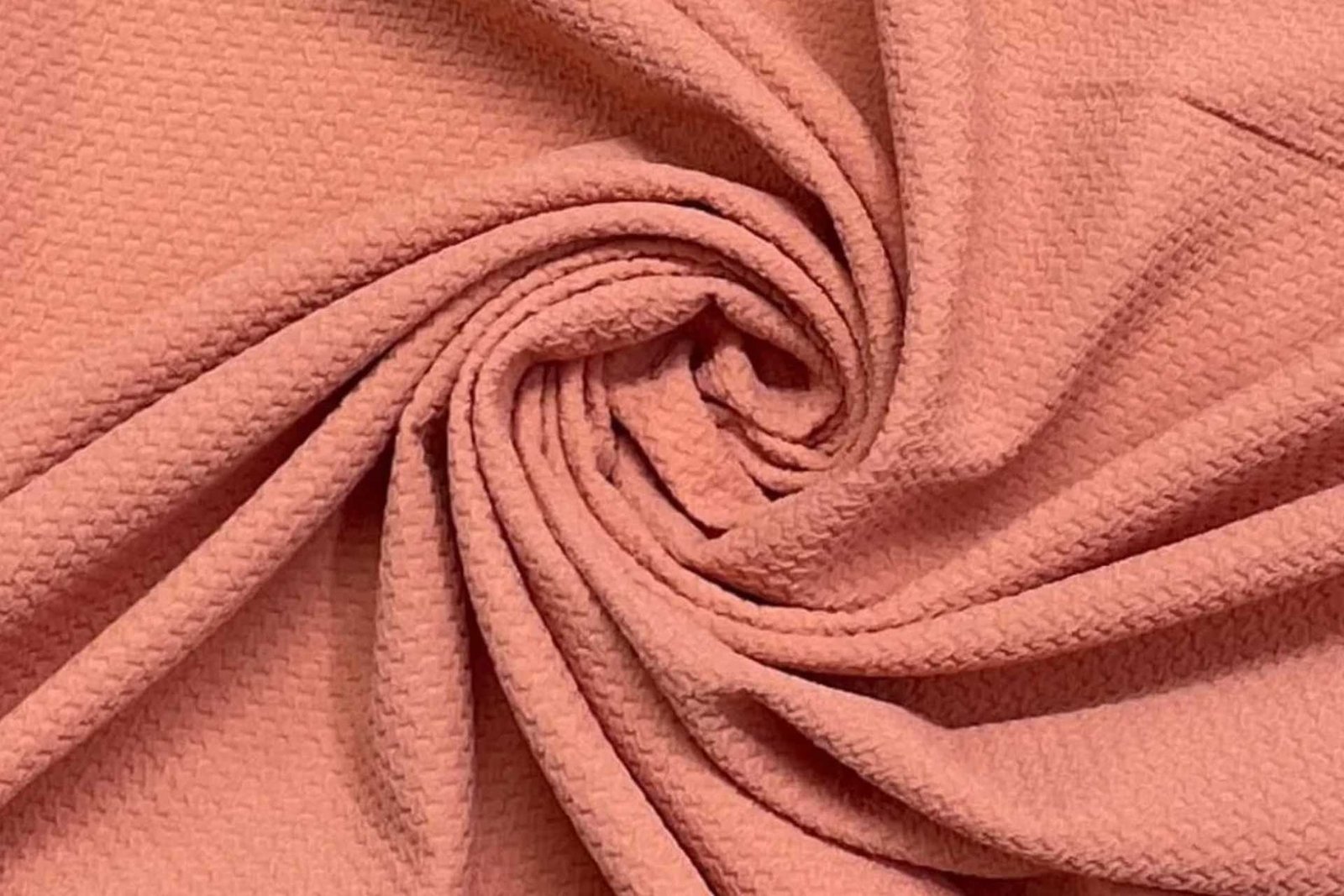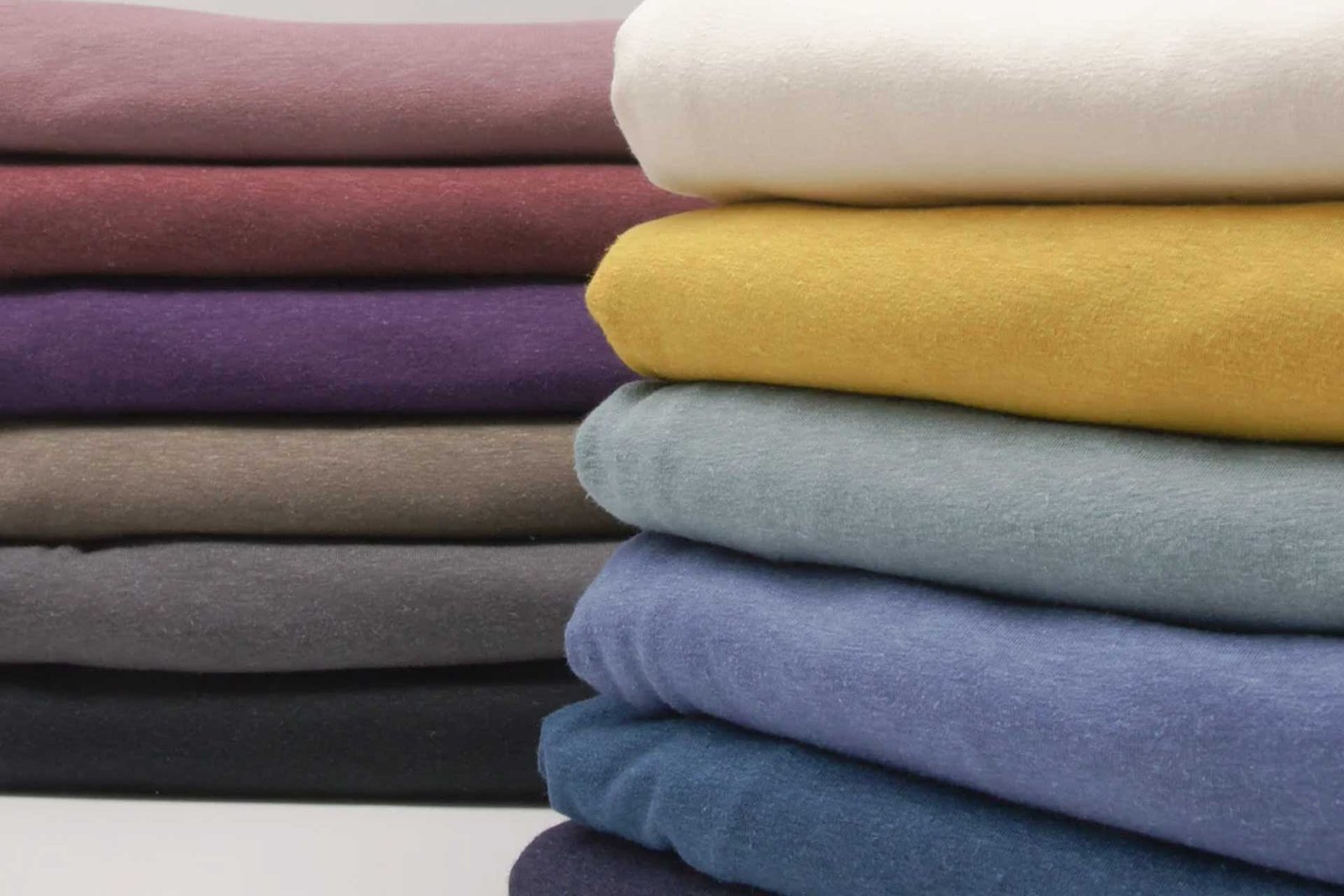
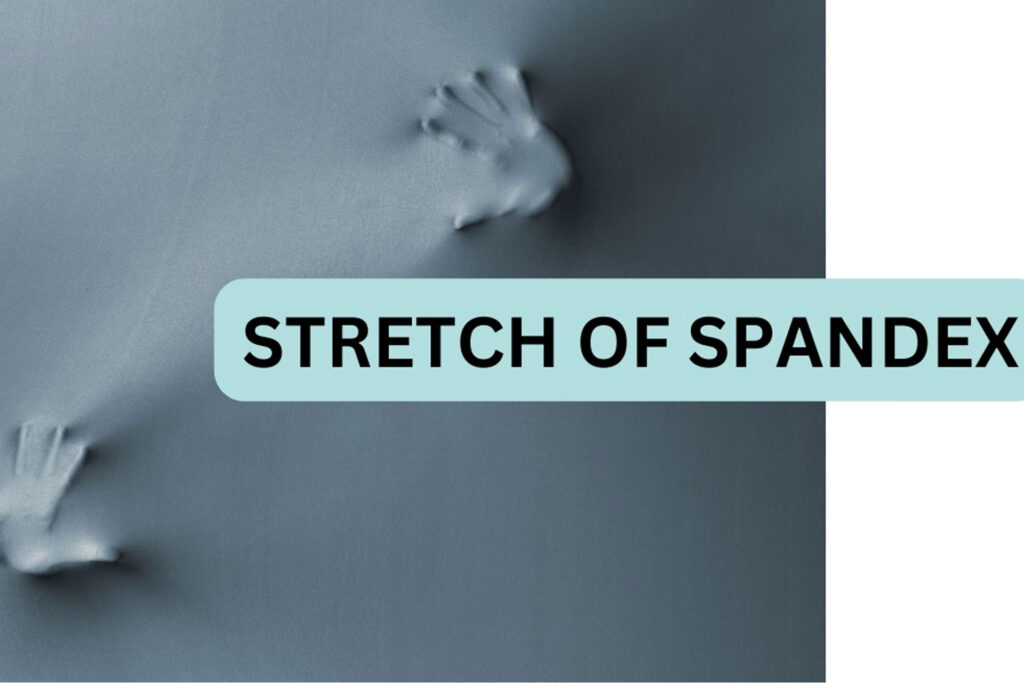
Yes — spandex is extremely stretchable. Also known as elastane or Lycra, spandex can stretch up to 5–8 times its original length and return to its original shape without distortion. But in garment manufacturing, spandex is almost never used on its own. It is blended in small percentages with base fibers — polyester, cotton, viscose, nylon — to add controlled stretch to woven and knit fabrics without changing their appearance or hand feel. This guide explains how spandex behaves in production, how much to specify for different garment categories, and what to look for when sourcing stretch fabric at wholesale scale.
Is Spandex Stretchable
1. How Spandex Works in Fabric — The Production Reality
Pure spandex fiber has extraordinary elasticity but no structural integrity on its own. A fabric made entirely of spandex would be unwearable — too thin, too clingy, and with no surface texture or body. In practice, spandex is always blended with a base fiber, typically at 2–10% of the total fiber content, to add stretch while the base fiber provides structure, weight, and appearance.
The result depends entirely on how the spandex is incorporated:
Woven stretch fabric adds spandex to the warp, weft, or both directions of a standard woven construction — twill, plain weave, or dobby. The fabric retains the appearance of a conventional woven textile but gains 2-way or 4-way stretch. Woven stretch fabric is the standard for stretch trousers, fitted uniforms, and formal garments where ease of movement is required without sacrificing the look of a woven fabric.
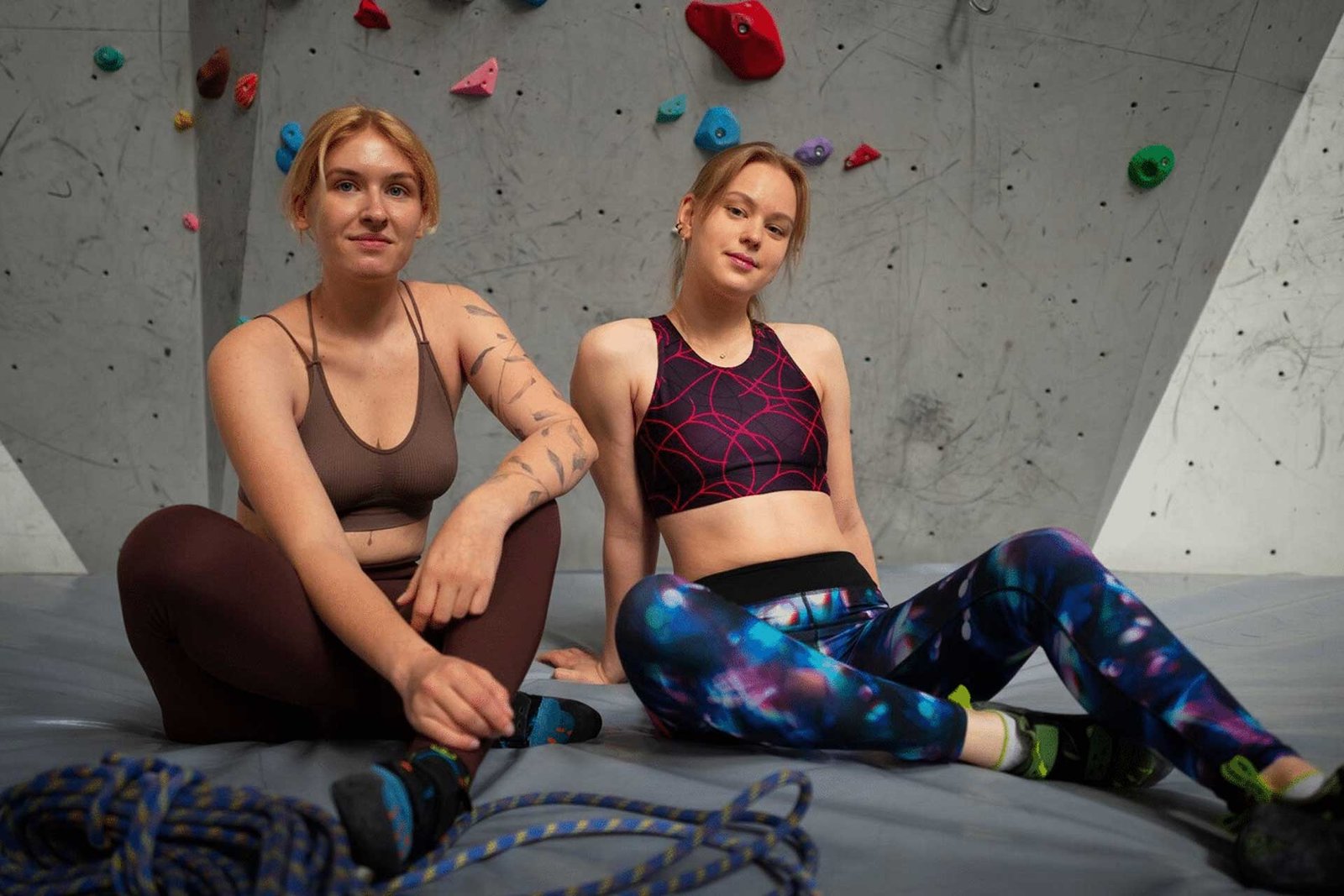
Knit stretch fabric incorporates spandex into a knit loop structure. Knit spandex fabrics have significantly more stretch and recovery than woven equivalents and are used in activewear, swimwear, leggings, and compression garments where maximum elasticity is the primary requirement.
For most uniform and formal garment applications, woven stretch fabric with 2–5% spandex is the correct specification.
2. How Much Spandex to Specify for Different Garment Categories
The percentage of spandex in a fabric blend determines the degree of stretch and recovery. More spandex is not always better — over-specifying spandex increases fabric cost and can create production difficulties in cutting and sewing.
| Spandex % | Stretch Level | Typical Applications |
|---|---|---|
| 2–3% | Subtle comfort stretch | Formal trousers, suit fabric, uniform trousers |
| 3–5% | Moderate 2-way or 4-way stretch | Fitted uniforms, chinos, casualwear, workwear |
| 5–8% | Significant stretch | Sportswear, polo shirts, fitted dresses |
| 8–20% | High stretch | Activewear, yoga wear, leggings |
| 20%+ | Maximum stretch | Swimwear, compression garments, athletic base layers |
For formal and uniform garment production, 2–5% spandex in a woven TR or TC base fabric covers the majority of applications. This range adds enough stretch for comfortable all-day wear without significantly affecting the fabric's woven appearance or sewing behavior.
3. Spandex Blend Options — Which Base Fiber to Choose
The base fiber blended with spandex determines the fabric's overall performance profile. Different base fibers suit different garment categories and buyer requirements.
TR Spandex (Polyester-Viscose-Spandex) The most widely used stretch fabric for formal trousers, suits, and institutional uniforms. TR base fabric delivers the drape and surface sheen of viscose combined with the structure and wrinkle recovery of polyester. Adding 2–4% spandex gives formal trousers and fitted uniforms the ease of movement buyers increasingly expect without changing the fabric's formal appearance. Available in 160–220 GSM for trouser and suiting applications.
TC Spandex (Polyester-Cotton-Spandex) Preferred for stretch workwear, school uniforms, and hospitality garments where breathability, durability, and easy care are required alongside stretch performance. The cotton component maintains moisture absorption and comfort; polyester adds wash durability; spandex provides the stretch. Common specification: 65/35 TC + 3–5% spandex, 180–220 GSM.
Nylon Spandex The standard construction for activewear, swimwear, and performance sportswear. Nylon has superior abrasion resistance and stretch recovery compared to polyester, making it the preferred base fiber for high-movement applications. Typically used in knit constructions with 15–25% spandex for maximum elasticity.
Polyester Spandex A cost-effective stretch option widely used in activewear, leggings, and sportswear. Polyester spandex knit fabric offers good stretch recovery and color retention at a lower price point than nylon spandex. Common in budget-to-mid-tier activewear production.
Cotton Spandex Used in stretch casualwear, fitted T-shirts, and denim-style garments where natural fiber comfort is important. Cotton spandex has lower stretch recovery than synthetic blends — it may lose some elasticity after repeated washing — but the cotton content provides the natural breathability and hand feel that synthetic options cannot match.
4. 2-Way vs 4-Way Stretch — What Buyers Need to Specify
Stretch direction is a critical specification that buyers sometimes overlook until production is underway.
2-way stretch means the fabric stretches in one direction only — either along the width (crosswise stretch) or along the length (lengthwise stretch), but not both. Most woven stretch fabrics with spandex in the weft only are 2-way stretch. Sufficient for most trouser and uniform applications where the primary movement need is across the body width.
4-way stretch means the fabric stretches in both the width and length directions simultaneously. Achieved by incorporating spandex in both warp and weft of a woven fabric, or through knit construction. Required for activewear, fitted sportswear, and any garment that needs to accommodate full-body movement — bending, squatting, reaching overhead.
For formal trousers and standard uniforms: 2-way stretch woven fabric is sufficient and more cost-effective. For workwear with high physical demands, activewear, and fitted performance garments: specify 4-way stretch.
5. Production Considerations for Stretch Fabric
Spandex-blend fabrics behave differently from standard woven or knit fabrics in production. Garment manufacturers working with stretch fabric for the first time need to account for these factors.
Pattern grading allowance Stretch fabrics recover after cutting, which means cut pieces will be slightly smaller than the pattern dimensions. Build in a stretch allowance when grading patterns, particularly for 4-way stretch constructions with higher spandex percentages.
Cutting behavior Spandex-blend fabrics can curl at the edges and shift during cutting, particularly knit constructions. Use sharp rotary blades or die cutters rather than straight blades, and allow fabric to relax flat before cutting — do not cut fabric under tension.
Seam construction Standard lock-stitch seams will break when the fabric is stretched beyond the thread's elasticity. For stretch garments, use stretch stitches (zigzag or overlock) or elastic thread in seams that will experience significant stretch in wear.
Heat sensitivity Spandex degrades with excessive heat. Confirm pressing temperatures with your fabric supplier before production — high-temperature pressing can permanently damage spandex fibers and cause the fabric to lose stretch recovery.
Wash durability Quality spandex blend fabrics maintain stretch recovery through 50+ wash cycles. Confirm wash durability performance on the fabric test report, particularly for workwear and uniform applications where industrial washing is standard.
6. Sourcing Wholesale Stretch Fabric
Key specifications to confirm before placing a bulk order for spandex-blend stretch fabric:
- Spandex percentage: confirm exact percentage, not a range
- Stretch direction: 2-way or 4-way, confirmed by physical sample testing
- Stretch recovery: percentage recovery after extension — minimum 90% recovery for quality stretch fabric
- GSM: confirm with physical sample weighing, not spec sheet only
- Color fastness: minimum Grade 4 washing, Grade 3–4 rubbing
- Shrinkage: ≤3% warp and weft after standard wash
- Heat resistance: maximum safe pressing temperature
- Certifications: OEKO-TEX Standard 100 where required by buyer
Always request a physical sample and test the stretch and recovery yourself before confirming bulk production. Stretch performance that looks identical on a spec sheet can feel very different on an actual fabric sample.
XINGYE TEXTILE manufactures and supplies wholesale stretch fabric — TR Spandex, TC Spandex, and polyester spandex constructions — direct from our production facility in Shijiazhuang, China. Factory-direct pricing, flexible MOQ from 500 meters per color, and samples available before bulk commitment.
→ Browse TR Spandex Fabric → Browse TC Spandex Fabric → Request a Sample or Quote