When choosing fabrics for formal clothing, wedding dresses, evening gowns, or event decorations, three materials often come up: taffeta, satin, and organza. While they may look similar at first glance, their texture, shine, structure, and durability are very different.
Understanding the differences between taffeta vs satin, taffeta fabric vs satin, and organza fabric will help designers, DIY sewers, and buyers choose the right fabric for their project.
This guide compares these fabrics in terms of shine, stiffness, durability, and price, so you can quickly determine which one best fits your needs.
Quick Comparison: Taffeta vs Satin vs Organza
| Feature | Taffeta Fabric | Satin Fabric | Organza Fabric |
|---|---|---|---|
| Weave Type | Plain weave | Satin weave | Plain weave |
| Appearance | Smooth with subtle sheen | Very glossy and smooth | Sheer and transparent |
| Texture | Crisp and slightly stiff | Soft and fluid | Lightweight and crisp |
| Drape | Structured | Flowing | Light but structured |
| Durability | Moderate to high | Moderate | Low to moderate |
| Common Materials | Silk, polyester, nylon | Silk, polyester | Silk, polyester, nylon |
| Typical Uses | Formal gowns, skirts, décor | Luxury dresses, lingerie | Bridal veils, overlays |
| Price Range | Medium to high | Medium to high | Medium |
This comparison table is especially useful for shoppers searching taffeta vs satin or organza fabric, since it highlights the most important differences at a glance.
What Is Taffeta Fabric?

what material is taffeta
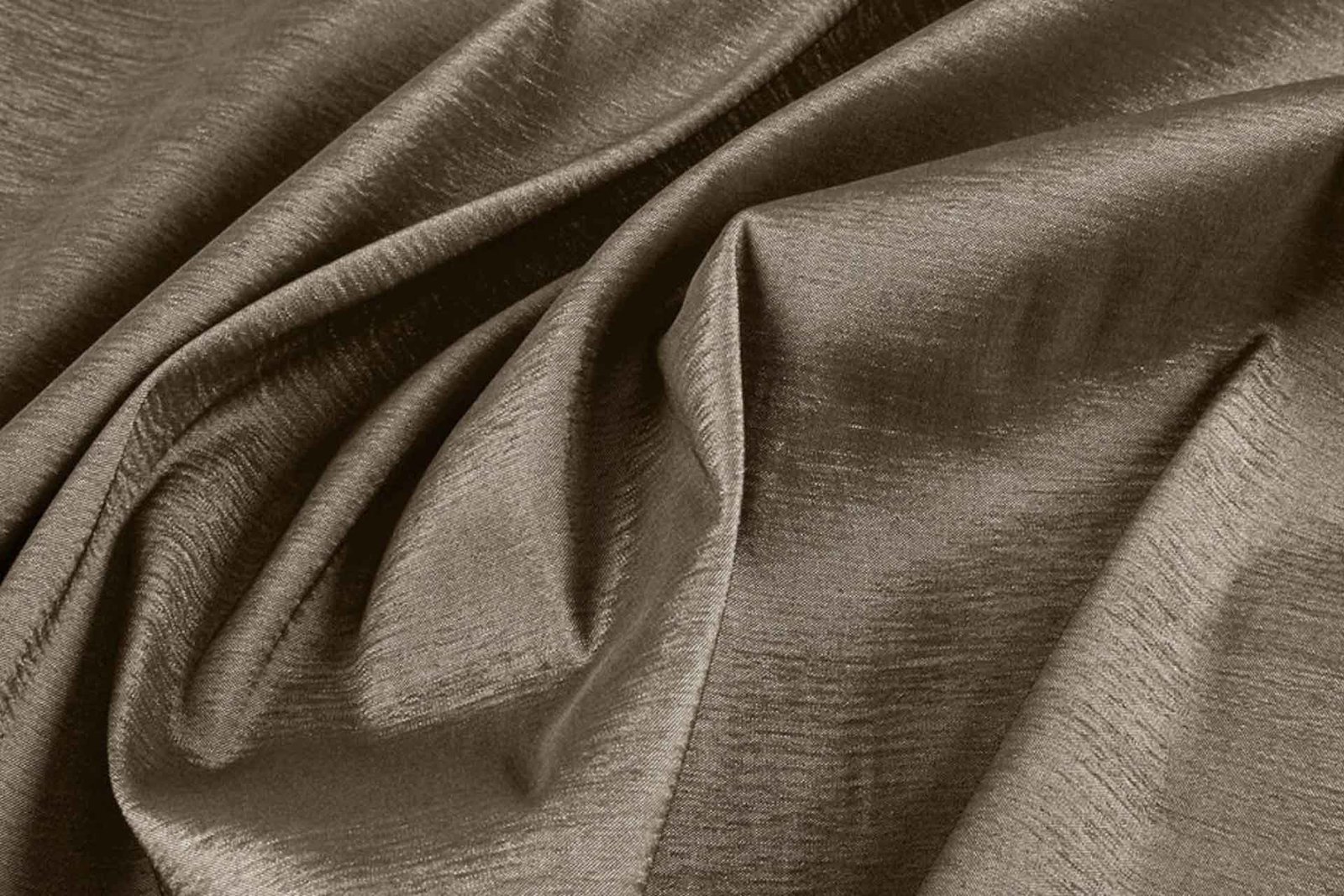
Taffeta fabric is a crisp, tightly woven textile typically made from silk or synthetic fibers like polyester.
Key characteristics:
-
Smooth surface with a subtle shine
-
Crisp and structured feel
-
Distinct rustling sound when moved
-
Holds shape very well
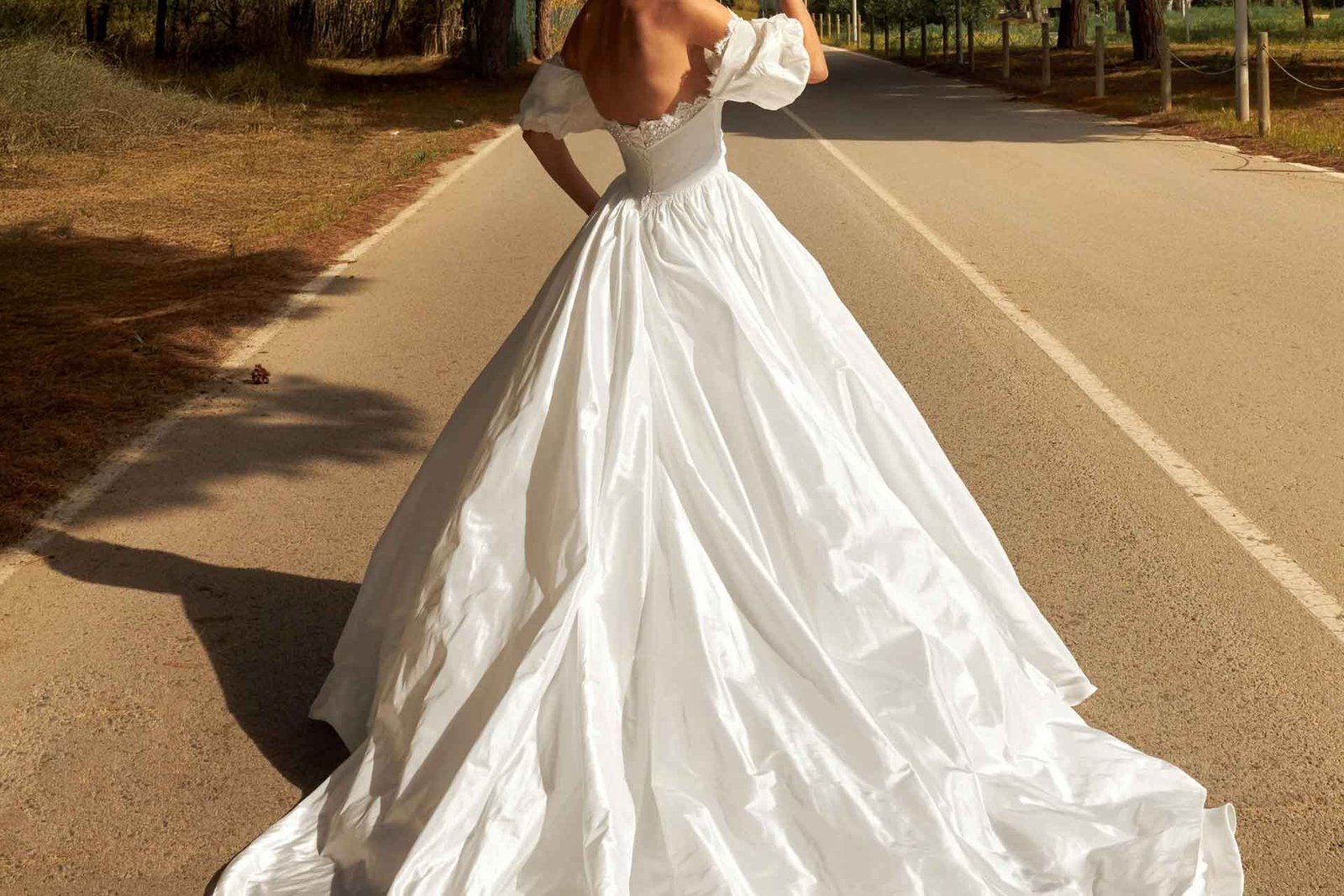
Because of its structure, taffeta is ideal for garments that need volume and shape, such as:
-
Ball gowns
-
Wedding dresses
-
Prom dresses
-
Formal skirts
Compared to satin, taffeta is much stiffer, which is why it’s often used in structured fashion designs.
What Is Satin Fabric?

what is satin weave
Satin refers to a weaving technique rather than a specific fiber. Satin fabrics use a weave that allows threads to float on the surface, creating their signature shine.
Key features of satin:
-
Highly glossy surface
-
Extremely smooth texture
-
Soft and flowing drape
-
Elegant and luxurious appearance
Because satin drapes beautifully, it is widely used for:
-
Evening dresses
-
Wedding gowns
-
Lingerie
-
Luxury bedding
When comparing taffeta fabric vs satin, satin is softer and more fluid, while taffeta is stiffer and more structured.
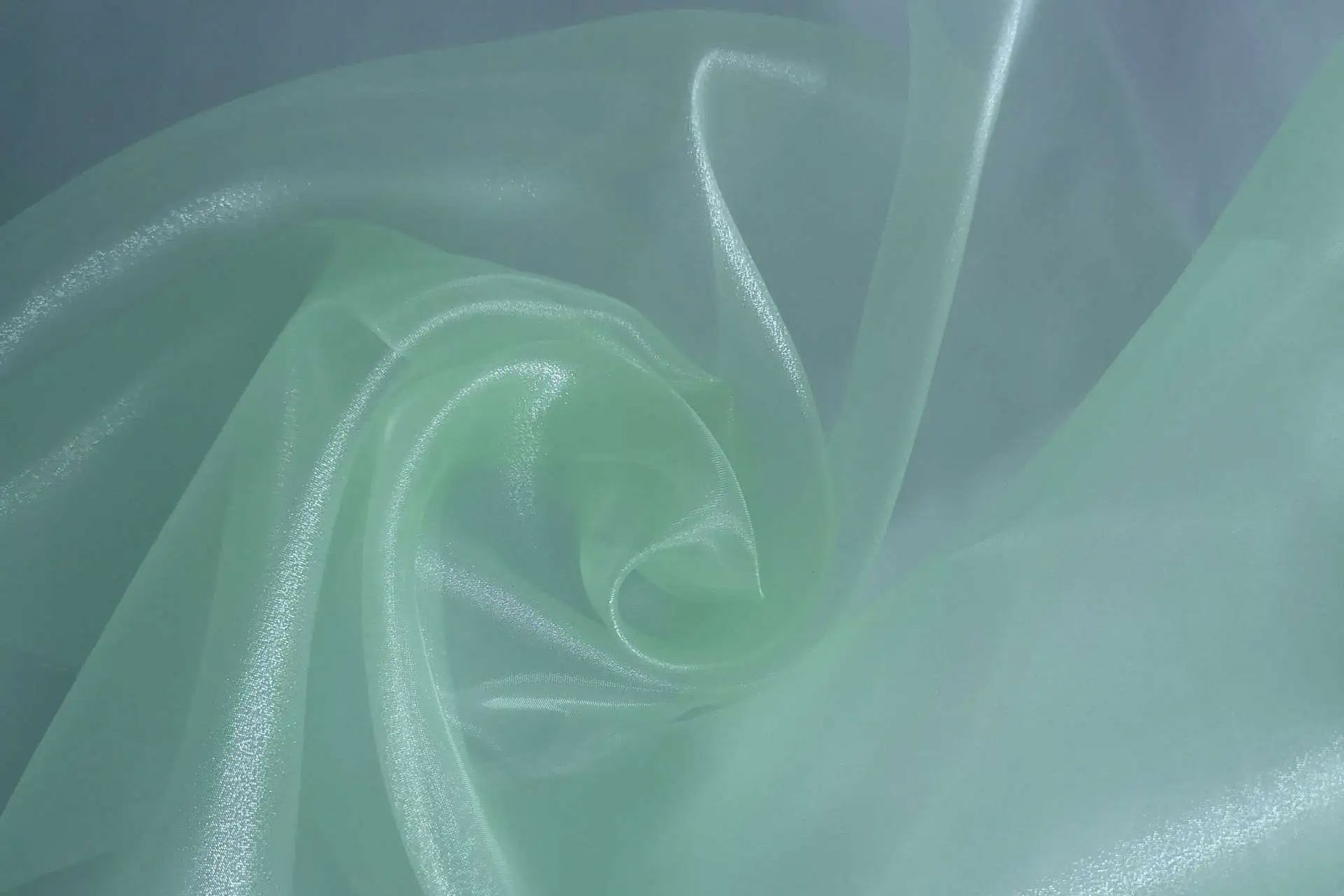
What Is Organza Fabric?

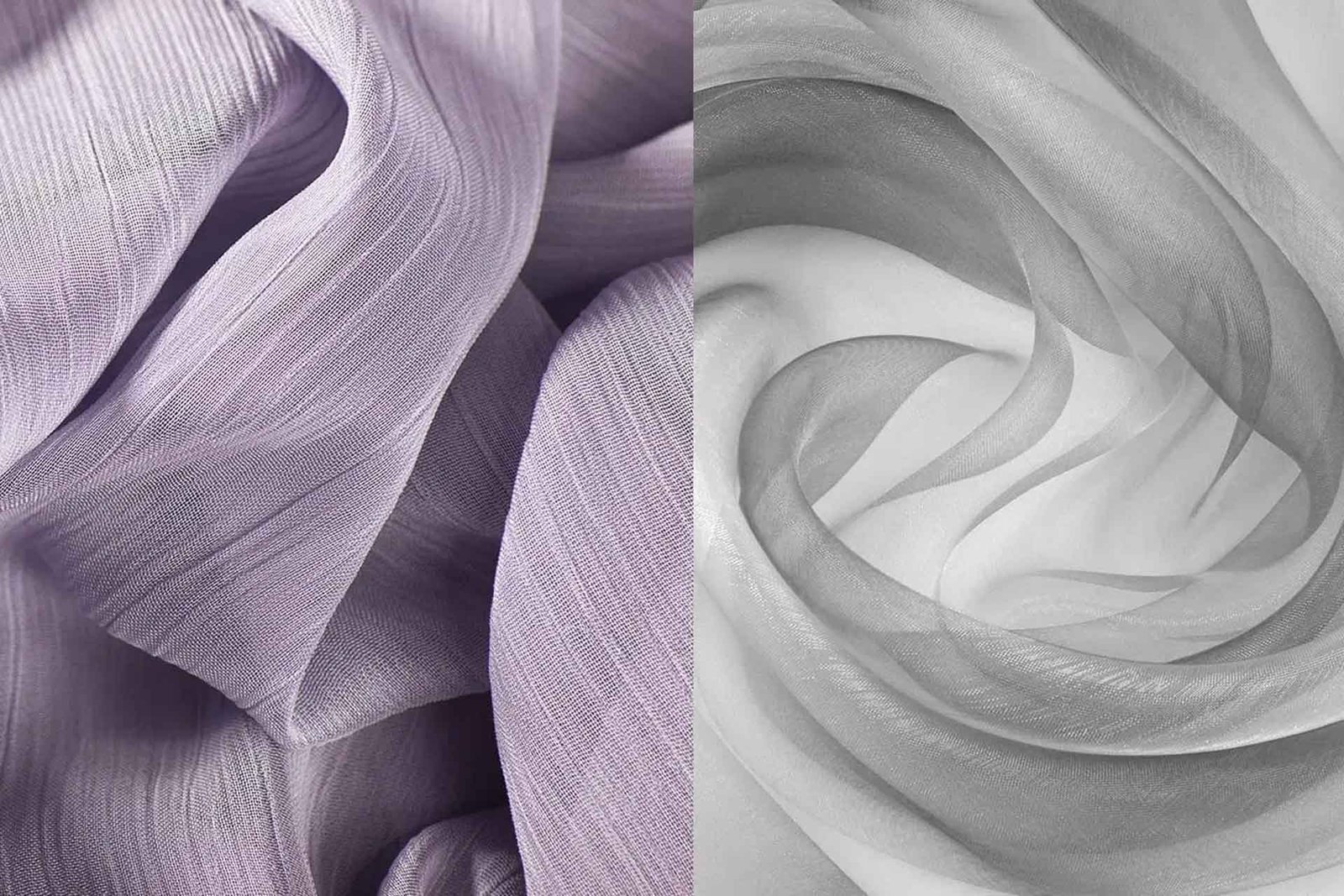
Organza fabric
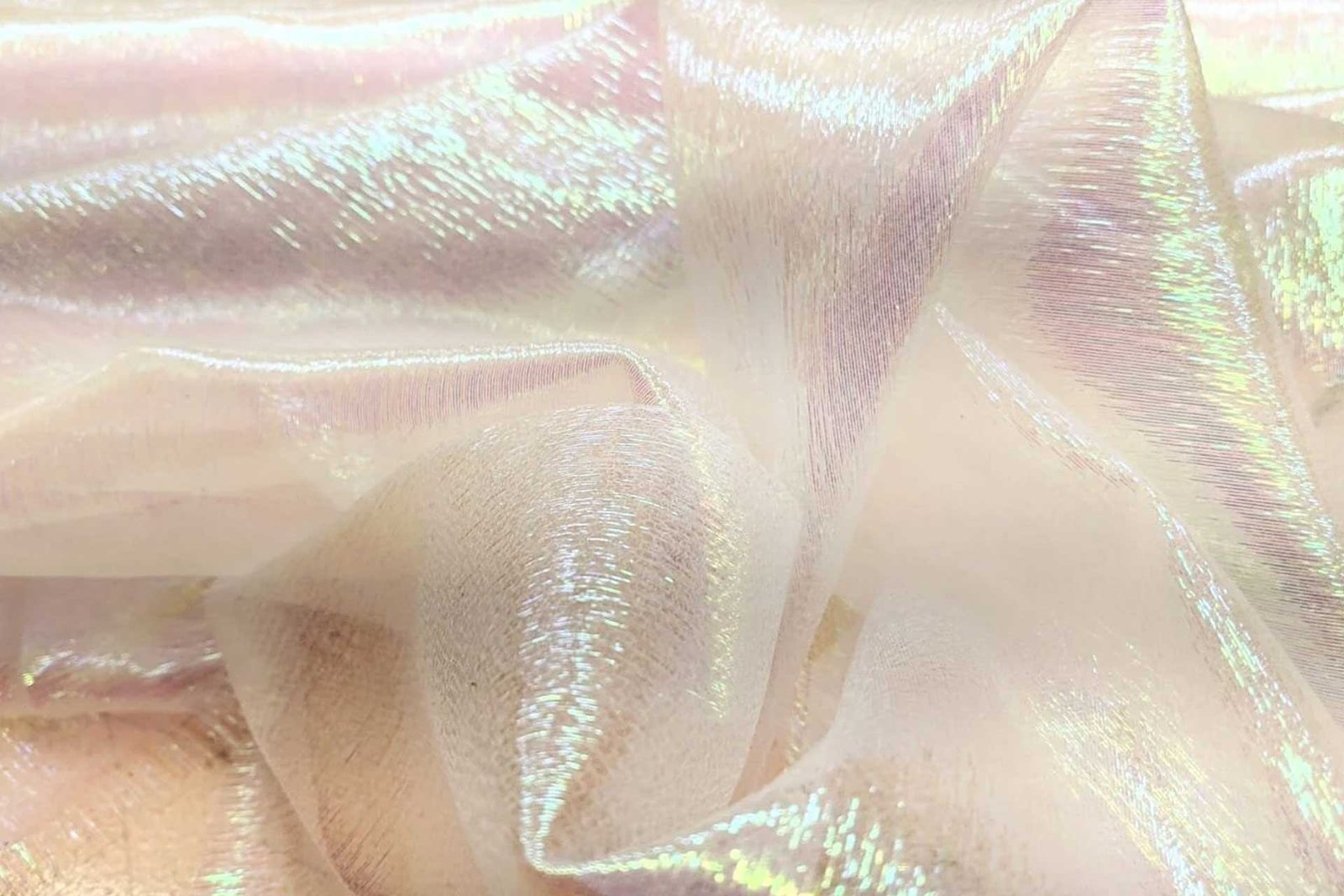
Organza fabric is a thin, sheer material traditionally made from silk but now often produced using polyester or nylon.
Key characteristics:
-
Transparent and lightweight
-
Crisp but delicate
-
Slightly stiff texture
-
Very airy appearance
Because of its sheer quality, organza is typically used for layering rather than main garments.
Common uses include:
-
Bridal veils
-
Wedding dress overlays
-
Decorative bows
-
Curtains and event décor
Compared to taffeta and satin, organza is much lighter and more delicate.
Taffeta vs Satin: Which One Should You Choose?

taffeta vs satin
People often search “taffeta vs satin” when deciding between these two fabrics for formal clothing.
Choose taffeta if you want:
-
A structured dress
-
Dramatic volume
-
Fabric that holds its shape
Choose satin if you want:
-
A flowing gown
-
A very glossy appearance
-
Soft and luxurious drape
For example:
-
Ball gowns and structured skirts → Taffeta
-
Elegant evening gowns → Satin
Taffeta vs Silk: Are They the Same?
Another common question is taffeta vs silk.
The important distinction is:
-
Silk is a fiber
-
Taffeta is a fabric style
So silk taffeta simply means taffeta made from silk fibers.
Today, many taffeta fabrics are made from polyester or nylon, making them more affordable and durable.
When to Choose Organza Instead
Organza is the best option when you need lightweight volume without heavy fabric.
Choose organza fabric for:
-
Bridal veils
-
Layered wedding dresses
-
Decorative ruffles
-
Event decorations
Because it is sheer, organza is usually layered over satin or taffeta to create texture and depth.
Which Fabric Is Best for Weddings?
For weddings, these fabrics are often combined:
-
Taffeta → Structured skirts and gowns
-
Satin → Elegant dress bases
-
Organza → Sheer overlays and veils
Many wedding dresses actually use multiple layers of these fabrics to achieve both structure and softness.
Final Thoughts
Choosing between taffeta vs satin vs organza ultimately depends on the look and function you want.
-
Taffeta – crisp, structured, and elegant
-
Satin – smooth, glossy, and flowing
-
Organza – sheer, lightweight, and decorative
Understanding the differences between taffeta fabric vs satin and organza fabric allows designers, DIY crafters, and buyers to select the perfect material for any project—whether it's a formal gown, wedding dress, or decorative textile.