Tulle is one of the most versatile fabrics in fashion and event decor. Its airy texture and delicate appearance make it perfect for dresses, skirts, wedding decorations, party backdrops, and more. But when it comes to selecting the right tulle colors, many people struggle to create a cohesive and visually appealing look. This guide will help you understand how to choose colored tulle effectively, whether for personal fashion or event design.

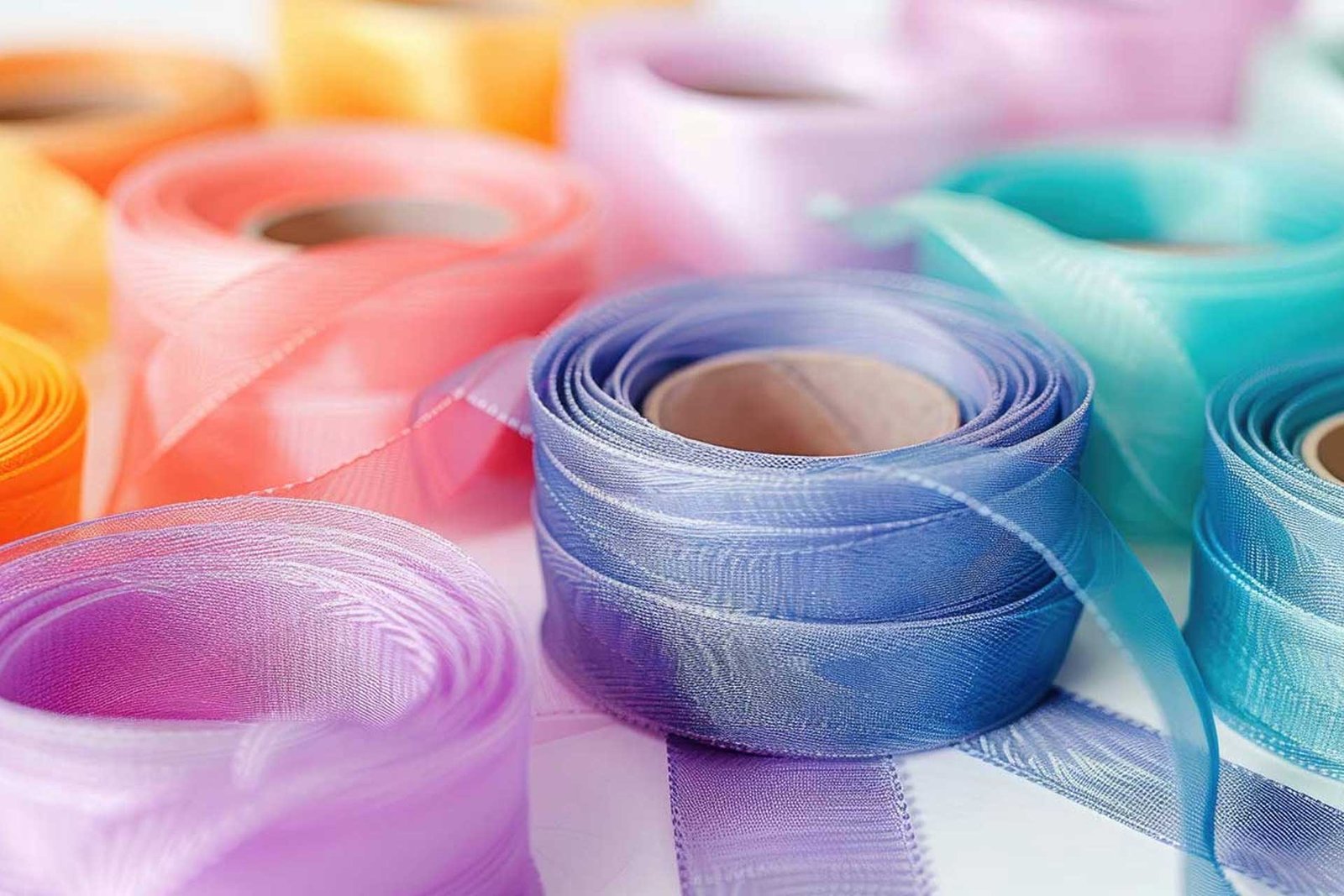
colored tulle
1. Consider the Event or Occasion
The first step in selecting tulle colors is to think about the type of event:
-
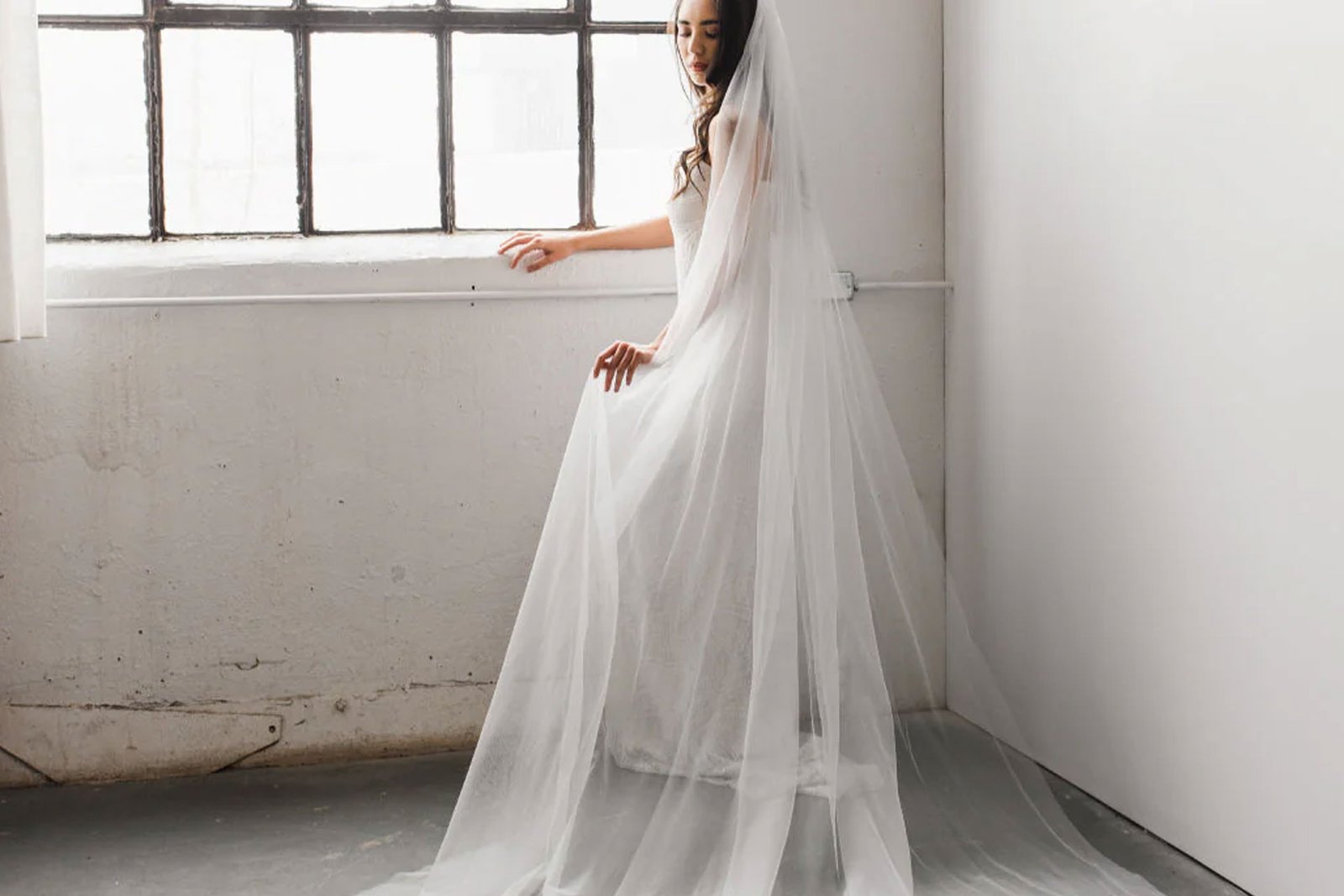
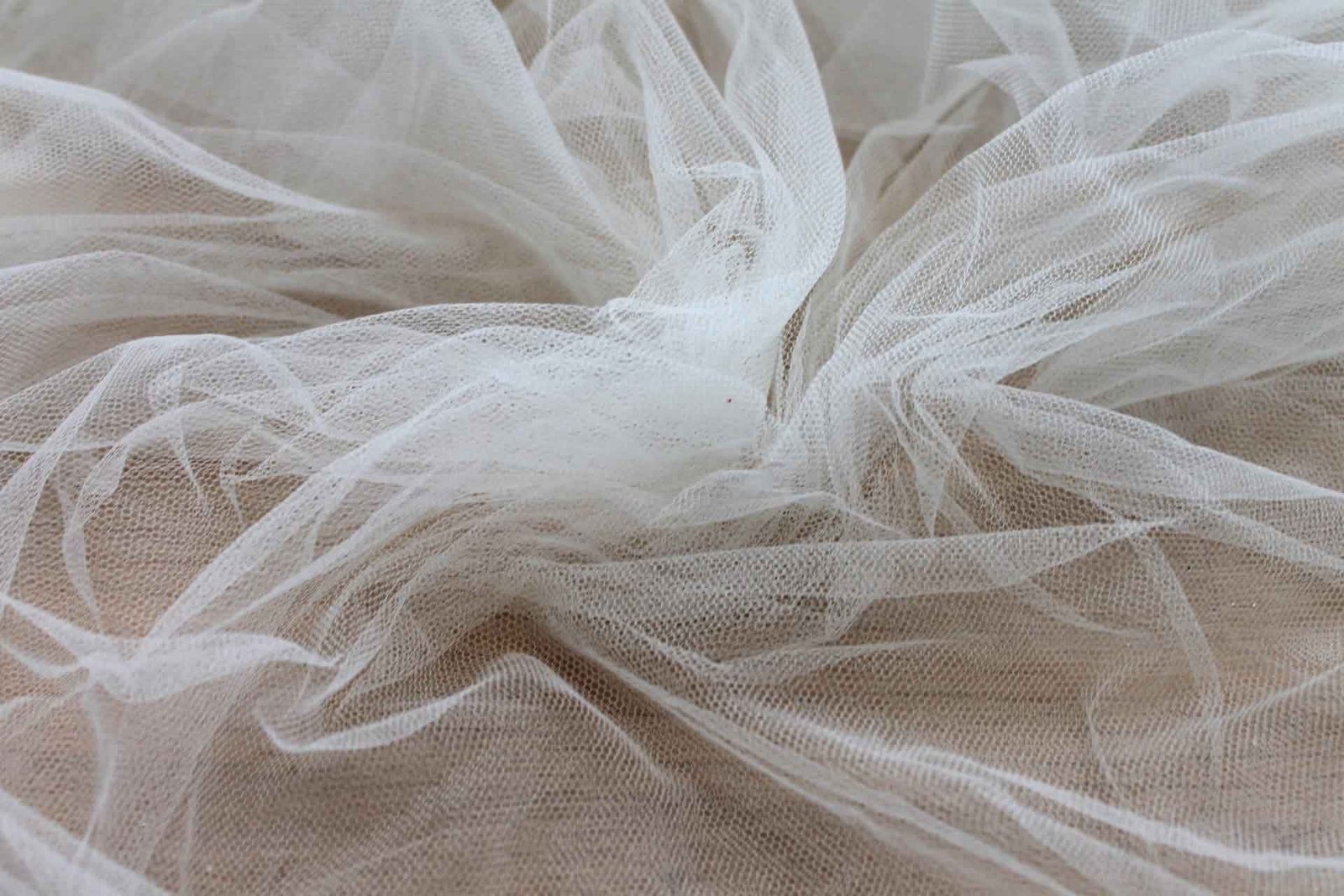
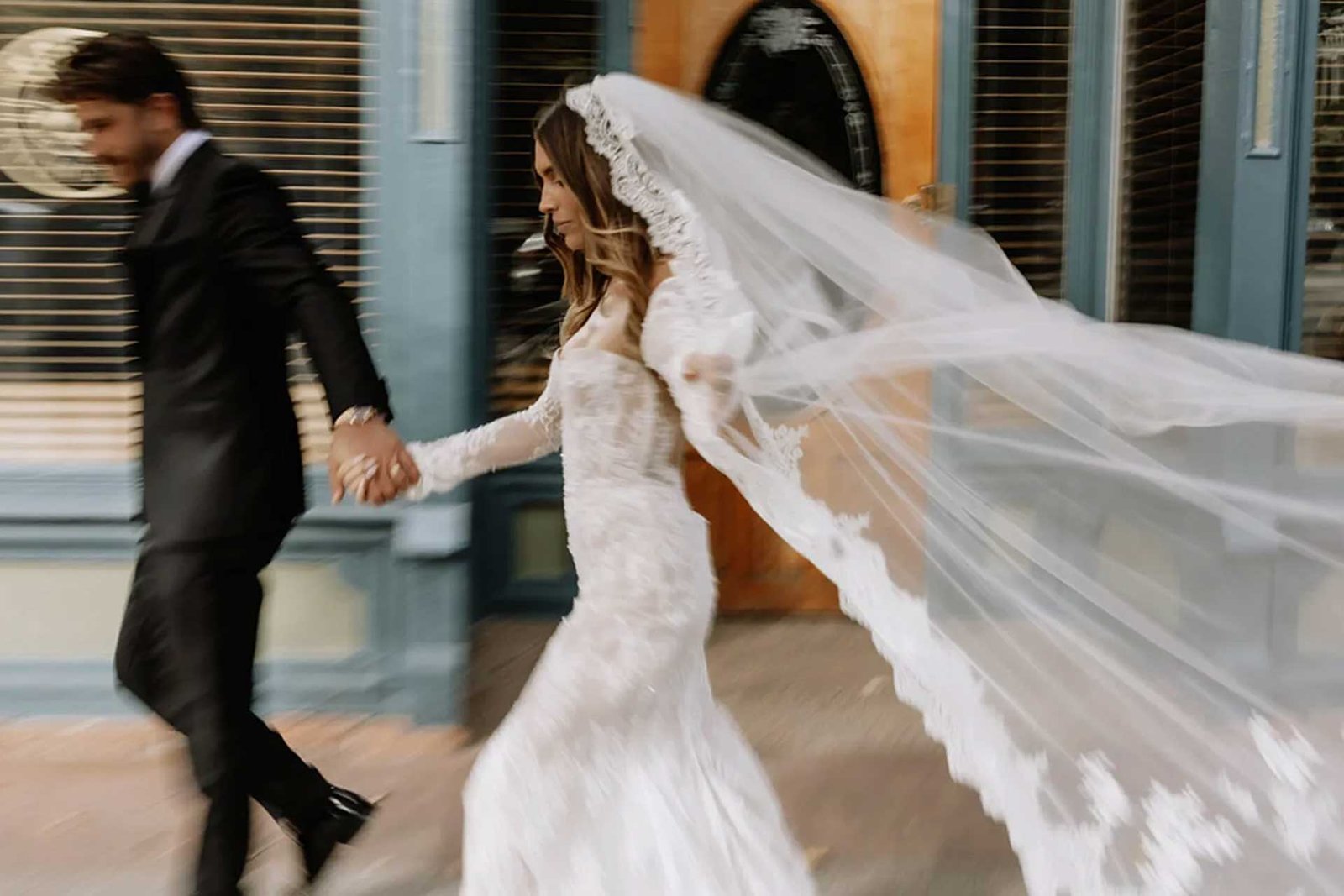
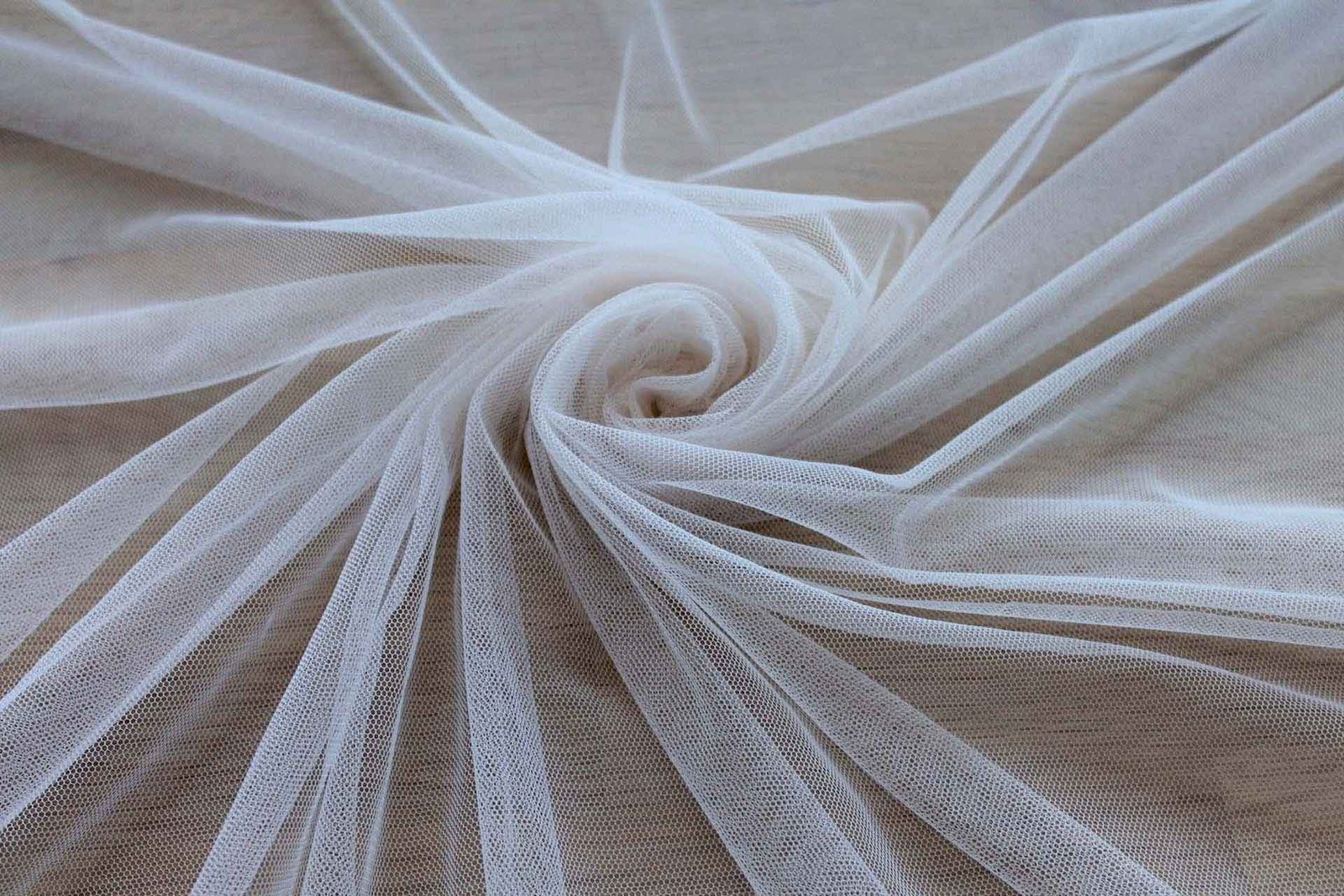
Weddings: Soft pastels like blush pink, ivory, or lavender create a romantic and elegant atmosphere. Classic white or cream tulle is timeless for bridal gowns and veils.
-
Birthday Parties: Bright and bold tulle shades such as fuchsia, turquoise, or sunflower yellow add fun and energy to decorations and costumes.
-
Fashion Shows: Experimenting with vibrant or contrasting colors can make outfits pop and attract attention on the runway.
Knowing the event’s theme and tone helps you narrow down the color palette for your tulle.
2. Match Tulle Colors with Your Existing Palette
Colored tulle works best when it complements other elements in your design:
-
Clothing: Match or contrast tulle layers with the base fabric. For instance, a navy dress with soft blush tulle overlay creates a sophisticated contrast.
-
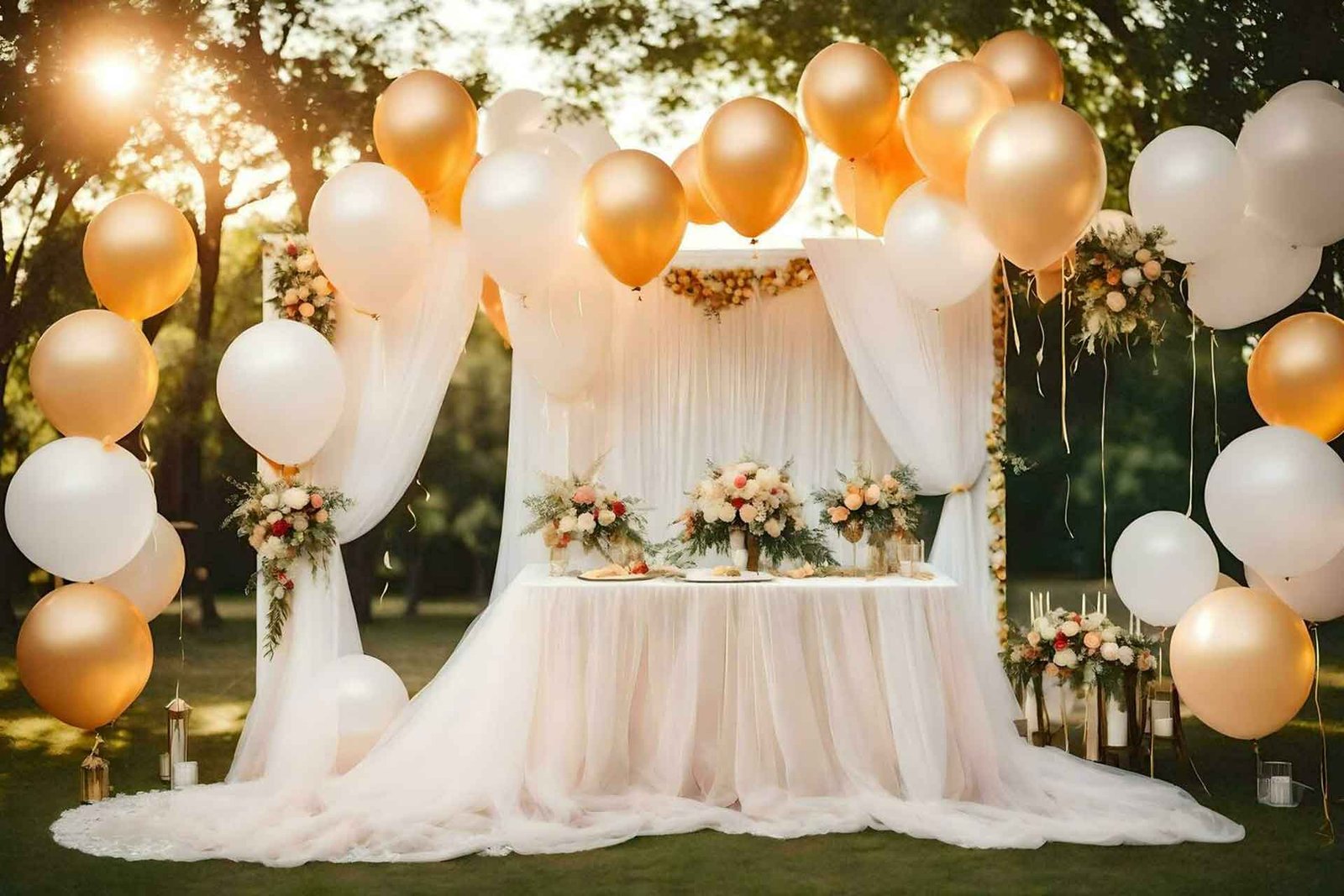
Decor: Coordinate tulle with table linens, flowers, or balloons. Using tulle in shades similar to your decor theme ensures a harmonious look.
Tip: Use the color wheel to find complementary or analogous colors that naturally work together.
3. Consider Layering and Transparency
Tulle’s semi-transparent nature makes layering a fun way to create unique color effects:
-
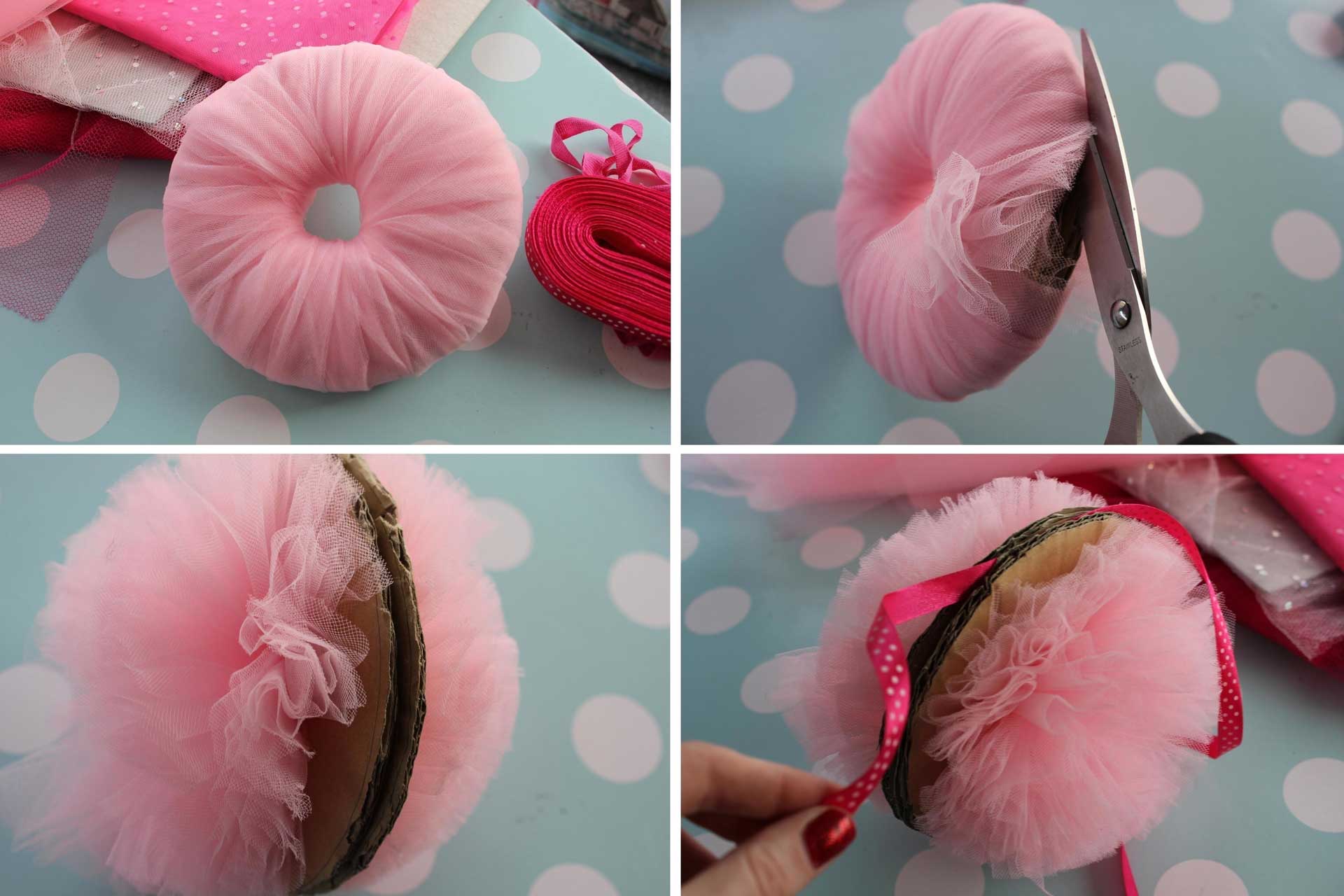
Layer different colored tulle sheets to create ombré effects or subtle gradients.
-
Pair darker and lighter shades for depth and dimension in skirts, dresses, or event draping.
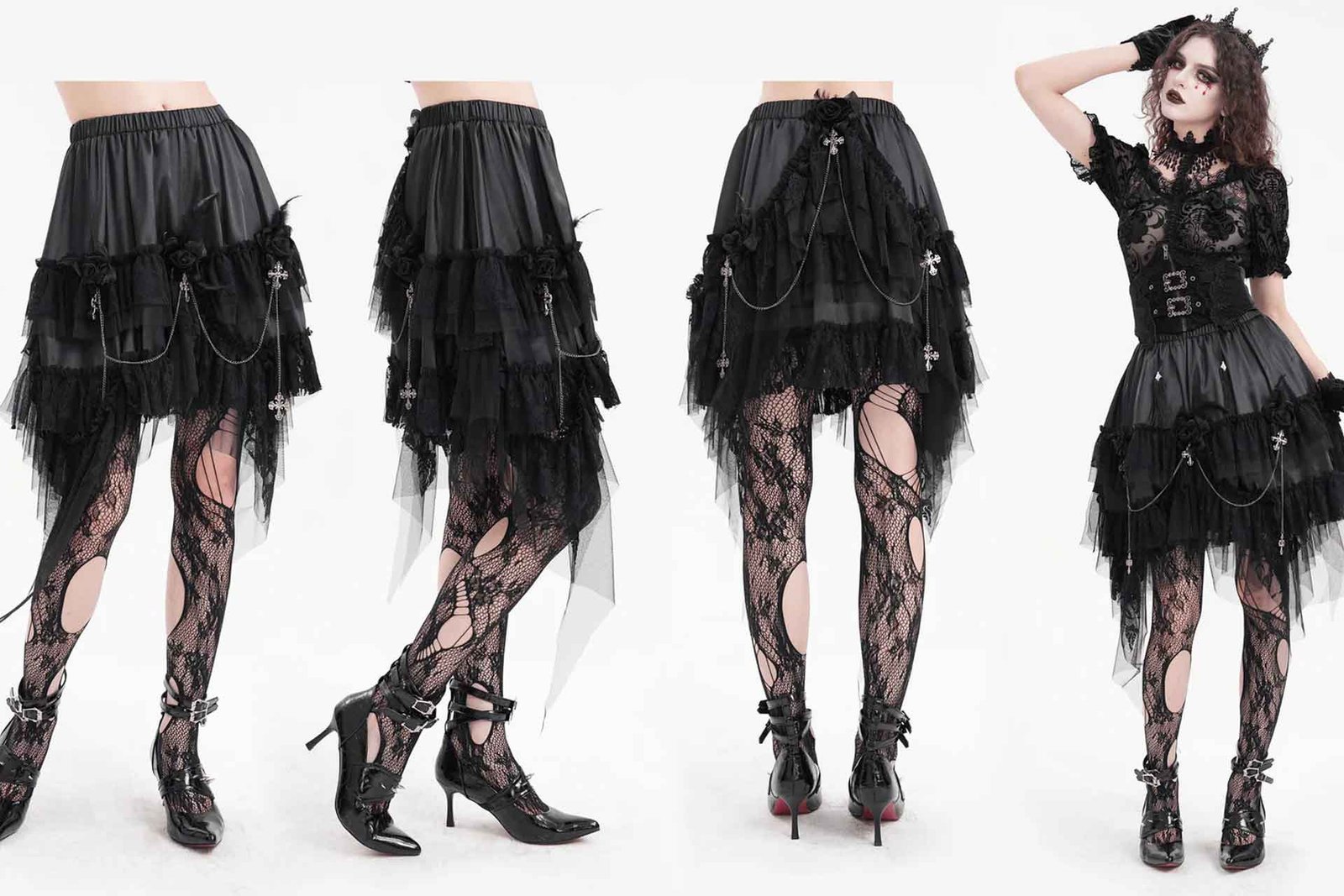
This technique is particularly popular in fashion design, where multi-colored tulle skirts or gowns can transform simple outfits into standout pieces.
4. Factor in Lighting
Lighting can drastically change how tulle colors appear:
-
Soft, warm lights make pastels appear richer and more vibrant.
-
Bright or natural daylight enhances bold colors and reveals subtle nuances in layered tulle.
For events, it’s important to visualize tulle under the actual lighting conditions to avoid unexpected color clashes.
5. Personal Style and Preferences
Finally, personal taste should guide your choices:
-
Experiment with unique combinations for fashion-forward looks.
-
Stick to classic shades if you prefer understated elegance.
-
Don’t be afraid to mix textures and fabrics with colored tulle for creative results.
Colored tulle offers endless possibilities for self-expression, whether in fashion or event decor.
Conclusion
Choosing the right tulle colors doesn’t have to be overwhelming. By considering the occasion, existing color palette, layering techniques, lighting, and personal style, you can confidently select colored tulle that enhances your event or fashion design.
If you’re looking for high-quality tulle in a wide range of colors, explore our selection and bring your creative ideas to life.