When working with sheer fabrics, two materials often appear at the top of the list: tulle and organza. At first glance they may seem similar—both are lightweight, transparent, and commonly used in formal fashion. However, their structure, texture, and performance are very different.
Understanding the difference between tulle fabric and organza fabric can help designers, DIY creators, and fashion enthusiasts choose the right material for their projects.
What Is Tulle Fabric?
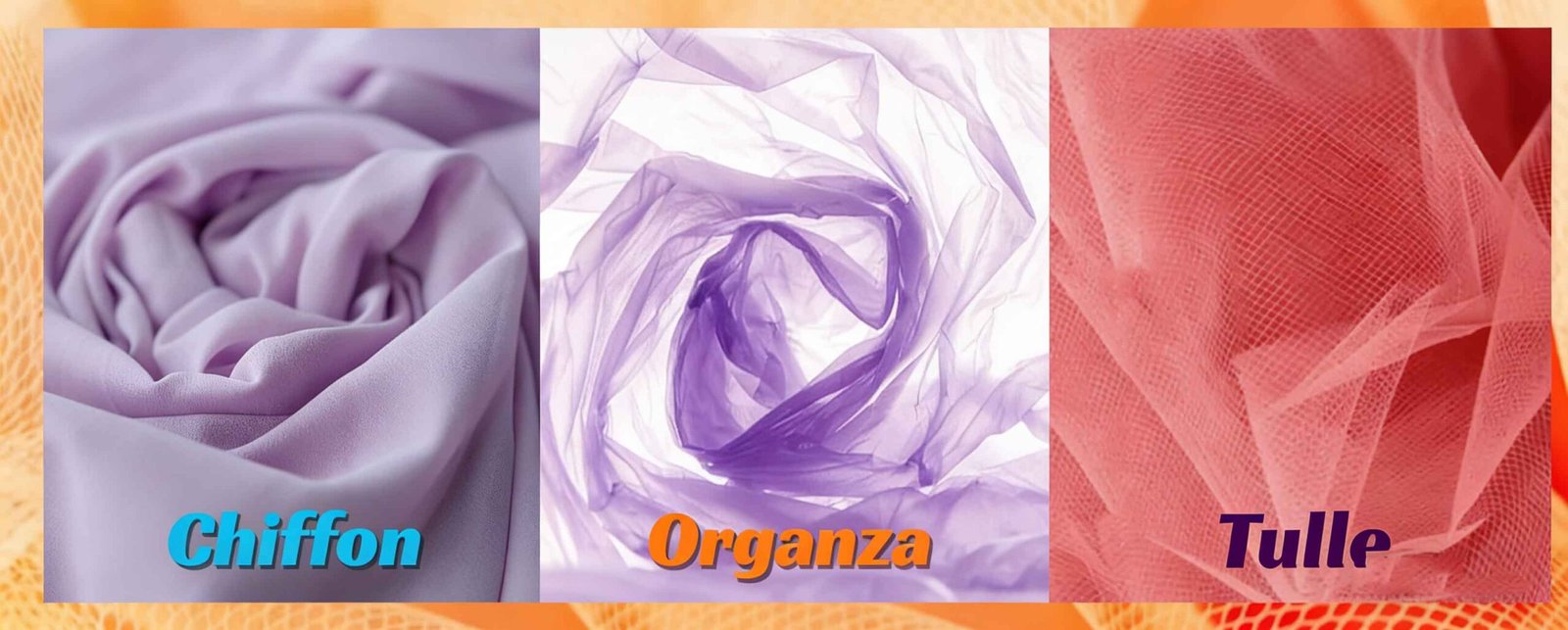
Tulle is a fine netting fabric made by twisting fibers into a hexagonal mesh structure. Unlike traditional woven textiles, it is constructed with open spaces between threads, giving it a light, airy appearance.
Key Characteristics of Tulle
-
Mesh structure rather than a flat weave
-
Extremely lightweight and breathable
-
Flexible and soft (depending on fiber)
-
Excellent for volume and layering
Tulle is commonly made from nylon, polyester, silk, or rayon, with polyester being the most common in modern fashion.
Common Uses of Tulle
Because of its airy structure, tulle is widely used in:
-
wedding veils
-
ballet tutus
-
layered skirts and gowns
-
decorative craft projects
-
party decorations and costumes
Tulle excels when a design needs volume without adding much weight.
What Is Organza Fabric?
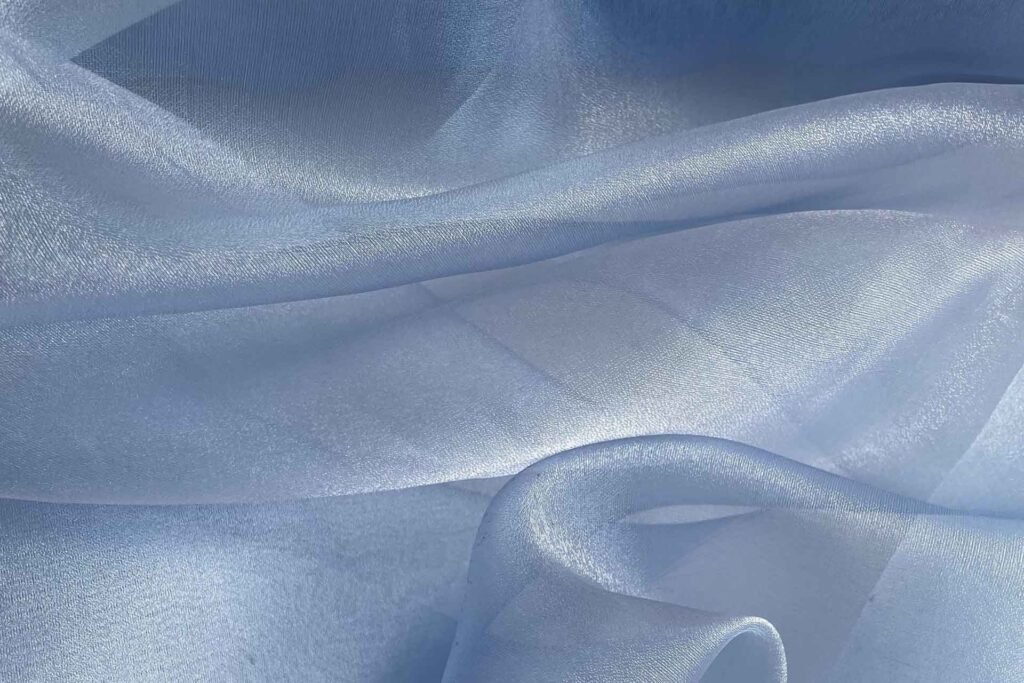
Organza fabric
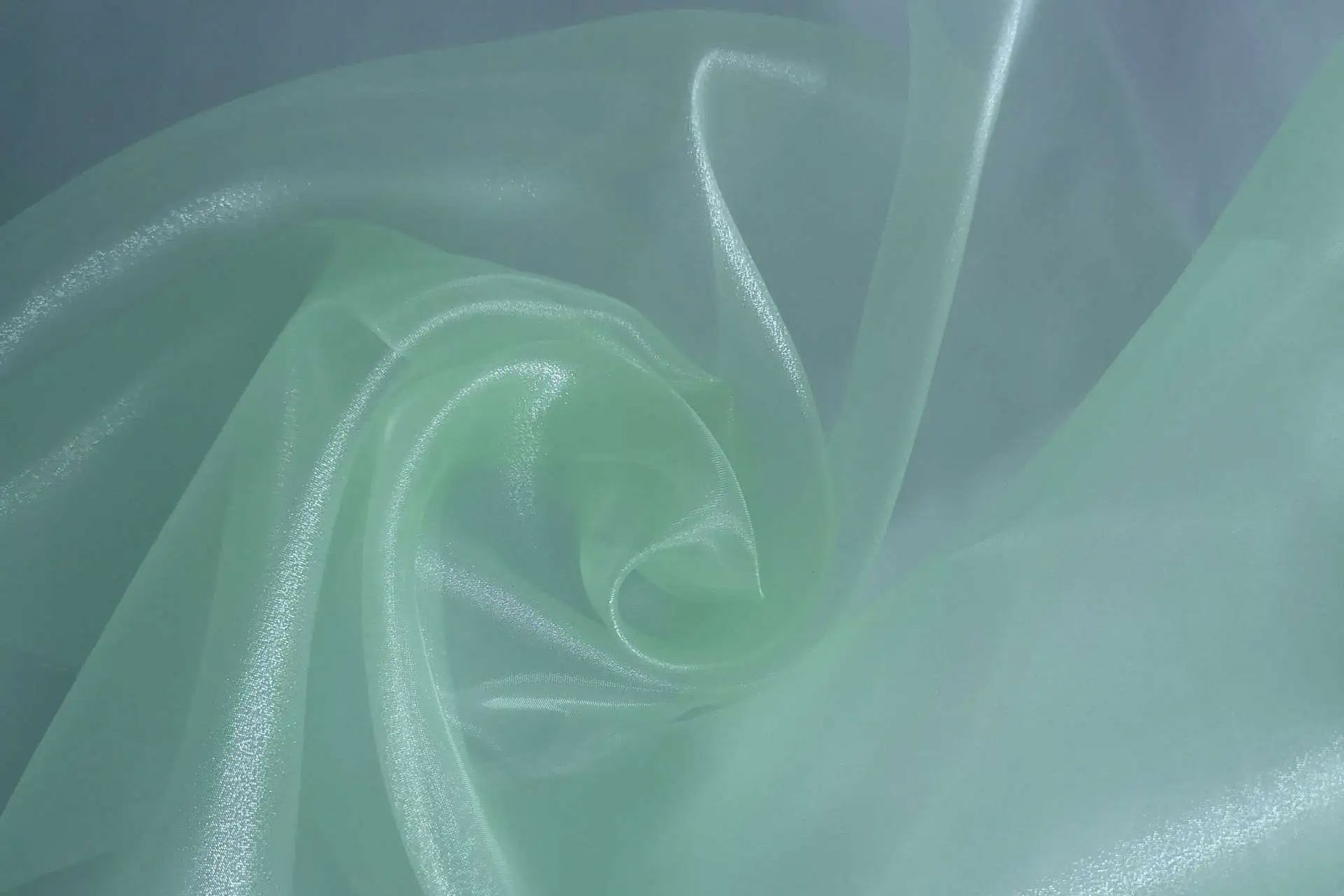
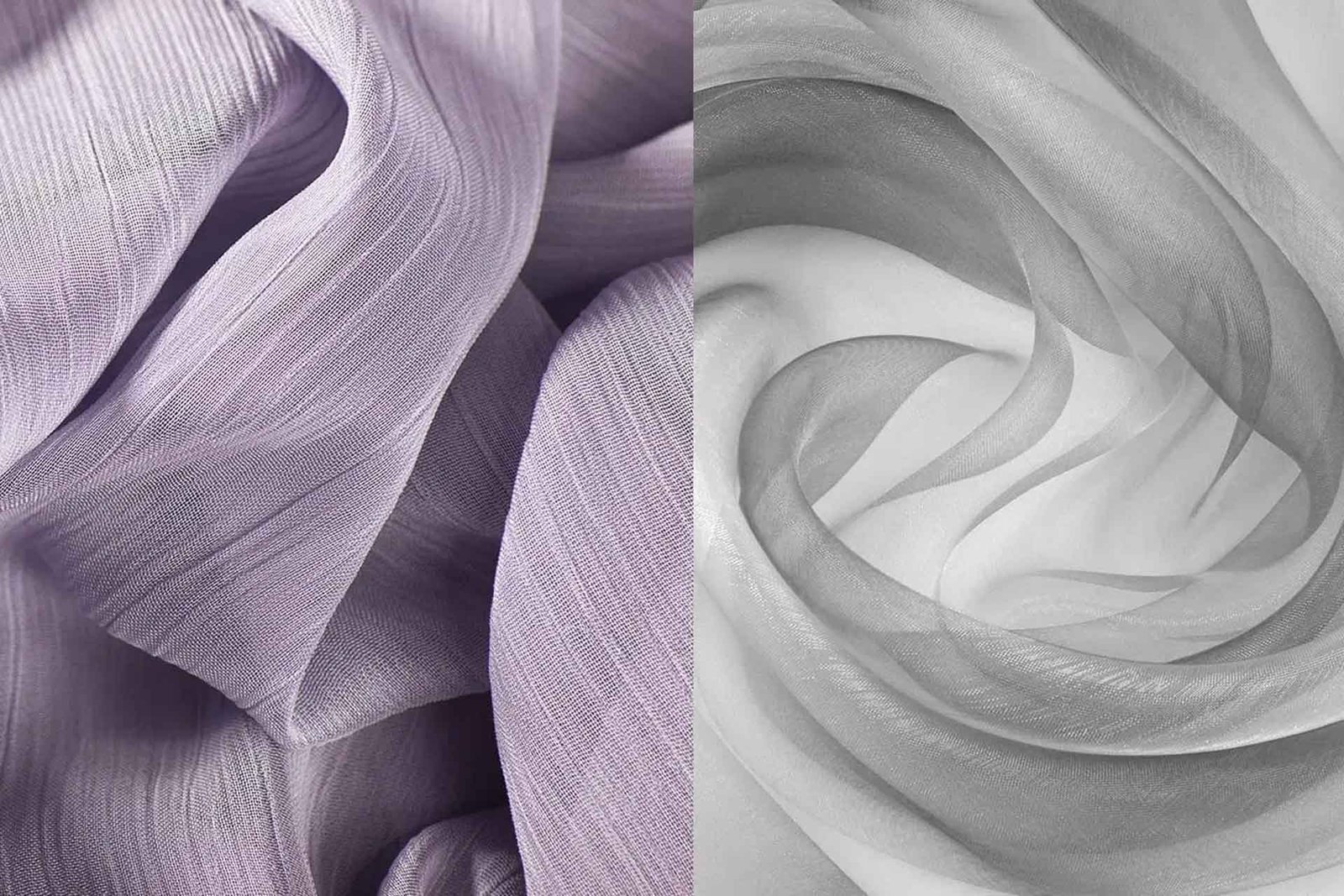
Organza fabric is a thin, plain-weave textile traditionally made from silk but now often produced using polyester or nylon.
Unlike tulle’s mesh structure, organza is woven using very fine yarns in a tight grid pattern, giving it a smooth yet crisp texture.
Key Characteristics of Organza Material
-
Sheer but structured fabric
-
Crisp, slightly stiff hand feel
-
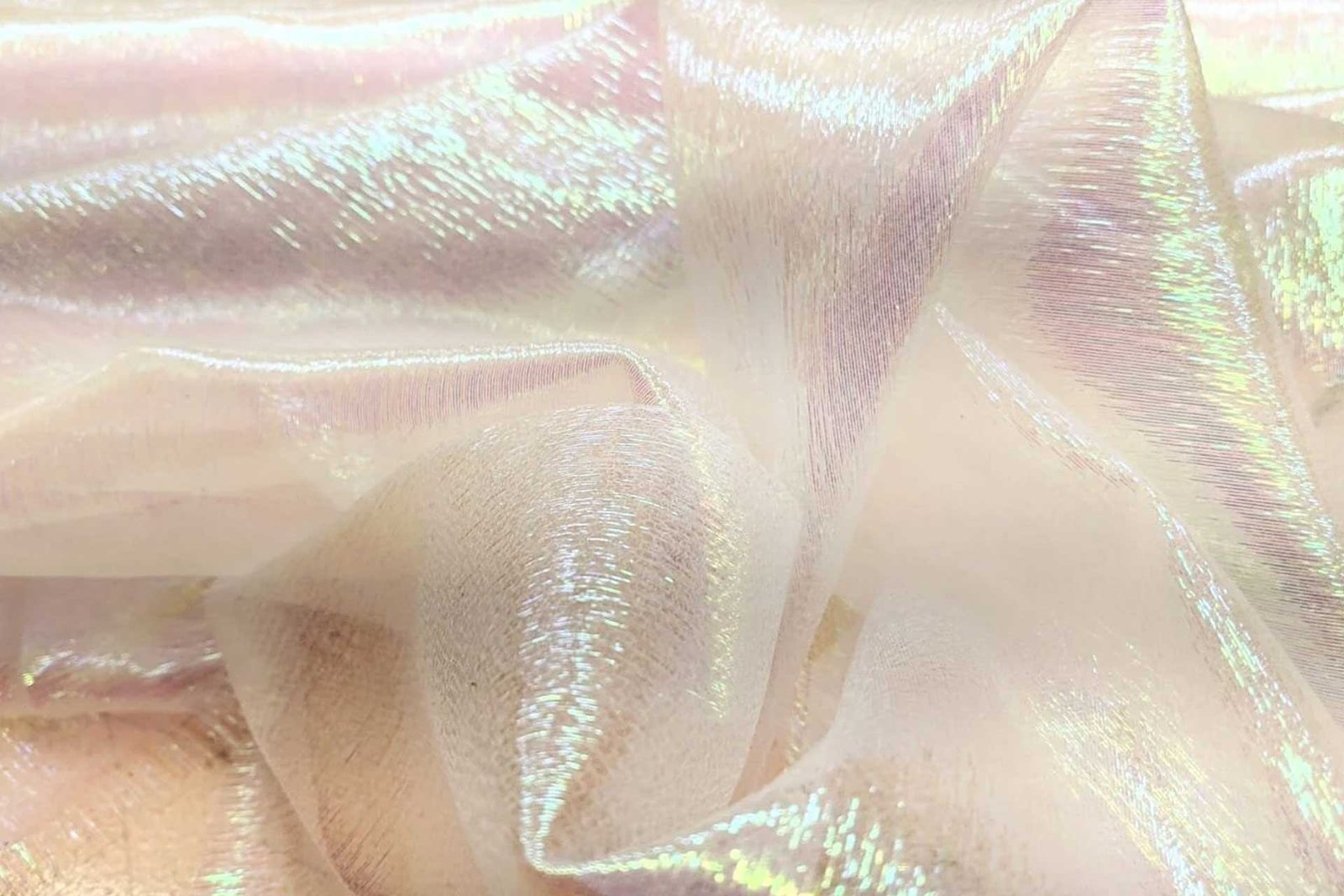
Subtle shine or shimmer
-
Stronger than it appears
Organza holds shape extremely well, which makes it ideal for architectural fashion designs.
Common Uses of Organza
Organza is frequently used in:
-
bridal gowns
-
evening dresses
-
formal overlays
-
decorative ribbons
-
luxury gift wrapping
Designers love organza because it provides structure while still remaining lightweight and translucent.
Tulle vs Organza: Key Differences
Although both fabrics are sheer, their construction and behavior are very different.
| Feature | Tulle Fabric | Organza Fabric |
|---|---|---|
| Structure | Mesh/net fabric | Plain woven fabric |
| Texture | Soft to slightly stiff | Crisp and smooth |
| Transparency | Very open and airy | Sheer but more solid |
| Drape | Flexible and fluffy | Structured and sculptural |
| Durability | Can snag easily | More durable than it looks |
| Common uses | Tutus, veils, decorations | Bridal gowns, overlays, ribbons |
Which Fabric Is Better for Your Project?
Choosing between tulle and organza depends largely on the visual effect and structure you want.
Choose Tulle If You Want
-
Soft volume and layering
-
Lightweight fabric for skirts or veils
-
A romantic, airy aesthetic
-
Costume or decorative uses
Tulle works best when the goal is soft fullness and texture.
Choose Organza If You Want
-
Crisp structure and shape
-
Elegant, glossy transparency
-
Fabric that holds folds and pleats
-
A refined, formal appearance
Organza is ideal for designs that need definition and sculptural structure.
Organza Material vs Tulle: The Designer’s Perspective
Many designers actually combine both fabrics within the same garment.
For example:
-
Tulle may be used for the inner layers of a skirt to create volume.
-
Organza fabric can then be added as the outer layer to provide structure and shine.
This layering technique allows designers to achieve a balance of softness, transparency, and shape.
Final Thoughts
Both tulle fabric and organza fabric play essential roles in fashion and textile design. While they share a similar lightweight and transparent appearance, their structural differences make them suitable for very different applications.
-
Tulle creates softness, fullness, and movement.
-
Organza material offers crispness, shine, and architectural form.
Understanding these differences ensures you select the perfect sheer fabric for your creative project.