outlander-tartan
1. What Is “Outlander Tartan”?
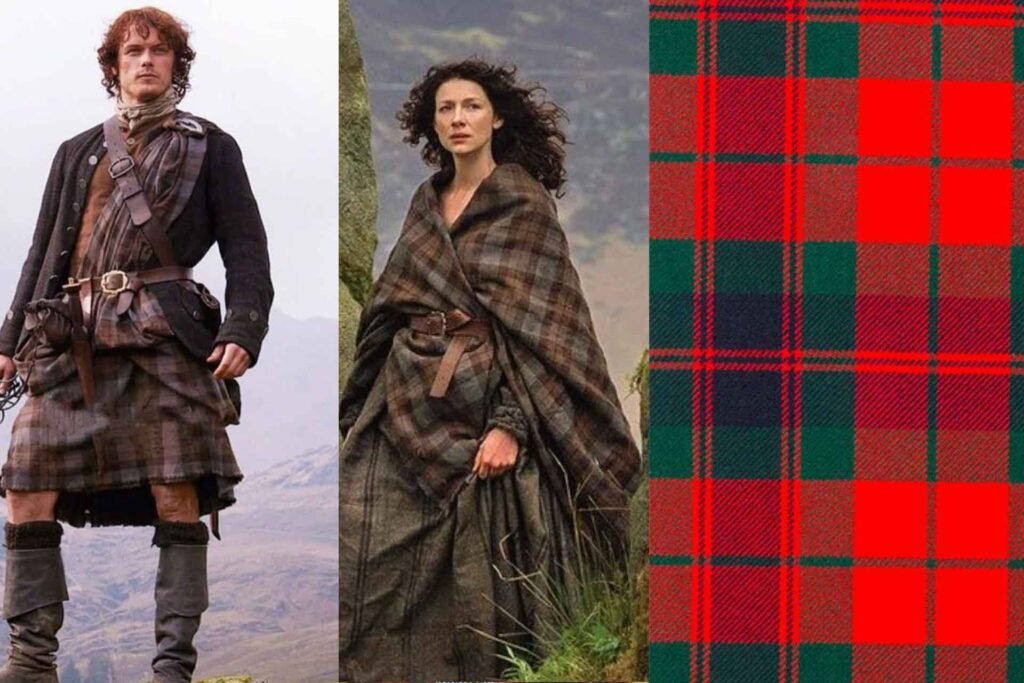
In the series, tartan is central to character identity—especially for Jamie Fraser and his clan. Fans often search for:
-
outlander tartan
-
outlander plaid
-
Jamie Fraser tartan
However, most tartans used in the show were carefully designed for visual storytelling rather than strict historical authenticity.
Why?
The story is set in the 18th century, when tartan traditions were less standardized than they are today. Costume designers adjusted colors and patterns to:
-
Reflect character personality
-
Suit filming conditions
-
Enhance dramatic contrast on screen
So while the tartans look historically inspired, they are often stylized versions rather than officially registered clan setts.
2. The Real Fraser Tartan
Fraser
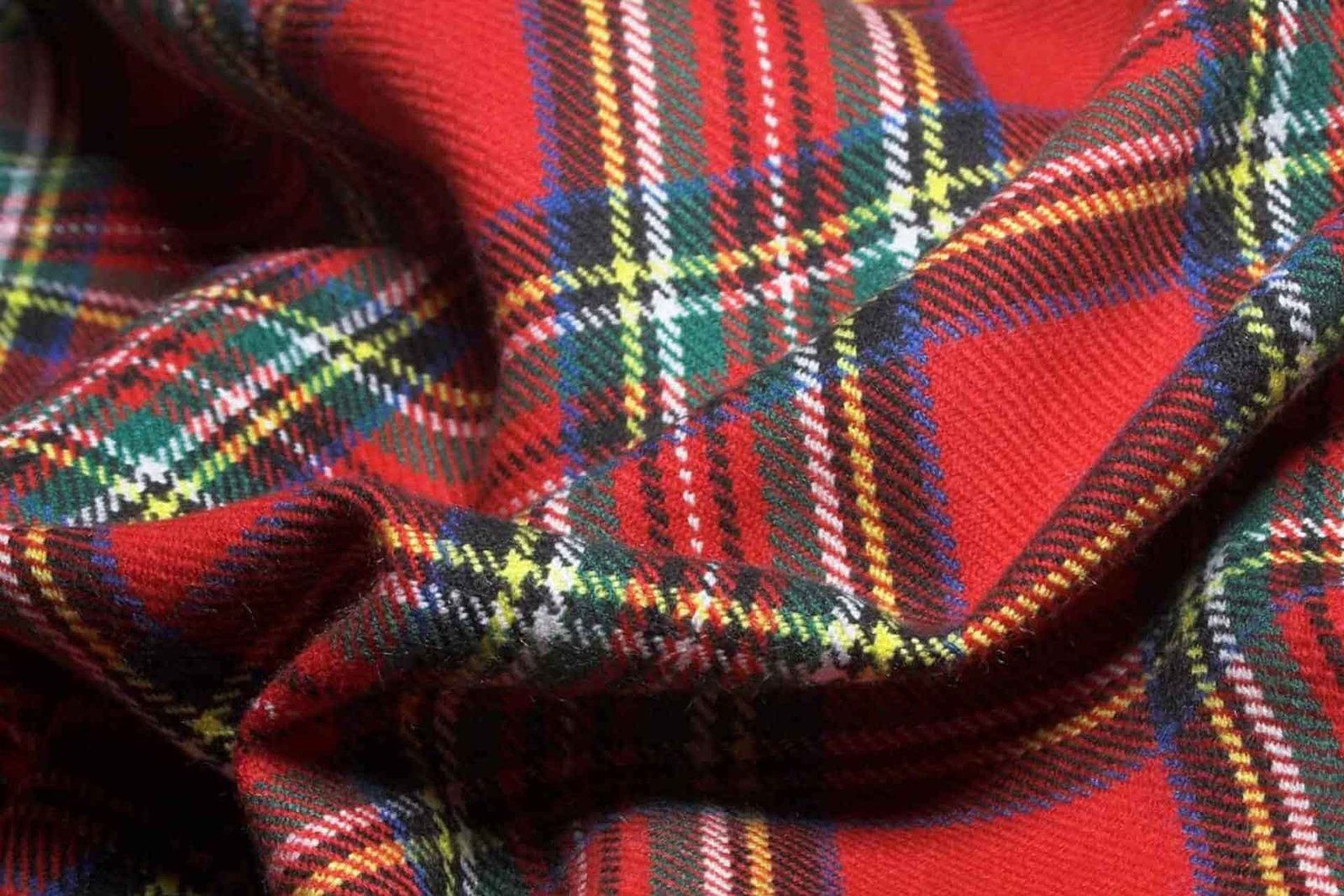
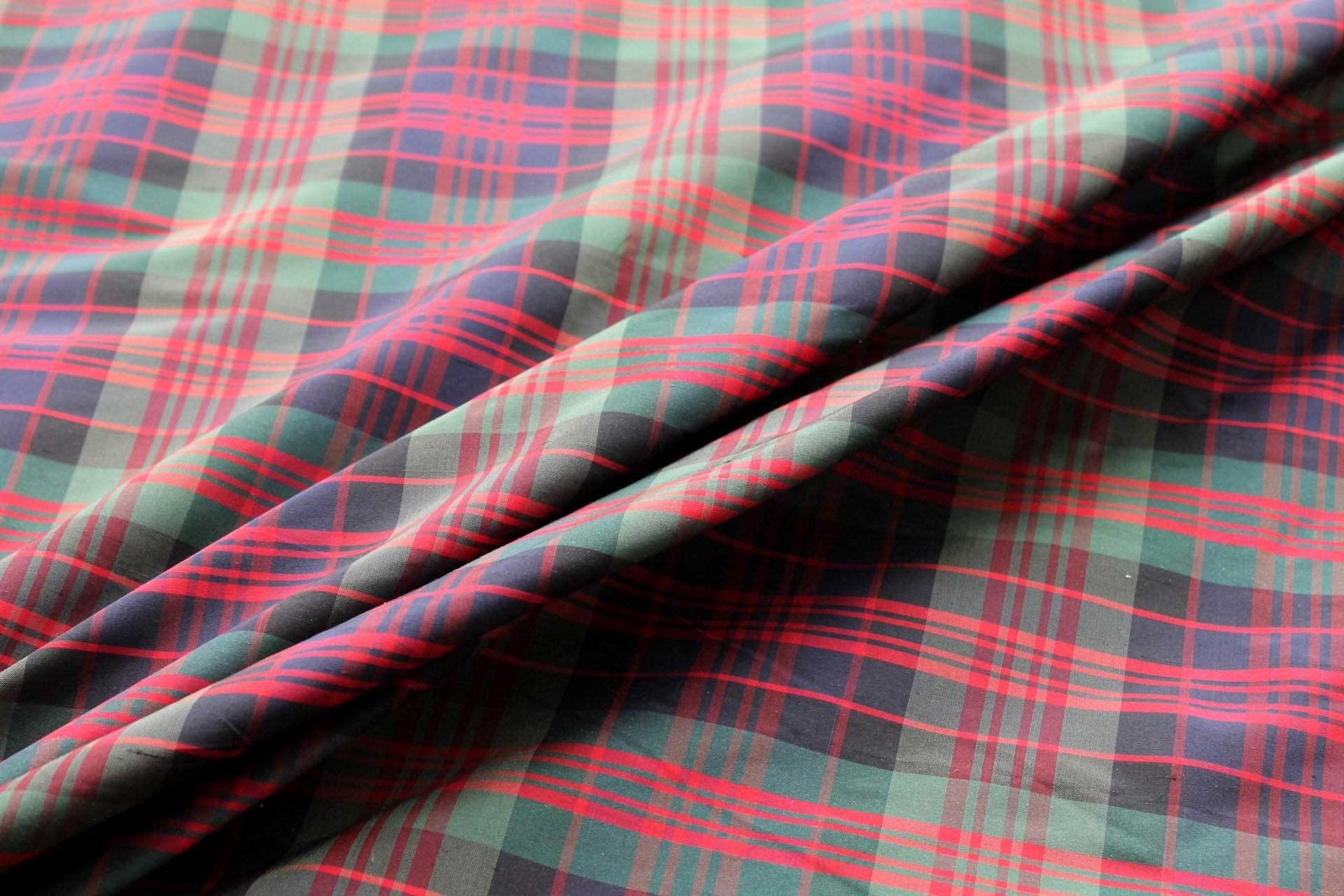
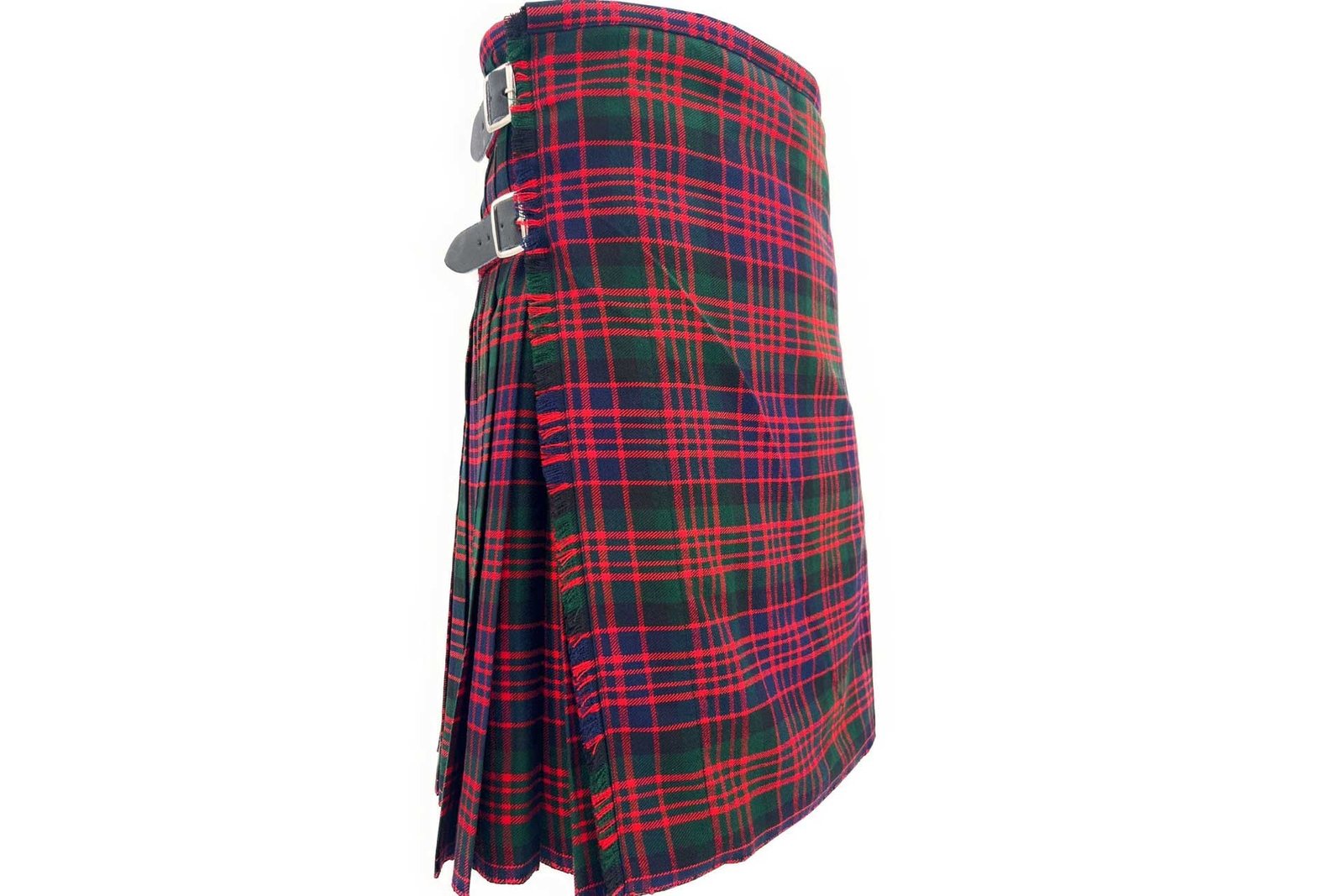
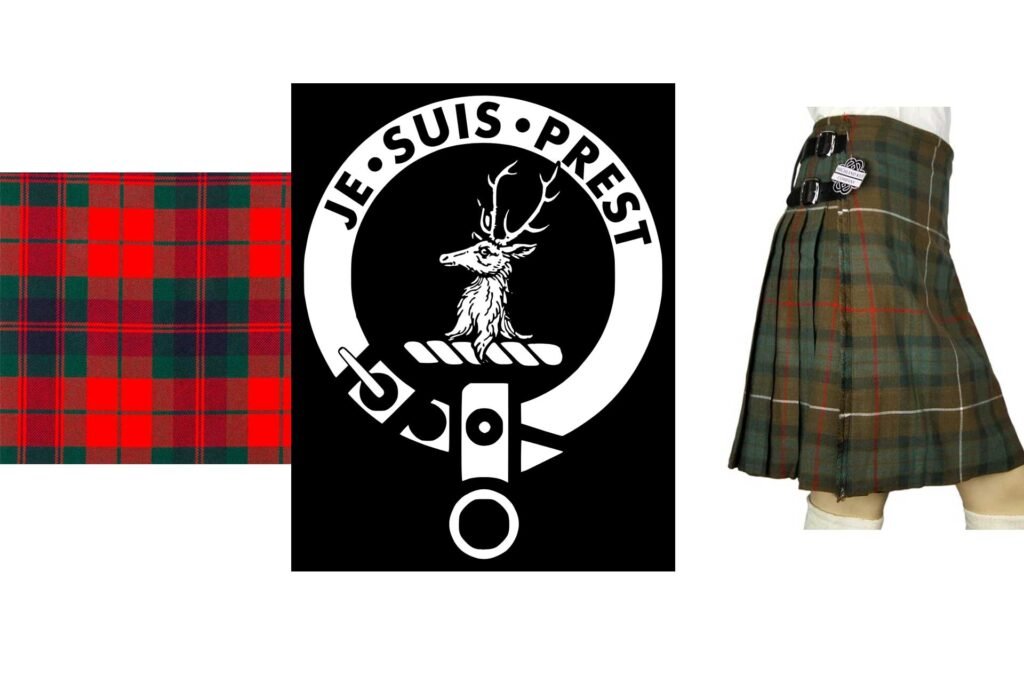
The fraser tartan is one of Scotland’s most recognized clan patterns.
About Clan Fraser
Clan Fraser played a significant role in Highland history and supported the Jacobite cause during the 1745 uprising—the same conflict central to Outlander’s storyline.
There are actually multiple Fraser tartans, including:
-
Fraser (Modern) – Brighter red tones
-
Fraser (Ancient) – Softer, muted shades
-
Fraser (Dress) – Lighter background for formal wear
Crest & Motto
The Fraser clan crest features a stag’s head with the motto:
“Je Suis Prest” (“I Am Ready”).
This symbolism reflects readiness, loyalty, and courage—traits strongly associated with the fictional Jamie Fraser.
3. Outlander Plaid vs Historical Plaid
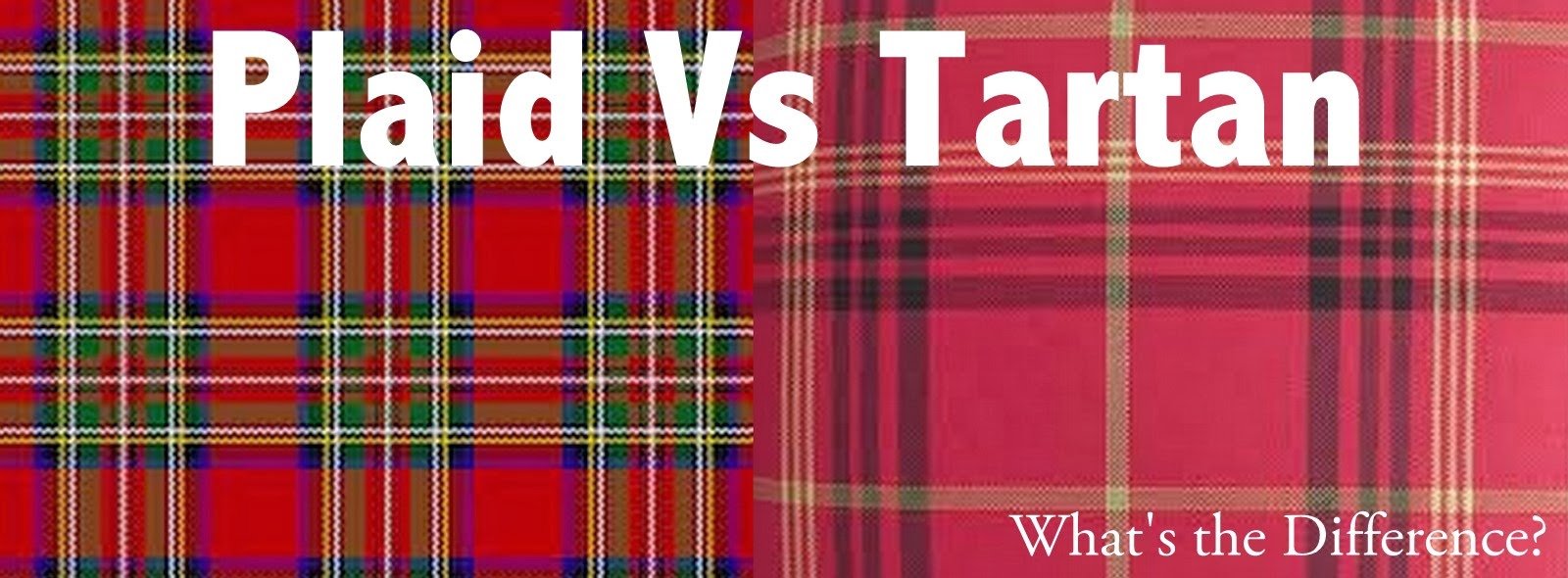
Many fans use the term outlander plaid, but historically, the word “plaid” had a slightly different meaning in Scotland.
In the 18th century:
-
“Tartan” referred to the patterned fabric.
-
“Plaid” often referred to a large tartan shawl or blanket (belted plaid) worn over the shoulder.
Jamie’s large draped garment in early episodes resembles the traditional belted plaid more than the modern tailored kilt.
The show blends both visual elements, helping modern audiences connect with the romance of Highland dress.
4. Did Each Clan Always Have One Official Tartan?
Not exactly.
During the 18th century:
-
Tartans were more regional than clan-specific.
-
Standardized clan tartans were largely formalized in the 19th century during the Victorian revival of Scottish culture.
So while Outlander presents clear clan distinctions, real historical practice was more fluid.
5. Why Outlander Sparked a Tartan Revival
Since the show’s release, global interest in:
-
Clan ancestry
-
Scottish genealogy
-
Traditional kilts
-
Fraser tartan products
has significantly increased.
Fans often purchase:
-
Fraser tartan scarves
-
Tartan shawls inspired by Claire
-
Kilts in Fraser modern or ancient variations
-
Tartan home décor
Pop culture has turned historical textile into lifestyle fashion.
6. How to Wear Fraser Tartan Today
If you’re inspired by Outlander, here are practical ways to incorporate Fraser tartan into modern life:
Subtle Options
-
Fraser tartan scarf
-
Tartan tie
-
Pocket square
Statement Pieces
-
Full tartan kilt
-
Tailored tartan blazer
-
Wool cape or shawl
Choose modern or ancient colorways depending on whether you prefer vibrant reds or softer earthy tones.
7. Fiction vs Heritage: Why It Still Matters
While Outlander takes creative liberties, it has undeniably reintroduced tartan to a new generation. For many viewers, the show becomes a gateway into real Scottish history and clan research.
Even if the outlander tartan isn’t always historically exact, it successfully captures something authentic:
-
The emotional power of identity
-
The symbolism of clan loyalty
-
The beauty of Highland textile tradition
Final Thoughts
From the screen romance of Outlander to the real-world legacy of the fraser tartan, tartan remains one of the most meaningful fabrics in cultural history.
Whether you’re a devoted fan or exploring your ancestry, wearing tartan connects fiction, history, and personal heritage in a uniquely powerful way.
In the end, it’s more than costume—it’s a story woven into cloth.