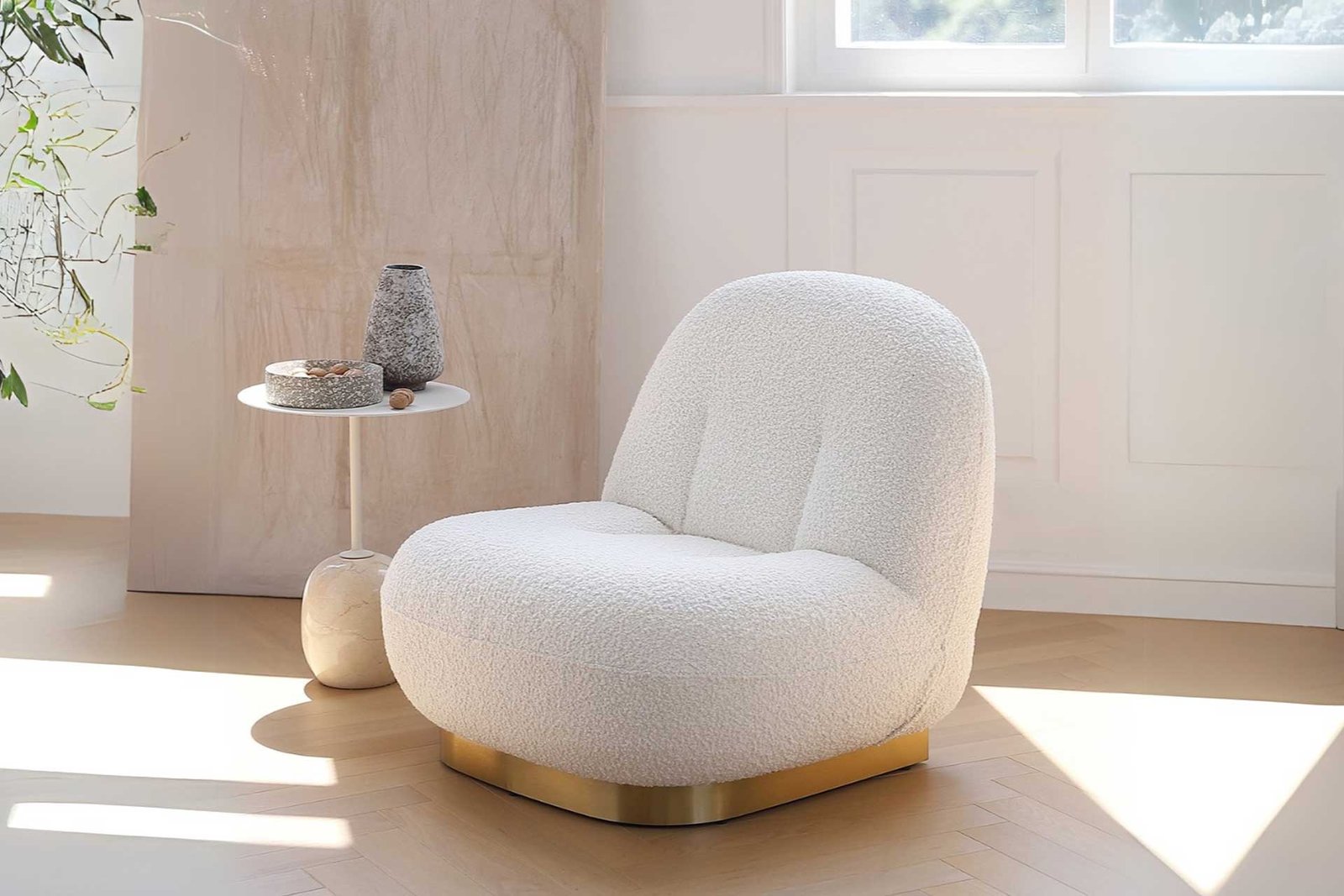
The dining room is the heart of many homes, but it is also a 'high-risk' zone for furniture. From accidental wine spills to greasy fingerprints and daily friction, your dining seats undergo a lot of stress.
If you are planning a dining room chair upholstery project, your choice of fabric will determine whether your chairs look brand new for years or become stained and worn within months. Here is how to select the perfect upholstery fabric for chairs in your dining space.
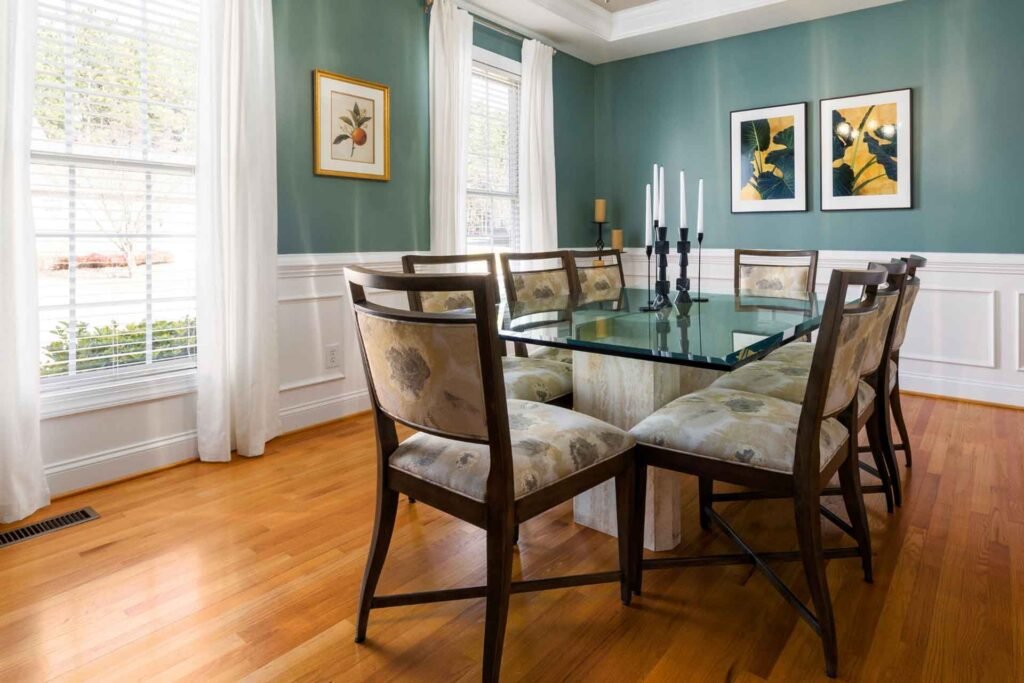
upholstery fabric for chairs
1. The Priority: Ease of Cleaning
When it comes to dining room chair upholstery, 'wipeability' is the most important feature. Since food and drink are always present, you need a material that won't absorb liquids instantly.
-
Treated Synthetics: Modern polyester blends treated with stain-resistant technology (like Crypton or Nanotex) are game-changers. Spills simply bead up on the surface.
-
Faux Leather & Vinyl: For the ultimate easy-clean experience, vinyl is king. It is completely non-porous and can be wiped down with a damp cloth in seconds.
-
Top-Grain Leather: Naturally durable and somewhat resistant to liquids, though it requires occasional conditioning to stay supple.
2. Durability and the 'Rub Count'
Dining chairs are pulled out and pushed in multiple times a day. This creates friction on the edges of the seat.
-
The Standard: For upholstery fabric for chairs in a dining setting, look for a Martindale count of at least 20,000 to 30,000 rubs.
-
Avoid: Delicate silks, light-duty cottons, or loose-weave linens that can snag on clothing buttons or zippers.
3. Best Fabric Types for Dining Chairs
| Fabric Type | Stain Resistance | Durability | Best Aesthetic |
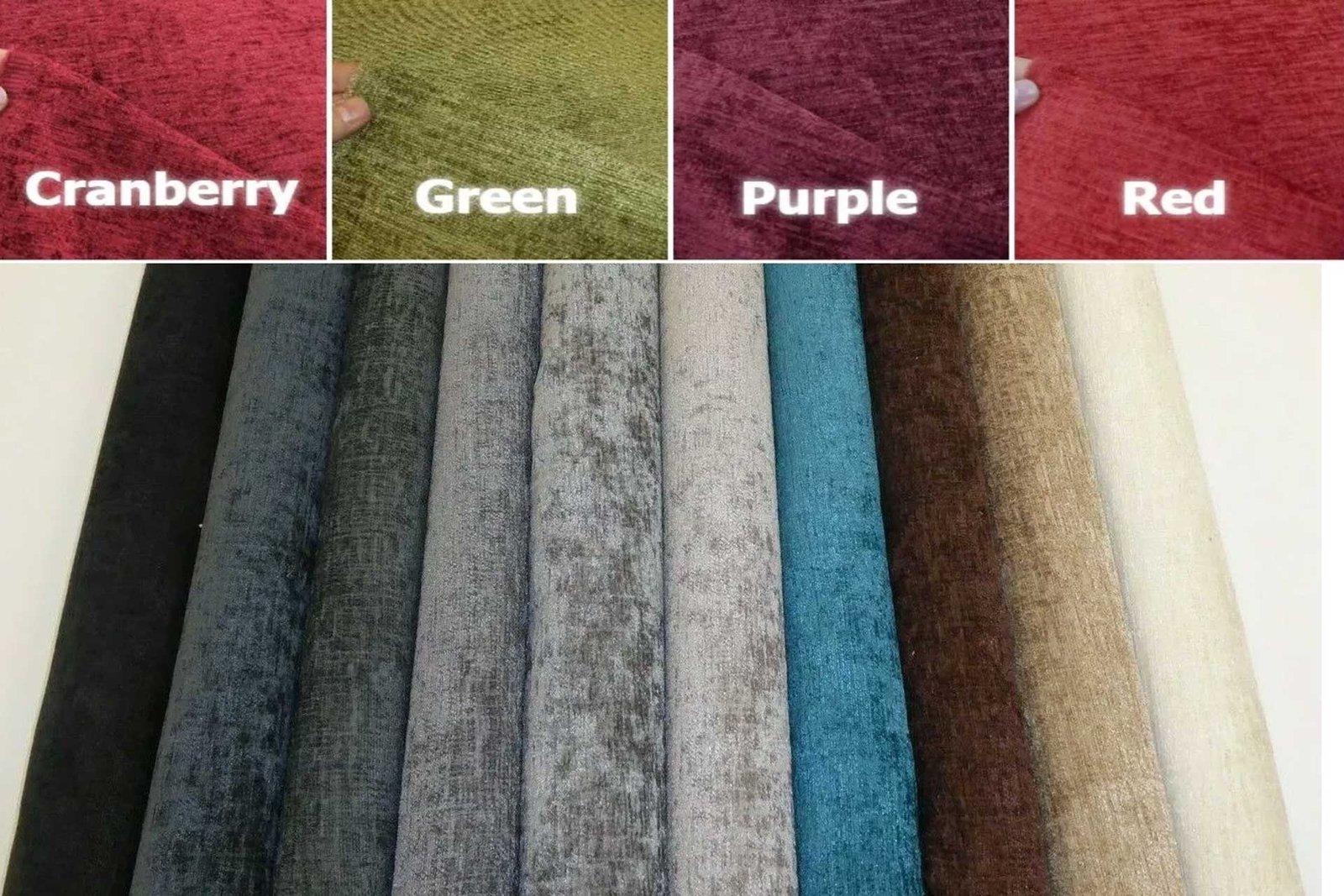
| Performance Velvet | High | Very High | Modern Luxury |
| Vinyl / Faux Leather | Maximum | High | Family-Friendly / Modern |
| Microfiber | High | High | Casual / Suede-look |
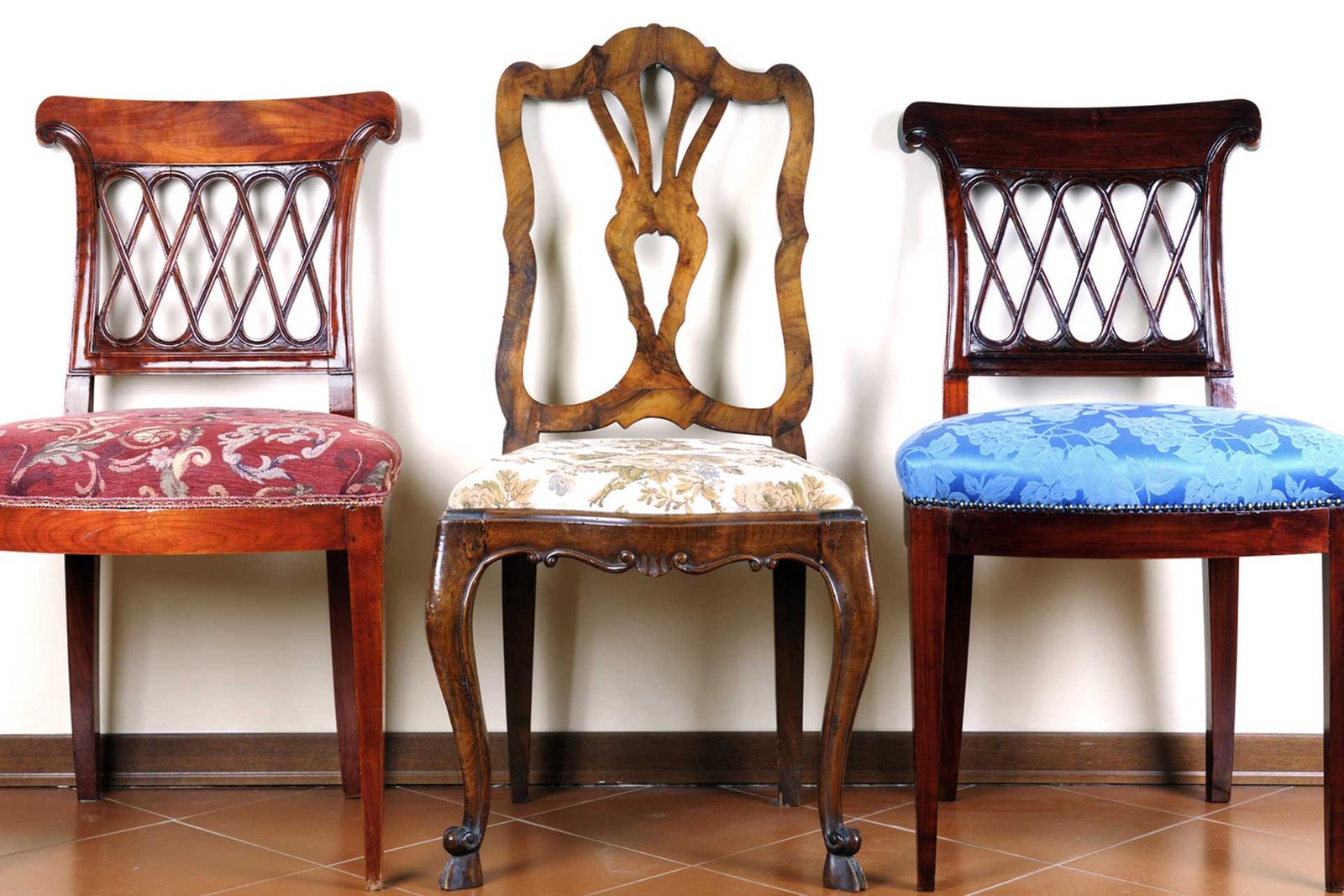
| Patterned Jacquard | Moderate | High | Traditional / Hides stains well |
4. Color and Pattern Strategy
If you have a busy household, even the best upholstery fabric for chairs can benefit from a smart design choice:
-
Darker Hues: Charcoal, navy, and deep forest green are excellent at masking minor shadows or imperfections.
-
Small Patterns: A subtle tweed, herringbone, or small geometric pattern is much better at hiding a missed spot than a solid, light-colored fabric.
-
Distressed Textures: Distressed faux leathers are incredibly forgiving and fit perfectly with rustic or industrial dining tables.
5. DIY Reupholstery Tip: The 'Hand' of the Fabric
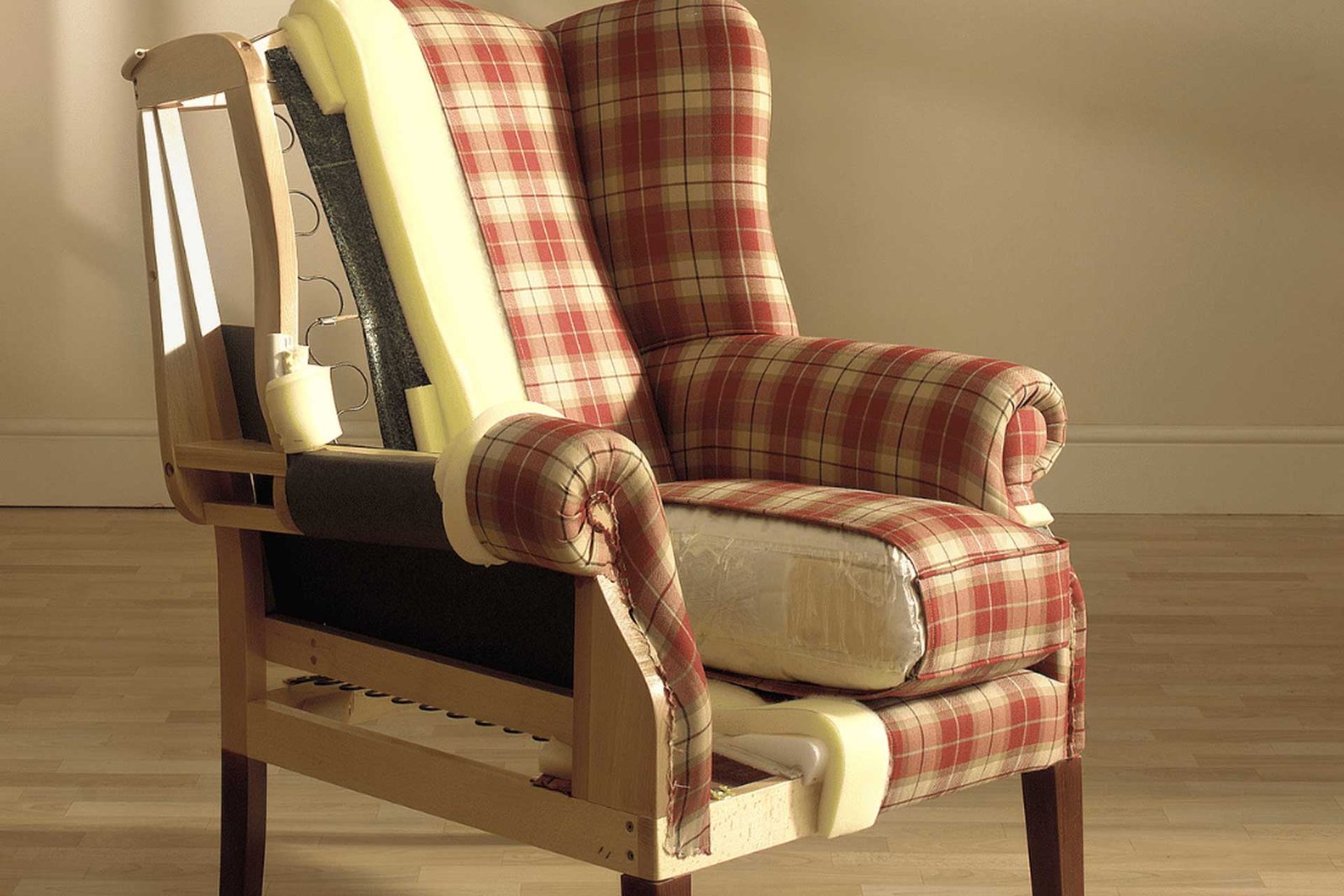
If you are doing the dining room chair upholstery yourself, consider the 'hand' (flexibility) of the fabric.
-
Avoid: Extremely stiff outdoor fabrics that are hard to fold over corners.
-
Recommended: Medium-weight fabrics that have a bit of 'give,' making it easier to achieve those crisp, professional-looking corners with a staple gun.