Introduction: The Death of the Running Belt
Every runner knows the 'jingle-jangle' struggle. You’re three miles into a zone-2 run, and your keys are bouncing against your thigh, or your smartphone is threatening to pull your waistband down. For years, the solution was a bulky running belt or an awkward arm strap. But in 2026, the gear landscape has shifted. The integration of high-tension pockets directly into spandex running shorts has made external accessories obsolete. In this guide, we explore why the right pocket placement changes your gait, your speed, and your focus, and how to choose between the popular 3-inch and 5-inch silhouettes.
1. The Engineering of the 'Anti-Bounce' Pocket
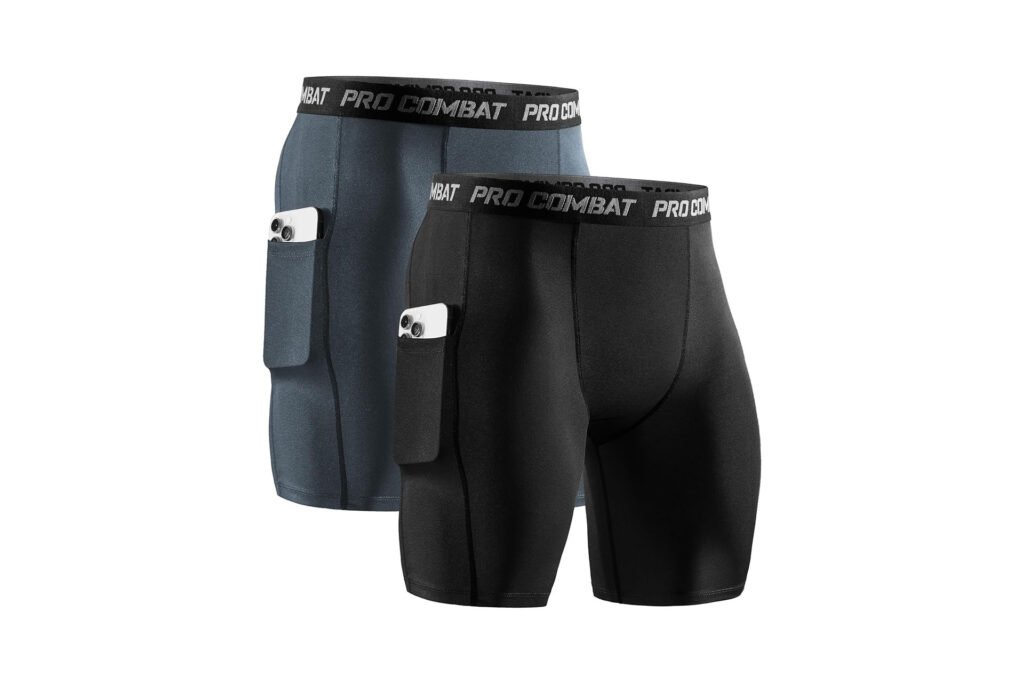
spandex running shorts with pockets
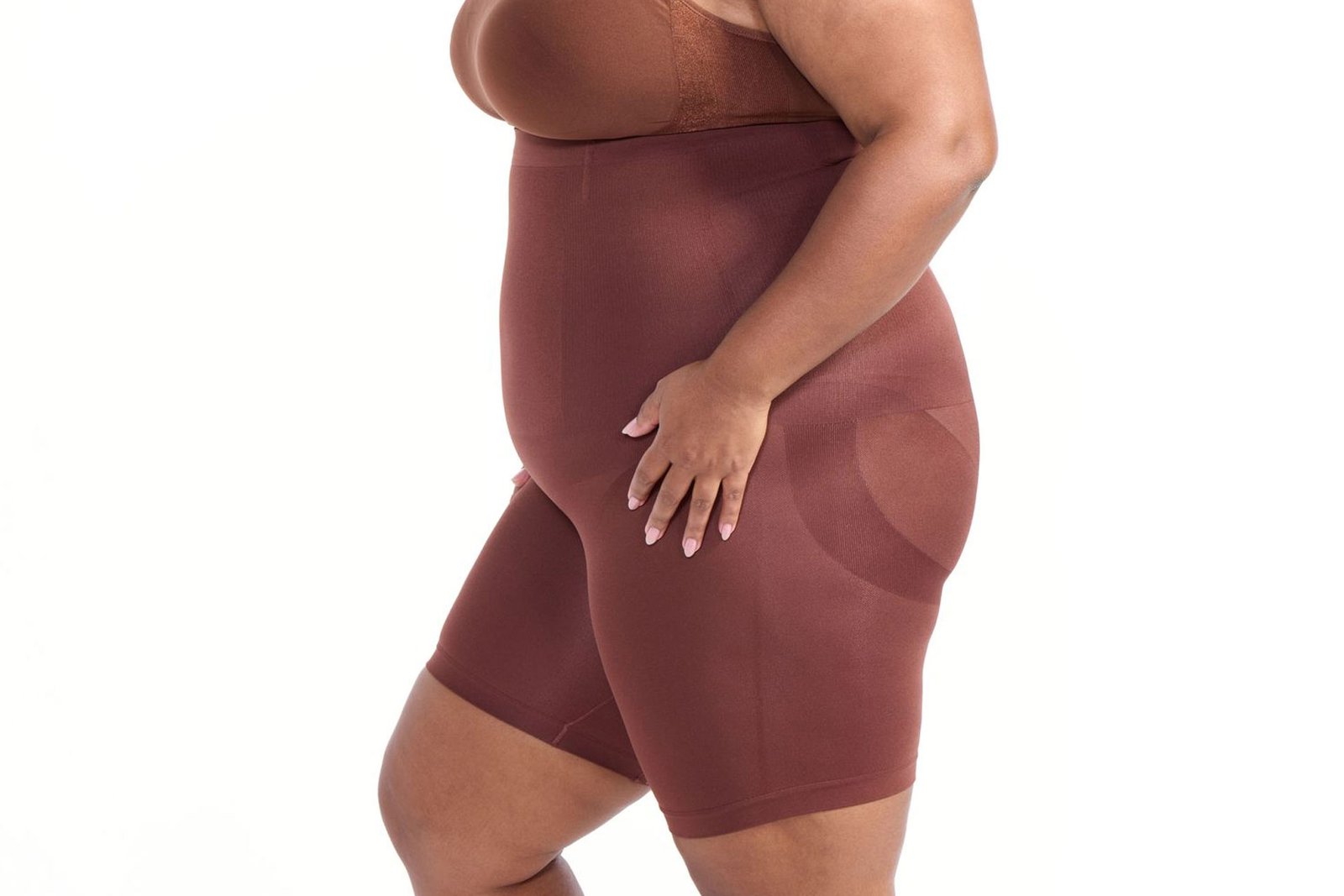
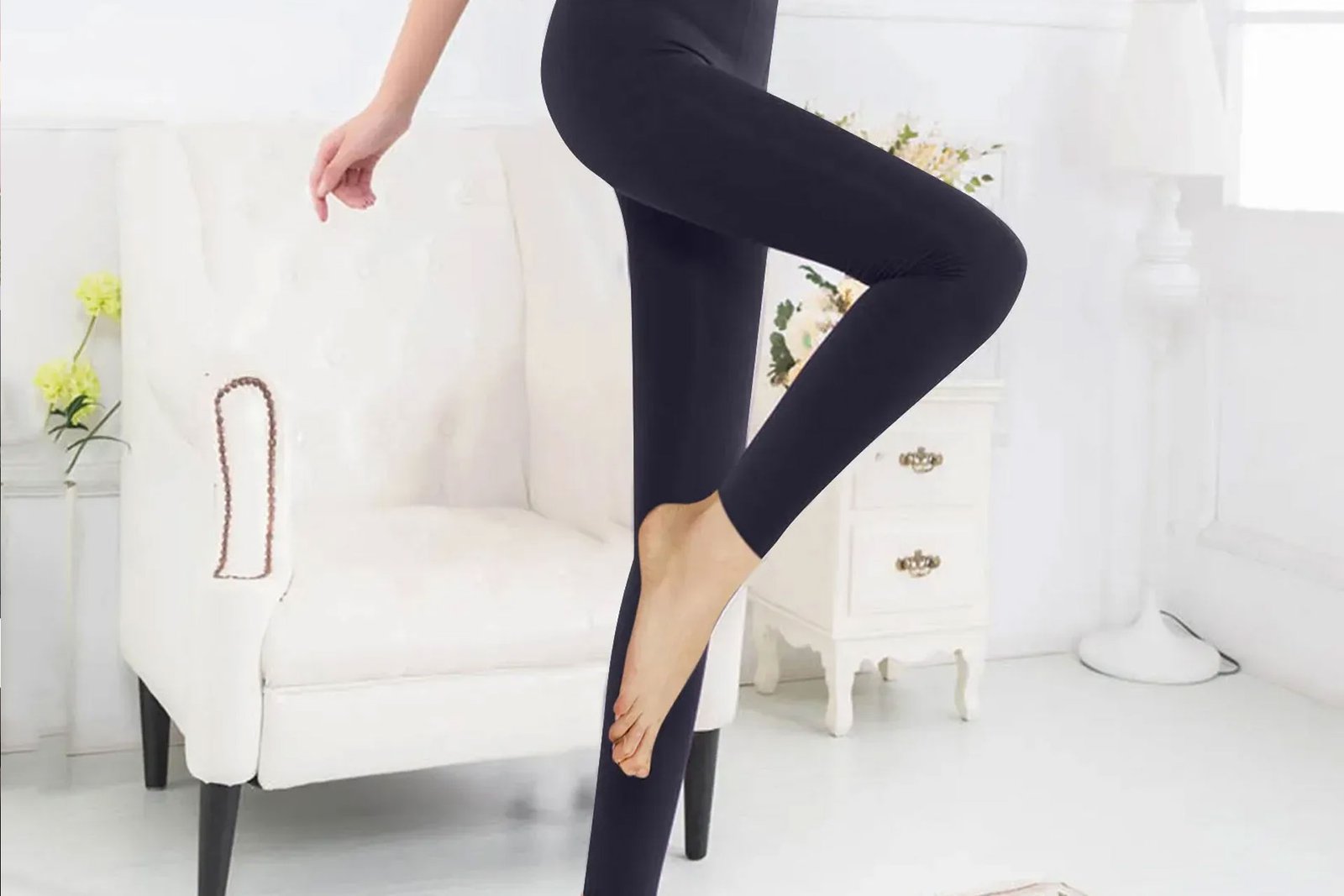
Not all pockets are created equal. A pocket in a loose pair of basketball shorts is useless for a runner. The magic happens when you use spandex running shorts with pockets.
-
Compression is Key: Because spandex fits tight to the skin, it uses compression to 'pin' your phone against your quad. This eliminates the kinetic energy that causes bouncing.
-
Side-Drop Pockets: Located on the outer thigh, these are the gold standard for large smartphones.
-
Waistband Envelopes: Often found in the back, these are perfect for car keys, salt tabs, or gels.
-
The Benefit: By keeping the weight centered and tight to your body, you maintain a natural running form without overcompensating for shifting weight.
2. 2-in-1 Power: Shorts with Spandex Underneath
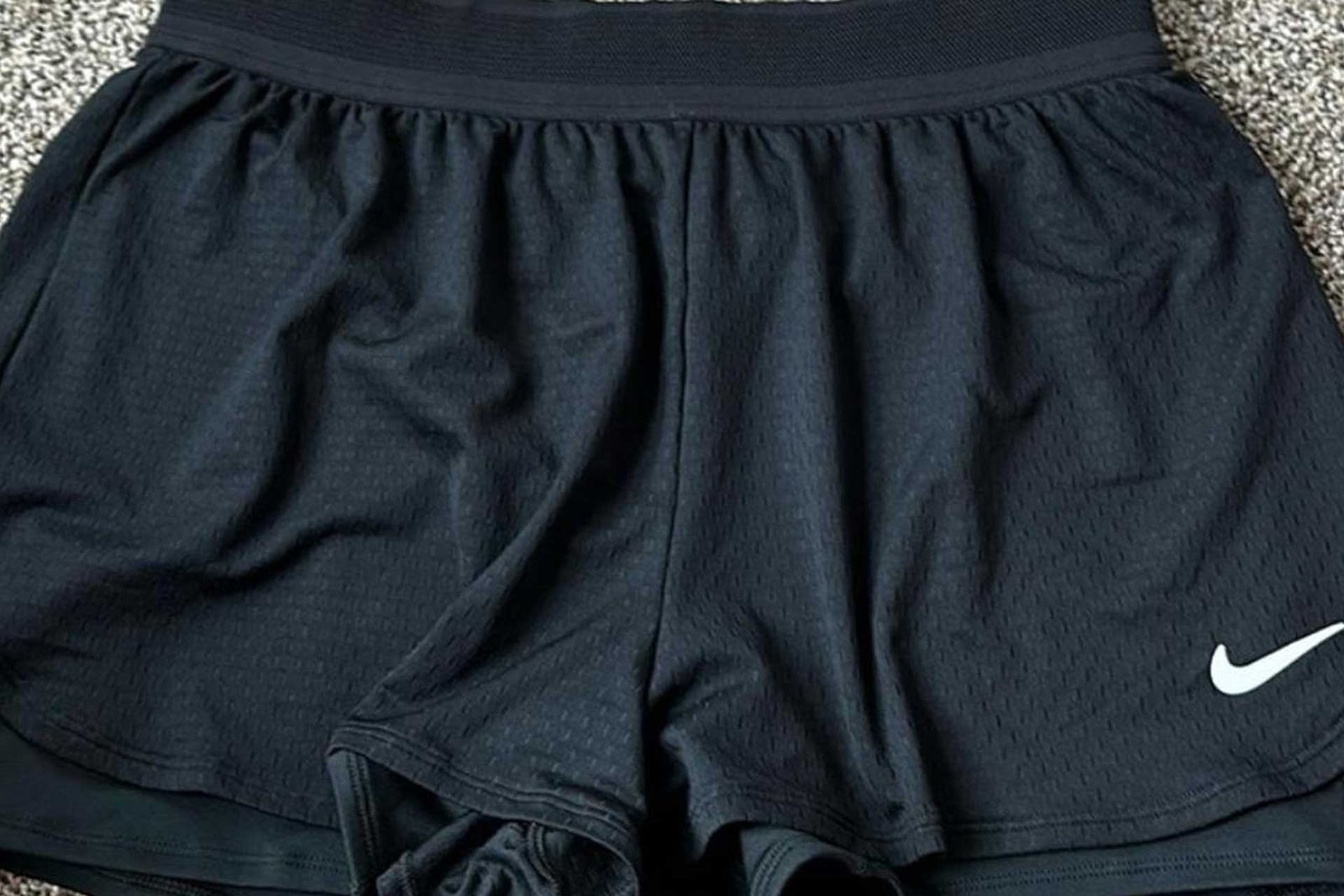
If you prefer the aesthetic of traditional shorts but need the function of compression, the '2-in-1' is your hero.
-
What it is: A lightweight, flowy outer shell with a built-in shorts with spandex underneath (the liner).
-
Why runners love it: You get the modesty and airflow of a loose short with the anti-chafe and storage benefits of spandex.
-
Pro Tip: Look for liners that feature a dedicated 'media pocket.' This keeps your phone tucked under the outer layer, protected from rain and sweat.
3. The Great Inseam Debate: 3-Inch vs. 5-Inch
The length of your shorts isn't just about fashion—它直接影响你的步频和散热。
-
3 Inch Spandex Shorts (The Speedster):
-
Best For: Racing, marathons, and high-heat training.
-
Pros: Maximum range of motion and zero fabric interference. It’s the choice for those chasing a Personal Best (PB).
-
Cons: Minimal thigh protection; if you are prone to 'chub rub,' ensure the spandex quality is high.
-
-
5 Spandex Shorts (The All-Rounder):
-
Best For: Trail running, long-distance training, and gym-to-trail transitions.
-
Pros: Extra coverage and usually more room for larger pockets. The slightly longer length prevents the hem from 'riding up' during long strides.
-
Cons: A bit more weight and slightly less ventilation than the 3-inch.
-
[Image comparing the hemline of a 3-inch vs. a 5-inch running short on an athlete]
4. Technical Checklist for 2026 Gear
When shopping for spandex running shorts this season, don't settle for basic elastic. Look for:
-
Laser-Cut Hems: To prevent the 'sausage leg' look and reduce friction.
-
Moisture-Lock Pockets: A water-resistant lining inside the pocket to keep your phone dry from sweat.
-
High Spandex Percentage (15%+): Anything less will lose its 'grip' on your phone after 20 minutes of movement.
-
Reflective Accents: Essential for those 5 AM or late-night miles.
5. Maintenance: Saving the Elastic
Running shorts take a beating from salt and friction.
-
Rinse Immediately: Salt from sweat eats away at spandex fibers.
-
Avoid the Dryer: High heat destroys the 'recovery' of the pocket, leading to—you guessed it—more bouncing.
Conclusion: Focus on the Run, Not the Gear
The evolution of spandex running shorts with pockets means you can finally leave the house with just your watch and your shorts. Whether you prefer the breezy freedom of 3-inch shorts or the secure coverage of 5-inch 2-in-1s, the right gear allows you to focus on your split times rather than your shifting keys.