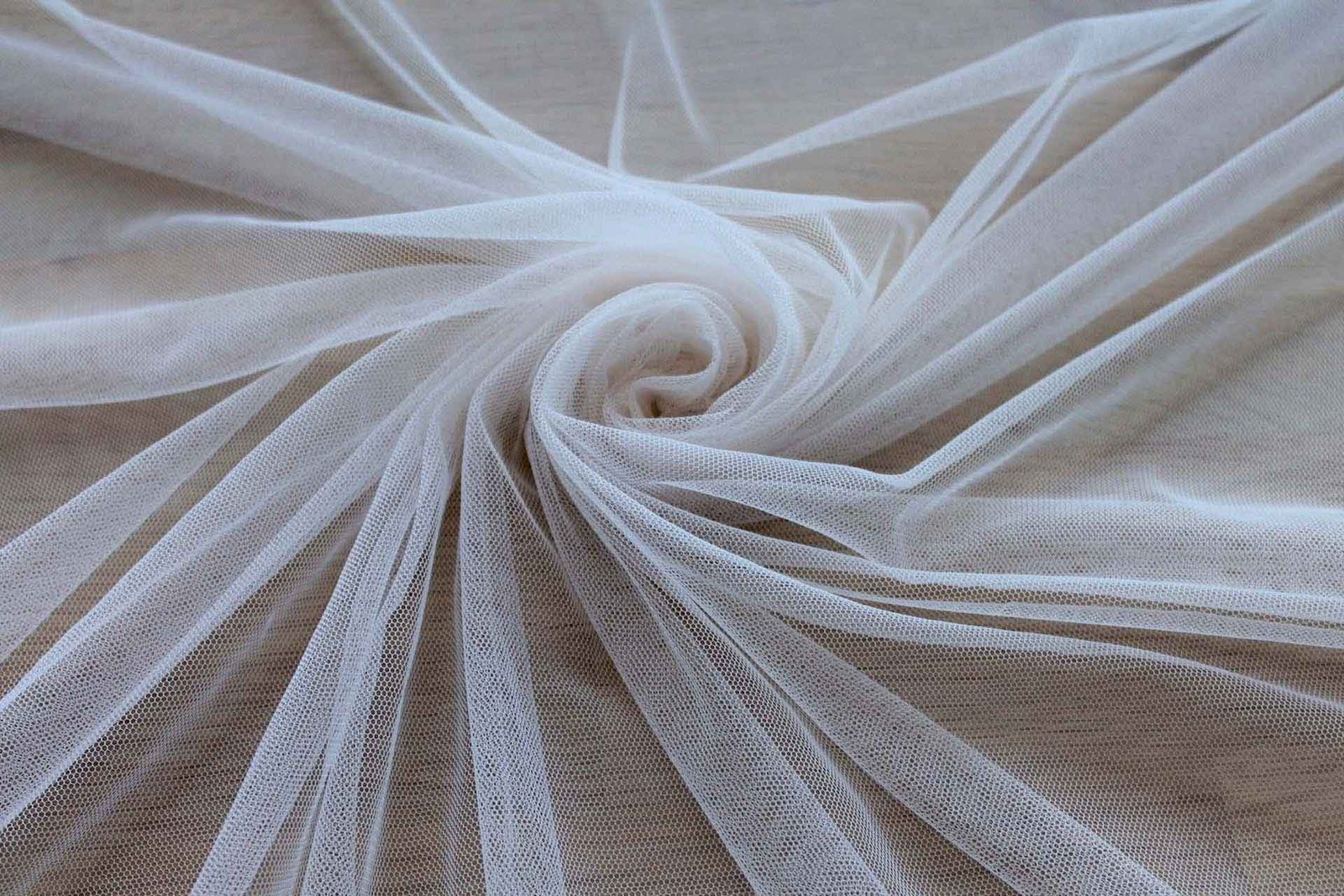
Nylon fabric is one of the most widely used synthetic textiles in the world. Known for its strength, flexibility, and durability, nylon material has become essential in industries ranging from fashion and outdoor gear to industrial textiles and technical fabrics.
Since its invention in the 20th century, nylon has transformed the textile industry by offering a lightweight, durable, and versatile alternative to natural fibers.
In this guide, we will explain what nylon fabric is, its key properties, the most common types of nylon, and how nylon textiles are used across different industries.
What Is Nylon Fabric?
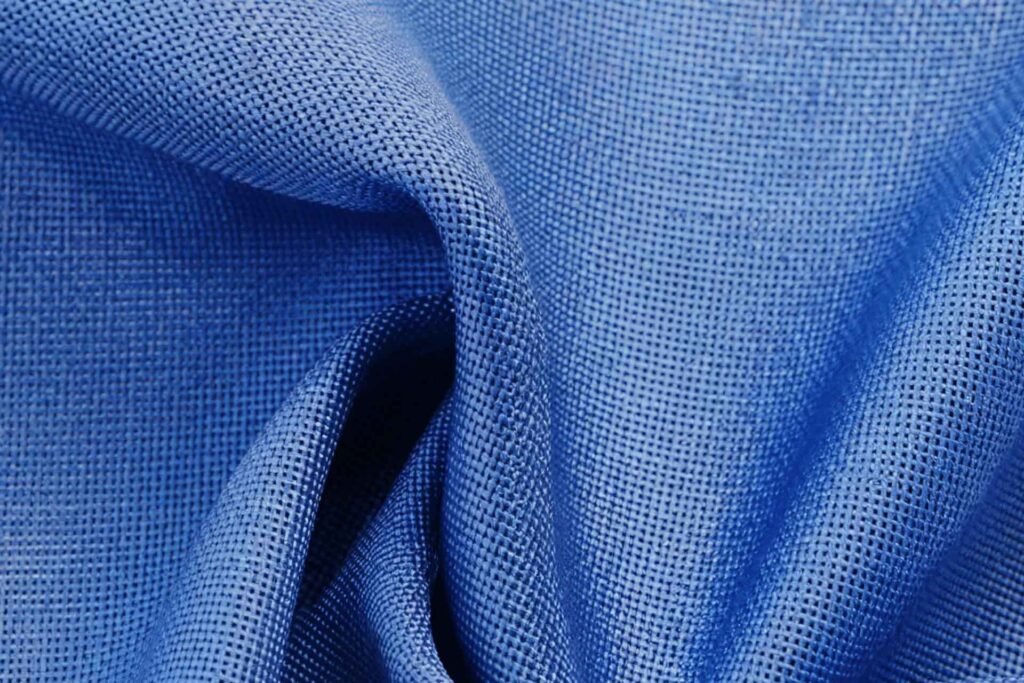
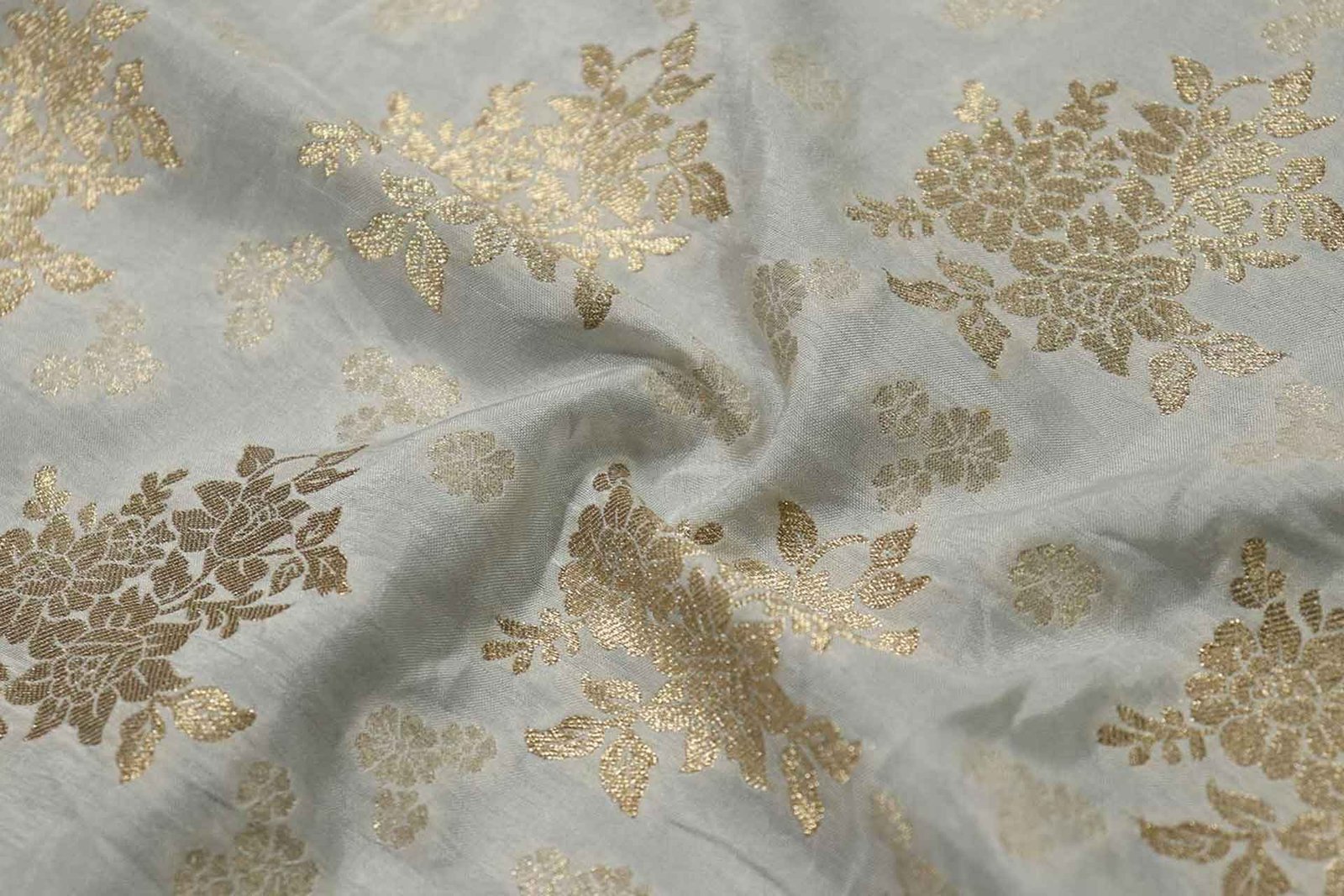
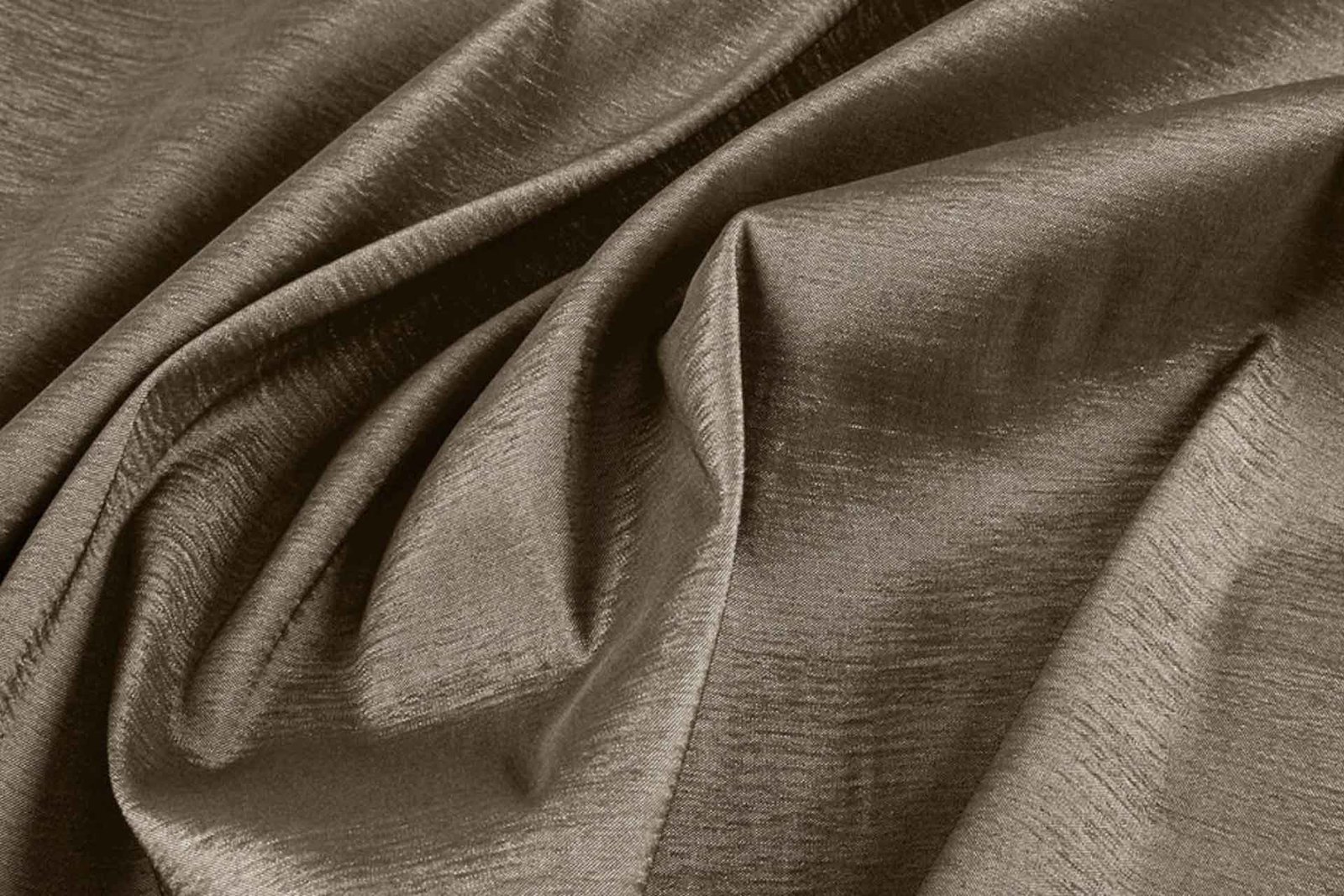
nylon fabric
Nylon fabric is a synthetic textile made from polyamide fibers, which are created through chemical polymerization processes. Unlike natural fibers such as cotton or silk, nylon is produced entirely from petrochemical-based raw materials.
The nylon polymer is melted and spun into long fibers, which are then woven or knitted into fabric.
Because of its molecular structure, nylon textile fibers are strong, flexible, and resistant to abrasion, making them ideal for products that require durability and long service life.
Key Properties of Nylon Fabric
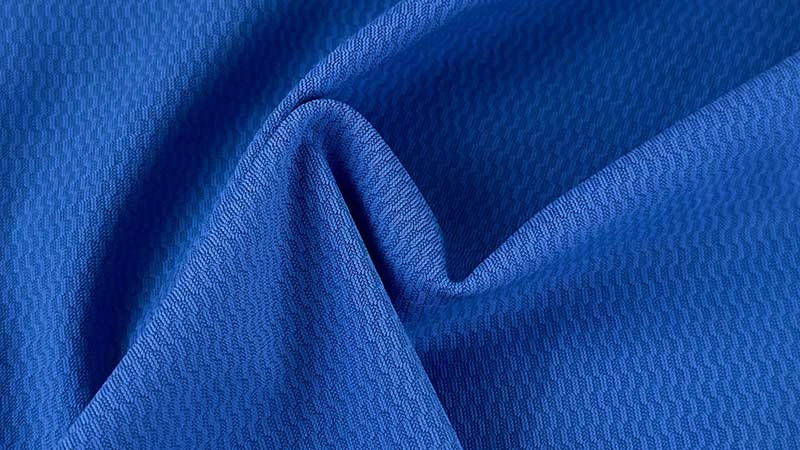
nylon material
Nylon material has several characteristics that make it highly valuable in textile manufacturing.
1. Exceptional Strength
One of the most important properties of nylon fabric is its high tensile strength.
Compared with many other textiles, nylon fibers are:
-
Strong
-
Resistant to tearing
-
Capable of handling heavy stress
This makes nylon suitable for performance clothing and industrial applications.
2. Lightweight Structure
Despite its strength, nylon fabric remains very lightweight. This balance between strength and weight is particularly useful for products such as:
-
Outdoor clothing
-
Travel gear
-
Sports equipment
3. Excellent Elasticity
Nylon fibers have good elasticity, allowing them to stretch and recover their shape easily.
This property is beneficial for:
-
Activewear
-
Hosiery
-
Form-fitting garments
4. High Abrasion Resistance
Nylon textile fibers resist friction and wear better than many natural fabrics.
Because of this, nylon is often used in products that experience frequent movement or stress.
5. Moisture Resistance
Unlike natural fibers, nylon material absorbs very little moisture. This allows nylon fabrics to:
-
Dry quickly
-
Resist mildew
-
Maintain shape in humid environments
6. Smooth Texture
Nylon fabric can be produced with a smooth and soft surface, making it comfortable for clothing applications.
Modern finishing processes can also improve the feel of nylon textiles.
Types of Nylon Fabric
There are several types of nylon materials used in textile manufacturing. Each type has slightly different properties depending on the polymer structure and fiber processing method.
Nylon 6
Nylon 6 is one of the most common nylon materials used in textiles.
Characteristics include:
-
Good elasticity
-
High durability
-
Smooth surface
It is commonly used in clothing, carpets, and industrial textiles.
Nylon 6,6
Nylon 6,6 is known for its higher strength and better heat resistance compared to nylon 6.
Applications include:
-
Industrial fabrics
-
Technical textiles
-
Heavy-duty products
Ripstop Nylon
Ripstop nylon is designed with reinforced threads woven into the fabric, which prevents tears from spreading.
It is widely used for:
-
Outdoor gear
-
Parachutes
-
Camping equipment
Ballistic Nylon
Ballistic nylon is a thick and highly durable nylon fabric originally developed for military purposes.
Today it is commonly used for:
-
Luggage
-
Backpacks
-
Protective gear
Cordura Nylon
Cordura is a specialized type of nylon known for extreme durability and abrasion resistance.
It is used in:
-
Tactical equipment
-
Workwear
-
Outdoor products
Common Uses of Nylon Fabric
Because of its durability and versatility, nylon textile materials appear in many industries.
Clothing and Fashion
Nylon fabric is widely used in modern apparel.
Examples include:
-
Sportswear
-
Swimwear
-
Jackets
-
Hosiery
Its lightweight and flexible properties make it ideal for active clothing.
Outdoor and Performance Gear
Nylon materials are heavily used in outdoor equipment because they are strong and weather-resistant.
Typical products include:
-
Tents
-
Backpacks
-
Sleeping bags
-
Windbreakers
Industrial Textiles
Nylon textile fibers are also used in technical and industrial fabrics.
These include:
-
Conveyor belts
-
Safety equipment
-
Industrial filters
Bags and Luggage
Because of its abrasion resistance, nylon fabric is commonly used for:
-
Travel bags
-
Laptop cases
-
Luggage
Home Textiles
Nylon is also used in some household products, such as:
-
Carpets
-
Upholstery fabrics
-
Curtains
Advantages of Nylon Material
Nylon fabrics offer several advantages that make them popular worldwide.
High Durability
Nylon fibers are extremely strong and resistant to wear.
Lightweight and Flexible
Nylon materials combine strength with flexibility, making them suitable for many products.
Quick Drying
Because nylon absorbs little water, fabrics dry quickly after washing or exposure to moisture.
Versatile Applications
Nylon textiles can be engineered for fashion, industrial use, and technical fabrics.
Disadvantages of Nylon Fabric
Although nylon has many advantages, it also has some limitations.
Heat Sensitivity
Nylon fibers can melt or deform when exposed to very high temperatures.
Static Electricity
Nylon fabrics can generate static electricity in dry conditions.
Environmental Concerns
Because nylon is a petroleum-based synthetic fiber, it is not biodegradable.
However, recycling technologies are improving the sustainability of nylon materials.
Nylon Fabric vs Other Synthetic Fabrics
Nylon is often compared with other synthetic textiles, particularly polyester.
| Feature | Nylon Fabric | Polyester Fabric |
|---|---|---|
| Strength | Very strong | Strong |
| Elasticity | Higher | Lower |
| Moisture Absorption | Low | Very low |
| Durability | Excellent | Excellent |
Both materials are widely used, but nylon generally offers greater elasticity and abrasion resistance.
Why Nylon Textile Remains Important
Even decades after its invention, nylon remains one of the most important materials in the textile industry.
Manufacturers continue to develop new nylon technologies, including:
-
High-performance nylon fibers
-
Recycled nylon materials
-
Advanced technical fabrics
These innovations ensure that nylon fabric continues to play a key role in modern textile production.
Conclusion
Nylon fabric is a versatile synthetic textile known for its strength, durability, and lightweight structure. Used in clothing, outdoor equipment, industrial textiles, and many everyday products, nylon material has become one of the most important fabrics in modern manufacturing.
Understanding the types of nylon, its properties, and its applications helps designers, manufacturers, and buyers choose the right nylon textile for their specific needs.
Looking for a Reliable Nylon Fabric Supplier?
If you are sourcing nylon fabric or other synthetic textiles for clothing production, outdoor gear, or industrial applications, we can help.
Our company specializes in exporting high-quality textile fabrics to global markets, offering stable supply, competitive pricing, and consistent quality control.
Contact us today to request samples or learn more about our nylon fabric products for your next project.