Pros and Cons of Modal Fabric
By now, you’ve likely heard that Modal is the 'world’s softest fabric.' But is it actually the right choice for every garment? Every textile has its strengths and its breaking points.
At TextileCloth, we believe that understanding the disadvantages of modal fabric is just as important as praising its comfort. Let’s break down the honest pros and cons so you can shop with confidence.
1. The Pros: Why We Love It
Modal is often considered a 'luxury' version of cotton for several compelling reasons:
-
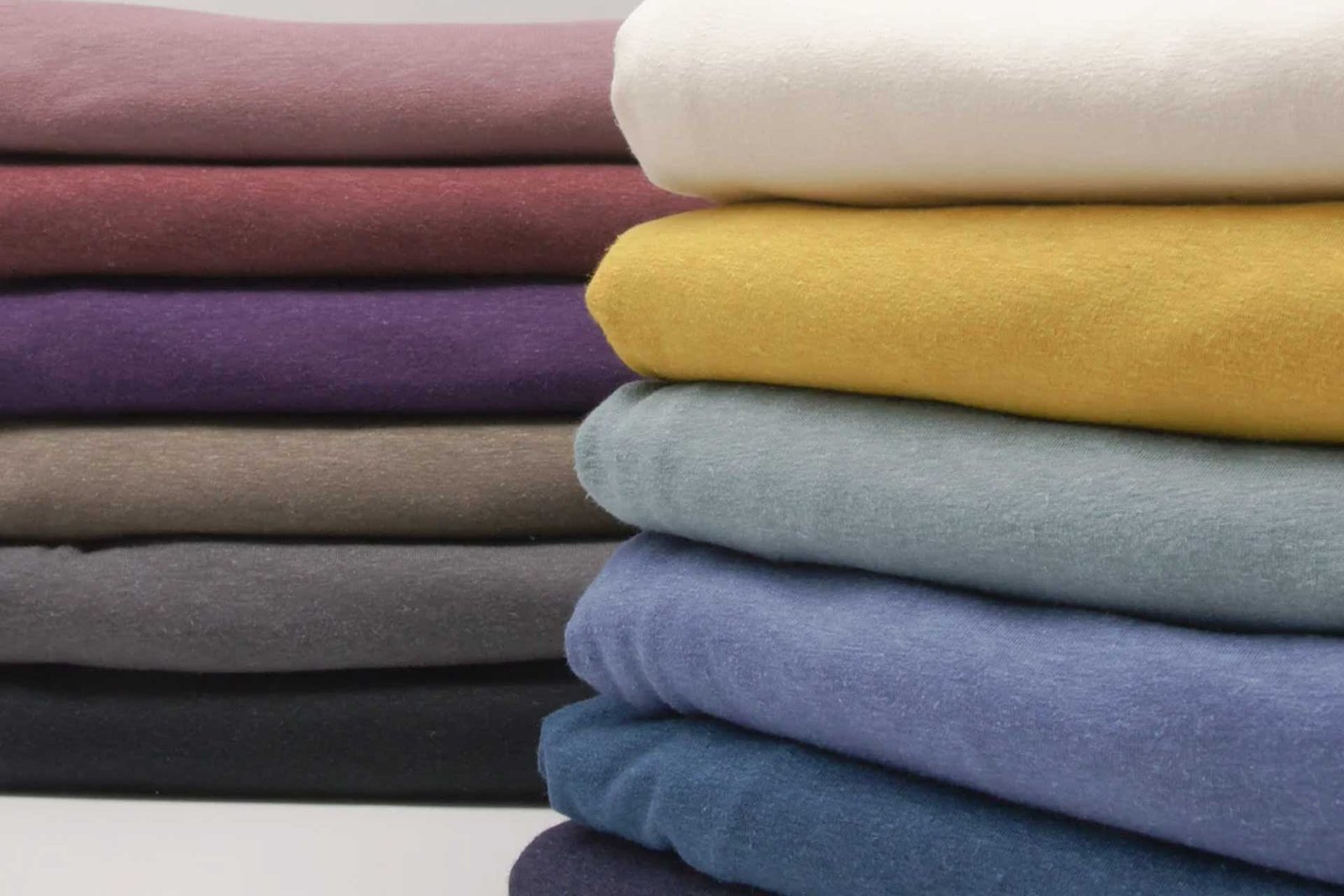
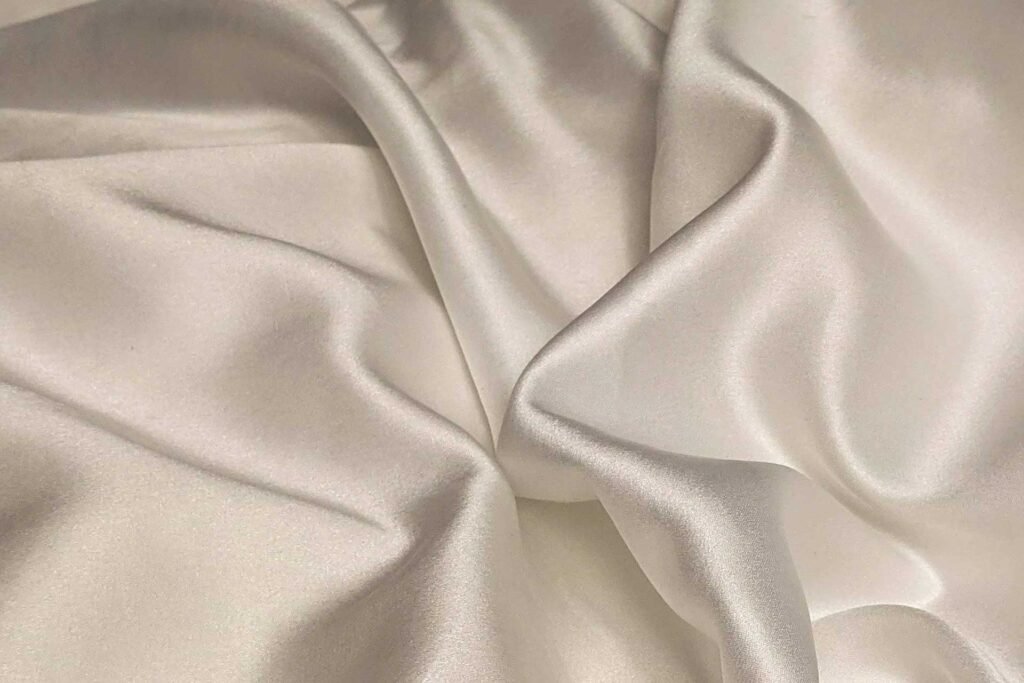
Legendary Softness: It has a smooth, silk-like texture that doesn't go away after washing.
-
Stays True to Size: Unlike many natural fibers, Modal is incredibly resistant to shrinking.
-
Vibrant for Life: It holds dye deeply, meaning your dark colors won't fade into a dull grey after a few months.
-
Hypoallergenic: Is modal hypoallergenic? Yes. Because the fibers are so smooth, they don't irritate sensitive skin or trap allergens, making it excellent for eczema-prone skin.
2. The Cons: The Trade-offs You Should Know
To help you decide if modal fabric is good or bad for your specific needs, let's look at the downsides:
-
The 'Slouch' Factor: 100% Modal is extremely heavy and drapey. Over time, a heavy modal dress might 'grow' or sag as gravity pulls the fibers down. It lacks the 'snap-back' structure of cotton.
-
Price Point: Due to the complex manufacturing process, Modal is typically more expensive than standard cotton or polyester.
-
Delicacy When Wet: Modal fibers lose some of their strength when soaked. If you are too rough during washing, the fabric can stretch out or tear.
3. The Laundry Guide: How to Make it Last
If you want to protect your investment, you can't treat Modal like a rugged pair of jeans. Proper fabric care is essential:
-
Wash Cold: Always use cold water to preserve the fiber integrity.
-
Avoid the Heat: High dryer temperatures are the enemy of Modal. Air dry if possible, or use the 'low heat' or 'delicate' setting.
-
Use a Laundry Bag: Because Modal is prone to snagging, washing it inside a mesh bag protects it from zippers and buttons of other clothes.
4. Buyer’s Guide: How to Spot Low-Quality Modal
Not all Modal is created equal. When shopping, keep an eye out for these 'red flags':
-
The 'Rough' Test: If it feels scratchy or stiff on the shelf, it’s likely a low-grade rayon blend rather than high-quality Modal.
-
Transparency: Hold the fabric up to the light. Poor quality Modal is often woven too thin, leading to transparency and a lack of durability after just one wash.
-
Missing Certifications: Premium, eco-friendly Modal will almost always mention Lenzing™ or Tencel™ on the tag. If the tag just says 'Modal' with no brand or certification, it may have been produced using less environmentally friendly methods.
5. The Verdict: Is Modal Right for You?
Modal is an elite choice for intimacy and comfort—think underwear, base layers, and luxury bedding. However, if you are looking for a rugged, structured jacket or high-performance hiking gear, you might be better off with a technical blend.