Batik is a traditional fabric dyeing technique known for its unique patterns and artistic value. While many guides explain the basic steps, most beginners still struggle with uneven dyeing, poor wax control, or wrong fabric choices.
This guide goes beyond a simple tutorial. You’ll learn:
- How to make batik step by step
- Which fabrics actually work best (and which don’t)
- Common mistakes beginners make
- Practical tips for better results
👉 Whether you're a hobbyist or planning to develop products, this guide will help you avoid costly trial and error.
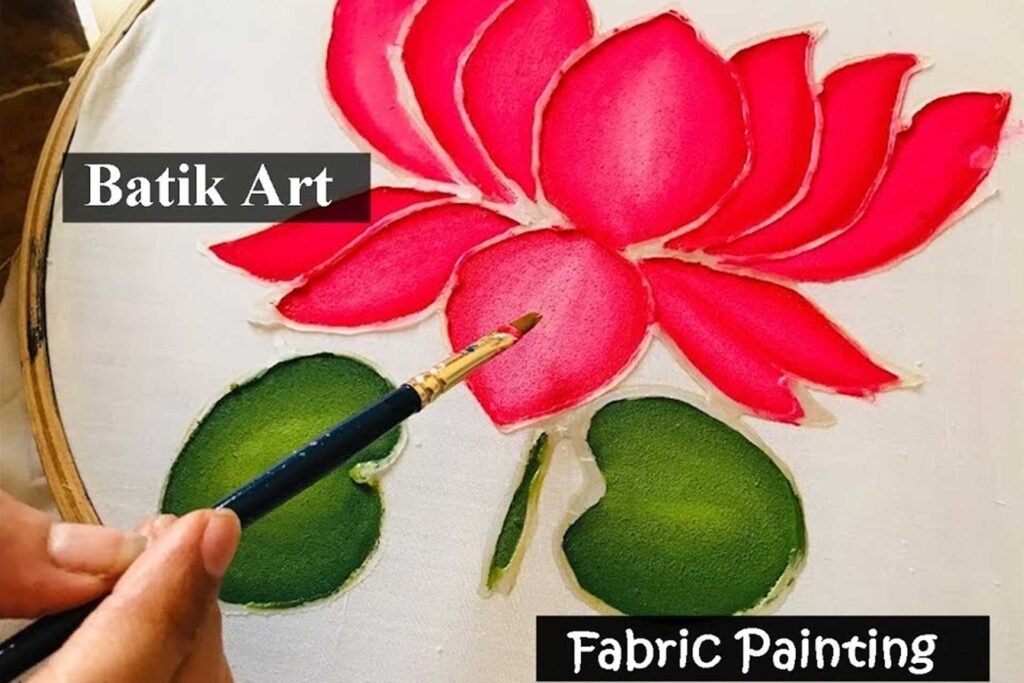
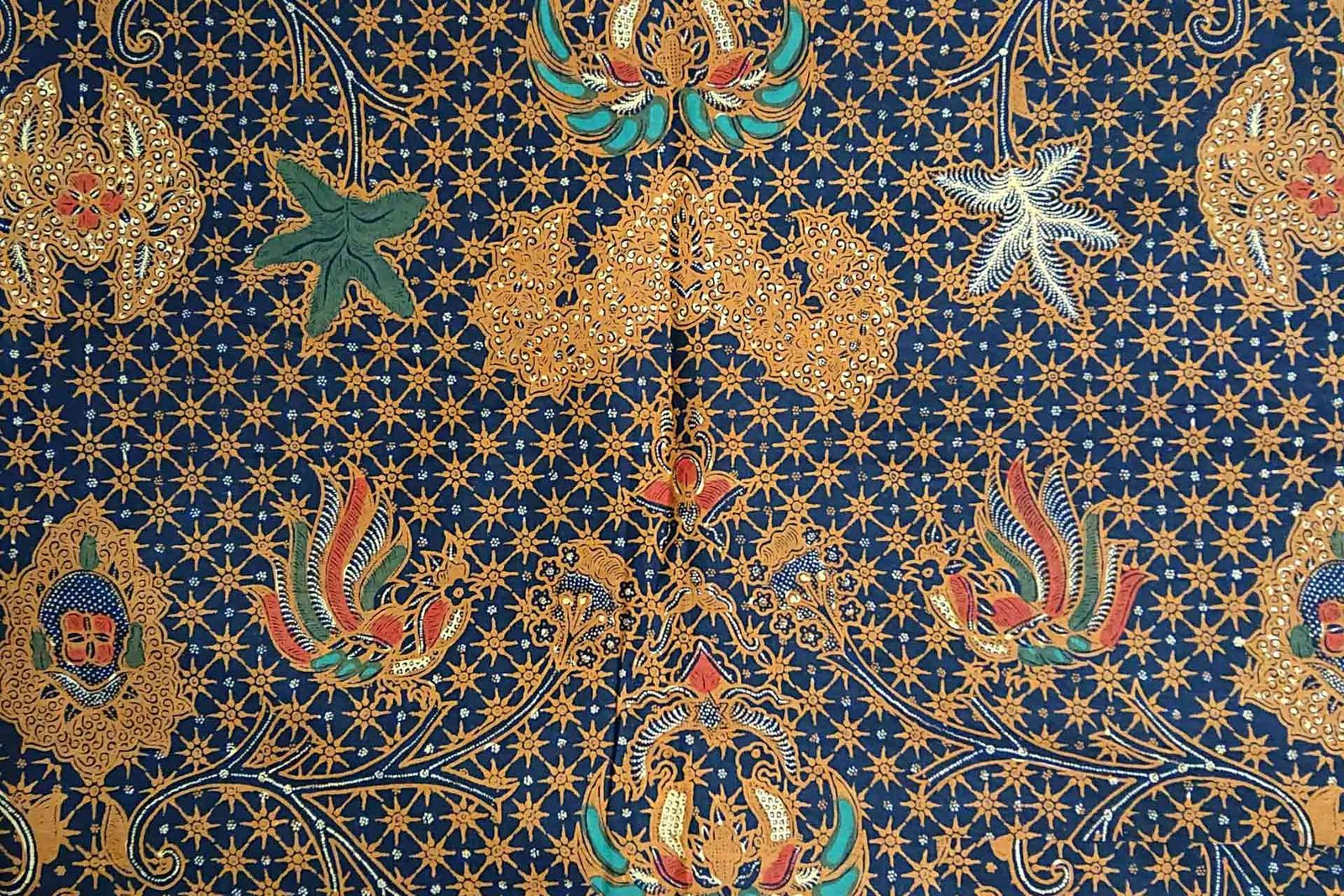
batik painting on fabric
What Is Batik Art?
Batik is a fabric dyeing method that uses wax as a resist to create patterns.
Basic principle:
- Apply wax to certain areas
- Dye the fabric
- Remove the wax
The wax prevents dye from penetrating, forming distinctive designs.
Best Fabrics for Batik (Most Important Step)
👉 Fabric choice is the #1 factor affecting your results
Most beginner guides ignore this—but it’s where most failures happen.
1. Cotton (Best for Beginners)
- Excellent dye absorption
- Easy to work with
- Affordable
✔ Recommended for:
- Practice
- DIY projects
2. Silk (Premium Batik Fabric)
- Smooth surface
- Vibrant colors
- High-end finish
✔ Used for:
- Scarves
- Fashion products
👉 Insight:
Silk produces more refined batik patterns but requires better technique.
3. Rayon (Budget Alternative)
- Good absorbency
- Lower cost than silk
⚠ But:
- Less stable than cotton
- Can deform during processing
4. Fabrics to Avoid
❌ Polyester
❌ Nylon
❌ Synthetic blends
👉 Why:
They do not absorb dye properly, leading to poor results.
Materials You Need
- Fabric (cotton or silk recommended)
- Wax (beeswax or paraffin blend)
- Dye (fiber-reactive or natural dye)
- Tjanting tool or brush
- Heat source
- Water container
Step-by-Step: How to Make Batik Art
Step 1: Prepare the Fabric
- Wash the fabric to remove chemicals
- Dry and iron it flat
👉 Pro tip:
Unwashed fabric can cause uneven dyeing.
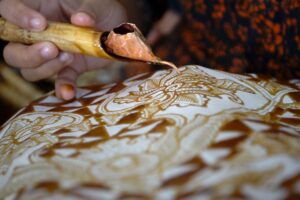
Tjantings
Step 2: Apply Wax
Use a tjanting tool or brush to draw patterns with melted wax.
- Keep wax temperature consistent
- Apply evenly
⚠ Too hot → spreads too much
⚠ Too cold → poor penetration
Step 3: Dye the Fabric
- Submerge fabric in dye
- Let it absorb evenly
👉 For deeper colors:
- Repeat dyeing process
Step 4: Dry and Set
- Air dry the fabric
- Avoid direct heat at this stage
Step 5: Remove the Wax
- Boil or iron the fabric to remove wax
- Reveal final pattern
Why Your Batik Results May Look Bad (Common Problems)
This is where most tutorials fail to help.
Problem 1: Uneven Dyeing
Cause:
- Fabric not pre-washed
- Poor dye penetration
Problem 2: Wax Cracks Too Much
Cause:
- Wax too brittle
- Fabric handled roughly
👉 Small cracks are normal—but too many ruin the design.
Problem 3: Blurry Patterns
Cause:
- Wax too hot
- Fabric too thin
Problem 4: Color Looks Dull
Cause:
- Low-quality dye
- Wrong fabric type
Cotton vs Silk vs Rayon for Batik
| Fabric | Ease of Use | Color Result | Cost | Best For |
|---|---|---|---|---|
| Cotton | Easy | Good | Low | Beginners |
| Silk | Medium | Excellent | High | Premium products |
| Rayon | Medium | Good | Medium | Budget projects |
👉 Recommendation:
- Beginners → cotton
- Premium designs → silk
Beginner Tips That Actually Make a Difference
1. Control Wax Temperature
This is more important than design skill.
2. Start with Simple Patterns
Complex designs increase failure rate.
3. Test Before Final Work
Always test on scrap fabric.
4. Use the Right Fabric Weight
- Too thin → hard to control
- Too thick → dye penetration issues
👉 Ideal range:
- Medium-weight cotton fabrics
Can Batik Be Used for Business?
Yes—but there are important considerations.
Handmade Batik
- Unique designs
- Higher value
- Slow production
Stamped or Printed Batik
- Faster production
- Lower cost
- Less uniqueness
👉 Key insight:
Scaling batik production requires balancing artistry and efficiency.
Final Thoughts
Batik is a beautiful and rewarding technique—but success depends heavily on:
- Choosing the right fabric
- Controlling wax and dye
- Avoiding common beginner mistakes
👉 Most problems come from wrong materials, not lack of skill.
Looking for Fabrics Suitable for Batik?
If you are sourcing cotton, silk, or rayon fabrics for batik projects or production, we can help.
We offer:
- High-quality dye-friendly fabrics
- Consistent supply for bulk orders
- Competitive pricing for global buyers
Contact us today to request samples or get fabric recommendations for your batik projects.