When shopping for luxury fabrics, many buyers encounter terms like real silk, synthetic silk, polyester silk, and faux silk. At first glance, these materials can look very similar. However, their quality, price, durability, and comfort can vary significantly.
For clothing brands, fabric buyers, and textile importers, understanding the difference between real silk and synthetic silk is essential for choosing the right material and ensuring product quality.
In this guide, we’ll explain what real silk is, what synthetic silk means, how polyester silk and faux silk are made, and the easiest ways to tell the difference.
What Is Real Silk?
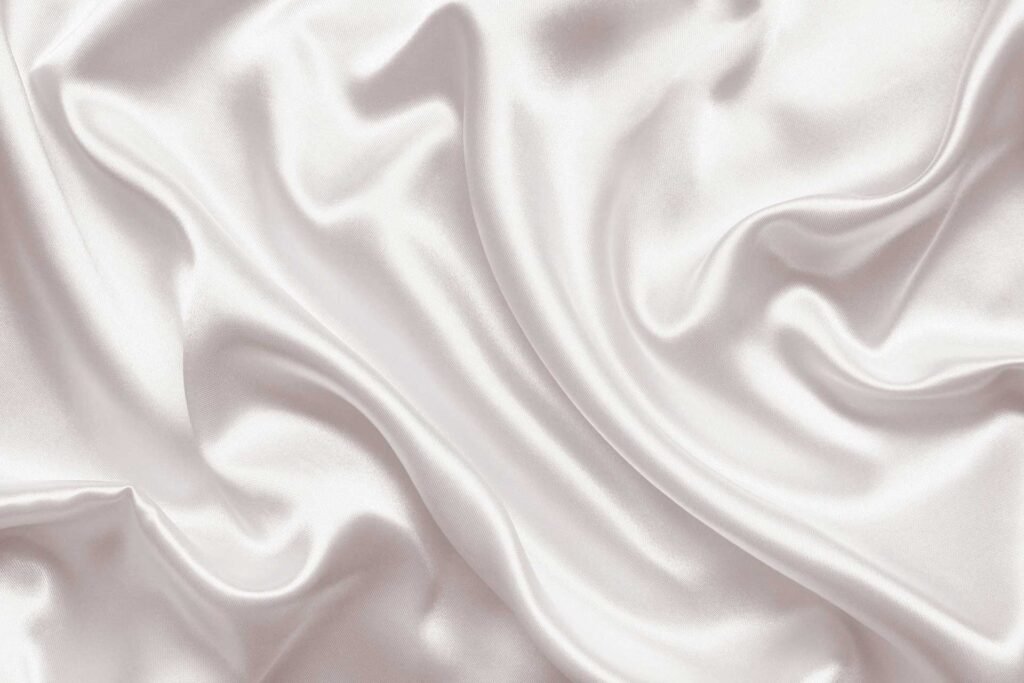
real silk
Real silk is a natural fiber produced by silkworms, primarily from the cocoon of the Bombyx mori silkworm. It has been used for thousands of years and is considered one of the most luxurious fabrics in the world.
Real silk fibers are made of natural proteins, which give the fabric unique properties.
Key characteristics of real silk include:
-
Natural smooth and soft texture
-
Subtle, elegant shine
-
Lightweight yet strong
-
Breathable and temperature-regulating
-
Hypoallergenic and skin-friendly
Because of these qualities, real silk is commonly used in luxury garments, scarves, bedding, and premium fashion products.
What Is Synthetic Silk?
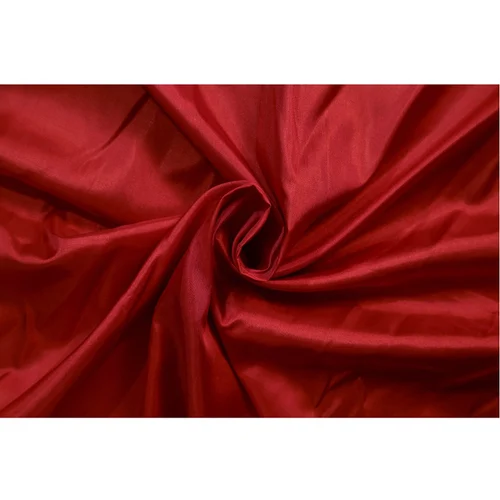
Synthetic Silk
Synthetic silk refers to man-made fabrics designed to imitate the look and feel of real silk. These fabrics are usually made from synthetic fibers such as polyester, nylon, or rayon.
Manufacturers produce synthetic silk to achieve a silk-like appearance at a lower cost.
Common types of synthetic silk include:
-
Polyester silk
-
Rayon silk
-
Nylon silk
-
Blended imitation silk fabrics
While synthetic silk can look similar to natural silk, it usually does not offer the same breathability, softness, or durability.
What Is Faux Silk?
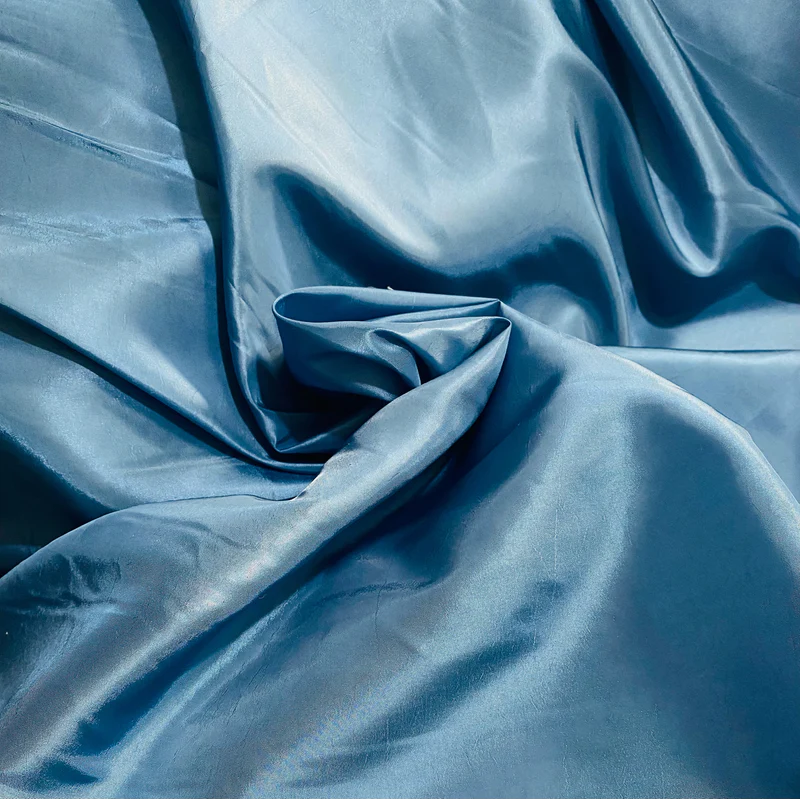
Faux Silk
Faux silk is another term for imitation silk. It refers to fabrics that mimic the appearance of silk but are made from artificial fibers.
Faux silk fabrics are widely used in:
-
Affordable fashion garments
-
Decorative fabrics
-
Curtains and upholstery
-
Cost-effective accessories
Although faux silk is less expensive than real silk, it often lacks the natural comfort and premium feel of genuine silk fabric.
What Is Polyester Silk?
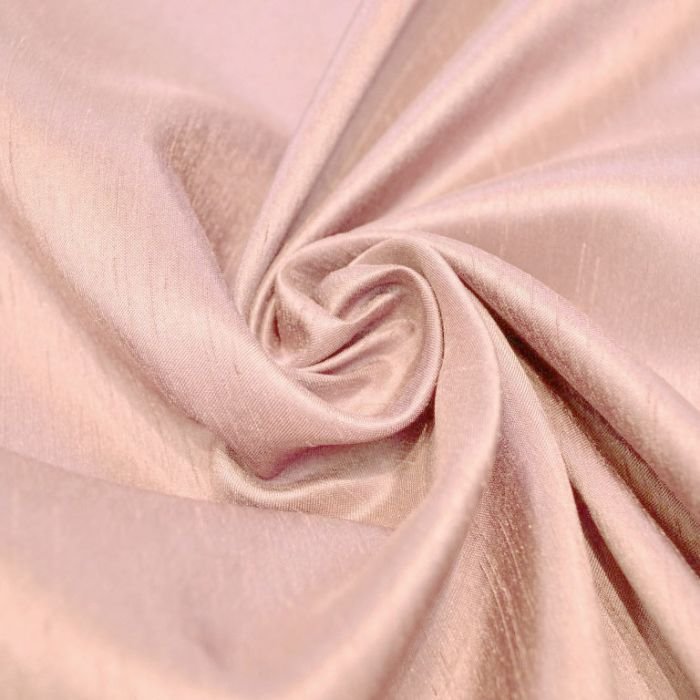
polyester silk
Polyester silk is a type of synthetic silk made from polyester fibers but woven to resemble the texture and sheen of silk.
Polyester silk fabrics are commonly used because they are:
-
Affordable
-
Durable
-
Wrinkle-resistant
-
Easy to maintain
However, compared with real silk, polyester silk typically has:
-
Less breathability
-
A more artificial shine
-
Lower softness
For high-end fashion or luxury textiles, real silk is usually preferred.
Real Silk vs Synthetic Silk: Key Differences
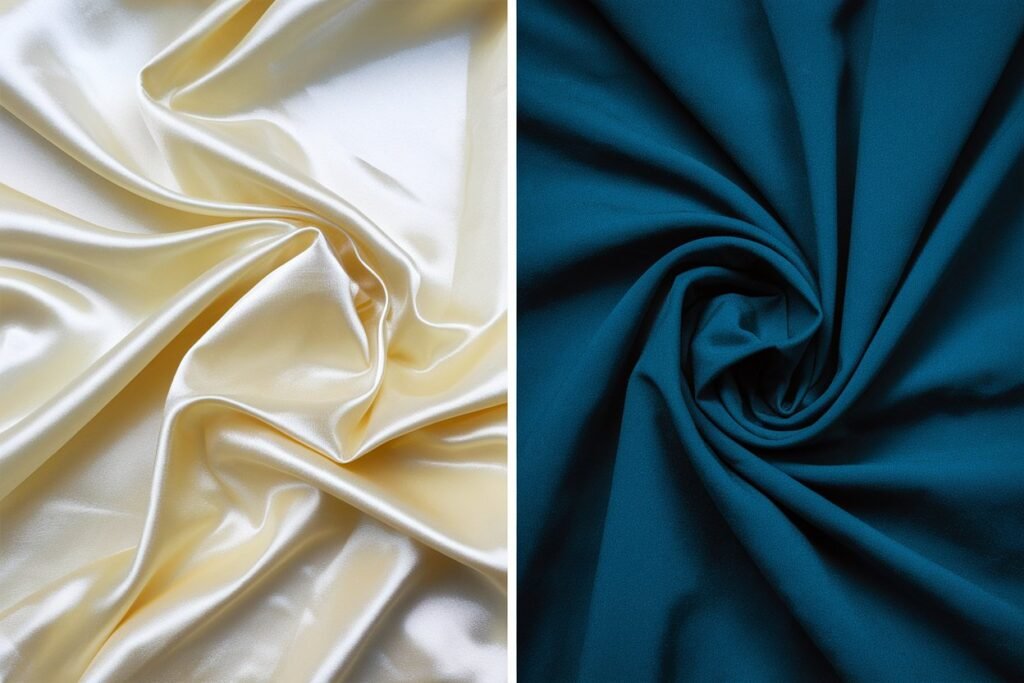
Real Silk vs Synthetic Silk
Understanding the differences between real silk and synthetic silk helps buyers choose the right material.
| Feature | Real Silk | Synthetic Silk |
|---|---|---|
| Fiber Source | Natural (silkworm cocoons) | Man-made fibers |
| Texture | Very soft and smooth | Often slightly stiff |
| Shine | Soft natural luster | Often shinier or artificial |
| Breathability | Excellent | Limited |
| Price | Higher | Lower |
| Durability | Strong but delicate | Usually more resistant to wear |
While synthetic fabrics may be more affordable, real silk offers superior comfort, elegance, and natural performance.
How to Tell Real Silk From Synthetic Silk
If you're unsure whether a fabric is real silk or synthetic silk, several simple tests can help identify it.
1. The Touch Test
Real silk feels smooth, soft, and slightly warm to the touch.
Synthetic silk often feels:
-
Slightly plastic-like
-
Cooler or slippery
2. The Shine Test
Real silk has a subtle natural luster that changes color depending on how light hits the fabric.
Synthetic silk usually has a uniform, overly shiny surface.
3. The Wrinkle Test
Gently squeeze the fabric in your hand.
-
Real silk wrinkles easily but relaxes afterward.
-
Synthetic silk resists wrinkling and returns quickly to its original shape.
4. The Burn Test (Professional Use Only)
A small burn test can reveal fiber composition.
-
Real silk smells like burning hair and produces soft ash.
-
Synthetic silk smells like burning plastic and forms hard residue.
This test should only be done carefully and in controlled environments.
5. The Price Indicator
In most cases, real silk is significantly more expensive than synthetic silk.
If a product labeled as silk is unusually cheap, it may actually be polyester silk or faux silk.
When to Choose Real Silk
Real silk is the preferred material for:
-
Luxury fashion garments
-
High-end dresses and blouses
-
Premium bedding
-
Scarves and accessories
-
Designer collections
Brands that focus on quality and luxury positioning often choose real silk for its authenticity and comfort.
When Synthetic Silk May Be Suitable
Synthetic silk can be useful for:
-
Budget-friendly clothing lines
-
Decorative fabrics
-
Large-scale fashion production
-
Easy-care garments
Although it cannot fully replicate natural silk, it provides a cost-effective alternative.
Why Fabric Buyers Should Understand the Difference
For clothing manufacturers, importers, and designers, choosing between real silk and synthetic silk affects:
-
Product quality
-
Customer satisfaction
-
Brand reputation
-
Pricing strategy
Understanding these differences helps buyers source the right materials for their target market.
Real Silk in the Global Textile Market
Despite the availability of synthetic alternatives, real silk remains one of the most sought-after luxury textiles worldwide.
Fashion brands and textile buyers continue to value silk for its:
-
Natural elegance
-
Comfort and breathability
-
Premium market positioning
This is why many designers and fabric importers still prioritize authentic silk materials.
Conclusion
The difference between real silk and synthetic silk goes beyond appearance. While polyester silk and faux silk can mimic the look of silk, they cannot fully replicate the natural softness, breathability, and elegance of genuine silk.
For fashion brands and textile buyers seeking premium fabrics and long-lasting quality, real silk remains the superior choice.
Understanding how to identify silk and evaluate fabric quality helps ensure better purchasing decisions and higher-quality products.
Looking for a Reliable Real Silk Fabric Supplier?
If you are sourcing real silk fabrics for fashion brands, garment production, or textile distribution, we can help.
Our company specializes in exporting high-quality silk fabrics to global markets, offering stable supply, competitive pricing, and strict quality control.
Contact us today to request fabric samples or learn more about our real silk fabric collections for your next project.