Choosing the right fabric can make or break a garment or textile project. Three popular materials—twill, poplin, and tweed—are widely used in fashion and tailoring, but they differ greatly in texture, weight, breathability, and ideal applications.
If you’re deciding between cotton poplin vs twill, or wondering what poplin fabric or tweed fabric is best for, this guide compares their characteristics to help you choose the right material for your next project.
What Is Poplin Fabric?
what is poplin
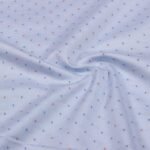
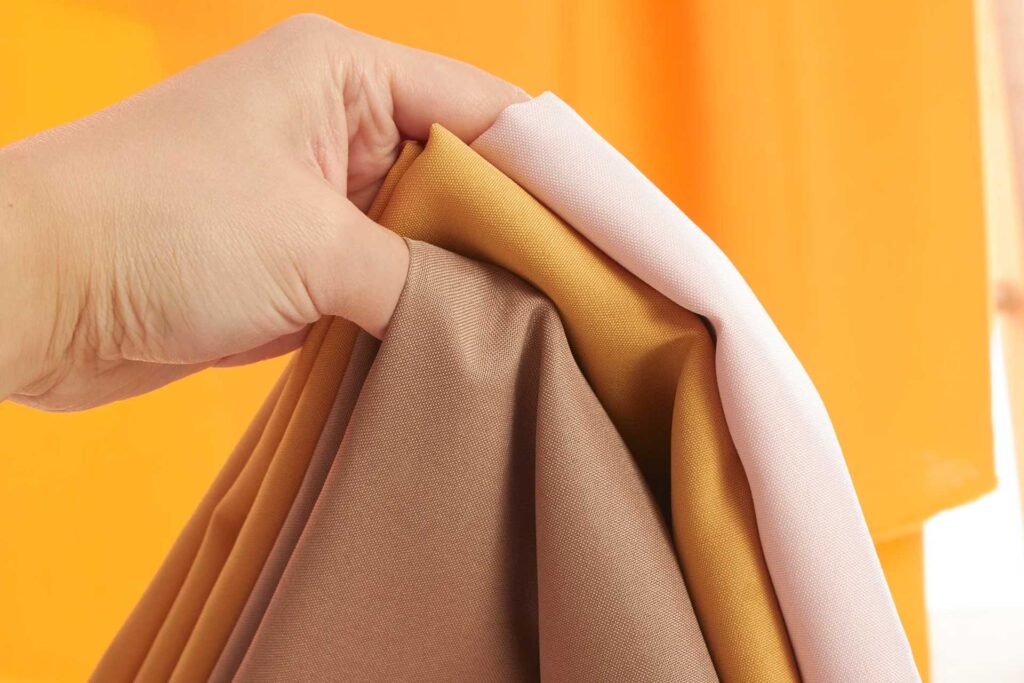
Poplin is a plain-weave fabric known for its smooth surface and lightweight feel.
The fabric is typically made from cotton or cotton blends, with a fine horizontal rib that gives it a subtle texture while maintaining a crisp appearance.
Key characteristics of poplin
-
lightweight and breathable
-
smooth and flat surface
-
crisp appearance
-
comfortable for warm weather
Because of these qualities, poplin is widely used for summer shirts and lightweight garments.
Common uses
-
dress shirts
-
summer dresses
-
lightweight uniforms
-
bedding
Poplin fabrics are ideal when you want comfort, breathability, and a clean professional look.
What Is Twill Fabric?
What Is Twill Fabric
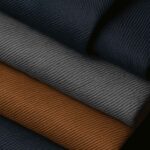
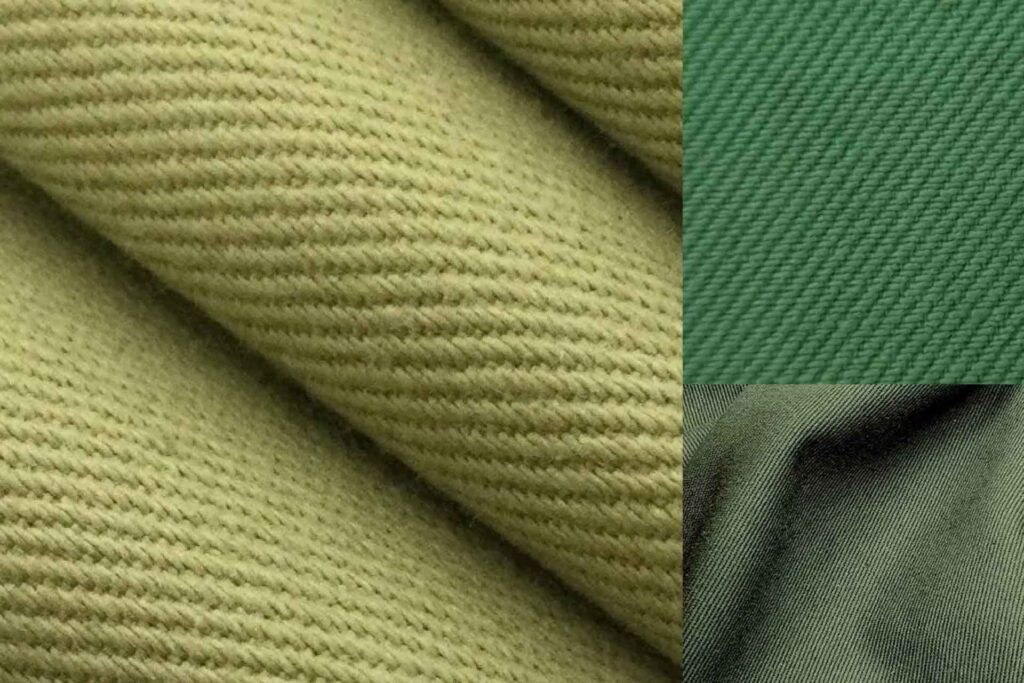
Twill fabric is defined by its distinct diagonal rib pattern, created by a specialized weaving technique.
Compared with plain weave fabrics like poplin, twill fabrics are typically stronger and more durable.
Key characteristics of twill
-
visible diagonal texture
-
strong and durable structure
-
wrinkle resistant
-
hides stains well
Common uses
-
jeans (denim)
-
chinos and trousers
-
jackets and workwear
-
uniforms
Because of its durability, twill fabric is often chosen for garments that need to withstand frequent wear.
What Is Tweed Fabric?
What Is Tweed Fabric
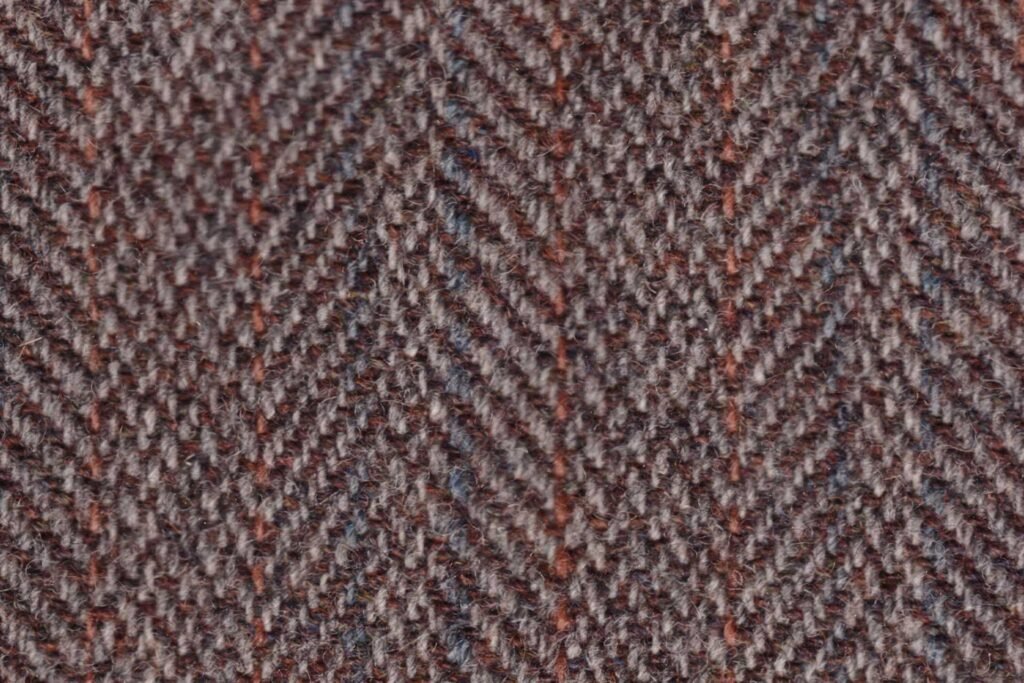
Tweed is a heavy wool fabric with a rough, textured appearance, traditionally associated with British tailoring and heritage fashion.
It is often woven using twill or complex weave patterns, giving it both strength and distinctive visual texture.
Key characteristics of tweed
-
thick and warm
-
coarse texture
-
excellent insulation
-
durable wool structure
Common uses
-
blazers and jackets
-
winter coats
-
suits
-
outerwear
Tweed fabrics are ideal for cold-weather clothing and classic tailoring.
Twill vs Poplin vs Tweed: Fabric Comparison
Here is a quick comparison to help buyers and designers understand the key differences.
| Feature | Poplin | Twill | Tweed |
|---|---|---|---|
| Weave Type | Plain weave | Twill weave | Usually twill or complex weave |
| Weight | Lightweight | Medium weight | Heavy |
| Texture | Smooth and flat | Diagonal rib pattern | Rough and textured |
| Breathability | High | Moderate | Lower |
| Wrinkle Resistance | Moderate | Good | Good |
| Warmth | Low | Medium | High |
| Best Uses | Shirts, summer clothing | Pants, jackets | Winter coats, blazers |
Cotton Poplin vs Twill: Which Should You Choose?
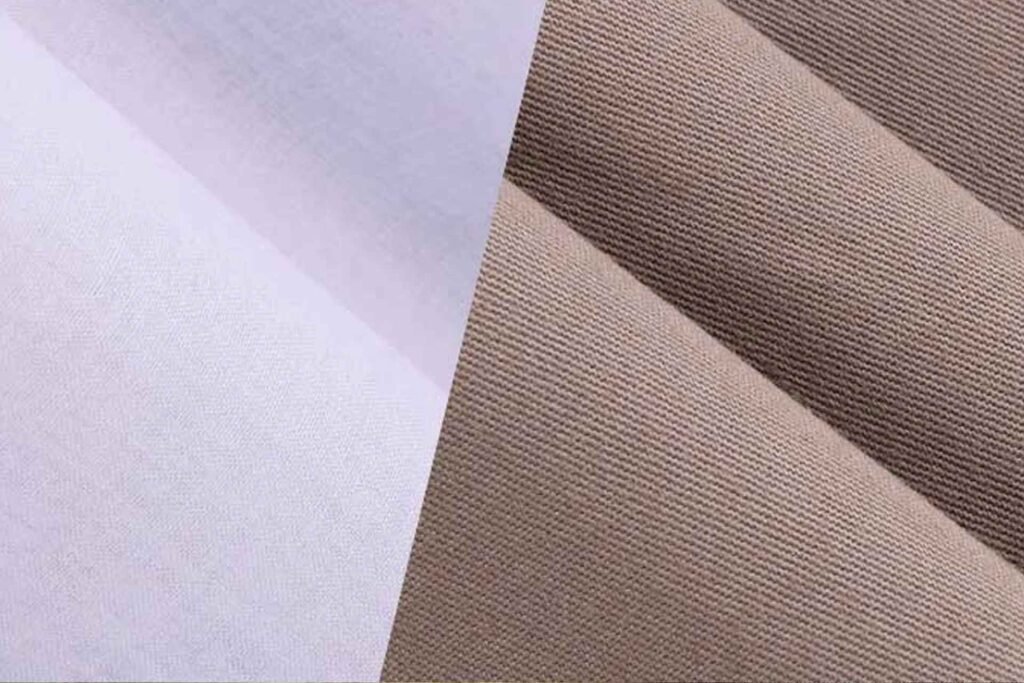
poplin vs twill
When comparing cotton poplin vs twill, the best choice depends on your garment’s purpose.
Choose poplin if you need:
-
lightweight breathable fabric
-
smooth professional appearance
-
summer clothing or shirts
Choose twill if you need:
-
durable fabric for everyday wear
-
wrinkle resistance
-
structured garments like pants or jackets
For example:
-
Dress shirts → Poplin
-
Chinos and trousers → Twill
Twill vs Tweed: Quick Decision Guide
Choose Twill if you want:
- A smoother, lighter fabric
- More flexibility and drape
- Everyday clothing like shirts, trousers, uniforms
Choose Tweed if you want:
- A thicker, warmer fabric
- More texture and structure
- Winter coats, jackets, vintage-style clothing
| Feature | Twill | Tweed |
|---|---|---|
| Texture | Smooth | Rough & textured |
| Weight | Lightweight | Heavy |
| Warmth | Low | High |
| Best use | Shirts, pants | Coats, jackets |
When to Choose Tweed Instead
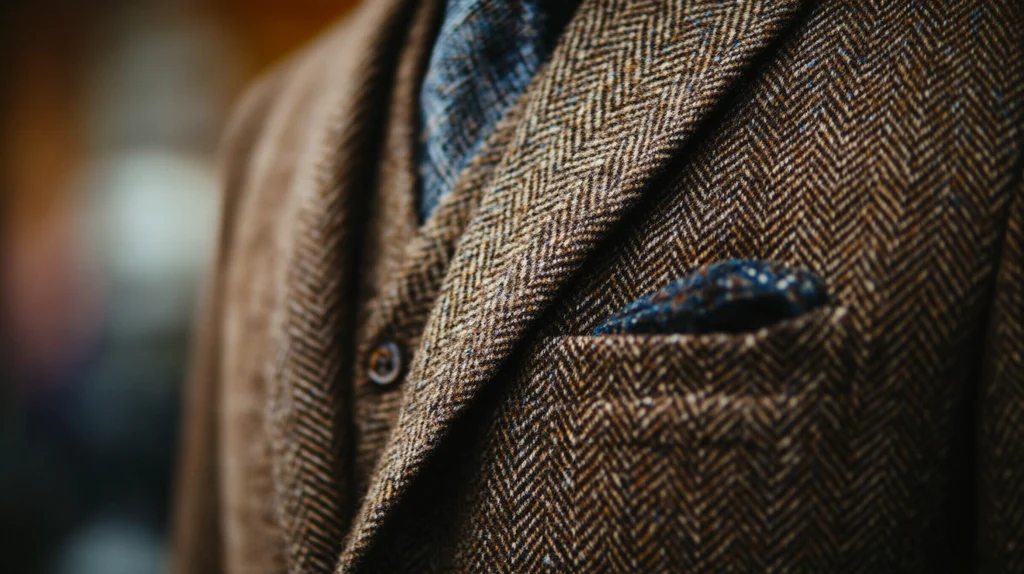
Tweed fabrics add structure, warmth, and timeless style
Tweed is typically chosen when warmth and texture are more important than lightweight comfort.
Best projects for tweed
-
winter jackets
-
tailored blazers
-
coats
-
heritage fashion pieces
Tweed fabrics add structure, warmth, and timeless style, making them a favorite in classic menswear and luxury tailoring.
How to Choose the Right Fabric for Your Project
When selecting between twill, poplin, and tweed, consider three key factors.
1. Climate and season
-
warm climates → poplin
-
all-season wear → twill
-
cold weather → tweed
2. Garment structure
-
lightweight garments → poplin
-
structured everyday clothing → twill
-
outerwear → tweed
3. Desired aesthetic
-
clean and smooth → poplin
-
durable and practical → twill
-
textured and classic → tweed
Understanding these differences helps ensure the fabric matches both function and design goals.
Final Thoughts
Each of these fabrics serves a unique purpose in textile design.
-
Poplin is lightweight, breathable, and ideal for shirts.
-
Twill is durable and versatile, making it perfect for pants and jackets.
-
Tweed is thick, warm, and best suited for outerwear and classic tailoring.
By comparing twill vs poplin vs tweed, designers and buyers can select fabrics that provide the right balance of comfort, durability, and style for their projects.
FAQ: Twill vs Tweed Fabric
1. Is twill stronger than tweed?
Twill is generally not stronger than tweed in terms of thickness and durability. Twill has a tighter weave and better flexibility, while tweed is heavier and more robust, making it more resistant to cold weather and rough use. The “stronger” fabric depends on the purpose: twill performs better for everyday wear, while tweed is stronger for heavy outerwear.
2. What is tweed fabric used for?
Tweed is commonly used for jackets, coats, suits, and winter clothing. Its thick and textured structure makes it ideal for cold climates. It is also popular in vintage-style fashion and traditional tailoring due to its classic and rugged appearance.
3. Can twill be used for winter clothing?
Twill can be used for light winter clothing, but it is not as warm as tweed. It works well for layering garments, trousers, shirts, and lightweight jackets. For colder weather, twill is usually combined with lining or other insulating materials.
4. Which fabric is more expensive, twill or tweed?
The price depends on fiber quality and production method, but tweed is often more expensive than basic twill. This is because tweed typically uses thicker wool fibers and a more complex weaving process, especially in traditional or high-end versions.
5. What is the main difference between twill and tweed?
The main difference is in texture and weight. Twill is smoother, lighter, and more flexible, while tweed is heavier, rougher, and warmer. Twill is more suitable for everyday clothing, while tweed is designed for warmth and structure.