When it comes to cleaning, drying, and polishing surfaces, two fabrics dominate the conversation: terry cloth and microfiber. Both materials are widely used in car detailing, household cleaning, and polishing applications, but they perform differently depending on the task.
If you’re wondering whether a terry cloth towel for cars is better than microfiber—or when to use microfiber vs terry cloth for polishing—this guide explains the key differences in absorbency, cleaning power, and surface safety.
What Is Terry Cloth?
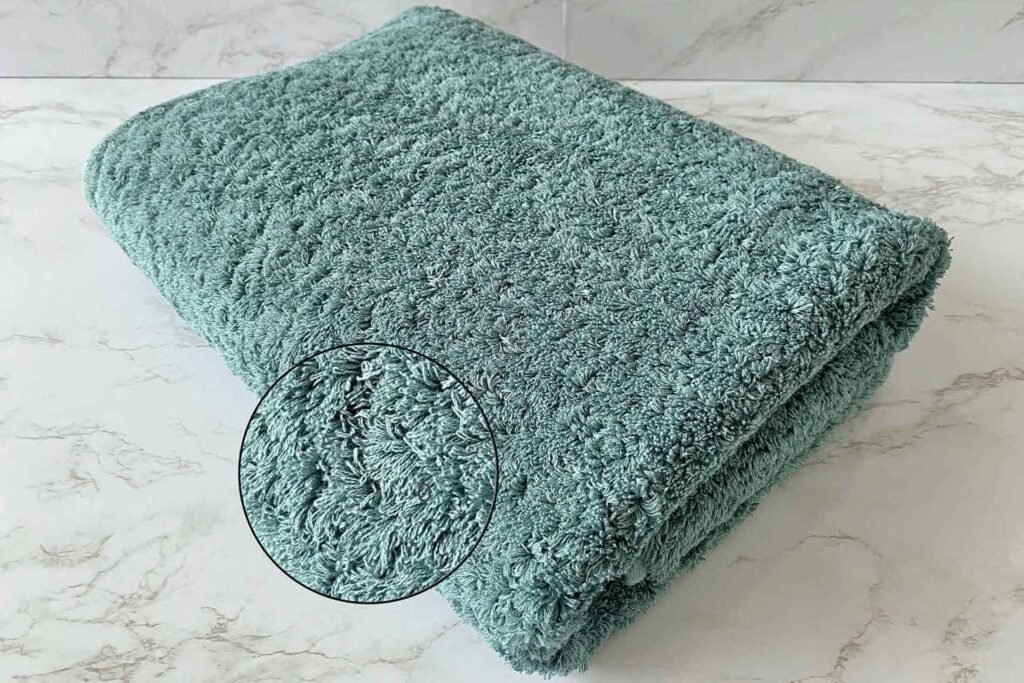
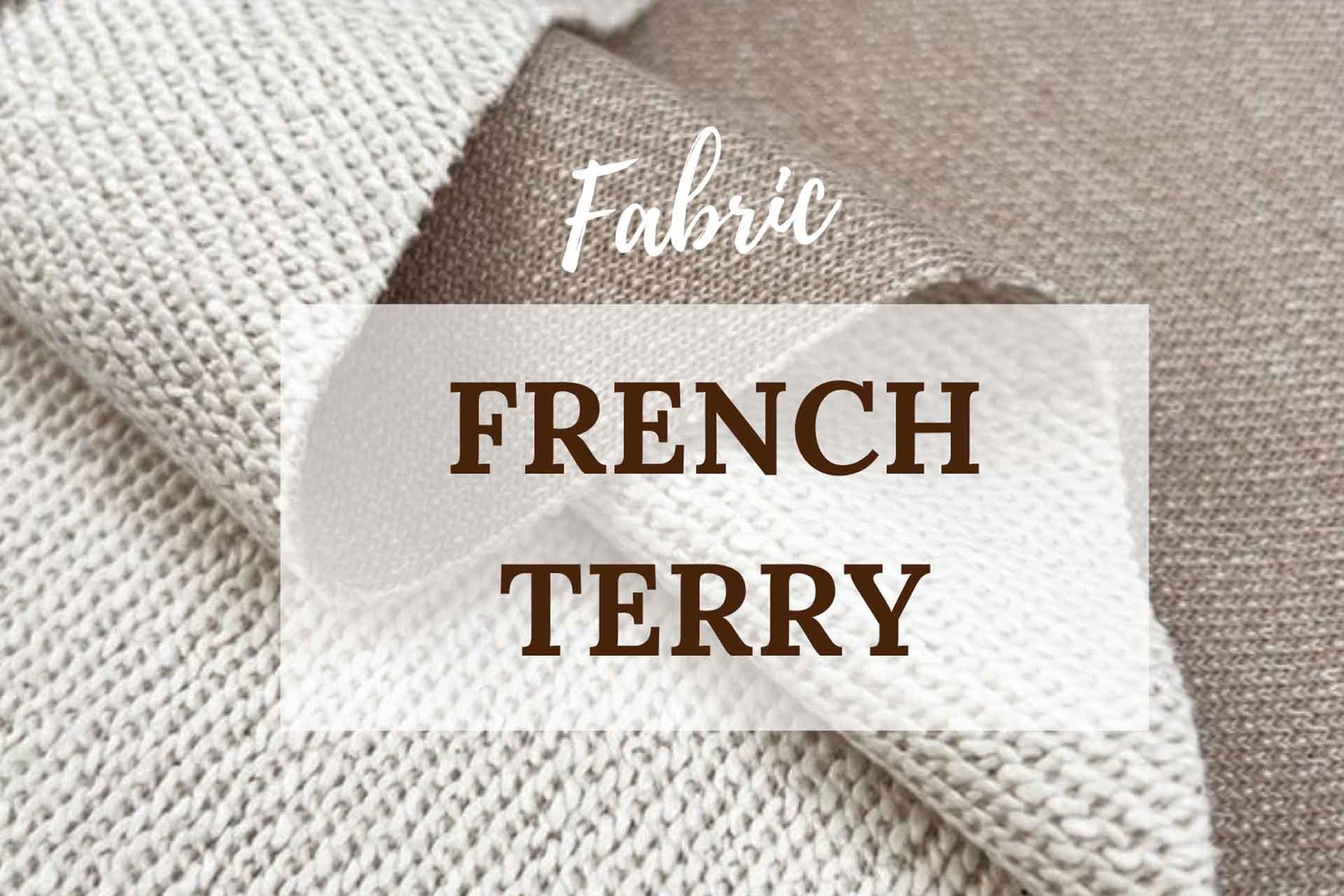
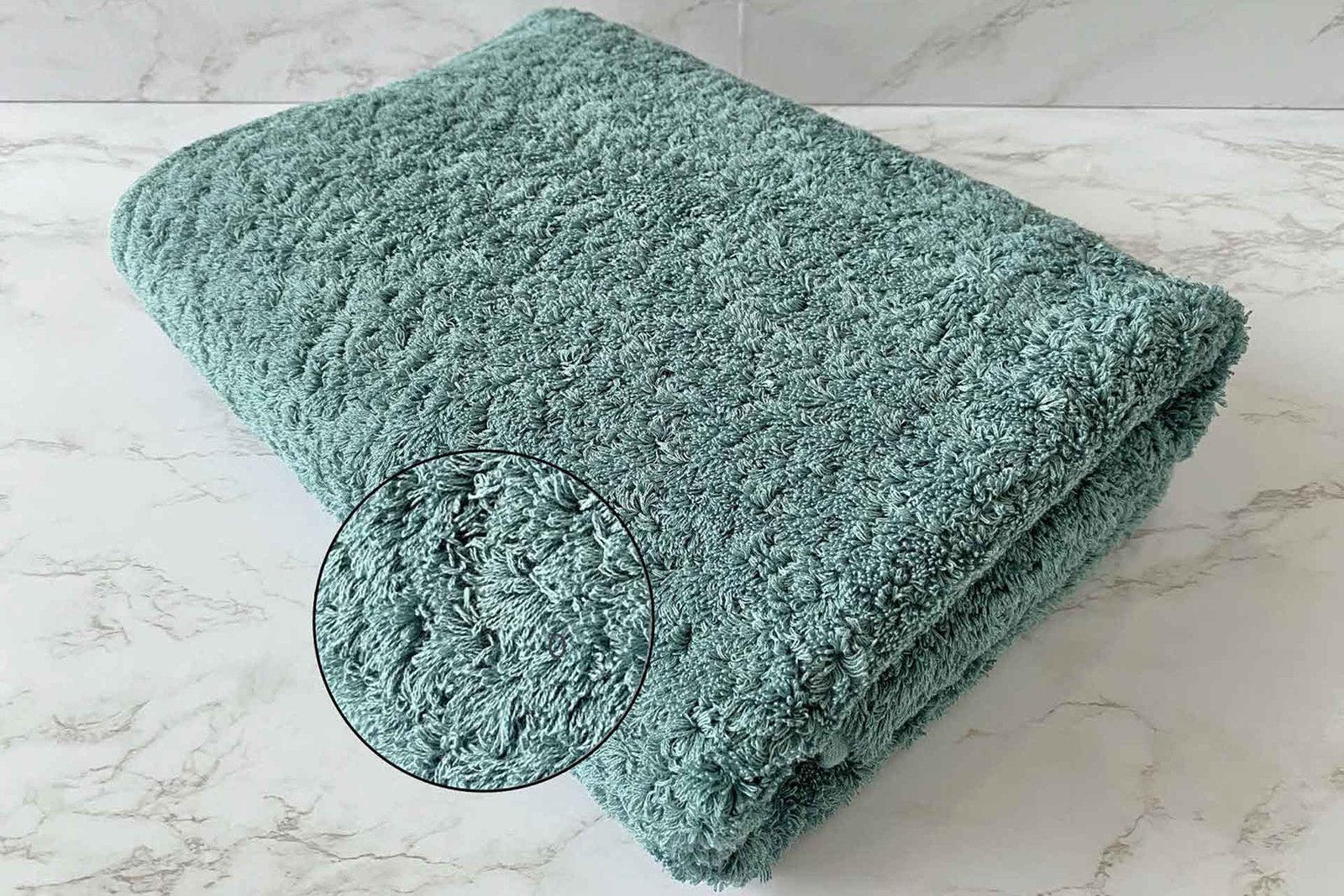
Terry cloth is a cotton-based fabric with looped fibers on the surface, known as a loop-pile structure. These loops dramatically increase the surface area of the fabric, allowing it to absorb large amounts of water.
Key features of terry cloth
-
Loop pile texture on the surface
-
Excellent water absorption
-
Durable cotton construction
-
Soft but slightly textured feel
Because of its absorbency, terry cloth is commonly used for:
-
bath towels
-
cleaning towels
-
car drying towels
In automotive care, a terry cloth towel for cars can quickly remove large amounts of water after washing.
What Is Microfiber?
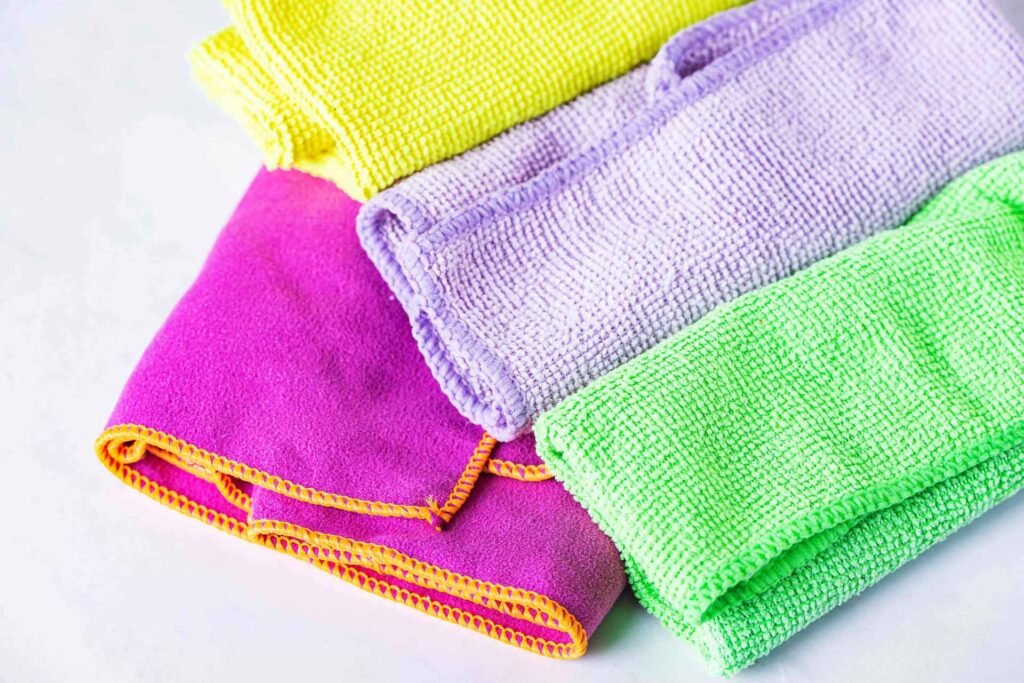
Microfiber
Microfiber is a synthetic fabric made from extremely fine fibers—usually polyester and polyamide—that are much thinner than human hair.
Unlike terry cloth loops, microfiber fibers are split into microscopic strands that can trap dirt, dust, and grease.
Key features of microfiber
-
Ultra-fine synthetic fibers
-
Excellent dirt and oil removal
-
Non-abrasive surface
-
Highly effective polishing capability
Because of these properties, microfiber is widely used in:
-
car detailing
-
glass cleaning
-
electronics cleaning
-
dusting and polishing
Microfiber excels at lifting contaminants rather than just absorbing water.
Terry Cloth vs Microfiber: Key Differences
The biggest difference between these fabrics is how they interact with water and dirt.
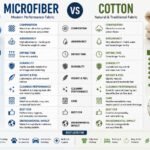
| Feature | Terry Cloth | Microfiber |
|---|---|---|
| Fiber Structure | Loop pile cotton | Ultra-fine synthetic fibers |
| Water Absorption | Very high | High |
| Dirt Removal | Moderate | Excellent |
| Polishing Ability | Moderate | Excellent |
| Lint Production | Moderate | Low |
| Surface Safety | Safe but textured | Very gentle |
In simple terms:
-
Terry cloth absorbs water well
-
Microfiber removes dirt and polishes surfaces better
Terry Cloth for Car Drying
One of the best uses for terry cloth is drying large wet surfaces.
Because the loop fibers hold significant moisture, terry cloth towels can quickly absorb water from:
-
freshly washed cars
-
countertops
-
bathroom surfaces
Advantages for car drying
✔ absorbs large volumes of water
✔ durable cotton construction
✔ effective for initial drying
However, the looped surface can sometimes leave lint or light streaks, which is why many detailers follow up with microfiber.
Microfiber for Polishing and Detailing
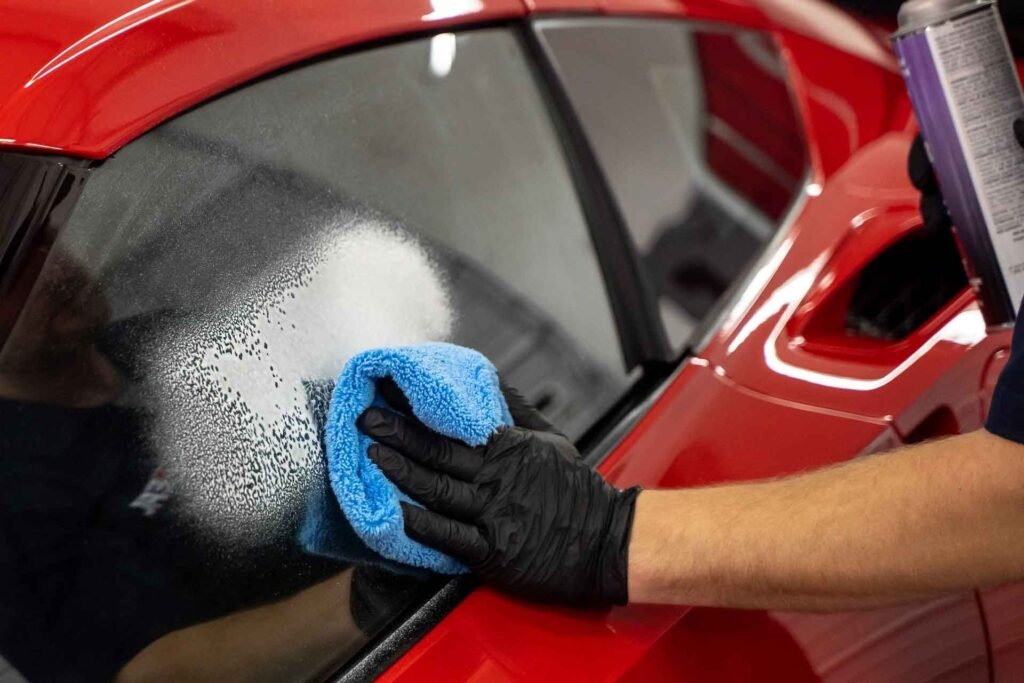
icrofiber for Polishing and Detailing
When it comes to polishing surfaces and removing residue, microfiber is usually the superior option.
Why microfiber works better for polishing
The ultra-fine fibers:
-
trap dust and particles
-
remove wax residue
-
reduce streaking
This makes microfiber ideal for:
-
polishing car paint
-
cleaning glass
-
wiping electronic screens
Many professional detailers use microfiber vs terry cloth for polishing because microfiber is less likely to leave scratches or lint.
Best Uses for Each Fabric
To get the best results, many professionals actually use both fabrics together.
Use terry cloth for
-
drying cars after washing
-
absorbing spills
-
heavy water removal
-
general cleaning
Use microfiber for
-
polishing paint and chrome
-
glass cleaning
-
dust removal
-
final detailing
Using the right fabric for the right task improves both cleaning efficiency and surface protection.
Final Thoughts
Both terry cloth and microfiber play important roles in cleaning and detailing.
-
Terry cloth excels at absorbing large amounts of water, making it ideal for drying tasks.
-
Microfiber performs better for polishing, dust removal, and fine cleaning because its ultra-fine fibers trap dirt effectively.
For automotive care and household cleaning, the best approach is often to use terry cloth for drying and microfiber for finishing and polishing.
✅ Quick Comparison
-
Terry cloth: best for drying and water absorption
-
Microfiber: best for polishing and dirt removal
-
Best method: use both fabrics together for optimal cleaning results
Understanding the strengths of each material helps you choose the right fabric for cleaning, polishing, and drying tasks.