Batik is more than just fabric—it's a living tradition that carries centuries of history, artistry, and cultural identity. Across Southeast Asia, batik patterns and techniques vary widely, reflecting local histories, beliefs, and aesthetics. In this guide, we explore the unique characteristics of Indonesian batik, Malaysian batik, and minority styles like Hmong batik, helping enthusiasts and collectors understand what makes each style distinctive.
Indonesian Batik: A Deep Cultural Heritage

javanese batik
Javanese Batik: Elegance and Symbolism
Javanese batik is perhaps the most famous form of Indonesian batik, recognized by UNESCO as an Intangible Cultural Heritage. Originating from the island of Java, it is characterized by its intricate, symmetrical patterns and subdued color palette, often dominated by earthy tones like brown, indigo, and black.
-
Techniques: Javanese batik is traditionally made using the canting tool, which allows artisans to draw wax patterns by hand on the fabric.
-
Meaning: Each motif carries symbolic meaning, representing social status, philosophy, or nature. For example, the Parang pattern symbolizes courage and resilience.
-
Usage: Historically worn by royalty and during special ceremonies, Javanese batik remains a mark of elegance and sophistication.
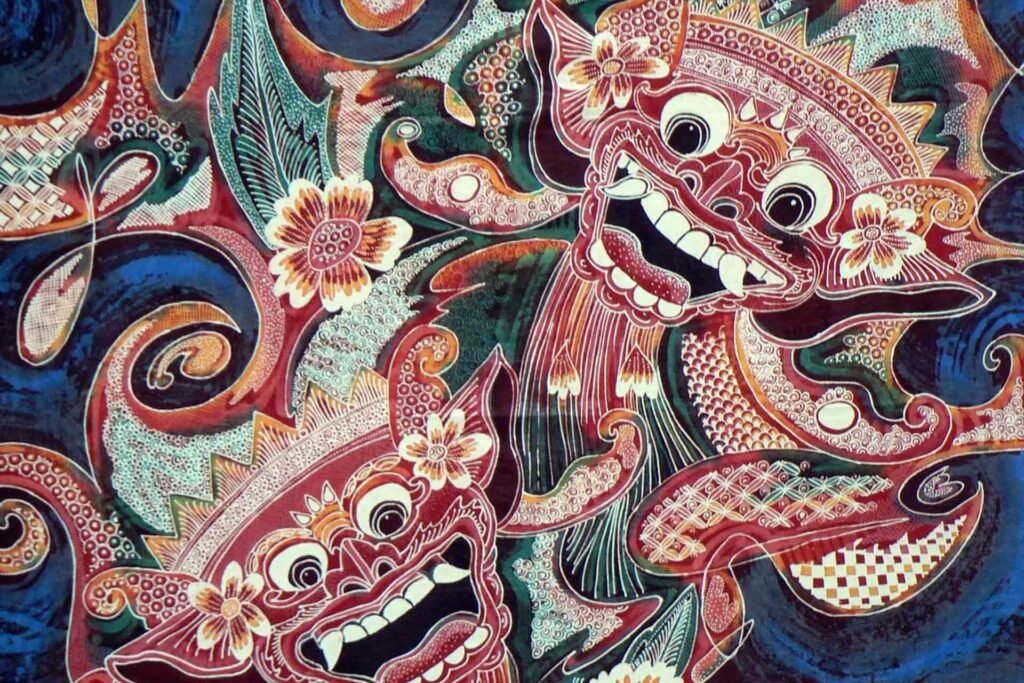
Bali Batik
Bali Batik: Vibrancy Meets Spirituality
In contrast, Bali batik often features brighter colors and more playful motifs, inspired by local flora, fauna, and Hindu mythology. Balinese artisans emphasize fluid designs with a more painterly approach, reflecting the island’s artistic and spiritual vibrancy.
-
Style: Compared to Javanese batik, Bali batik tends to be less rigid in pattern repetition, embracing organic and flowing designs.
-
Cultural Role: Used in traditional ceremonies, clothing, and even modern home decor, Bali batik celebrates both cultural heritage and creative expression.
Malaysian Batik: Colorful and Floral
Malaysian batik
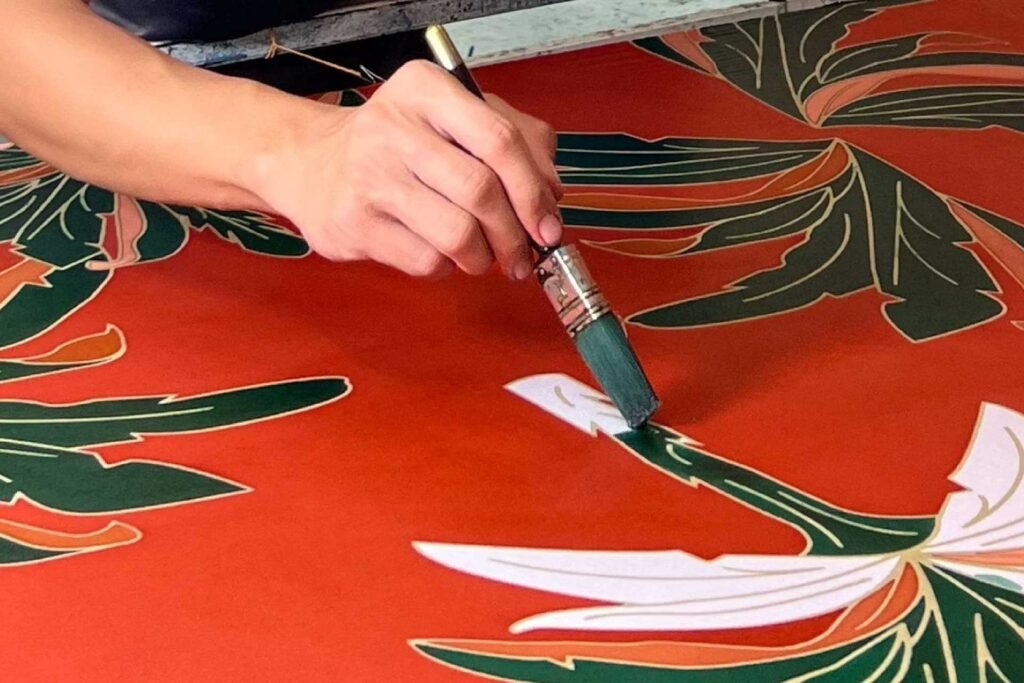
Malaysian batik, also known as batik of Malaysia, showcases a markedly different aesthetic. Unlike the subtle elegance of Indonesian styles, Malaysian batik is famous for its vivid colors, bold floral motifs, and large-scale patterns.
-
Techniques: Malaysian artisans often use brush painting rather than canting, allowing for softer gradients and more spontaneous designs.
-
Themes: Tropical flowers, leaves, and abstract motifs dominate, reflecting Malaysia’s rich biodiversity.
-
Application: From fashion to interior design, Malaysian batik adds a lively, modern touch to traditional craftsmanship.
Hmong Batik: A Minority Tradition
Hmong batik
Among Southeast Asia’s diverse cultures, Hmong batik—originating from the Hmong ethnic group—is a fascinating and lesser-known style.
-
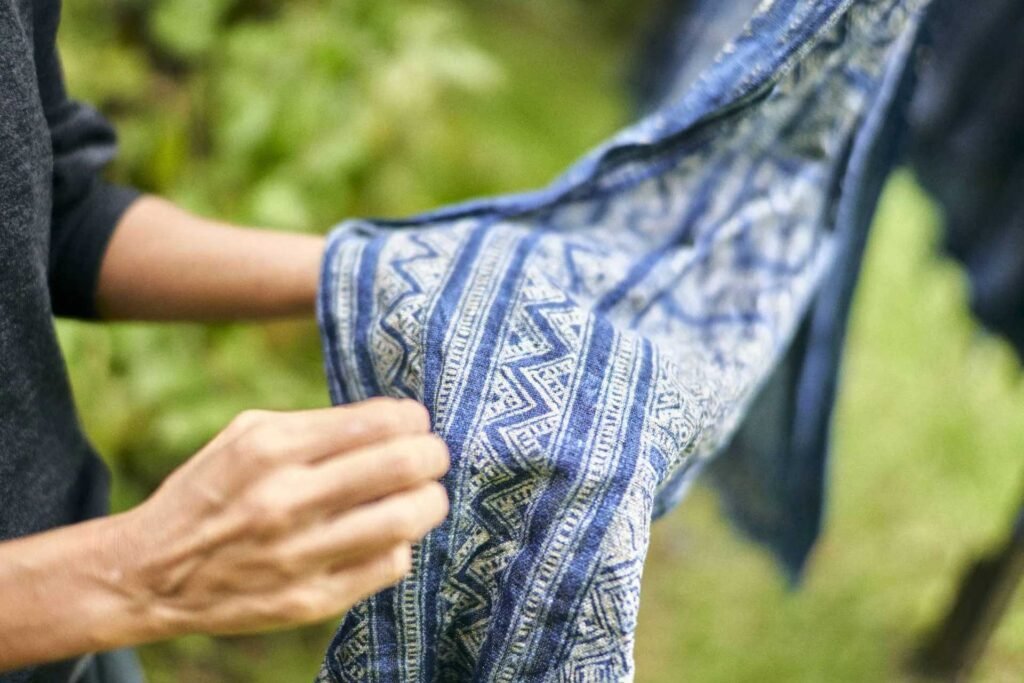
Characteristics: Typically features geometric, repetitive motifs in striking contrasts, often with deep indigo backgrounds and white patterns.
-
Cultural Significance: Hmong batik is used in ceremonial garments and textiles, preserving the heritage of a minority community while appealing to collectors seeking unique, culturally rich pieces.
Batik Day: Celebrating a Living Heritage
To honor this vibrant tradition, Indonesia celebrates Batik Day every October 2nd. The day promotes awareness of batik’s cultural significance and encourages people to wear batik as part of everyday life. Batik Day reflects the ongoing relevance of this art form, bridging the past and present while nurturing national pride.
Choosing Your Batik: Tips for Enthusiasts
-
Understand the Origin: Knowing whether a piece is Javanese, Balinese, or Malaysian helps appreciate the cultural context.
-
Examine the Technique: Hand-drawn batik (canting) usually indicates higher craftsmanship than printed or machine-made pieces.
-
Appreciate Symbolism: Many batik motifs carry deep meanings—researching them enhances your connection to the piece.
-
Support Artisans: Purchasing authentic batik helps sustain local craftsmanship and cultural heritage.
Batik continues to be a living testament to Southeast Asia’s rich cultural tapestry. From the subtle sophistication of Javanese batik, the vibrant artistry of Malaysian batik, to the distinctive Hmong batik, each piece tells a story. Whether for fashion, home decor, or cultural appreciation, batik remains an enduring symbol of artistry, identity, and tradition.