When we talk about tartans, we’re not just discussing a fabric pattern—we’re exploring centuries of identity, loyalty, and cultural heritage. Scotland tartan represents far more than intersecting stripes; it is a visual language of ancestry and belonging.
In this guide, we’ll trace the historical evolution of tartan, explain the meaning behind clan tartans, and show how this iconic textile became a global cultural symbol.
tartans
Tartan and the Throne
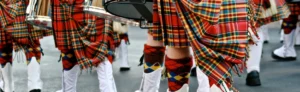
Scottish Tartan
What Is a Tartan?
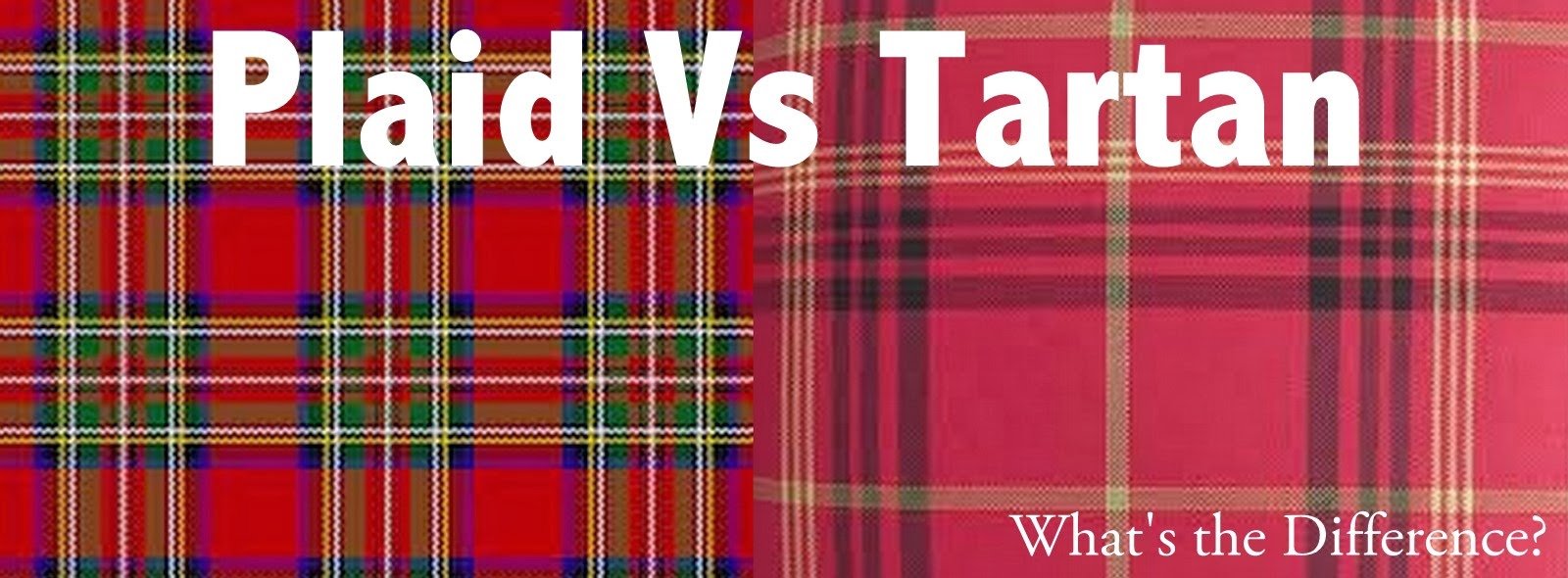
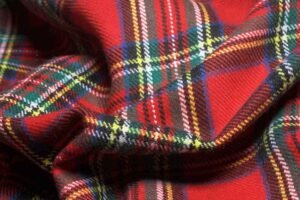
A tartan is a patterned textile created by weaving colored threads in both warp and weft to form a repeating, symmetrical grid.
Its defining features include:
-
Intersecting horizontal and vertical stripes
-
Multiple distinct colors
-
A balanced, mirrored repeat known as a sett
While many people use “plaid” as a general term, authentic tartans follow specific structural rules and often carry historical significance tied to Scotland.
The Historical Evolution of Tartans
1. Early Origins (16th–17th Century)
The earliest tartans were regional textiles rather than clan identifiers. Colors depended on locally available natural dyes, which meant each area developed its own visual variations.
At this stage, tartan signified geography more than family lineage.
2. The Rise of Clan Tartans (18th Century)
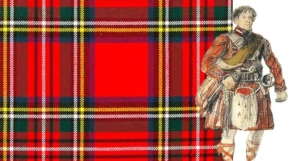
As the Highland clan system grew stronger, clan tartans became linked to specific families. Over time, certain patterns were associated with particular clans, symbolizing allegiance and identity.
Wearing a tartan could indicate:
-
Family membership
-
Political loyalty
-
Regional origin
Tartan evolved from practical cloth into a badge of social and cultural belonging.
3. Suppression and Symbolism (After 1746)
Following the Jacobite uprising of 1745, the British government passed the Dress Act of 1746, banning traditional Highland dress—including tartan.
During this period, tartan transformed into a symbol of resistance and Scottish identity. What had once been everyday clothing became politically charged.
4. Victorian Revival (19th Century)
In the 19th century, Scotland’s romantic image was revived, particularly under the influence of Queen Victoria, who embraced Highland culture.
This era saw:
-
The formalization and registration of clan tartans
-
The popularization of kilts
-
The codification of family patterns
From that point forward, tartan became internationally recognized as a defining symbol of Scotland.
Clan Tartans: Identity Woven into Fabric
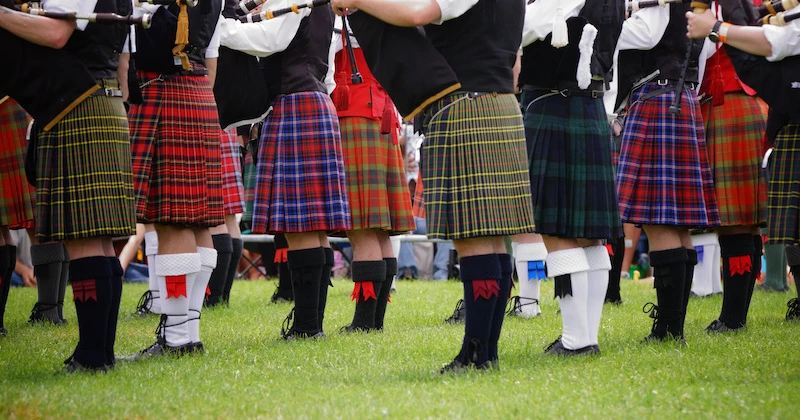
Clan Tartans
What Are Clan Tartans?
Clan tartans are specific patterns traditionally associated with Scottish clans (extended family groups). Each pattern is defined by:
-
Precise color combinations
-
Stripe proportions
-
A unique sett sequence
Today, thousands of tartans are officially recorded in Scottish registries.
Why Tartans Became Identity Markers
In traditional Highland society:
-
Tartans expressed kinship and loyalty
-
They visually distinguished clans in gatherings and conflict
-
They reinforced shared heritage
Today, clan tartans are worn during:
-
Weddings
-
Highland Games
-
Cultural festivals
-
Family reunions
For many people of Scottish descent worldwide, wearing their clan tartan is a powerful connection to ancestry.
Scotland Tartan in the Modern World
Although rooted in tradition, Scotland tartan has evolved beyond clan boundaries.
Modern adaptations include:
-
District tartans
-
Military tartans
-
Corporate or commemorative tartans
-
Fashion reinterpretations
Designers now incorporate tartans into contemporary clothing, accessories, and home décor—while preserving the structural weaving principles that define authentic tartan.
Tartan as a Cultural Symbol
The journey of tartan—from regional textile to banned attire, and finally to celebrated national emblem—reflects Scotland’s own history of struggle and revival.
Tartans symbolize:
-
Family lineage
-
Regional pride
-
Cultural continuity
-
National identity
Few textiles in the world carry such deep historical meaning.
Final Thoughts
Understanding tartans and clan tartans means understanding how fabric can embody identity. Scotland tartan is not merely a pattern—it is heritage woven into cloth.
Next time you see a kilt or a beautifully woven tartan fabric, remember: behind those intersecting lines lies a story centuries in the making.