If you’re shopping for new bedding or refreshing your summer wardrobe, you’ve likely encountered the ultimate textile debate: Tencel vs. cotton.
Cotton has dominated the textile world for centuries. Meanwhile, Tencel™ lyocell has emerged as a modern alternative, promising enhanced softness, better moisture control, and improved environmental performance.
So, is Tencel better than cotton — or does traditional cotton remain the safest choice? The answer depends on what you value most: feel, performance, maintenance, or longevity.
Let’s break it down.

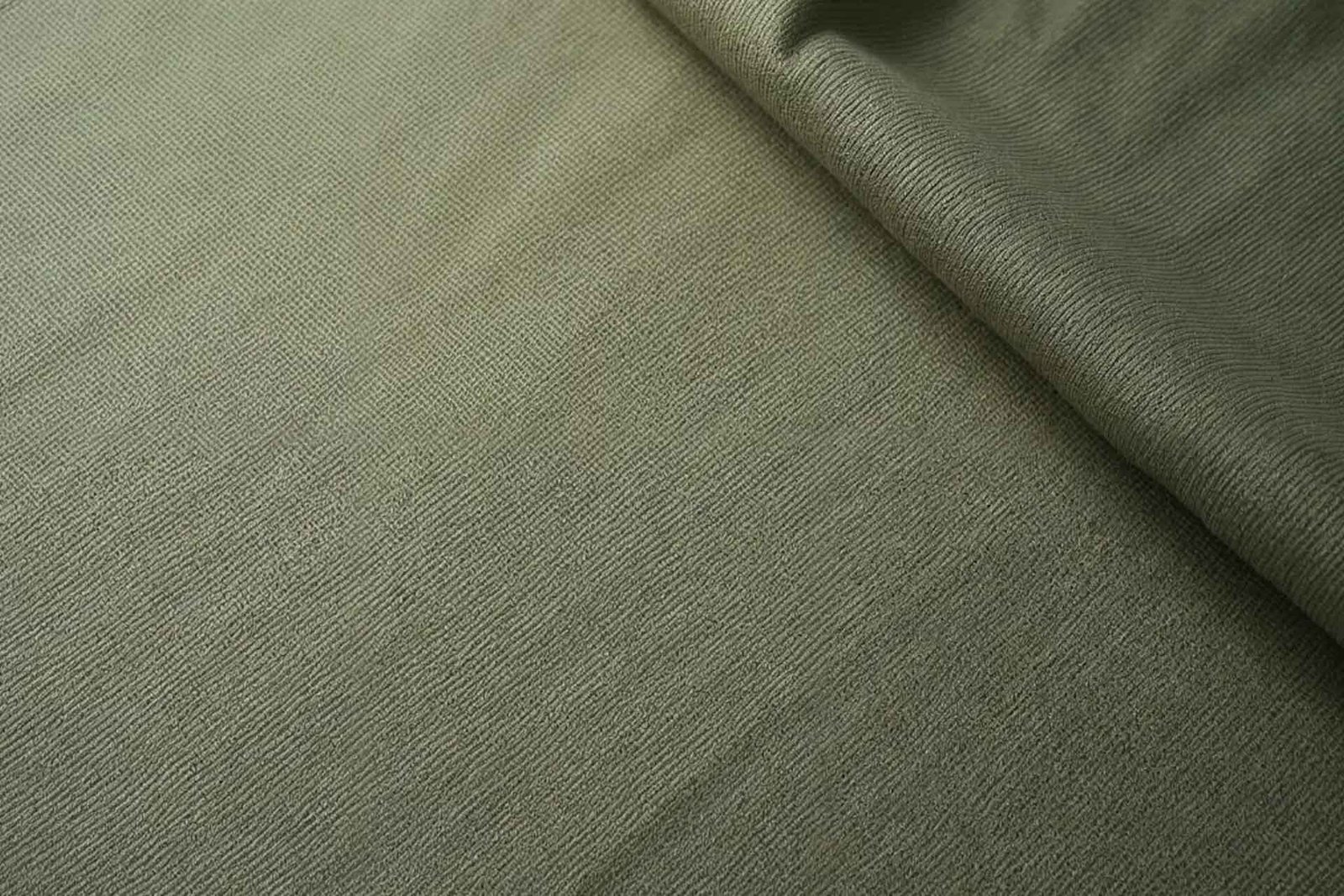
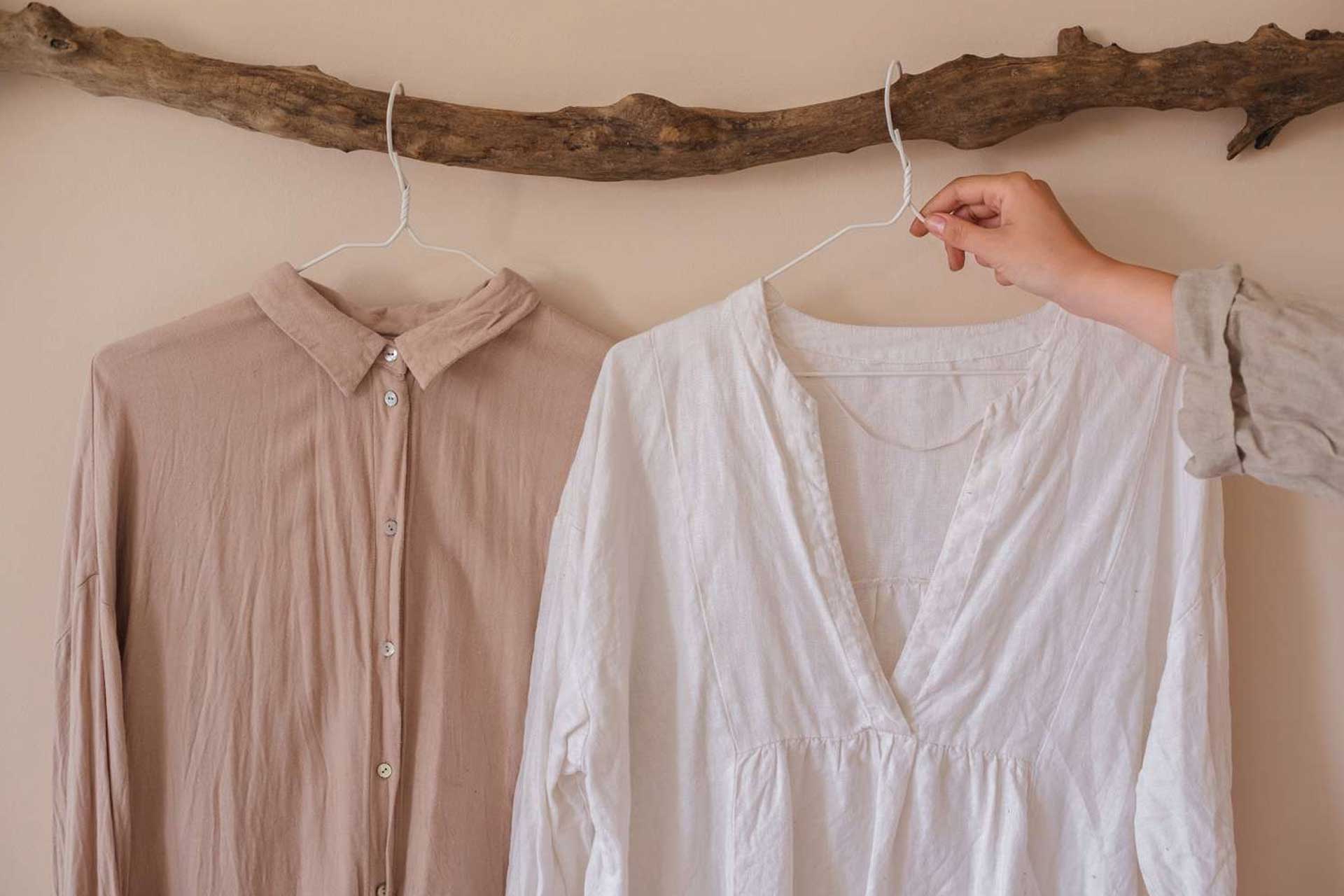
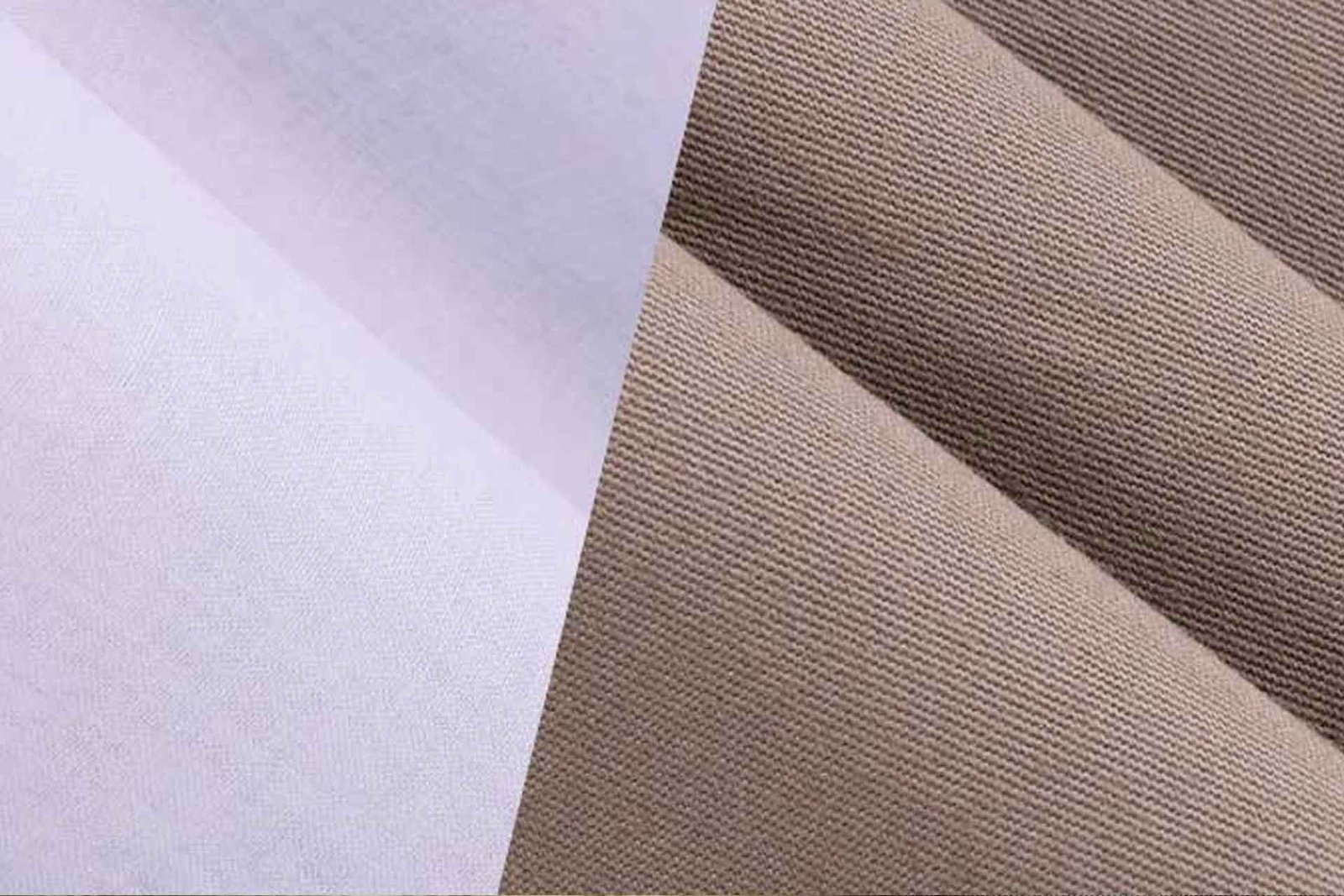
tencel fabric vs cotton
1. Performance Comparison: How They Actually Behave
Although both fibers originate from plants, their internal structures are very different — and that directly impacts performance.
Moisture Management
-
Tencel: Highly absorbent and efficient at wicking moisture away from the skin. It draws moisture into the fiber core and releases it quickly, helping regulate body temperature.
-
Cotton: Absorbent but slower to dry. Cotton can retain moisture longer, which may feel heavy in humid conditions.
Best for hot sleepers: Tencel.
Breathability
Both fabrics are breathable, but:
-
Tencel regulates moisture more actively.
-
Cotton allows airflow but does not actively manage sweat as efficiently.
In dry climates, cotton performs exceptionally well. In humid environments, Tencel often feels cooler.
Durability
-
Cotton: Especially long-staple varieties, cotton is highly durable and can withstand repeated high-temperature washing.
-
Tencel: Strong for its weight but more sensitive to heat during washing and drying.
For heavy-duty, long-term use, cotton has a slight edge.
2. The Feel Factor: Silky Cool vs. Crisp Comfort
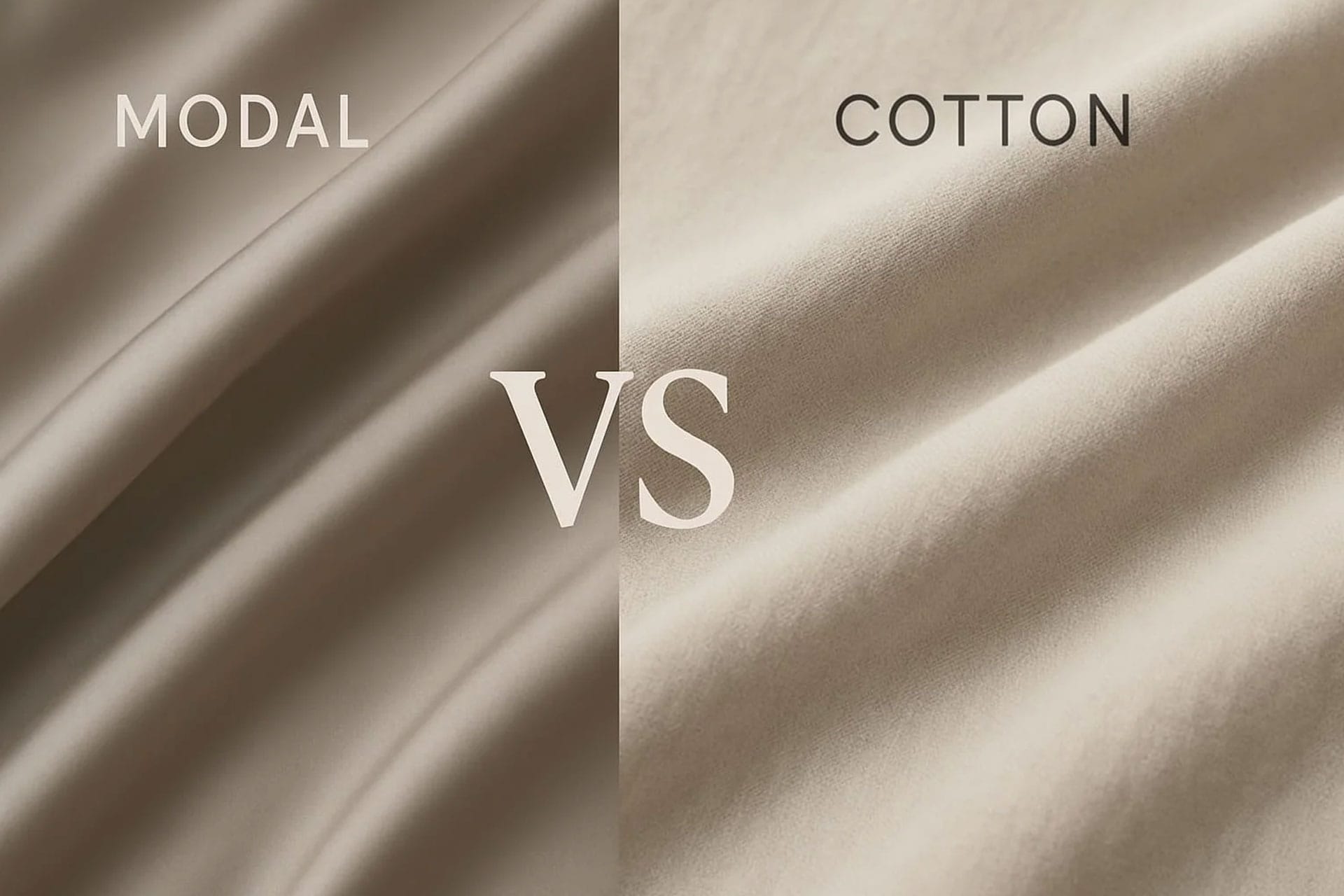
The most noticeable difference between Tencel sheets vs. cotton sheets (or clothing) is how they feel against the skin.
The Tencel Experience
Tencel has a sleek, smooth surface that feels cool and silky. Its natural drape gives garments a fluid, elegant look.
-
Smooth and slippery texture
-
Naturally cool to the touch
-
Excellent for sensitive skin
-
Drapes beautifully
If you prefer a soft, flowing aesthetic and dislike stiff fabrics, Tencel will likely feel luxurious.
The Cotton Experience
Cotton is known for its crisp, matte, and structured hand feel.
-
More textured surface
-
Feels cozy and substantial
-
Classic “hotel sheet” crispness (especially percale weaves)
-
Warmer, more traditional comfort
If you love structured bedding with that fresh, clean snap, cotton delivers what Tencel cannot replicate.
3. Maintenance: Ease of Care Matters
Washing & Drying
-
Tencel: Wash in cool or lukewarm water. Avoid high heat to prevent shrinkage and fiber stress. Line drying is ideal.
-
Cotton: More forgiving. Can handle hot washes and higher dryer temperatures.
For households that rely on hot washing cycles (especially for bedding), cotton is more practical.
Wrinkle Resistance
-
Tencel: Naturally resistant to wrinkles. Often smooths out when hung.
-
Cotton: Wrinkles easily, particularly 100% cotton. Usually requires ironing for a polished look.
If low-maintenance appearance matters, Tencel has the advantage.
4. Sustainability Considerations
Both fibers are plant-derived, but their environmental profiles differ.
-
Cotton: Natural and biodegradable, but conventional cotton farming can be water-intensive and pesticide-heavy unless organic.
-
Tencel: Produced using a closed-loop solvent system that recycles the majority of processing inputs, reducing waste.
If closed-loop production and controlled forestry sourcing are high priorities, Tencel stands out.
5. The Final Verdict: Which One Should You Choose?
There is no universal winner — only the best match for your lifestyle.
Choose Tencel if:
-
You are a hot sleeper.
-
You have sensitive or reactive skin.
-
You prefer silky, drapey fabrics.
-
You prioritize advanced moisture control.
-
You value closed-loop manufacturing processes.
Choose 100% Cotton if:
-
You love crisp, structured bedding.
-
You need a fabric that tolerates hot washing.
-
You want maximum durability for long-term use.
-
You prefer a classic, matte aesthetic.
-
You like the natural loft and warmth of traditional fibers.
A Modern Compromise: Cotton-Tencel Blends
Many consumers now choose cotton-Tencel blends, which combine:
-
Cotton’s durability and structure
-
Tencel’s softness and cooling performance
Blended fabrics often offer a balanced solution for year-round comfort.
Conclusion: It’s About Preference, Not Perfection
Tencel and cotton are both excellent materials — they simply serve different needs.
If you want cool, silky performance with a modern edge, Tencel may be your ideal choice.
If you prefer timeless comfort, durability, and easy care, cotton remains a reliable classic.
The right fabric isn’t about trends — it’s about how you live, sleep, and feel every day.