For serious textile artists, the choice of fabric painting materials is about more than just color—it’s about the engineering of the final piece. While pre-mixed fabric paints are a convenient entry point, many professionals transition to using a textile medium. Why? Because it offers total control over the paint's transparency, flexibility, and, most importantly, the 'hand-feel' of the finished fabric.
The Professional Edge: Why Use a Textile Medium?
Using a medium allows you to turn any high-quality artist acrylic into a professional-grade textile pigment. This is a game-changer for complex projects where a specific, custom-mixed shade is required that simply isn't available in standard 'craft' paint sets.
1. Controlled Transparency and Wash Effects
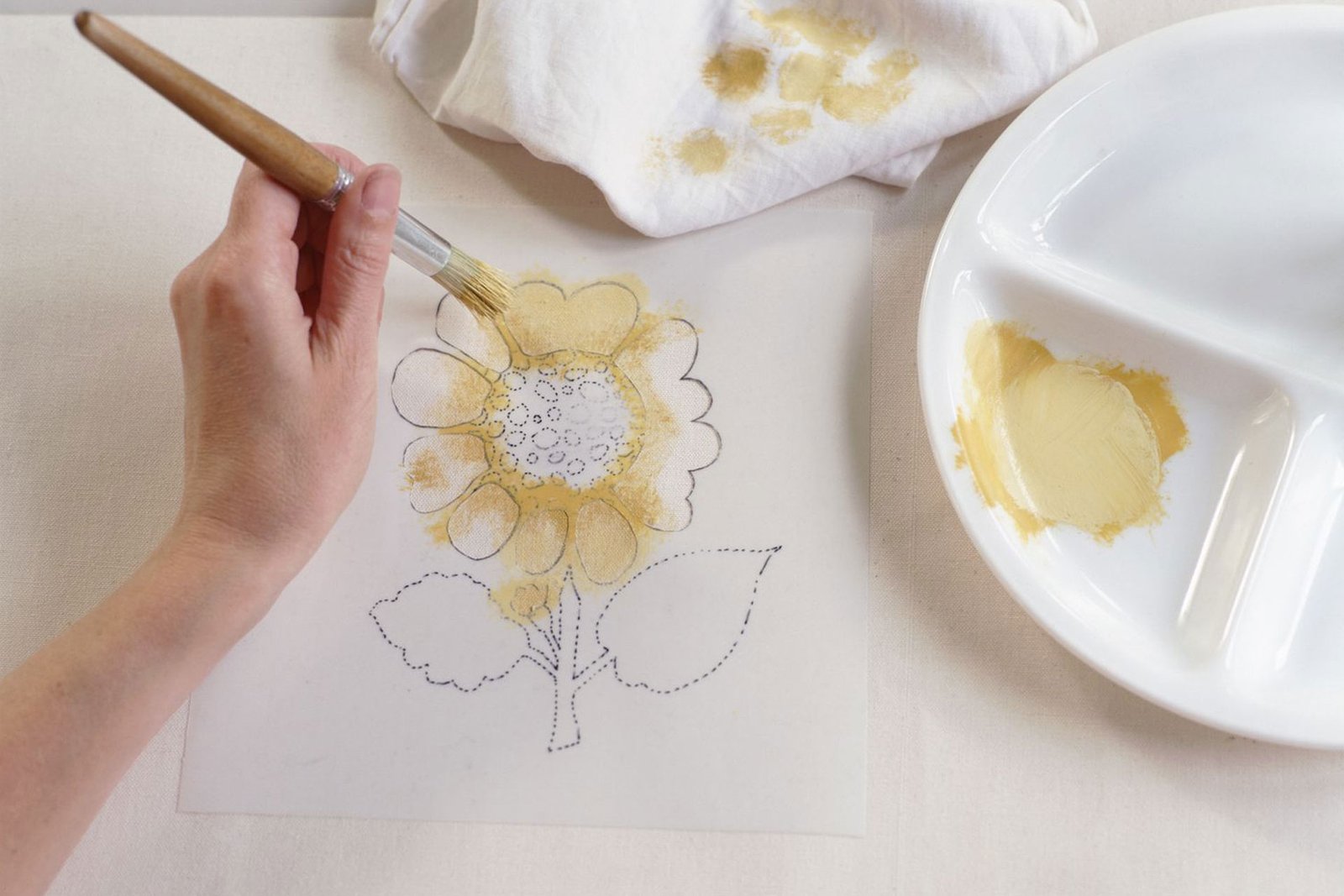
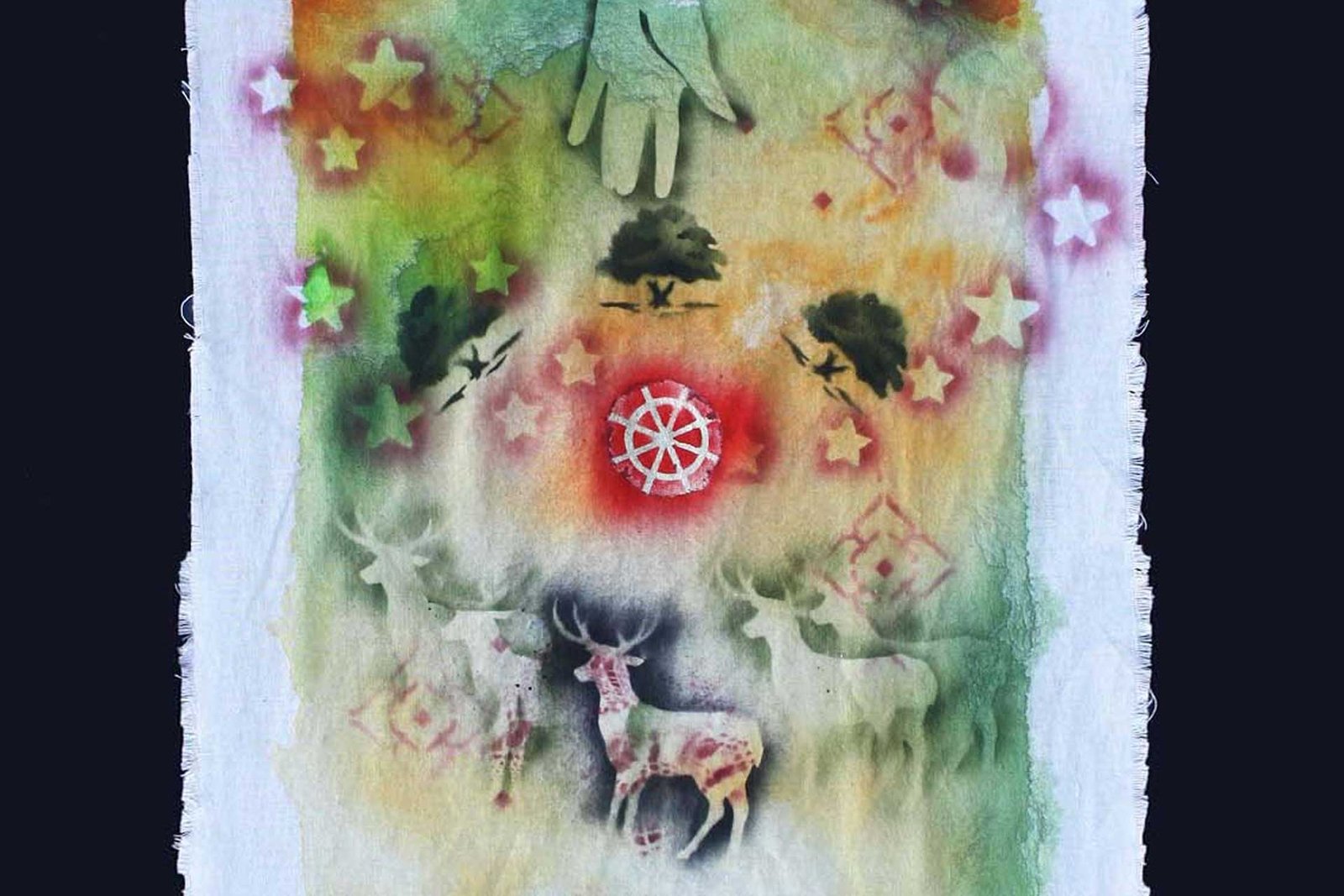
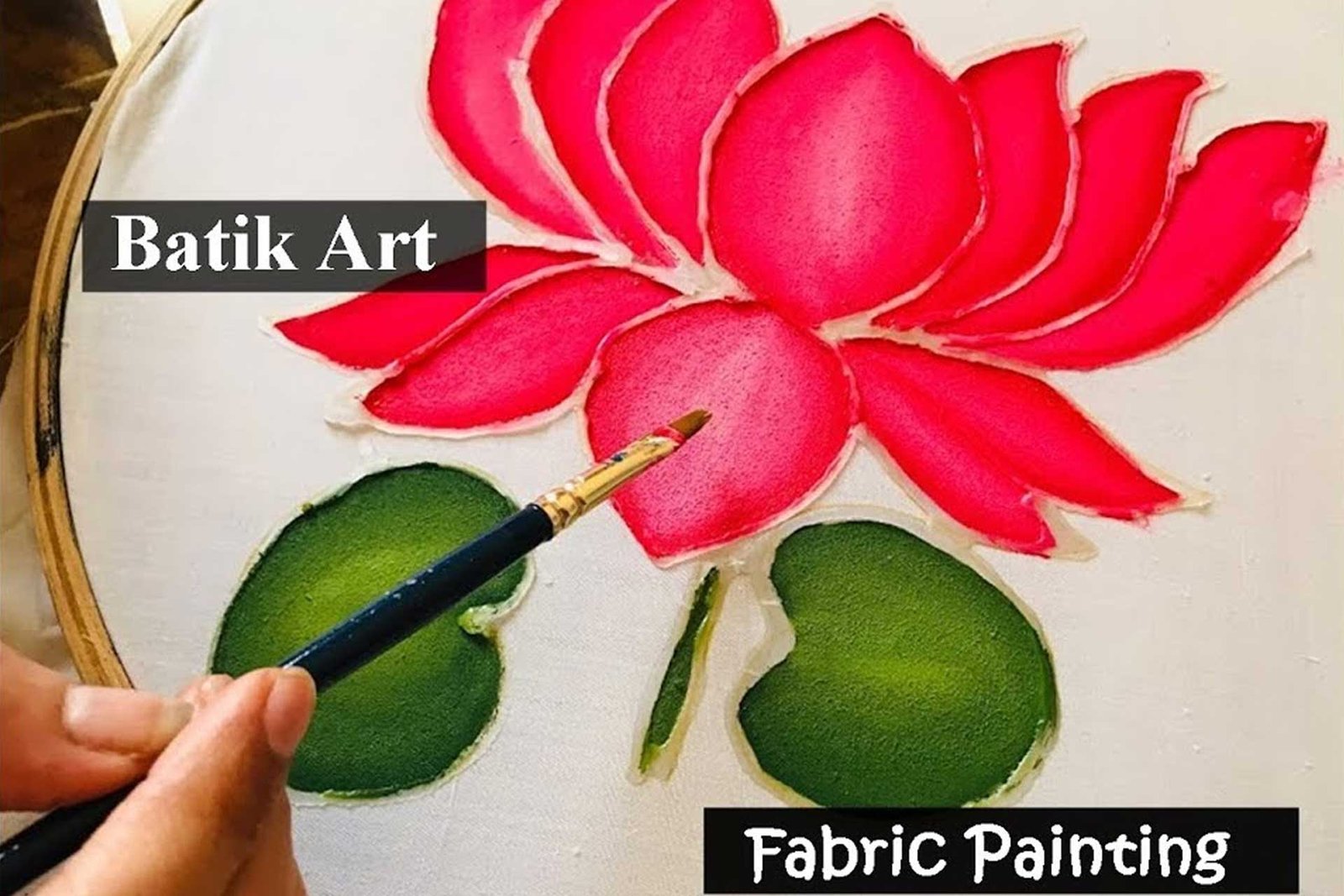
Unlike pre-mixed paints, which can be opaque and heavy, mixing your own medium allows you to create 'watercolor' effects on cloth. You can thin the pigment for beautiful gradients while the medium ensures the color stays permanently bonded to the fiber—something water alone cannot do.
2. Preventing the 'Plastic' Texture
The hallmark of high-end textile art is that it doesn't feel like paint sitting on top of the cloth. A textile medium breaks down the surface tension of the acrylic, allowing it to penetrate the core of the yarn. This results in a design that moves with the fabric rather than resisting it.
The Foundation: Why Canvas is the Artist’s Standard
When working with heavy layers of paint, wet-on-wet techniques, or detailed stenciling, the substrate you choose is your most important partner. The fabric must handle moisture and pressure without 'warping,' dipping, or losing its geometric shape.
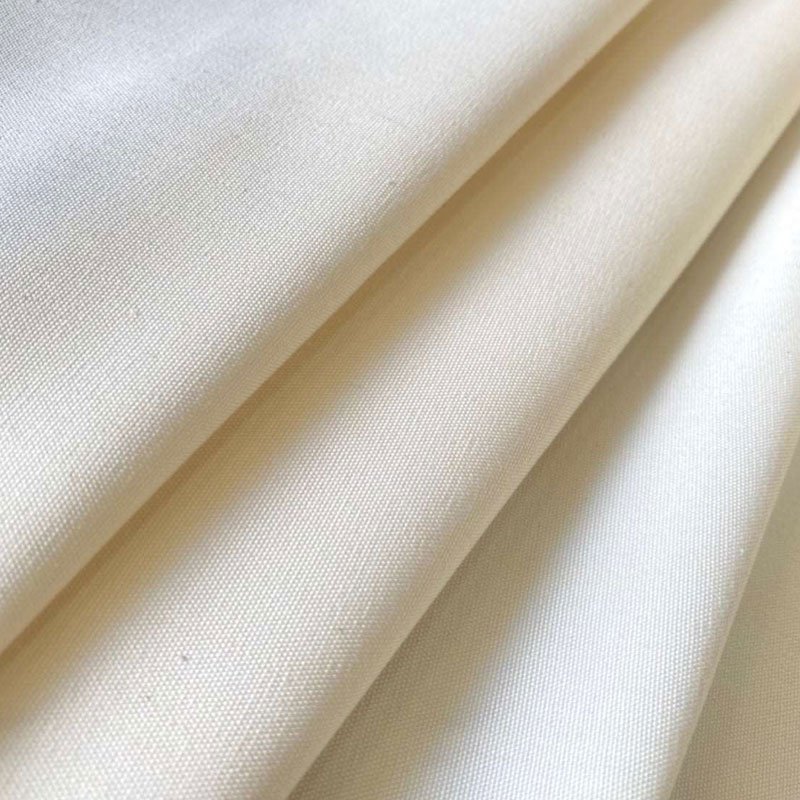
polyester cotton canvas fabric
This is why Canvas Fabric remains the industry standard for professional bags, bespoke home decor, and mixed-media wall art.
-
Structural Integrity: A high-quality canvas provides the 'skeleton' needed for serious art. It won't stretch out of shape under the weight of wet paint.
-
Balanced Weave Density: We often recommend an Artist-Grade Cotton Canvas for those using mediums. A balanced weave—where the horizontal and vertical threads are of equal strength—is sturdy enough to support multiple layers of paint while remaining porous enough to ensure the medium binds the pigment permanently to the fibers.
-
Surface Grip: Unlike smoother garments, the slight texture of canvas 'grabs' the paint, preventing sliding and ensuring that fine details remain crisp.
Troubleshooting: Common Pitfalls in Textile Painting
To achieve museum-quality results, avoid these common mistakes:
-
Over-saturation: Applying too much paint in one go can lead to 'bleeding.' Build your colors in thin, controlled layers.
-
Skipping the Heat-Set: Even with a professional medium, the chemical bond is only finalized through heat. Always use a dry iron or a heat press to 'cure' your work once dry.
-
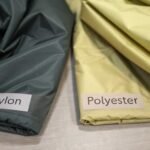
Ignoring Fiber Content: Synthetic fibers like polyester don't absorb mediums as well as natural fibers. For the best longevity, stick to 100% natural substrates.
Key Materials for Professional Textile Art:
-
High-Pigment Acrylics: Provides the lightfastness and vibrancy required for gallery-standard work.
-
Professional Textile Medium: To maintain a 'soft hand' and prevent cracking over time.
-
Reliable Substrate: A heavyweight cotton or canvas that provides a stable, non-stretch surface during the creative process.
Conclusion
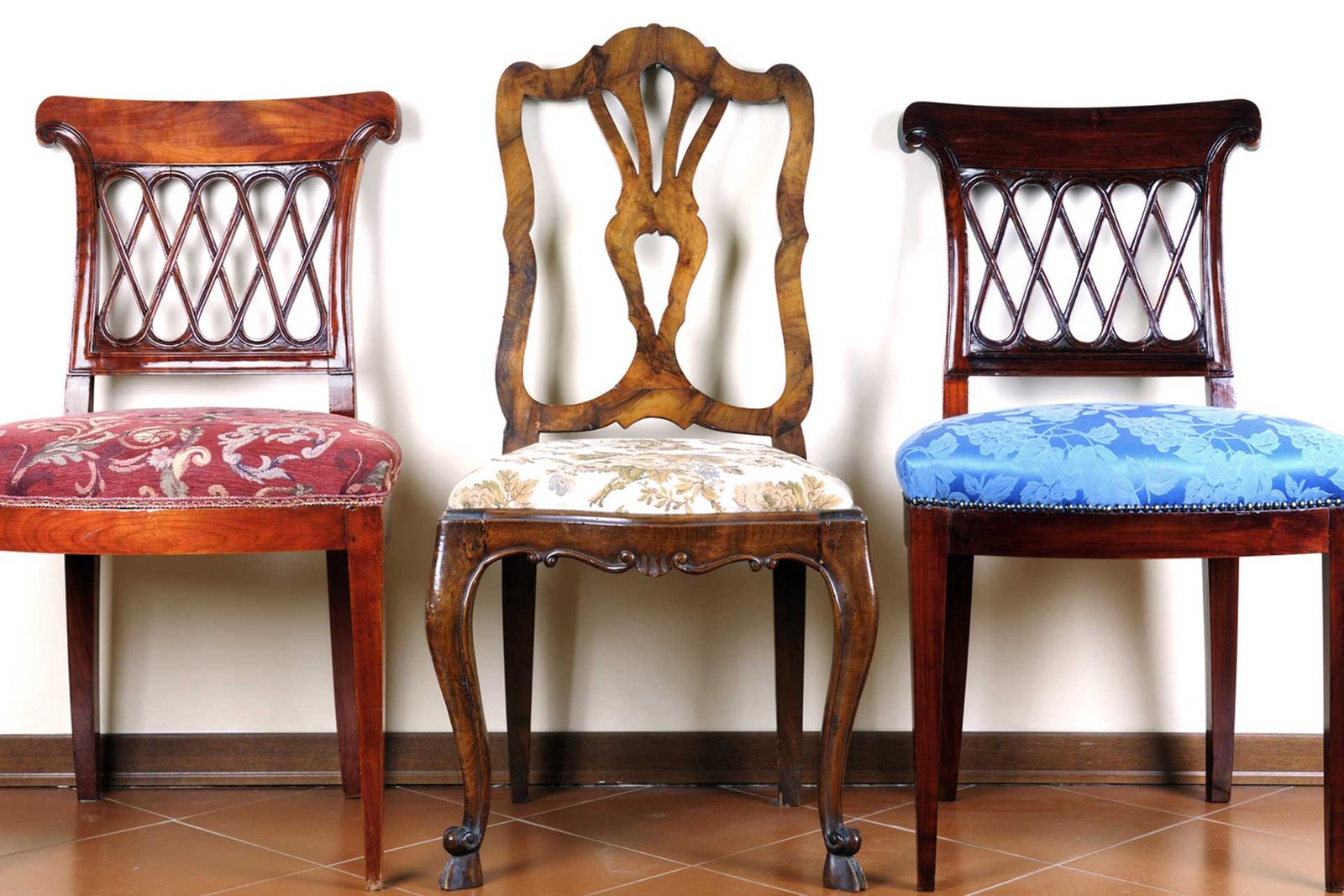
By understanding how your textile medium interacts with the specific fibers of your cloth, you move away from simple 'crafting' and into the realm of professional textile design. Whether you are painting a custom upholstery piece or a limited-edition tote bag, the combination of high-grade chemicals and premium fabric is what makes the art last a lifetime.
Are you ready to elevate your textile art? Explore our curated selection of Artist-Grade Canvas and Heavyweight Cottons — designed to handle the most demanding creative techniques.