Customizing your own clothing is one of the most rewarding DIY projects. Whether you are creating a unique graphic tee for your brand or simply reviving an old favorite, the secret to a professional look lies in two things: the quality of your paint and the surface of your fabric.
If you've ever had a hand-painted shirt turn out stiff, or seen the design wash away after one cycle, this guide is for you.
Finding the Best Fabric Paint for Shirts
Not all paints are created equal. Depending on your design, you’ll want to choose the right medium:
-
Soft-Body Fabric Paints: Best for large areas. These soak into the fibers and maintain a 'soft hand' (the fabric remains flexible).
-
Fabric Markers: Ideal for fabric painting designs on clothes that require fine lines, lettering, or intricate details.
-
Dimensional (Puffy) Paint: Perfect for adding texture or a 90s-retro feel to your shirts.
-
Acrylic with Medium: As discussed in our previous guide, mixing standard acrylic with a textile medium is the most cost-effective way to get professional results.
Creative Design Ideas for Your Custom Tees
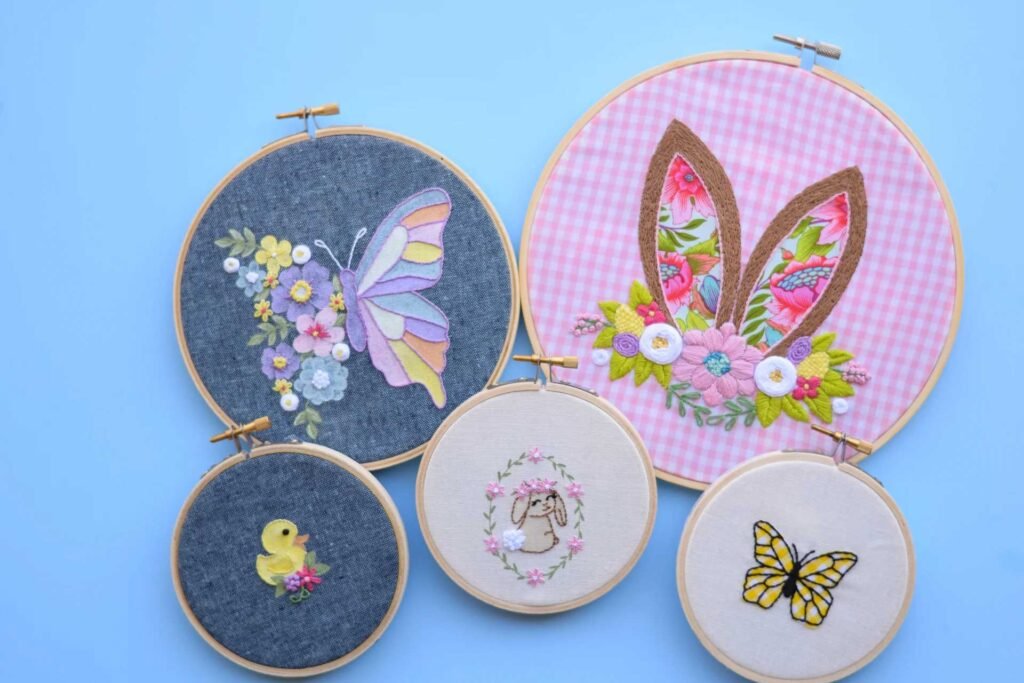
fabric painting designs on clothes
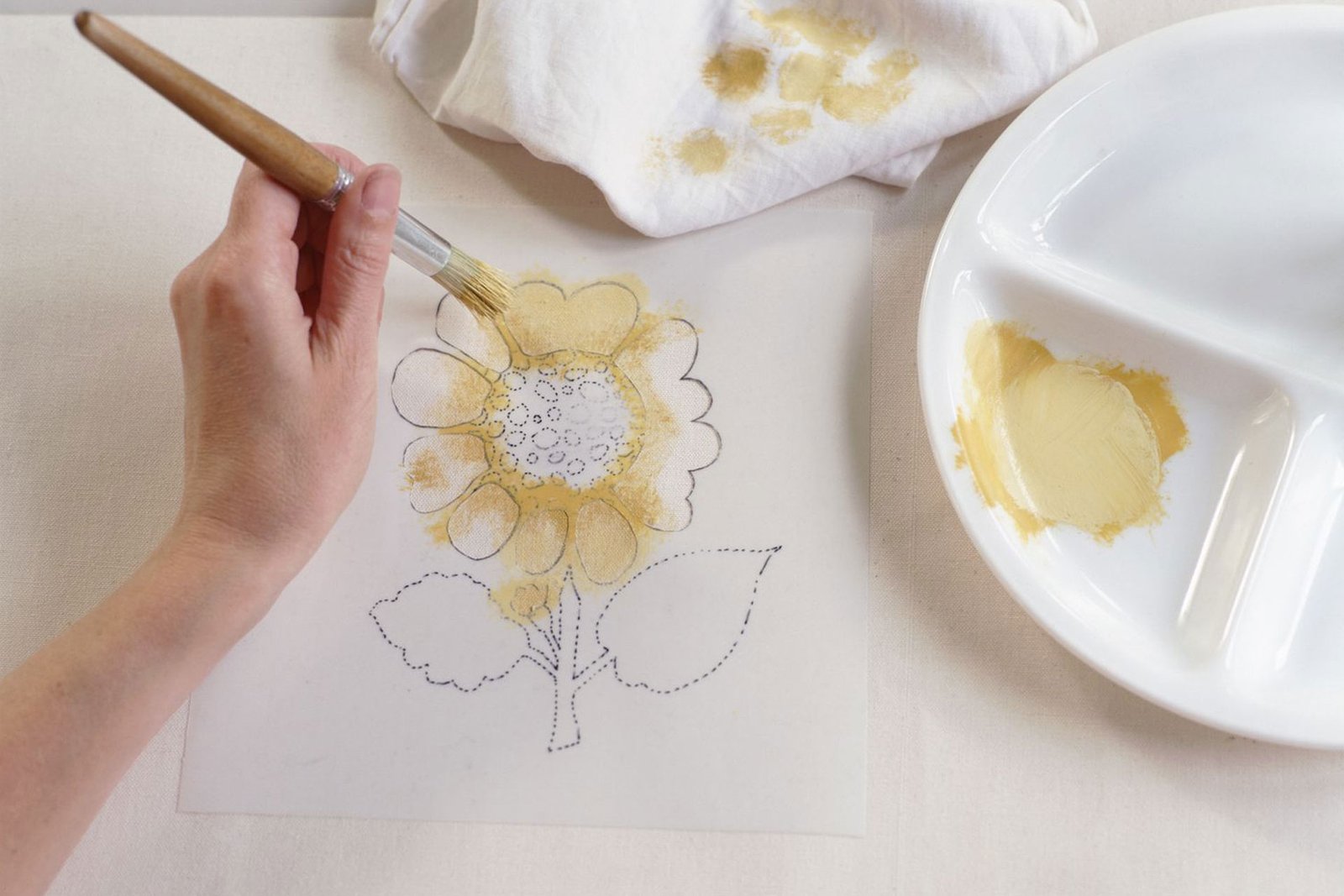
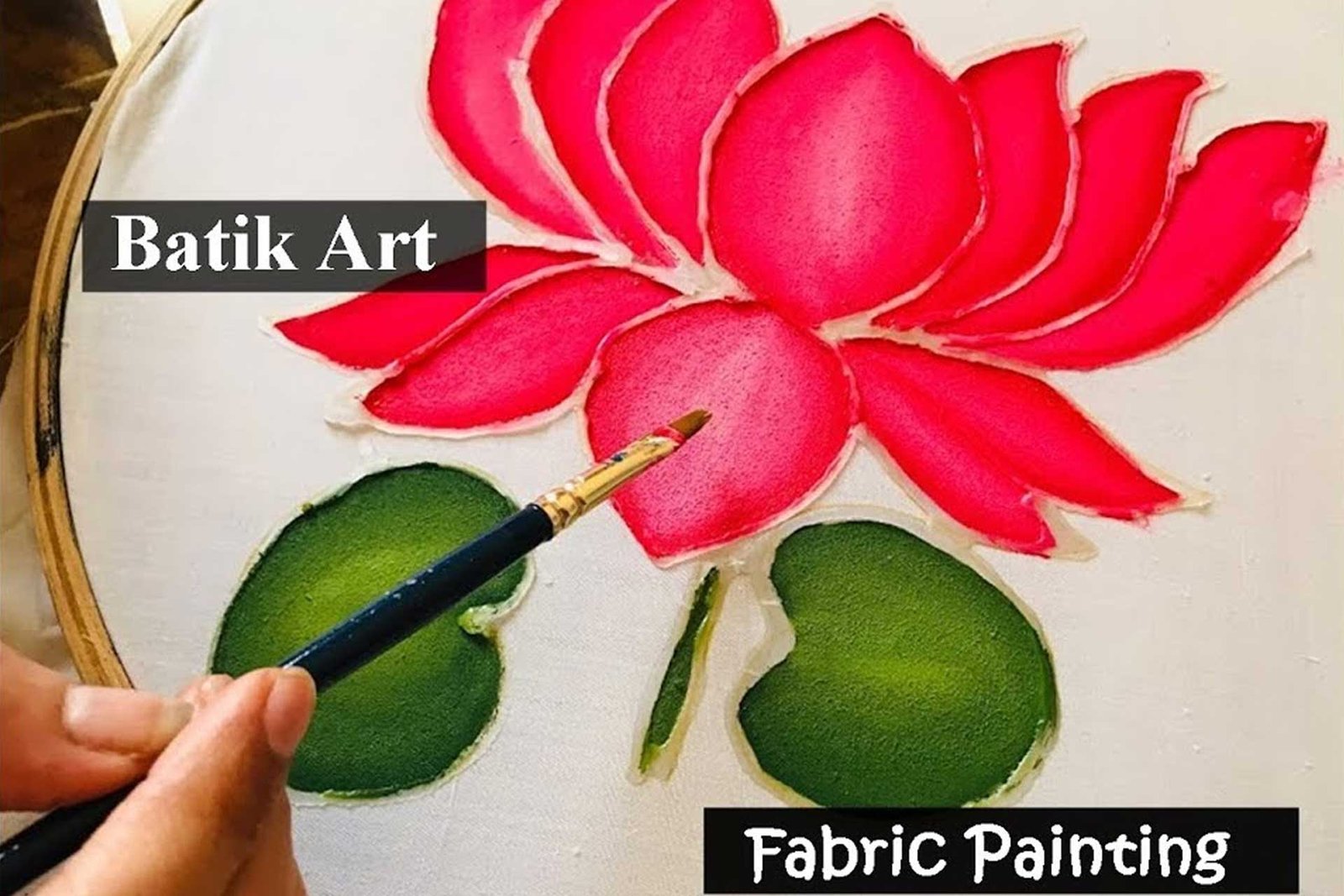
Need some inspiration? Here are a few simple fabric painting designs on clothes that anyone can master:
-
Minimalist Line Art: Use a black fabric marker to draw continuous line faces or botanical silhouettes on a white tee.
-
Abstract Splatter: Channel your inner Jackson Pollock. Use a stiff brush to flick fabric paint across the chest for a high-fashion, chaotic look.
-
Stencil Graphics: Cut out a shape from freezer paper, iron it onto the shirt, and sponge on paint for clean, crisp edges that look screen-printed.
Why the Fabric Matters (The Expert View)
Most DIYers focus 100% on the paint, but we know that the fabric is the foundation. If you paint on low-quality cloth, your art will suffer.
1. Jersey Fabric: The Smooth Surface Advantage
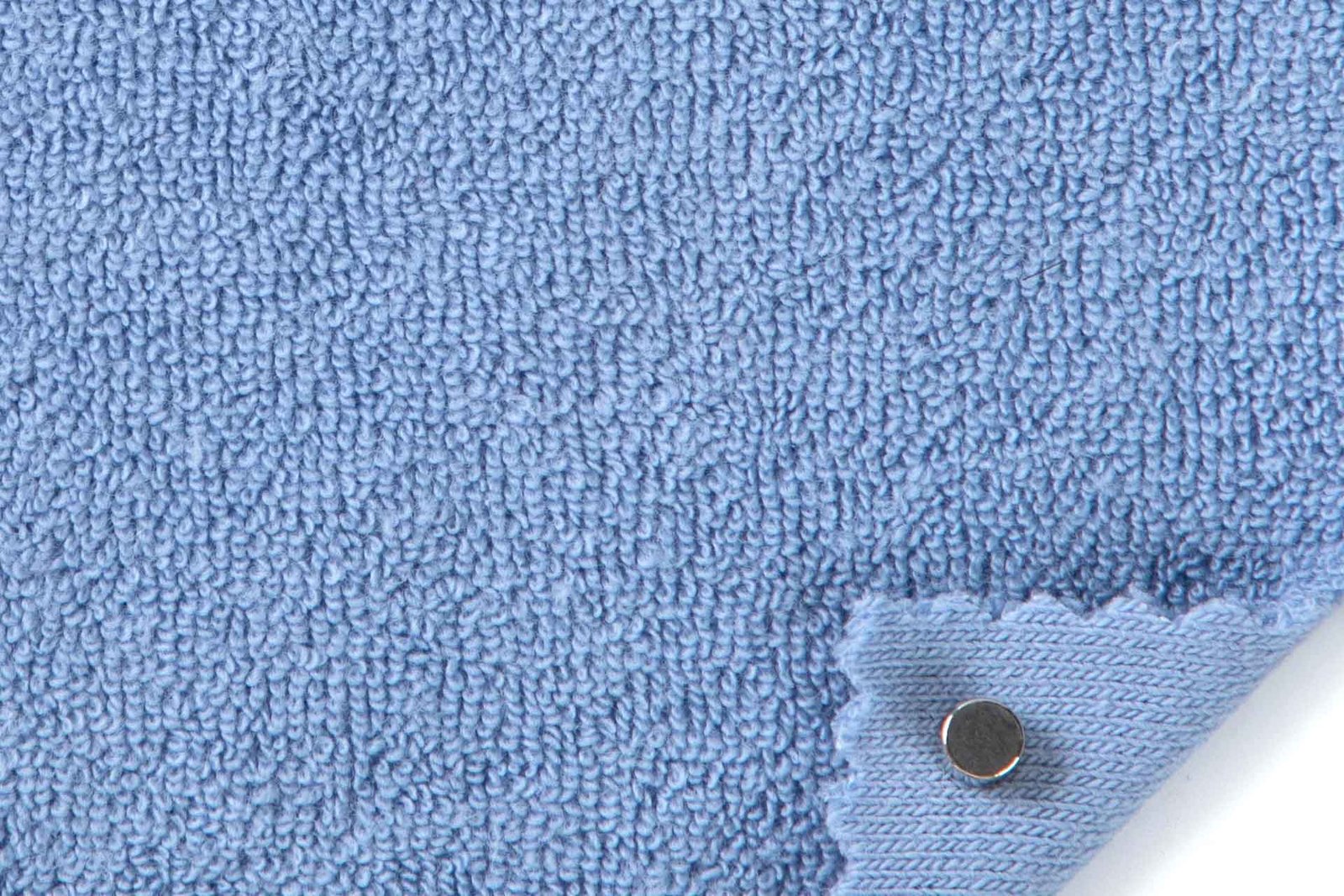
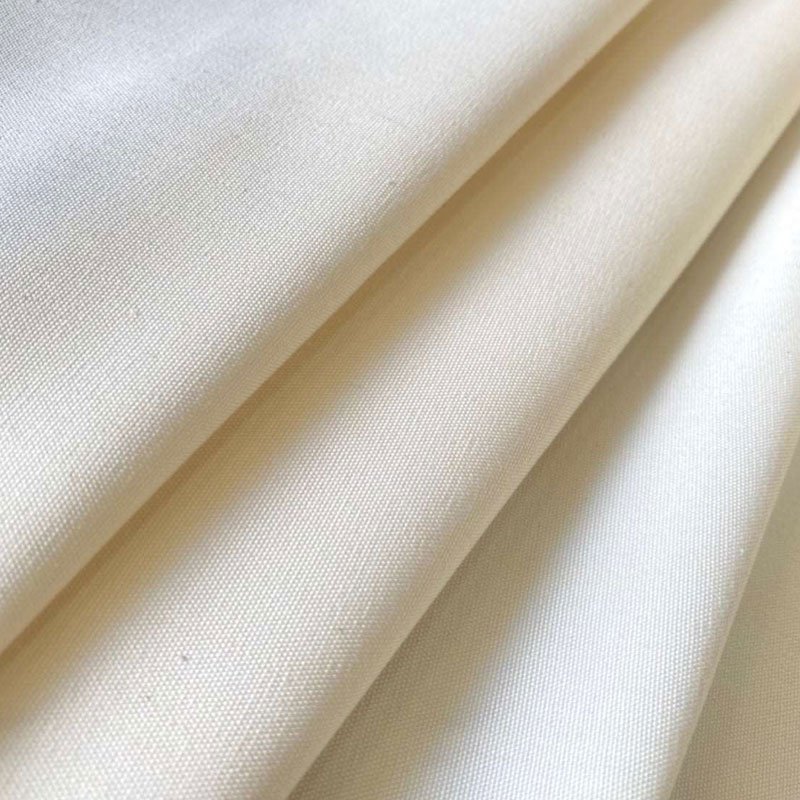
For fabric paint for clothes, you need a surface that is as smooth as possible. Standard piqué or heavy-textured knits can make your lines look jagged. Our Premium Jersey Fabric is knitted with a fine gauge, providing a 'flat' canvas that allows your brush or marker to glide effortlessly.
2. Modal Blends: Stability and Drape
If you want a high-end, boutique feel, Modal Blends are the secret.
-
Minimal Shrinkage: One of the biggest enemies of fabric painting is shrinkage. If the shirt shrinks significantly in the wash but the paint film doesn't, the design will pucker and distort. Modal is famous for its dimensional stability.
-
Absorbency: Modal fibers are highly absorbent, meaning they 'drink' the pigment, locking the color in deeply for a permanent finish.
Pro Tips for Painting on Shirts
-
Mind the Stretch: When painting on Modal Spandex or stretchy jersey, avoid applying the paint too thick. If the paint layer is a heavy crust, it will crack when the shirt stretches over your body. Thin, multiple layers are better than one thick one.
-
The 'Grain' of the Cloth: Always paint in the direction of the knit to avoid skipping fibers.
-
Fabric Prep: Never skip the pre-wash! Manufacturing oils can prevent fabric paint for shirts from adhering properly.
Build Your Custom Clothing Line Today
The difference between a 'homemade' look and a 'handmade' luxury garment is the material. Don't settle for cheap, scratchy blanks.
[Shop our Collection of Apparel-Grade Jersey and Modal Fabrics] — the perfect smooth, low-shrinkage canvas for your next wearable art project.