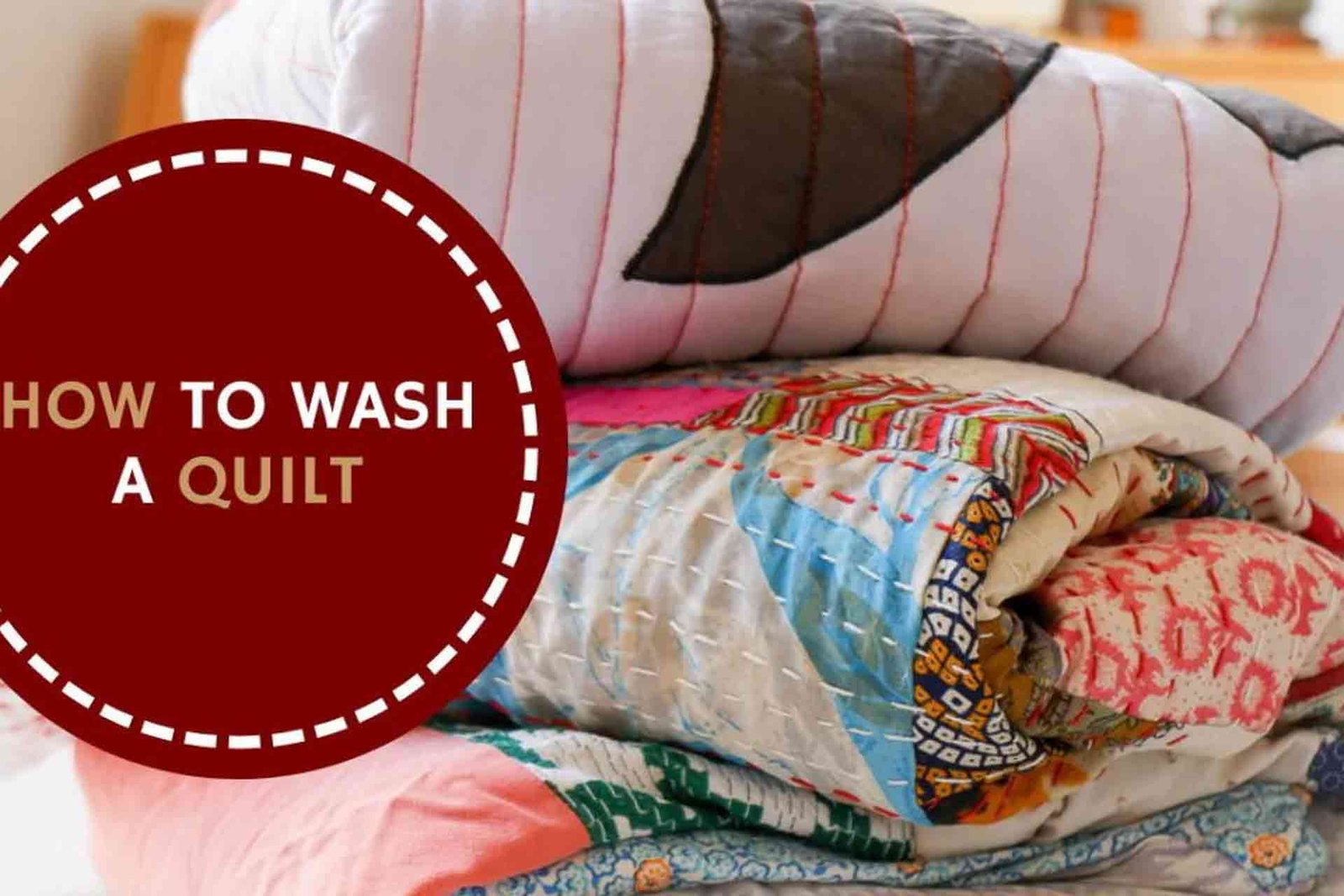
Whether you are finishing a handmade quilt, crafting a custom plush toy, or looking to breathe new life into a sagging sofa, the 'insides' matter just as much as the outside fabric.
Polyester fiberfill and batting are the unsung heroes of home comfort. Lightweight, hypoallergenic, and resilient, these synthetic insulators are the industry standard for volume and warmth. In this guide, we’ll help you navigate the different types of 'poly fill' and show you how to choose the right loft for your project.

polyester fiberfill
1. Fiberfill vs. Batting: What’s the Difference?
While both are made from polyester synthetic fibre, they serve very different structural purposes.
-
Polyester Fiberfill (Poly Fill): This is 'loose' stuffing that looks like clouds of pulled cotton candy. It is designed to be stuffed into enclosed spaces.
-
Best For: Pillows, stuffed animals (amigurumi), and irregular cushion shapes.
-
-
Polyester Batting: This is fiber that has been pressed into flat, consistent sheets or rolls.
-
Best For: Quilts, upholstery wraps, and padded headboards.
-
2. Understanding 'Loft': High vs. Low
In the world of stuffing, Loft refers to the thickness and height of the fiber.
-
Low Loft: Thin and dense. It gives a 'flatter' look.
-
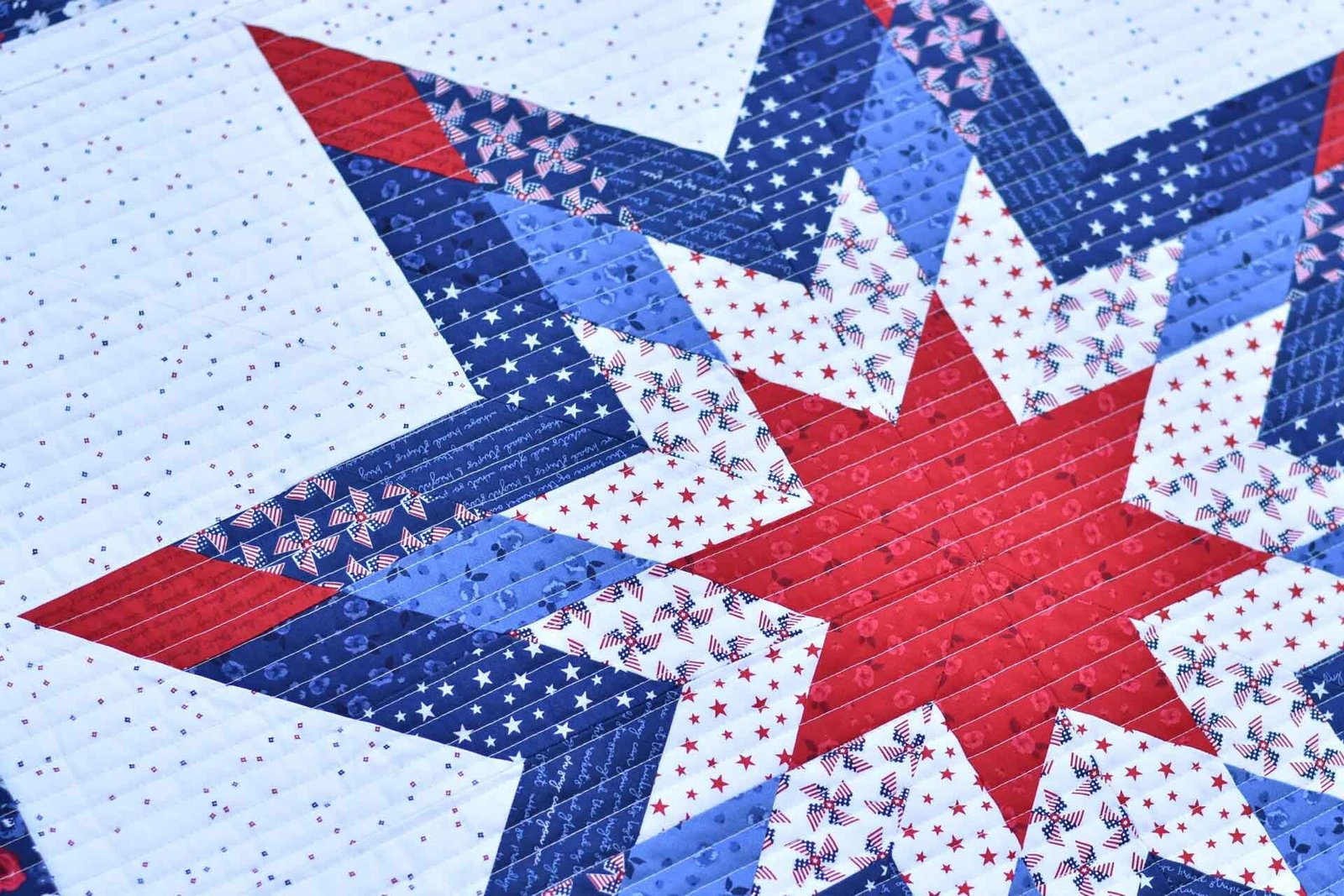
Use case: Modern quilts where you want to show off intricate stitching without the bulk.
-
-
High Loft: Thick and fluffy. It creates a 'puffy' look and traps more air for warmth.
-
Use case: Comforters, decorative 'shams,' and the outer wrap of sofa cushions.
-
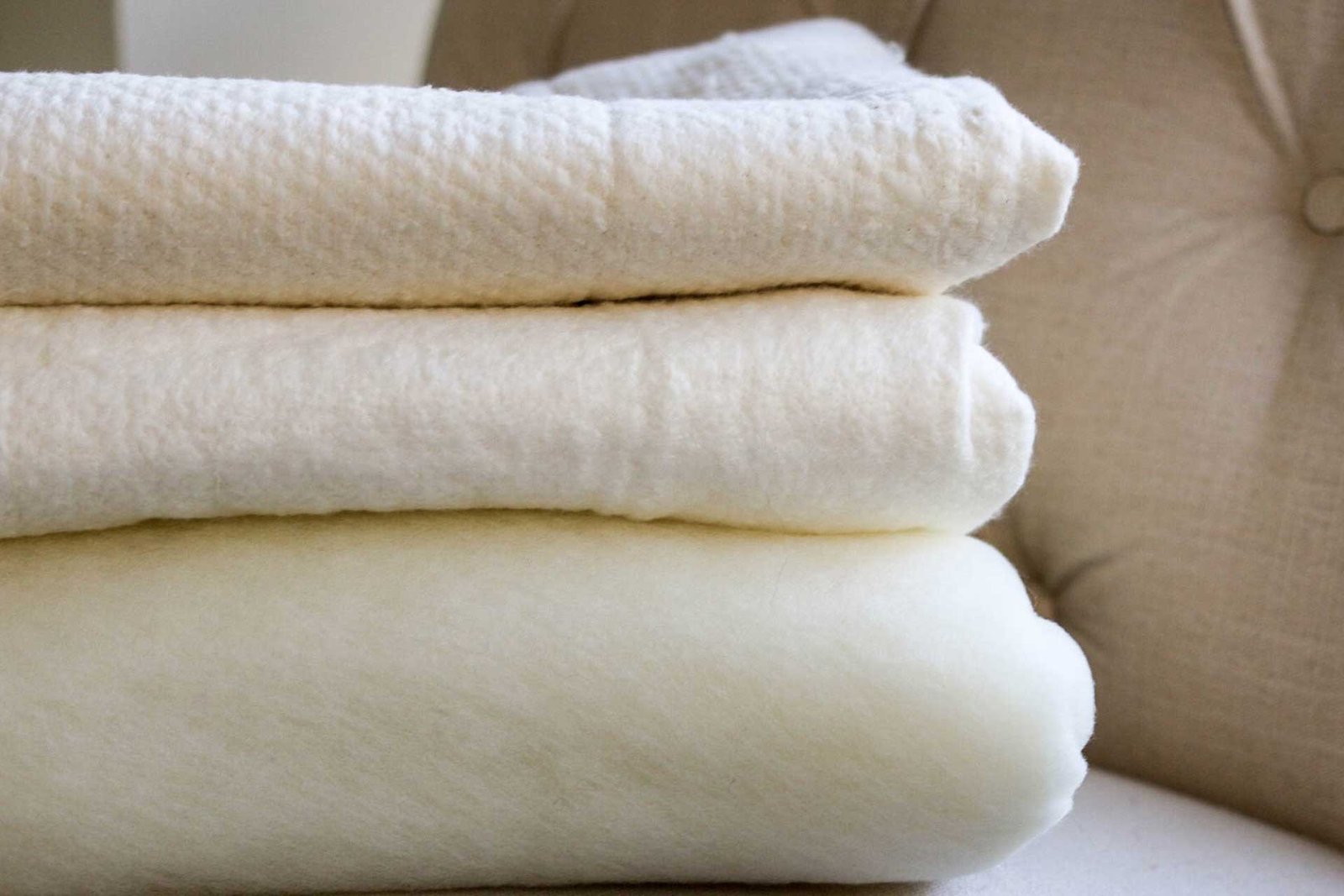
[Image: A side-by-side comparison of low-loft vs. high-loft batting]
3. Upholstery Batting: The Secret to Professional Sofas
If you are repairing a sofa, you don't just shove loose poly fill into the cover. Professionals use upholstery batting (often called 'Dacron wrap').
Why use it?
-
Smoothing: It hides the imperfections of the foam underneath.
-
Fullness: It fills the 'ears' (corners) of the cushion cover so it looks crisp and new.
-
Protection: It reduces the friction between the foam and the fabric, preventing your sofa cover from wearing out from the inside.
Pro Tip: When restuffing a sofa cushion, wrap a layer of 1-ounce batting around the foam core and secure it with a light spray adhesive before sliding it back into the cover.
4. How to Fix a 'Flat' Pillow
Over time, fiber for pillow filling can clump together due to moisture and pressure. You don't always need a new pillow; you might just need a refill.
-
Step 1: Open the side seam of your pillow.
-
Step 2: Pull out the old, clumped fill and 'tease' it (pull it apart to re-introduce air).
-
Step 3: Mix in new, high-resilience polyester fiberfill.
-
Step 4: Overstuff slightly. Polyester will settle about 10–15% after the first week of use.
5. Why Choose Polyester Fill Over Down?
-
Hypoallergenic: Unlike feathers or wool, polyester doesn't harbor dust mites or allergens.
-
Washable: Most poly fill items can be machine-washed and dried without losing their shape.
-
Price: It is significantly more affordable than natural down, making it ideal for large-scale upholstery projects.
🛍️ Get the Perfect Fill
Transform your home with our professional-grade stuffing solutions.