
If you’ve ever looked at a polyester shirt and thought it felt a bit like a recycled water bottle, your intuition was 100% correct. One of the most common questions we receive is: Is polyester made of plastic?

is polyester made of plastic
The direct answer is: Yes. Polyester is plastic. Specifically, it is a category of plastic known as Polyethylene Terephthalate (PET).
While that might sound surprising, understanding the 'plastic nature' of your wardrobe is the first step toward becoming a more informed consumer. Let’s unmask the science, the benefits, and the environmental reality of the world's favorite synthetic fiber.
1. The Chemistry: Why 'Polyester is Plastic'
Technically, both a clear soda bottle and a soft summer blouse are made from the same chemical compound.
-
Polymer Structure: Polyester is a synthetic polymer. In chemistry, a polymer is a long chain of repeating molecular units.
-
The PET Connection: Most apparel-grade polyester is PET. When this material is molded into a solid shape, we call it a plastic bottle. When it is melted and pulled into incredibly thin, flexible strands, we call it polyester fabric.
2. How Can Plastic Feel So Soft?
If polyester is plastic, why doesn't it feel like wearing a grocery bag? The secret lies in the extrusion process.
When manufacturing polyester, the liquid plastic is forced through a spinneret (a metal disk with microscopic holes). The resulting filaments can be made:
-
Finer than a human hair: Creating 'microfiber' that feels like silk.
-
Crimped or Textured: To mimic the 'fuzziness' of natural wool.
-
Hollow: To trap air and provide lightweight insulation (like in fleece jackets).
3. The Physical Strengths of a Plastic Fabric
Because polyester is made of plastic, it inherits the 'superpowers' of synthetic materials that natural fibers like cotton or silk simply don't have:
-
Extreme Resilience: Plastic doesn't 'wilt.' Polyester garments hold their shape and resist wrinkling even after a long day of wear.
-
Moisture Resistance: Unlike cotton, which absorbs water and stays heavy, polyester plastic is hydrophobic. It pushes water away, making it the king of athletic 'dry-fit' gear.
-
UV Resistance: High-quality polyester doesn't break down easily in the sun, which is why it’s the go-to choice for outdoor upholstery and flags.
4. The Environmental Elephant in the Room
Being a plastic-based material comes with significant environmental challenges. This is the 'pain point' for many modern shoppers.
-
Non-Biodegradable: A polyester shirt can take anywhere from 20 to 200 years to decompose in a landfill.
-
Microplastics: Every time you wash a polyester garment, tiny plastic fibers (microplastics) shed off and eventually enter our oceans.
-
Petroleum Dependency: Traditional 'virgin' polyester is derived from crude oil, a non-renewable resource.

the lifecycle of a Recycled polyester garment
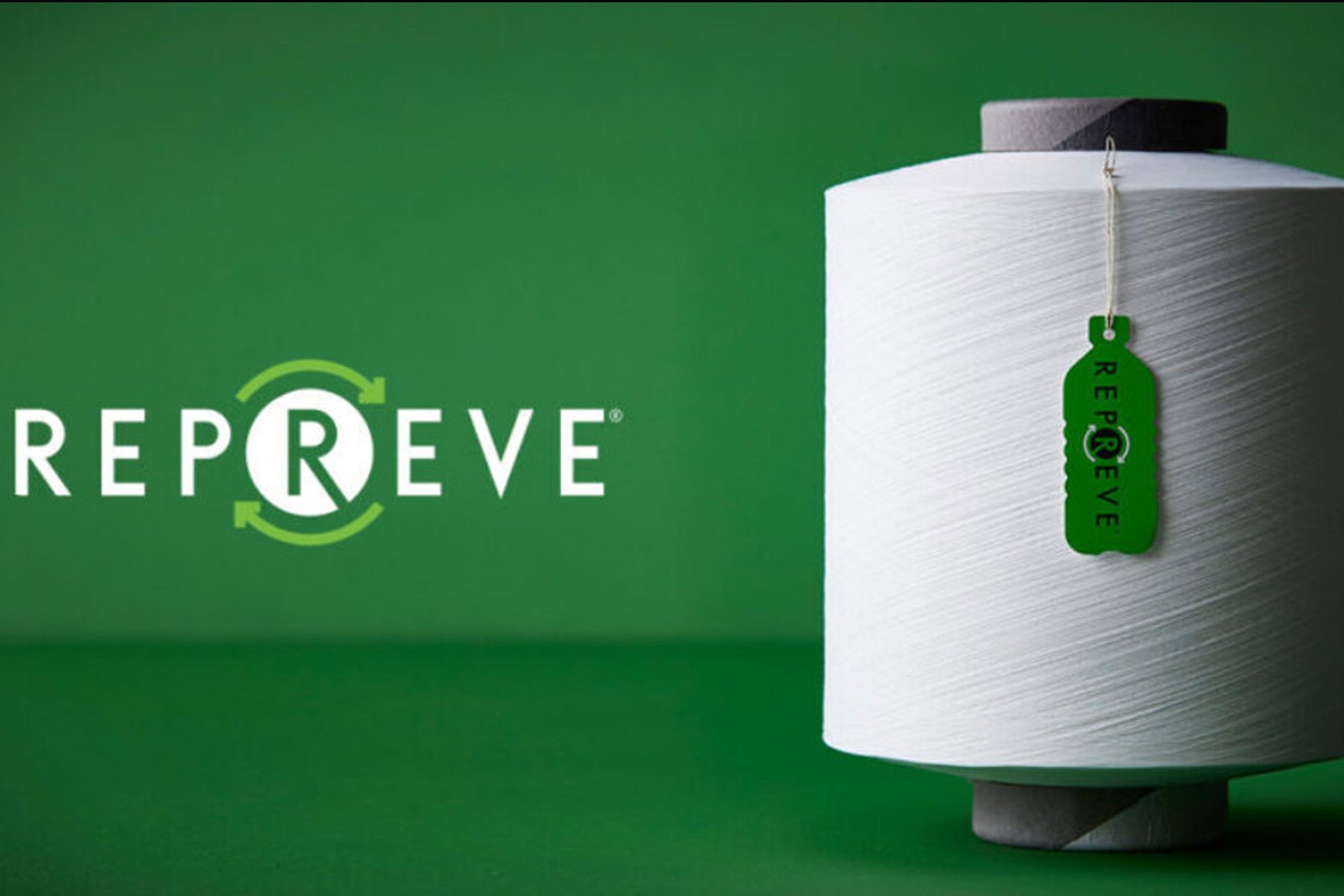
5. The Solution: The Rise of Recycled Polyester (rPET)
The industry is fighting the 'plastic stigma' by leaning into the Circular Economy.
Since polyester is plastic, it can be melted down and reused indefinitely. rPET (Recycled Polyester) takes post-consumer plastic bottles, cleans them, and turns them back into high-quality yarn. This reduces energy use by roughly 30-50% and keeps plastic out of the ocean.
Pro Tip: Look for the GRS (Global Recycled Standard) label on your clothes to ensure the 'plastic' you are wearing is helping the planet, not hurting it.
🛍️ Shop Sustainable Synthetics
Join the movement toward a circular wardrobe with our recycled collections.








1 comment
เว็บบา April 15, 2026
Can I simply say what a comfort to find somebody who truly knows what they're discussing on the internet. You definitely realize how to bring a problem to light and make it important. More people should check this out and understand this side of the story. It's surprising you aren't more popular since you surely possess the gift.