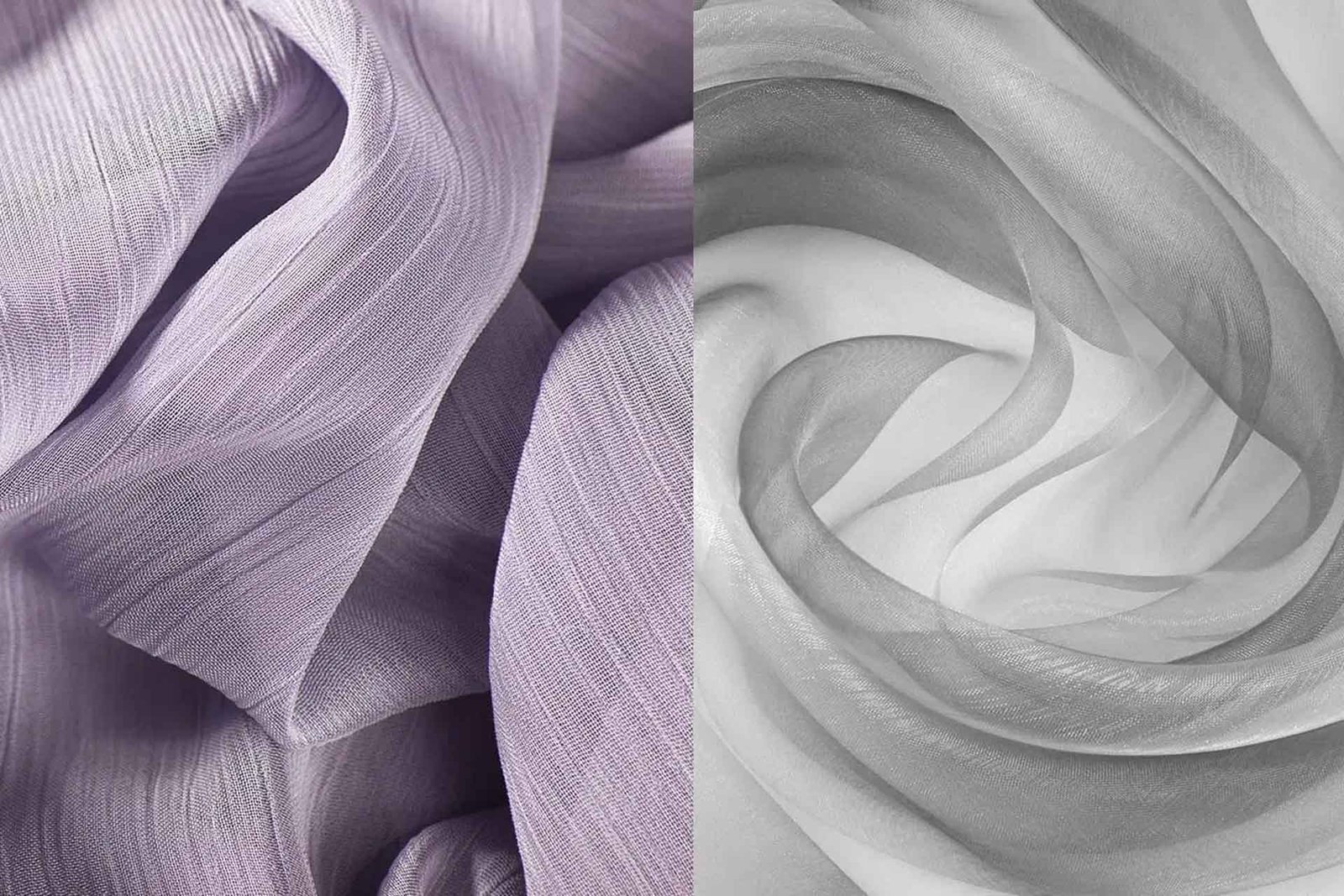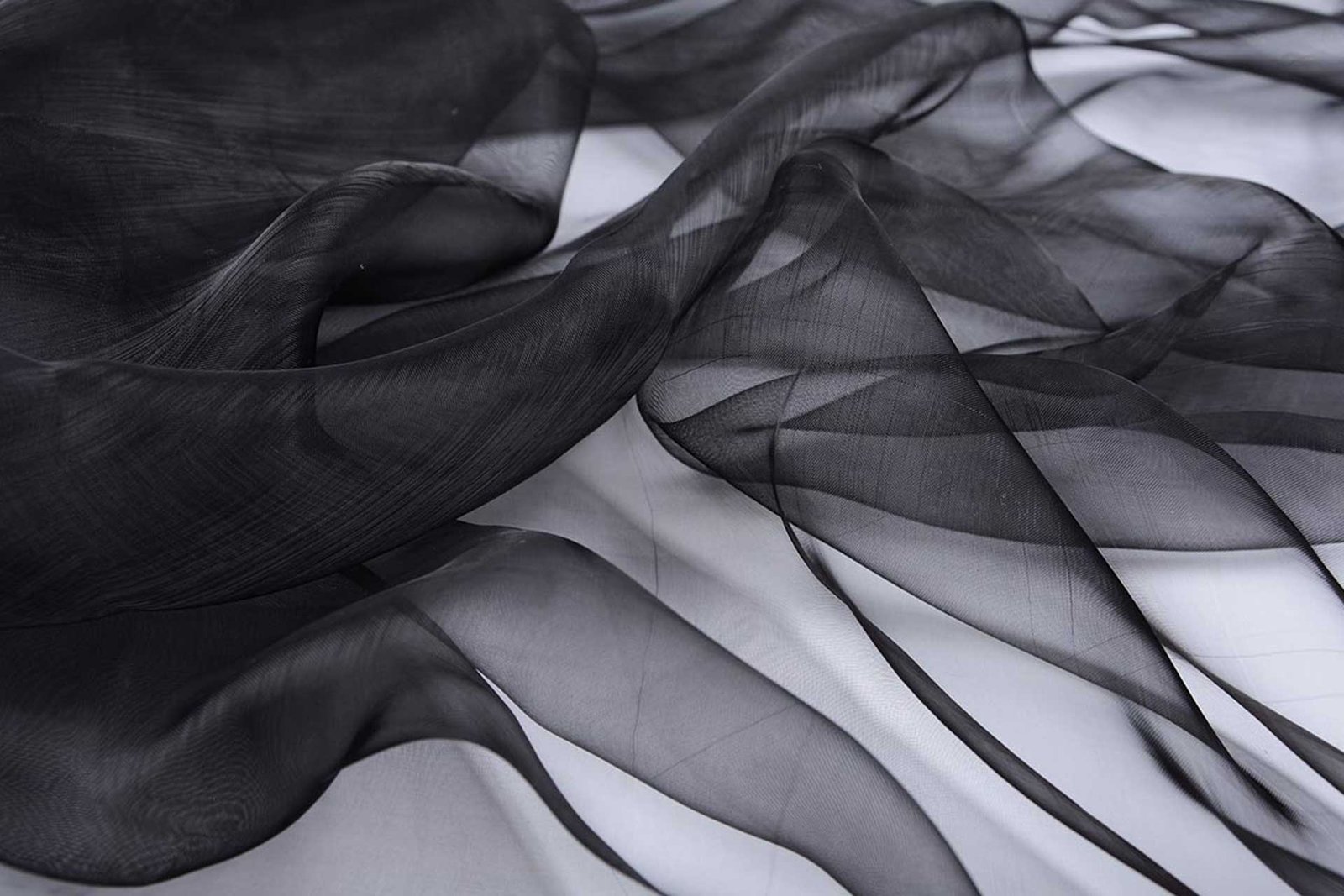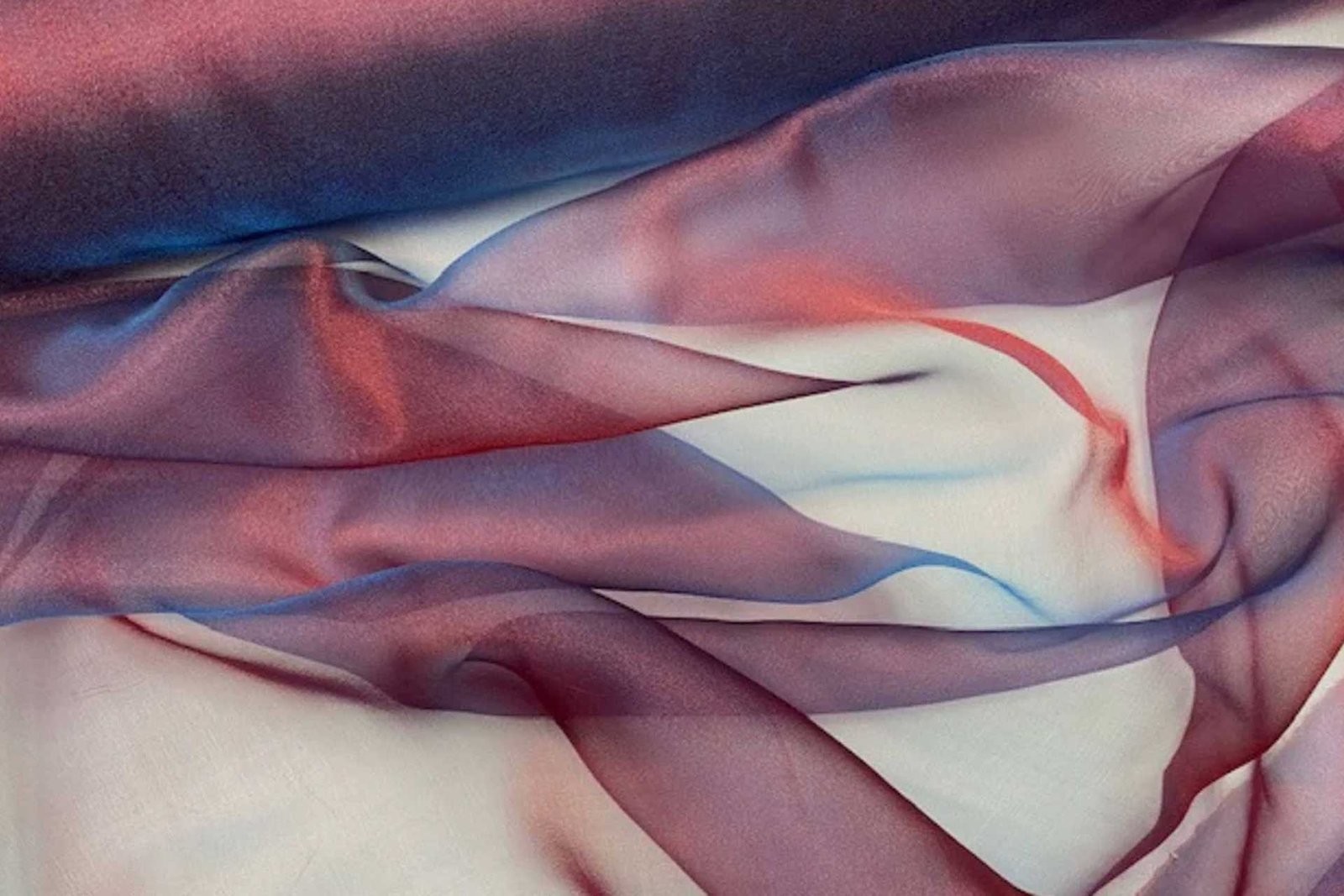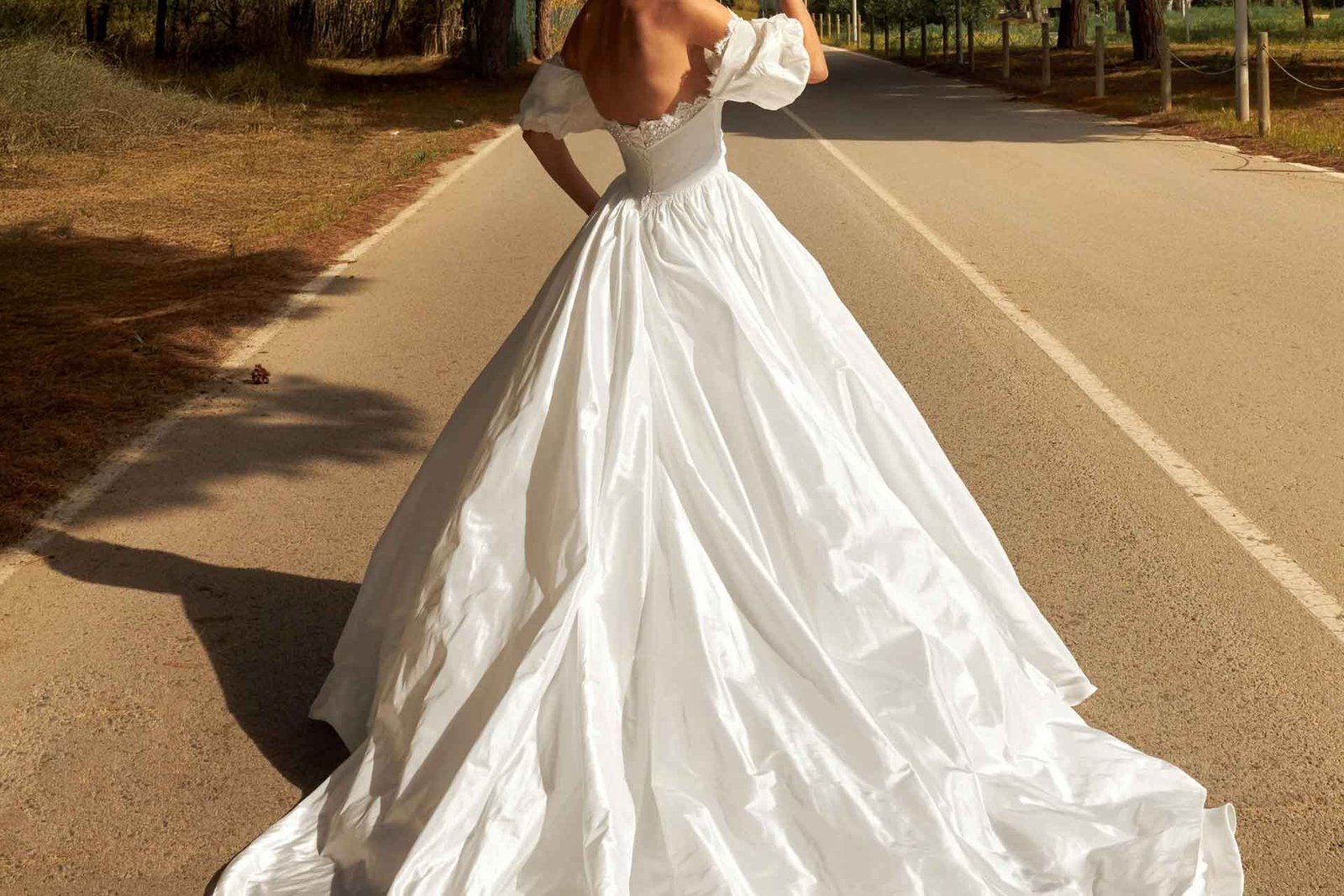
Organza fabric is a lightweight, sheer, and crisp textile that has become a favorite in fashion, bridal, and décor applications. Its delicate appearance belies its strength, making it a versatile material for designers and crafters alike. This guide covers everything you need to know about organza material, including its characteristics, types, and practical uses.
What Is Organza Fabric?
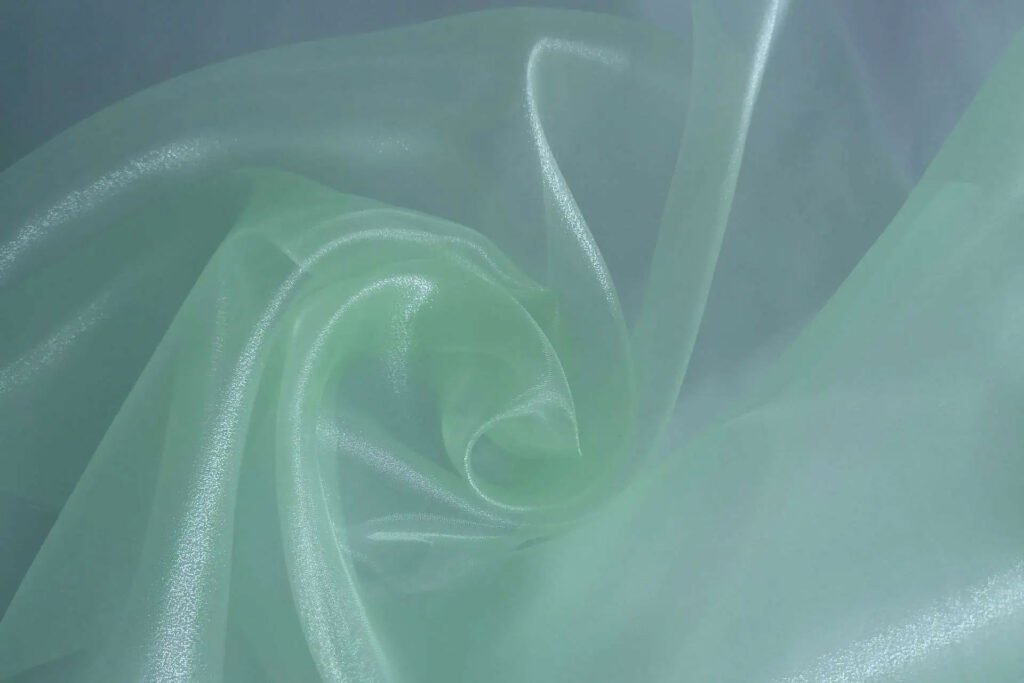
What Is Organza Fabric
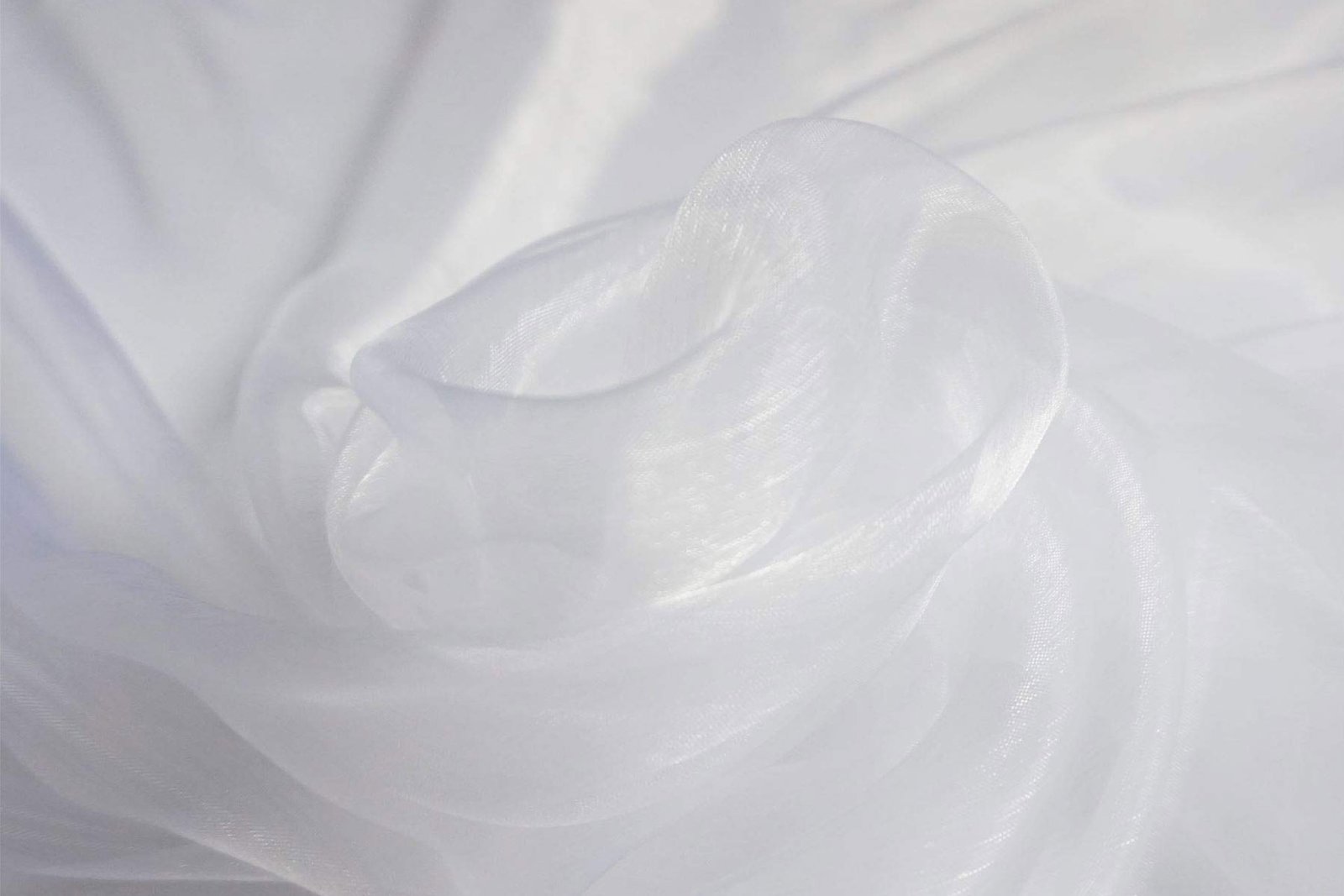
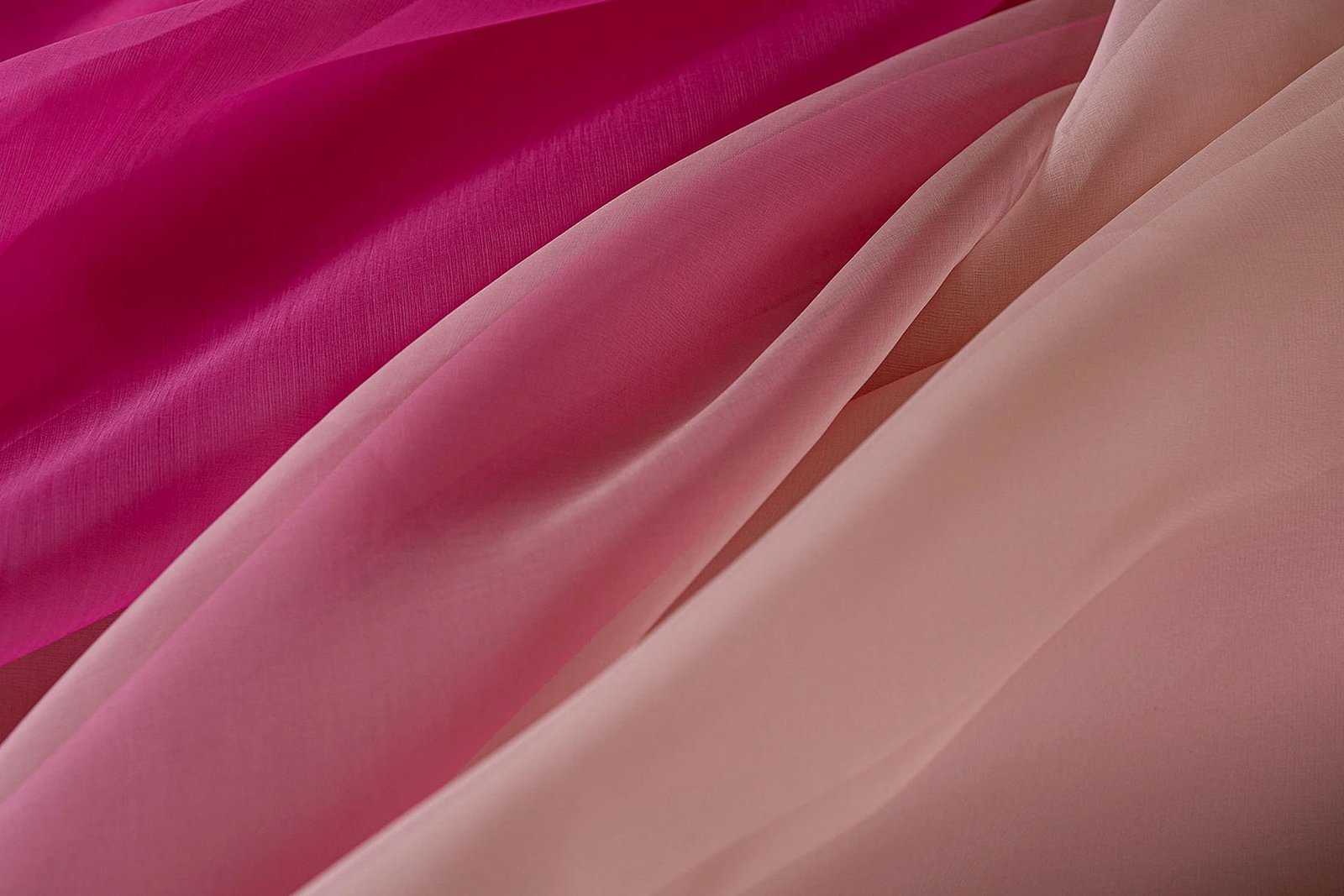
Organza is a plain weave, sheer fabric traditionally made from silk, but modern versions are also crafted from polyester or nylon. Its hallmark is a crisp, slightly stiff texture that holds shape well while remaining transparent.
-
Weight: Extremely lightweight
-
Texture: Smooth, crisp, slightly stiff
-
Transparency: Sheer, allowing light to pass through
-
Finish: Lustrous or matte depending on fiber type
Organza is often described as a “see-through silk” due to its luxurious sheen and delicate feel.
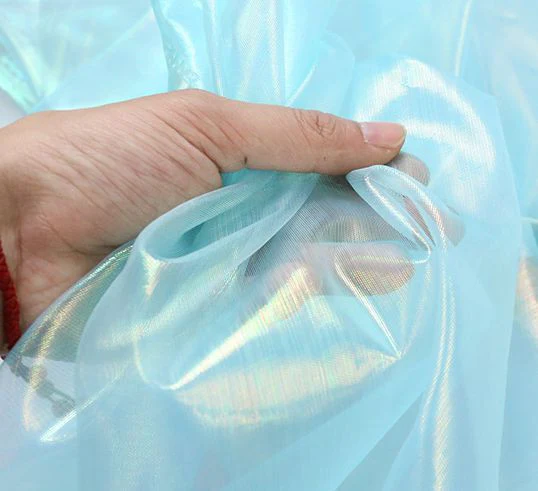
organza material
Key Characteristics of Organza Material
-
Sheerness: Allows for layered designs without adding bulk.
-
Crispness: Holds pleats, ruffles, and structured silhouettes beautifully.
-
Durability: Despite its delicate look, silk organza is strong, while synthetic blends offer extra resilience.
-
Lightweight: Perfect for garments requiring volume without weight.
-
Texture Variations: Can be smooth, embroidered, metallic, or colored.
Types of Organza
There are several types of organza based on fiber and finish:
-
Silk Organza – The traditional, high-end option with a natural sheen and luxurious feel.
-
Polyester Organza – Affordable, more durable, and easier to care for; often used for decorations and costumes.
-
Nylon Organza – Lightweight and crisp; commonly used in eveningwear or overlays.
-
Embroidered or Printed Organza – Organza enhanced with embroidery, patterns, or metallic threads for decorative purposes.
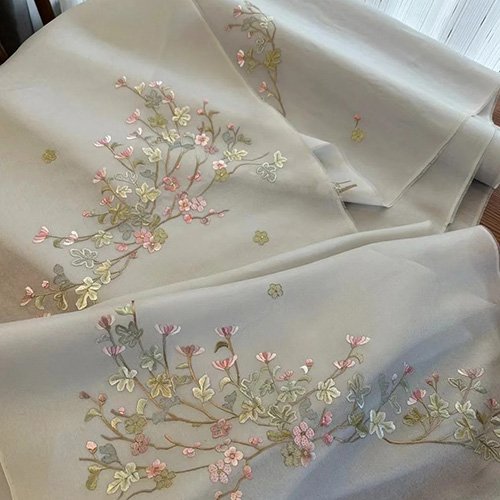
Embroidered Organza
Common Uses of Organza Fabric
Organza’s sheer elegance and crisp structure make it ideal for:
-
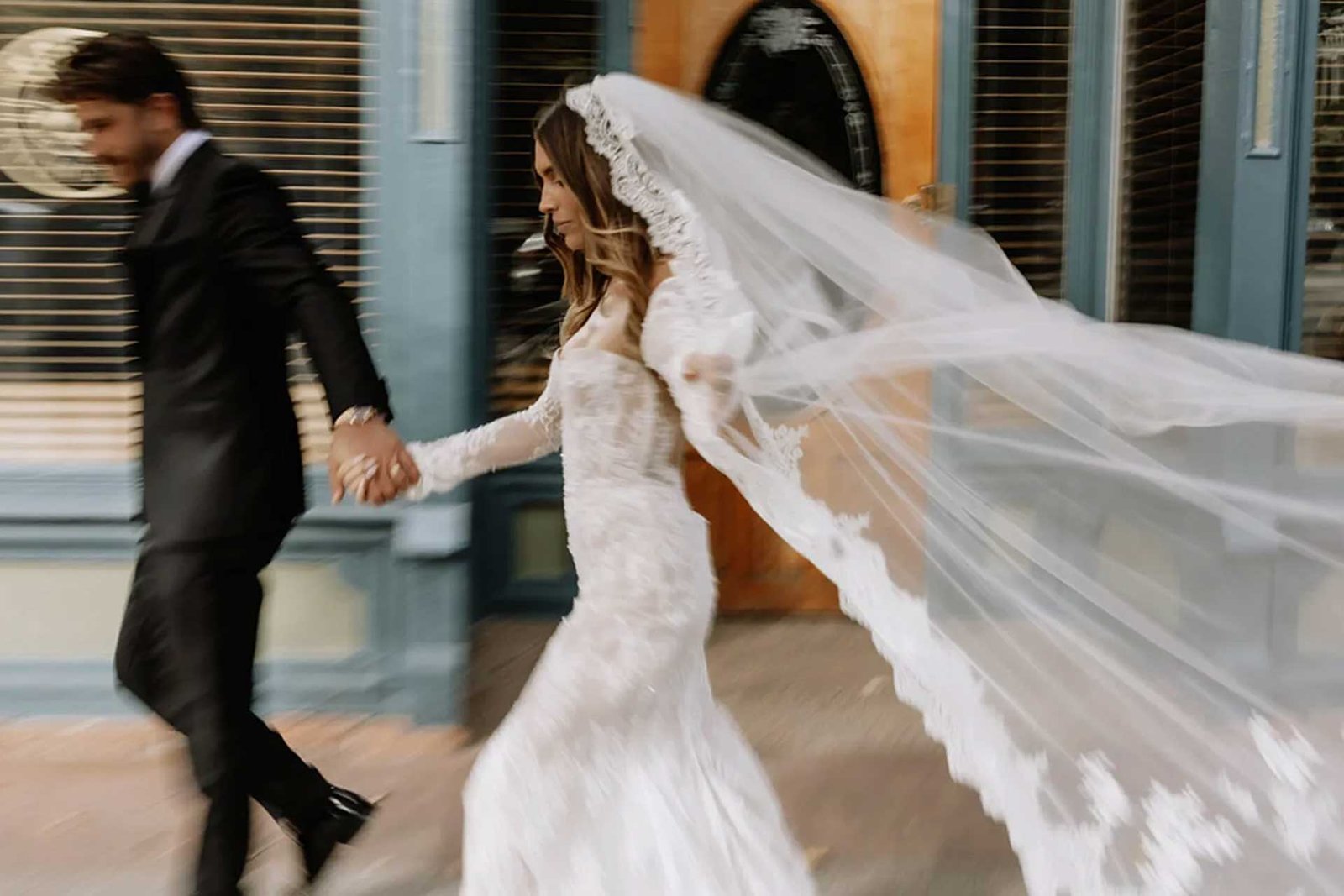
Bridal gowns and veils – Adds volume without heaviness.
-
Evening and couture dresses – Perfect for overlays and dramatic silhouettes.
-
Home décor – Curtains, table runners, and decorative accents.
-
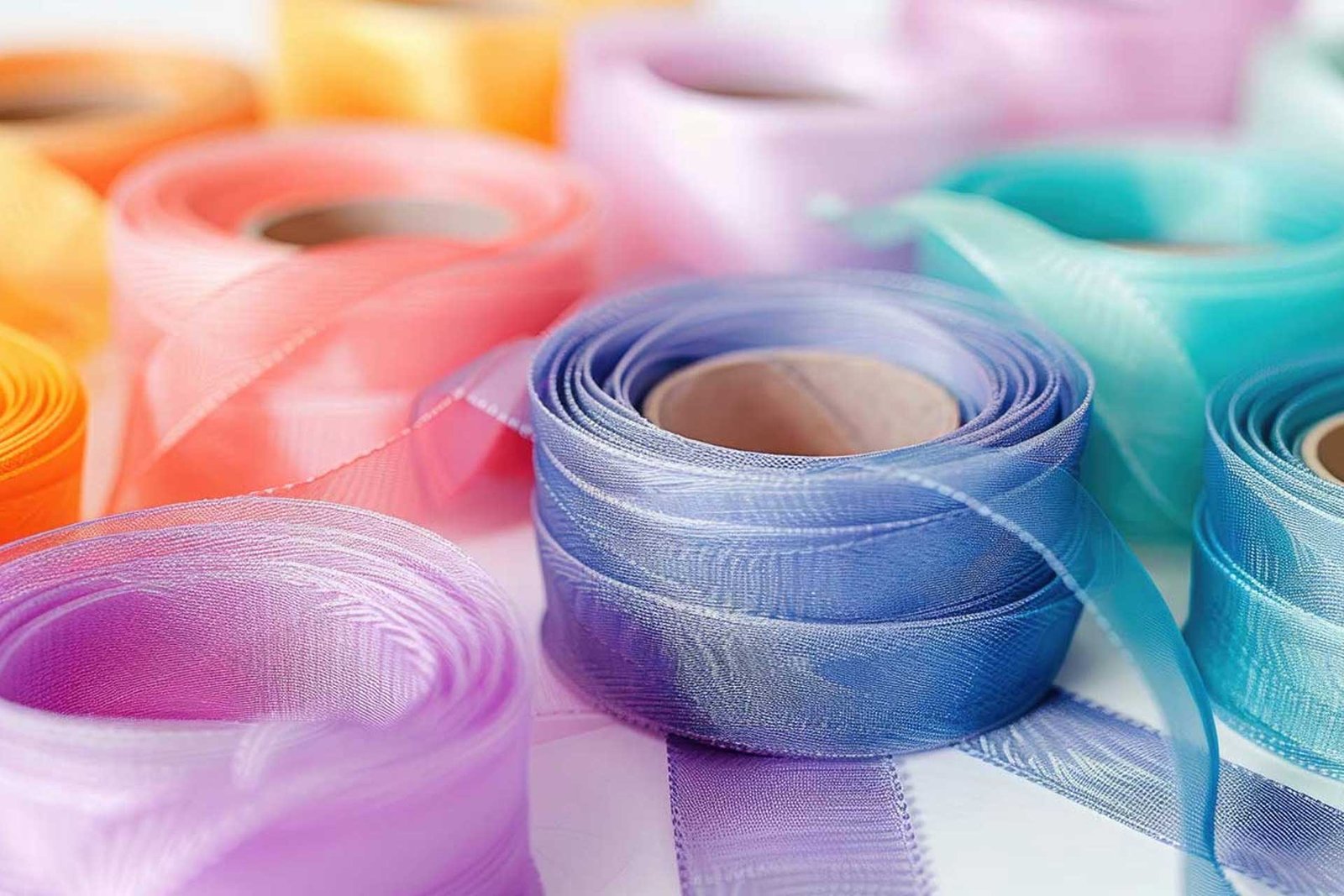
Accessories – Bows, ribbons, and scarves.
-
Costumes and dancewear – Lightweight yet structured, ideal for movement.
Care Tips for Organza Fabric
-
Hand wash or gentle cycle with mild detergent.
-
Air dry; avoid wringing to maintain shape.
-
Low-heat ironing with a pressing cloth to prevent shine or damage.
-
Storage: Keep folded or rolled to prevent creases, especially for silk organza.
Key Takeaways
Organza fabric is a sheer, crisp, and elegant material suitable for a wide range of fashion and décor applications. Understanding its types, characteristics, and care requirements ensures your projects maintain the delicate beauty and structure that organza is known for.
Whether you’re creating a bridal gown, evening dress, or decorative overlay, organza adds a timeless touch of sophistication.